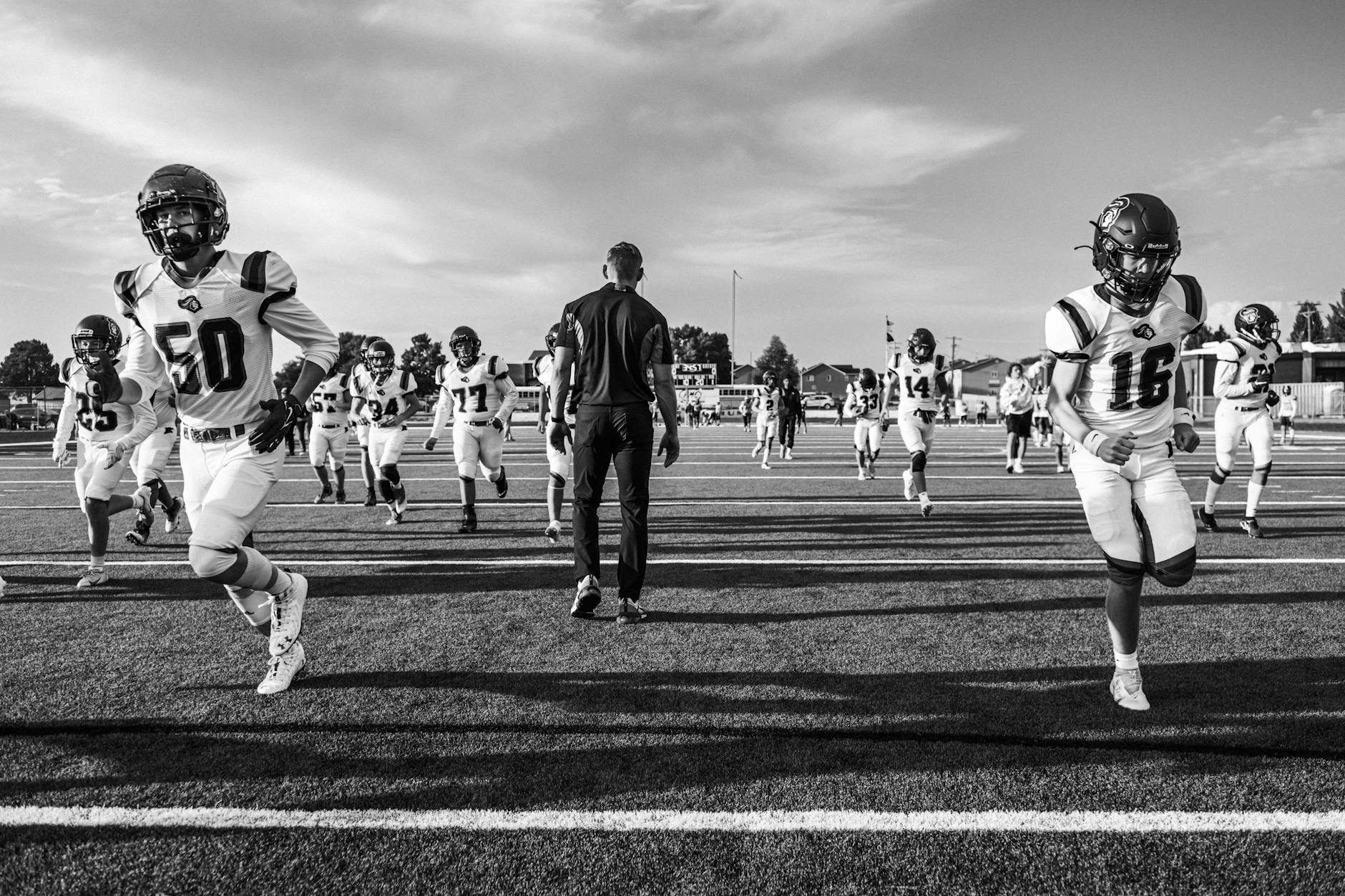
Nearly every high school nickname in Illinois, and across the country, is a product of a local history. Your nickname, blandly innocuous or a 300-year-old derogatory insult toward indigenous people, is not special. More than 30 schools in Illinois currently claim Native American-related nicknames. There are also 36 schools that are Eagles, 29 that are Bulldogs and 29 that are Tigers…
Heritage and lore are often behind nicknames: Outside Champaign, the Bunnies of Fisher Jr./Sr. High School took their name from a century-old tradition, when players carried rabbit-feet. The DeKalb Barbs nod to DeKalb as the origin of barbed wire. In Brighton, Southwestern High School — honoring the area’s Native background without making a whole group of people a caricature — are Piasa Birds, a reference to the mythical creatures found painted into cliffs on the nearby Mississippi River.
Some of the best Illinois nicknames play off a town’s industry: The Rochelle Hubs honor Rochelle’s history as a travel junction, where rail lines and several interstates converge. The Cornjerkers of Hoopeston — home of the National Sweetcorn Festival — is another example of a team turning an insult (here, against corn farmers) into a point of pride. There’s a similarly defiant streak about Farmington Farmers and Coal City Coalers.
Discussions of changing the mascot often invoke this history:
“My first death threat I ever got as a legislator was after I filed that first mascot bill,” West said. “You hear, ‘If I see you crossing the street, I promise to forget how to use my brakes.’ My goodness — over a mascot! You are coming for their traditions, they say. Tradition is always the main argument. Finances too — how much it will cost to get new uniforms and so on. But the energy, and anger, in these conversations is about history.”
Local history is important to many communities. But there are also plenty of moments in history where communities make decisions to go different directions. As they consider external pressures and internal pressures, communities come together and discuss how they would like to respond. My research considered decisions about development but this could also apply to mascots. Have the times changed? How do newer residents in a community feel? What is the broader purpose of schools? The discussion may be about the name of the high school names bu tit likely invokes broader questions about how communities think about themselves and the world around them.
Of the examples of high school mascots provided in the article, the names highlighting a local industry are intriguing. What might this look like in the twenty-first century? The Office Parks? The Hospitalists? The Data Centers or Warehousers? The Drivers? New traditions could begin with names fitting more recent work and industry patterns.
The U.S. census reported that the number of suburban jobs rose after 1850 and accelerated after 1880, so that, in the second half of the nineteenth century, suburban employment constituted one-third of all manufacturing employment in America. Ignoring those jobs beyond the central business district means ignoning blue-collar workers and ignoring one of the leading forces for suburbanization in America. (75)
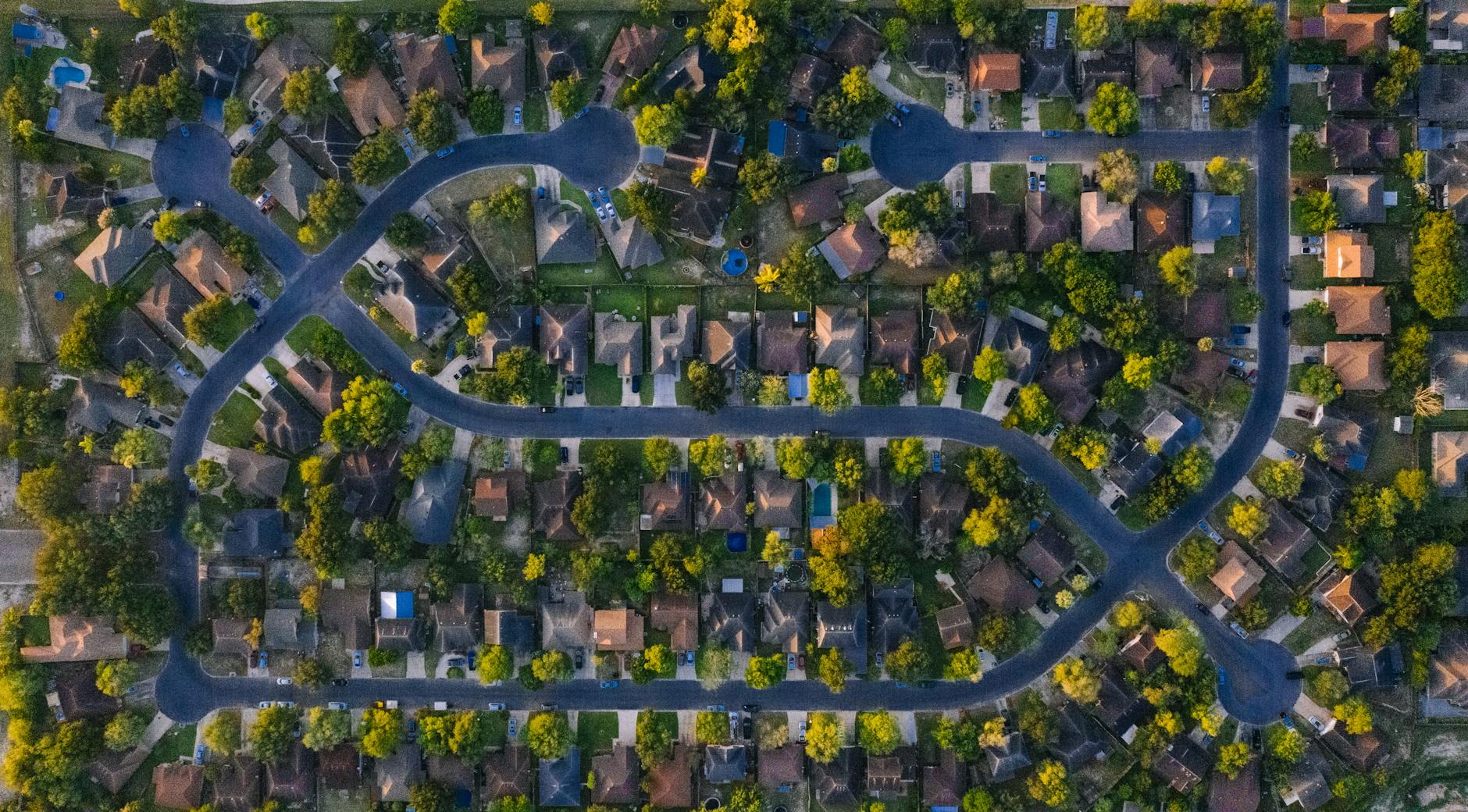
A large part of the American Dream of suburbia involves single-family homes. But the story of suburbia also includes industry and jobs. In this book, historian Elaine Lewinnek highlights the move of industry to suburban areas outside of what was then the Chicago city limits and how working people followed those jobs. They often ended up in small, single-family homes close to new factories and meatpacking facilities.
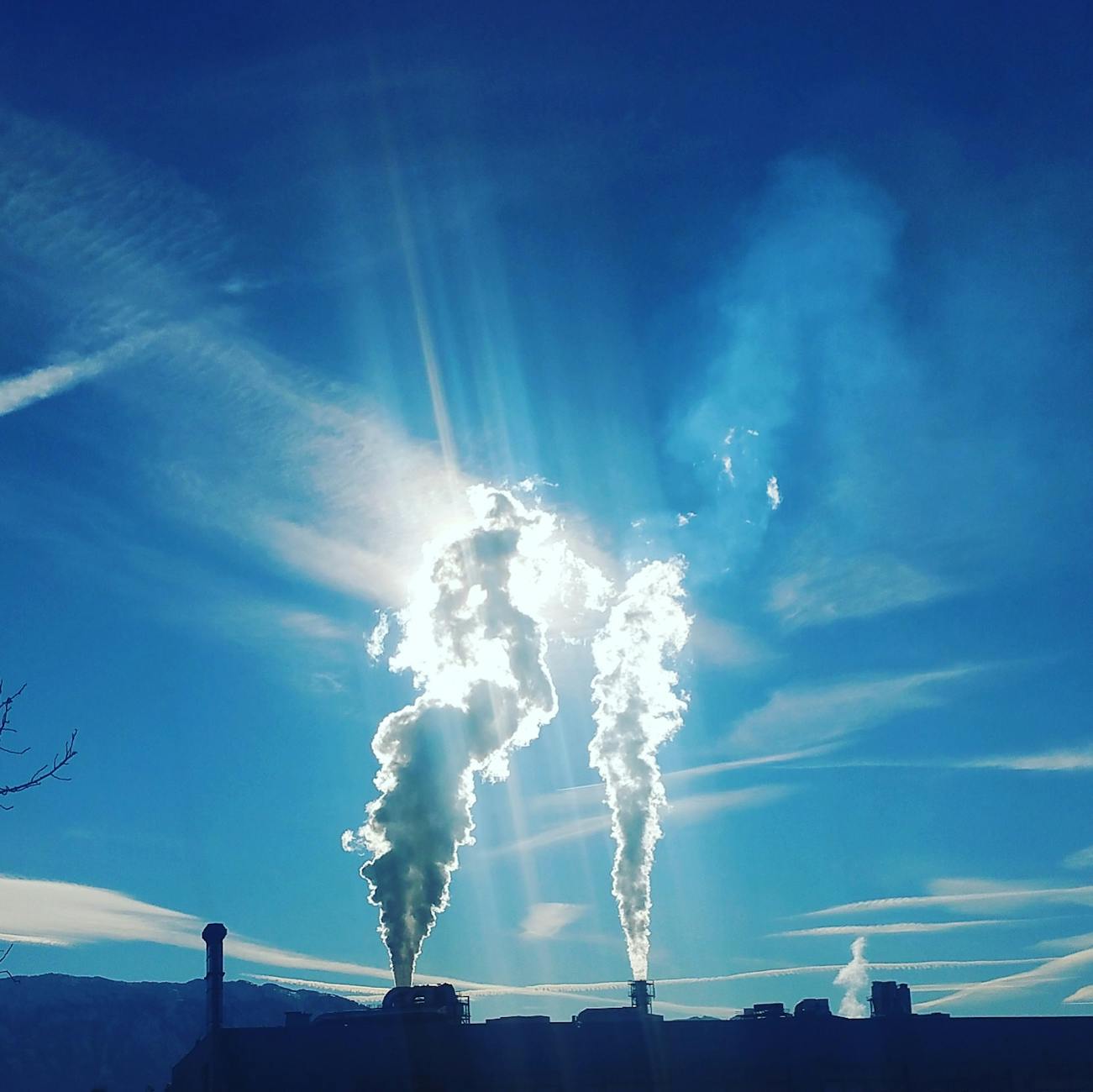
Why did industry move to the suburbs? Land was cheaper. They could build large facilities. The downsides of industry – noise, smells, pollution – affected fewer people and the land uses faced fewer regulations in suburban areas.
The one statistic that jumped out at me in the paragraph above was that “one-third of all manufacturing employment” was in the suburbs. Some of those suburban areas became part of the city, as they did in Chicago. But industrial suburbs continued, such as in places like Gary, Indiana, as did suburban employment. When the most common commuting trip in the United States today is suburb to suburb, this is part of that legacy of suburban industry and work.
Some suburbs are indeed bedroom communities with limited or no commercial and industrial land uses but the suburbs as a whole have lots of business activity.
Grain elevators’ histories are often marred with explosions (something about the dust mixed with oxygen), and one such spontaneous combustion on these 24 acres led to the current John Metcalf-designed “Damen Silos” property, formerly the Santa Fe Railroad Grain Elevator, built in 1906 at 2900 S Damen off the South Branch of the Chicago River. Keep in mind the staggering presence of 35 80-foot silos in the pre-skyscraper era. They churned out 400,000 bushels thanks to machines running on 1,500 horsepower (from steam and electricity). Unfortunately while users changed (Stratton Grain Co was up next), explosions continued…
The property’s been a fertile stomping ground for the street art and photography set for years. Brent Bandemer’s 2012 short film “Gone” documents the life of David “Gone” Brault, a 23-year-old suspended college student squatting at the Damen Silos to teach others how to survive when the apocalypse comes. (Understandable, given the silos’ arty End of Days vibe, and where Chicago apartment rents are headed.) As David’s favorite graffiti on the property says, “One day the whole city will be this beautiful.” In 2013 it was a filming location for Michael Bay’s Transformers: Age of Extinction, whose special effects hit eerily close to home…
The state’s only remaining vacant land in Chicago, the property’s location (with Chicago River frontage and access to interstate travel) should be its biggest selling point, says the CMS spokeswoman, along with lots of land to play with for industrial redevelopment. Looking at other grain elevators around the world, you’ll find creative adaptive reuse strategies ranging from residential to office to data centers to artsy (they work well as both canvases and projection screens). A distributor who needs water and highway access would be more practical, though probably not as pretty.
Perhaps this exemplifies the shifts in the American economy in the last century or so: Chicago as an agricultural center taking in grain from all over the Midwest but then losing agricultural and manufacturing jobs as the country moved to a knowledge economy. The empty space then finds a second use as space for artists who can work with the postindustrial vibe. Now, the property offers some advantages for redevelopment with easy access to transportation (one of Chicago’s continued strengths).
At the least, this property offers some unique potential in a city known for its industrial and agricultural past.
In 1919, this list shows, New York produced more than 50% of total national output in twelve lines of manufacture, and was competitive in many more.
Geographer Richard Harris, writing about industry in the city between 1900-1940 in the Journal of Historical Geography, points out that because of the particular products New York was known for (lapidary work, women’s clothing, millinery), many industrial workers were women. In 1939, they represented 36% of the total workforce. Workers in Lower Manhattan, where many garment factories were located, were particularly female.
Harris points out that although factories tended to move outward into the boroughs after 1919, before WWII the city did retain many factories in its central core, bucking the nationwide trend of suburbanization of industry. In 1940, 60% of New York workers had manufacturing jobs.
In the midcentury period, however, development trends turned toward offices and corporate headquarters. Zoning regulations made building more factories difficult.
In recent years, the city’s economy has rested on the service and financial industries. While manufacturers still do set up shop in the city, the scope of their activities is specialized. According to the New York City Economic Development Corporation, industry now provides just 16% of private-sector jobs. New York still produces garments, textiles, and printed material, and has increased production of packaged foods (see this October 2013 report from the NYCEDC for details [PDF]), but city factories tend to be smaller and to employ fewer workers.
This is an impressive range of industrial capabilities in 1919. As the above section notes, today New York City doesn’t have much of a manufacturing image due to the rise of Wall Street, the finance industry, the sector, and entertainment industries. Yet, 16% of manufacturing jobs in New York City still adds up to a big number of employees and firms, even if these facilities are not in highly visible areas in Manhattan. Additionally, some of the more hip areas in New York City today, such as Williamsburg and SoHo, are places that were ripe for gentrification and redevelopment in recent decades after large industry left in the mid 20th century.