
Many older American homes need repairs but making those repairs is a challenge:
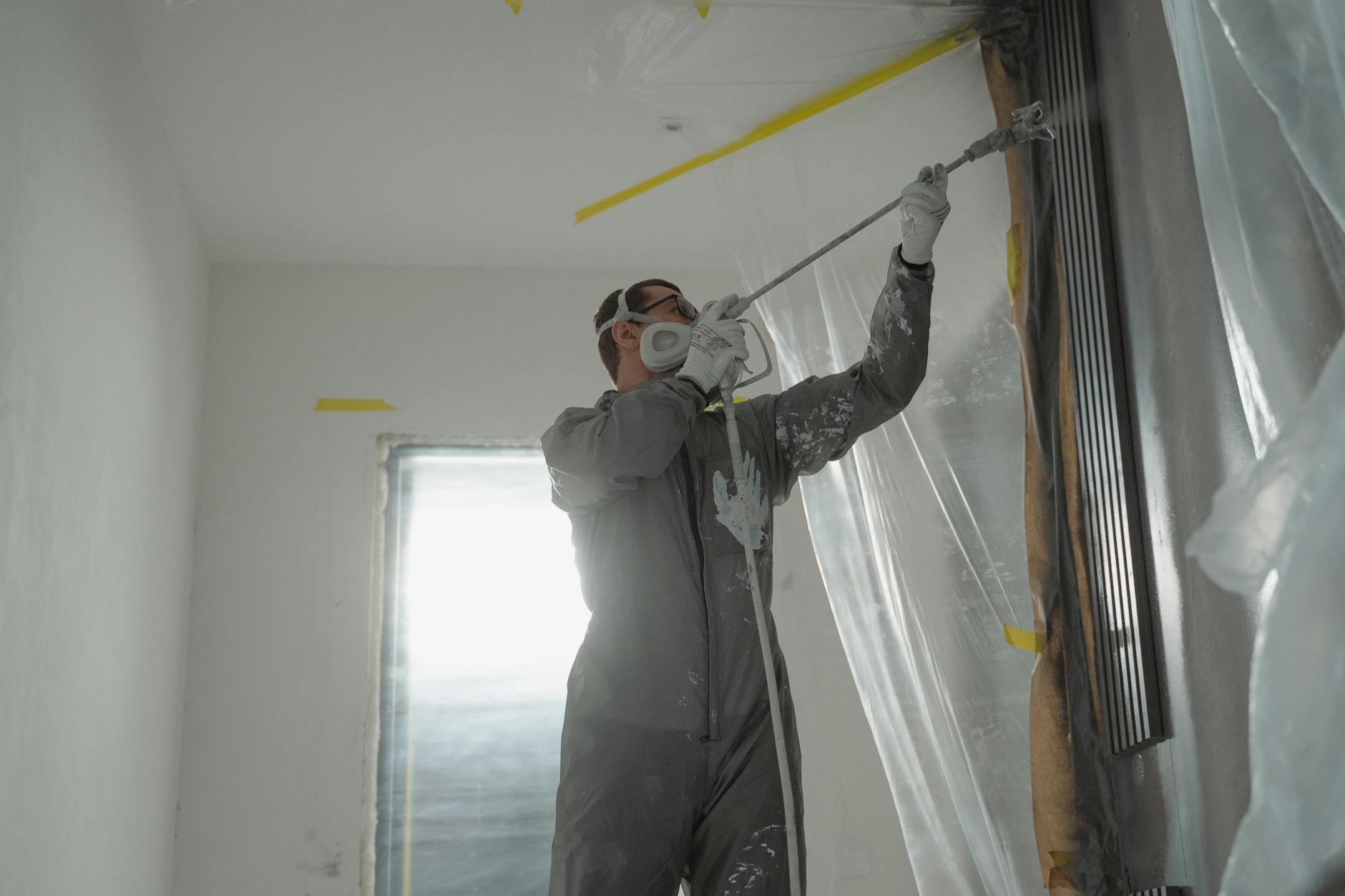
Across the nation, and especially here in Philadelphia, homeowners are increasingly struggling to maintain and repair aging homes that are withering, crumbling, and forcing homeowners to exist in near-unlivable conditions.
According to the National Association of Home Builders, the average age of the U.S. home is 40 years old, up from 31 years old 15 years ago. Homes tend to be the oldest in the Northeast, Mid-Atlantic states and along the Appalachian Mountains. Repair costs are rising, and homeowners face $100 billion in needed maintenance, according to the Federal Reserve Bank of Philadelphia.
Analysts say the problems associated with deferred maintenance and dilapidated properties span both rural and urban properties, resulting in structure collapses of occupied properties in Pittsburgh; Reading, Pennsylvania; Syracuse, New York; and elsewhere…
Schapira said Philadelphia has at least 60,000 houses that are “in a pretty difficult situation” and need immediate repairs. Nationwide, about 6.7 million households are living in “inadequate” properties, according to the U.S. Census Bureau.
Both cities and suburbs have a lot of houses that are more than 50 years old: the growing urban populations of the late 1800s and early 1900s in Northeast and Midwest cities mean there are a number of aging units there and suburban sprawl added many homes to the edges of big cities and growing suburbs. Maintaining and repairing homes requires maintenance, knowledge, and resources.
This story highlights the issue when these aging homes are in poorer neighborhoods and communities. How are residents who are struggling to make ends meet supposed to do the substantial work necessary to keep their homes in decent condition, let alone have any features that the HGTV watching crowd might expect as normal these days?
For those with resources, this might be less of an issue. Larger older homes can be fixed up with some preserved in historic districts. Others are torn down and replaced with larger, modern homes. Those with means can avoid having to purchase homes with significant repair issues and if they do take them on, they made that choice and can address the issues.
The bigger question is this: what do Americans want to do with aging housing? Metropolitan regions need housing. Repairs can be costly. What are funding options? Can this be addressed by boosting incomes and economic opportunities? Are there ways to pay people to repair these homes and keep needed housing units in the community? What happens when housing does crumble and the properties are not desirable for developers or investors?

 Legally Sociable