Is this “the best city park in America”?

Here is one argument for Griffiths Park in Los Angeles as the best urban park:
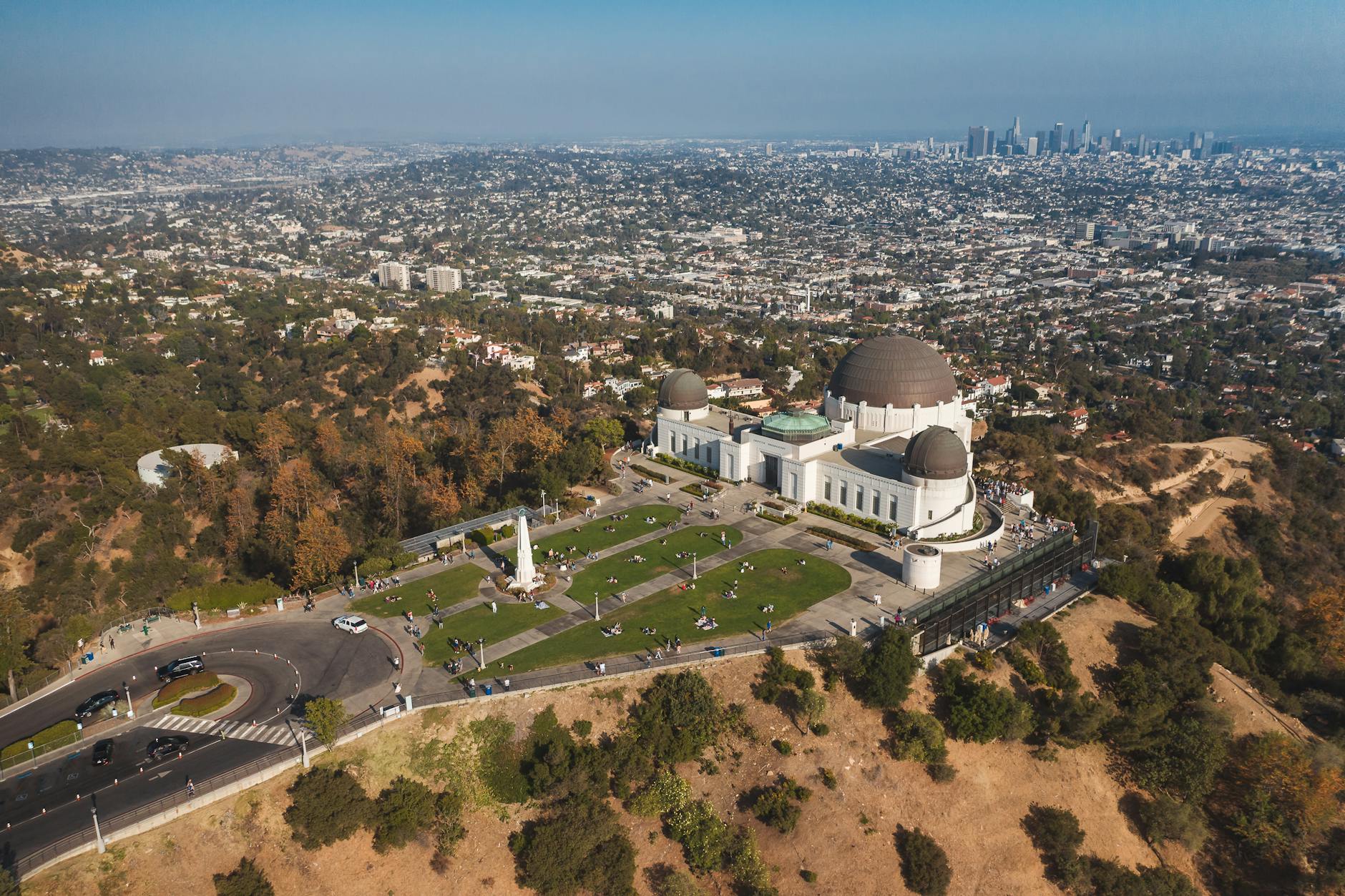
Photo by RDNE Stock project on Pexels.com

At 4,210 acres, Griffith outshines other extraordinary city parks of the US, such as San Francisco’s Golden Gate, which barely tops 1,000 acres, and New York’s Central Park, a mere 843 acres. Griffith’s peaks tower above those flat competitors too, with nearly 1,500 feet in elevation gain, making it practically vertical in orientation. And LA’s crown jewel of a park is still largely uncut, much of it remaining a wilderness area preserved more than 100 years ago, and barely developed, unlike the pre-planned “wild” designs of Golden Gate and Central Park.

Add its history, views, recreation opportunities, unique and hidden spaces, a free Art Deco observatory and museum, the most famous sign in America and the park’s overall star-power, and you have a compelling case that Griffith is not just epic in scope but the greatest city park in the nation.

There’s something for everyone there: a zoo, playgrounds and an old-timey trainyard for the kids; challenging and steep trails for hikers; dirt paths for equestrians; paved roads for bikers; diverse flora and fauna for nature enthusiasts; and museums for the science and history learners.

Two features stand out in the above description. First, the sheer size of the park. This is very unusual in large cities as they have some space for parks but also have many other land use demands. Second, the variety of features and activities in the park. There is not just one thing to do here; there are numerous options serving different groups.

Given that this is Los Angeles, what might this land be if it had been open to developers? Given what is on some of the other hills, just more expensive houses?

And how much can the claim that the park is “barely developed” matter when it is exposed to the pollution in the region and the activity of many nearby humans?

To settle this, how about a national city park contest? There are a number of important parks and there are a lot of different criteria that could be used.

Naming a new apartment complex on top of former mall parking lot a “reserve”

Redeveloping shopping mall space into apartments is happening across the United States. Reading about a local mall adding a 271 apartment building on the former site of the parking lot outside a department store led to some reflection on the name of this new development:

Photo by Markus Spiske on Pexels.com

A crop of new restaurants and a Dave & Buster’s have been added to the mix. A grocery store is slated to open next year. In the clearest sign of the mall’s resurgence, a developer has kicked off the first phase of a luxury apartment project called “Yorktown Reserve.”

The old Carson’s department store will be dismantled to pave the way for public green space between the mall and the apartments. Inward-facing mall spaces will be turned outward. Facing the park will be a new, two-story entrance directly into the center of the mall.

What does “Reserve” refer to? The first thought that came to mind: wine. Quoting a possible definition of reserve in the Merriam-Webster Dictionary:

9: a wine made from select grapes, bottled on the maker’s premises, and aged differently from the maker’s other wines of the same vintage

Upon further thought, this does not strike me as the meaning. Apartments tasting like a fine wine? How about a different definition of reserve:

1: something reserved or set aside for a particular purpose, use, or reason: such as…

b: a tract (as of public land) set apart : reservation

A reserve as in a set apart piece of land? This seems more like the meaning with the apartments next to a new “public green space” and the mall.

Once the apartments are constructed, I would be interested to hear residents and neighbors reflect on this name. Does it feel like a reserve? Does the name imply a certain price point and residential experience?

An example of humans trying to bring order to nature

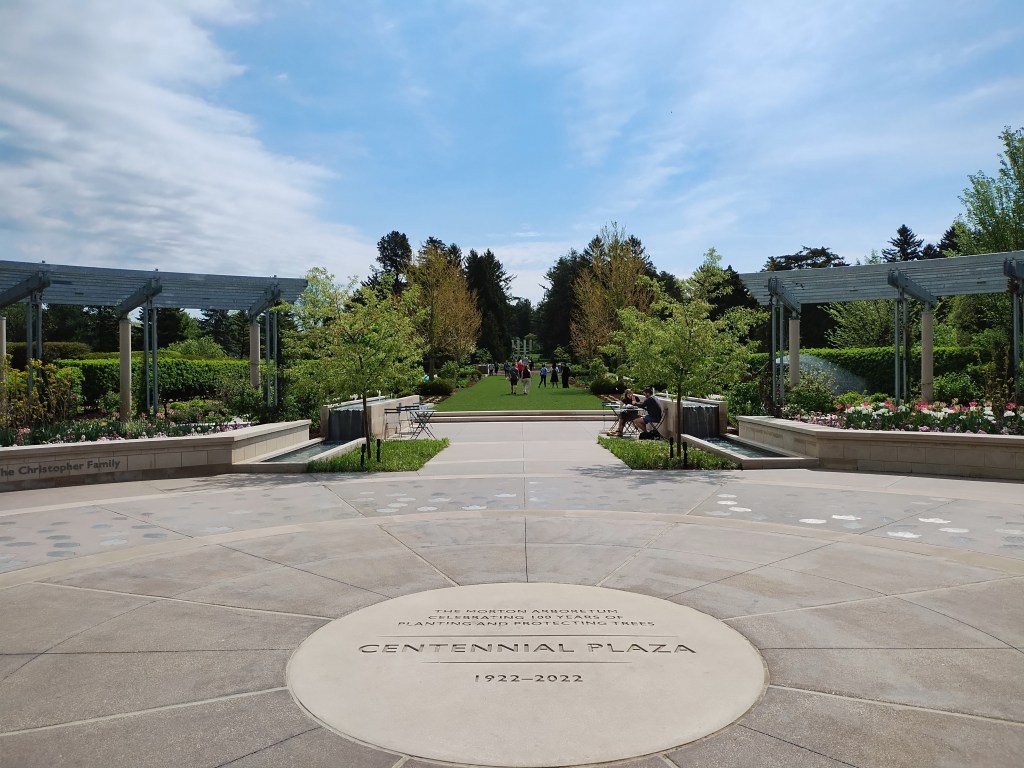
I recently encountered this view at The Morton Arboretum:

Here is their mission:

The Morton Arboretum is The Champion of Trees.

The Morton Arboretum is an internationally recognized tree-focused botanical garden and research center. Its 1,700 acres of beautiful tree-filled landscapes are a place of enjoyment, a vibrant hub for nature education, and a world-renowned center for scientific research that studies trees and how to sustain them. Its vision is a greener, healthier, more beautiful world where people and trees thrive together. As a nonprofit organization, the Arboretum’s mission is to collect, study, display, and conserve trees and other plants from around the world to inspire learning, foster enjoyment, benefit communities, encourage action, and enhance the environment.

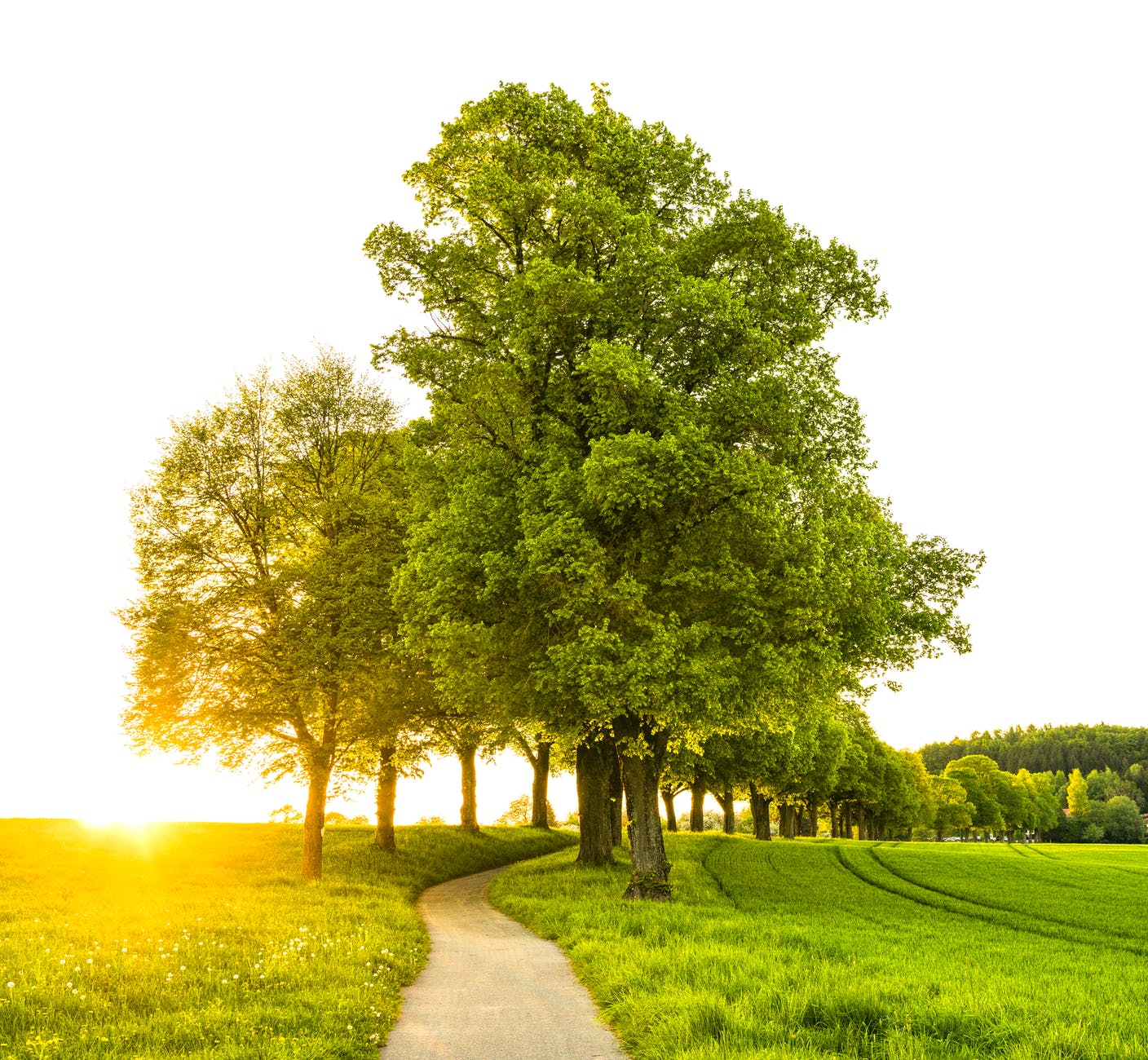
On a pleasant morning, this plaza was an enjoyable place to be. At the same time, there is very little “natural” about it. Concrete and other manmade materials are around. The landscape is shaped in particular ways to direct a person’s view and they ways they can move in the space. The grass, water, and plants and trees are where humans wanted them to be. The sound of the nearby highway is present.

A garden or park or plaza brings order to nature. Wild spaces can be inhospitable to human habitation or aims. We have lots of current examples of humans attempting to bring order to nature, ranging from green lawns to Central Park to guiding the flow of water to growing food.

Whether this order is good is open for debate. It may be pleasing for humans while disrupting wild settings and habitats. It may be order from a particular perspective but not from others. What is considered ordered natural settings may very well change in the coming decades though it is hard to imagine that humans would stop pursuing this goal.

Who can use space in the United States? FOIAed emails and pickleball

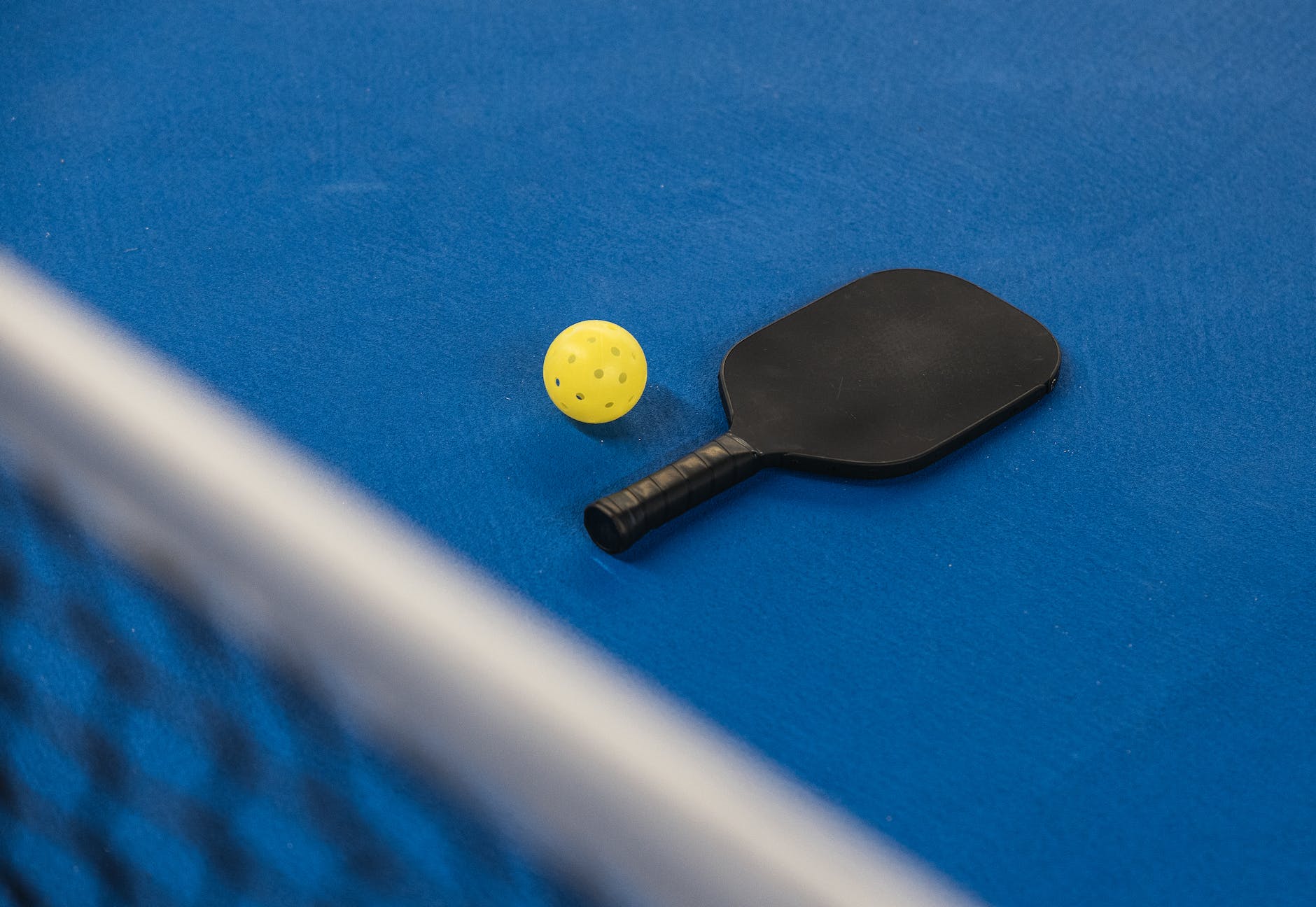
One journalist finds in emails that there is a lot of reaction to pickleball in American communities as well as concerted efforts by pickleball enthusiasts to play:

Photo by Mason Tuttle on Pexels.com

“I live near a paddle tennis court, which is basically tennis but on a small court. And at these courts, I saw this big sign that said, ‘Pickleball players, go home’ or ‘Pickleball was not welcome here.’ And I was like, What is going on? What happened was that pickleball players were sneaking onto the courts when they were open and playing pickleball when this was supposed to be a court for paddle tennis only,” Koebler said. “When I saw that sign, I was like, I bet these people are complaining to the government about the pickleball people.”

It turns out that these people were complaining. A lot. And not just in Koebler’s neighborhood. The city of Dallas told him that it had more than 100,000 emails mentioning the word pickleball. They couldn’t even begin to forward them all. The city of Fort Lauderdale said it would need $10,000 to produce all of its pickleball discourse.

These emails are about who can take up public space, and whether pickleballers are taking up too much of it. And if you’re thinking, Who cares?, Koebler says that the fight over who can take up space in this country—it’s kind of at the heart of the whole American project…

I’m going to generalize here and stereotype. But pickleball players are far more organized than other players of other sports, based on thousands of emails that I read. There are these people in city after city who are “pickleball ambassadors.” And they are given a tool kit from this group called USA Pickleball about how to talk to local government to gain access to more public spaces. And USA Pickleball’s strategy is to try to convince city council or the parks department or your local politician to build new pickleball courts. But because of this NIMBY aspect where homeowners don’t want pickleball in their backyard, it’s really hard to build new pickleball courts in certain places. And so what is happening is pickleball players have to use already-existing public infrastructure. This means basketball courts, hockey courts, tennis courts, of course. And if there’s a permitting system, they’re organized and they make sure to book out all of the permits. If there is not a permitting system, I saw emails where it’s like, I will bring my net for crack of dawn to the tennis court and set up my pickleball net. And then we will play in shifts all day so that we keep the court and the tennis players can’t get on here.

I am not surprised property values are mentioned in this interview. The sound and activity on pickleball courts can be a threat to a quiet residential existence.

I am surprised that taxes did not come up in the conversation. Americans pay property taxes to local government bodies that, among other things, build and maintain parks and public spaces. Homeowners, renters, and businesses contribute these taxes. They can all make requests or demands about how this public space is used. In this case, there is a limited public good – courts where people can play tennis or pickleball or in engage in other activity – and people could claim they are paying to provide space for the activity they want to pursue.

Given how American space is used, is this a zero-sum game: if pickleball players play, does that mean other sports must lose? Can tennis courts and pickleball courts stand side by side and be available to players of each sport? Will private pickleball facilities or clubs help alleviate these issues?

Want to see adults attached to their phones? Go to a local park

I am at neighborhood parks quite a bit with my kids. I have noticed that while kids are playing, the adults there with them are often on their phones.

Photo by Ju00c9SHOOTS on Pexels.com

I get why. It is indeed tempting. The kids are running around and occupied. Their activity means that parents might have a few moments to themselves. The park often has benches or places to relax. Why not catch up on some texts or social media activity?

Even without kids around, parks feature plenty of phone use. Walk the dog and read the phone along the way. Try biking and phone use together. Lots of walking with earbuds in or headphones on.

However, parks can be inherently interesting places without phones. Kids are learning and developing skills. There are often hints of nature around, birds to spot, bodies of water to observe. There is plenty of people-watching to be done. If the park is a lively one, perhaps one envisioned by Jane Jacobs where people are using it in multiple ways and it is situated among other interesting uses, there is plenty to see and do.

Additionally, if people are concerned with phone and social media use for kids and adults, could parks be phone free zones or at least spaces where we work to use them less? It is not because it is immediately dangerous in parks – at least, not at the level where I consistently look around and spot drivers around me with their heads tilted down to their phones – but because good parks offer the potential for a respite from other parts of life. If parks, preserves, and green spaces can help restore our minds and bodies, are smartphones part of that equation?

(To be fair, adults are on their phones all over the place. I have just noticed it recently in parks amid my own efforts to use my phone less in this setting.)

Suburbanites who dread the “pop pop pop” of pickleball

Some suburban residents who live next to pickleball courts have concerns about the noise:

Photo by Ono Kosuki on Pexels.com

While the noise isn’t as much of an issue with indoor courts and outdoor courts away from residential neighborhoods, it’s become a nuisance for folks like Matulyauskas, who lives within yards of a converted tennis court at Abbeywood Park in Lisle…

There are websites and online forums dedicated to pickleball noise, and decibel meters are keeping tabs on “pop pop pop” levels from coast to coast.

Legal action to stop the noise is ongoing in communities from Arlington, Virginia, to Phoenix, Arizona…

In response, the park district installed Acoustifence soundproofing panels to mitigate the sound…

The Naperville Park District is investing more than $500,000 in new pickleball courts at the Frontier Sports Complex. To deaden the noise, officials there also installed natural buffers such as vegetation, berms and fencing.

The pickleball craze continues…and attracts detractors.

Suburbanites often express concerns about noise regarding nearby land uses or proposed development. This can range from traffic noise to school noise to loud music to firework use during what they think should be quieter hours. The assumption is that life among single-family homes is supposed to be quiet.

Generally, suburbanites would see parks as amenities. They provide green space and recreational options. But, perhaps many would not want to live right next to one? Being near a park could include noise from playgrounds, ball games, pools, mowers, and more. The communities discussed above tried different options, like sound-dampening surfaces or particular hours for play.

As another park noise example, I was surprised not only to see a new basketball court recently but also to note how close the court was to nearby homes. The sound of bouncing basketballs can reverberate on exterior surfaces, plus whatever additional noise is generated by people playing.

Lo, look yonder at that new basketball court in a new suburban park!

Driving through a nearby suburban subdivision under construction, I spotted this amenity in the new park in the middle of the townhouses and single-family homes:

This is a nice new court. It is not quite regulation length but it does feature two usable half courts. It is at one end of the park with a pavilion next to it and then a playground at the other end. The court, like many, is fairly open to the sun and nearby houses.

Is this worth noting? Years back, I discussed a possibility: do suburban communities not want many basketball courts? I have followed up a few times since. Why would park districts make circular courts? Are residents just putting in their own courts in their backyards? Additionally, the hot new sport is pickleball and communities are making sure they have new courts.

This will be an interesting outdoor court to keep an eye on as the subdivision is completed. There will, no doubt, be nearby residents who want to play. The court is very close to houses on multiple sides. How busy will this court be?

Neighbors fighting over the presence of pickleball at the local park

I am convinced many communities do not want basketball courts in their parks. Perhaps some also do not want pickleball, a growing sport? An example from Chicago:

Photo by Digital Buggu on Pexels.com

Disgruntled residents unhappy with the noise and the pickleball takeover of the “unique wide-open blacktop area” launched a petition to boot pickleball from the park and restore it to “a safe and open space for kids to play in Lincoln Park,” according to the petition which has garnered more than 780 signatures…

“The confrontations, complaints and frustrations are a direct result of this dishonest and unethical action,” wrote Leslie Miller, who started the anti-pickleball petition, in a March 10 update on the online petition. “Moreover, this dispute has created an atmosphere of tension and unpredictability that feels unsafe for children.”

Pickleball players have countered with their own petition in support of the game, which has attracted nearly 700 signatures so far. Myers said issues with pickleball at the park seem to stem from wanting control, and he can understand some of the counter pickleball points, such as the noise complaints, but not necessarily agree with them…

In a statement Tuesday, the Park District said it “is committed to balancing the needs and interests of the community surrounding Bauler Park. The district recently implemented a plan to dedicate space for pickleball at Bauler Park, Monday through Friday from 10 a.m. to 2 p.m. With the exception of these designated times, the space will remain open for other recreational activities during normal park hours. The Park District will continue to work with the community to identify additional locations to support the sport.”

These concerns are many of the same ones neighbors fight over in neighborhoods and communities across the United States. Who gets to control the use of the property? What land uses are desirable? What about the children? Is there too much noise? The only two common ones missing: any concerns about water (do pickleball courts contribute to water runoff, particularly compared to play areas for kids?) and property values.

On the other hand, it is good that people are using the park and are engaged with its use. Given all of the possible activities residents might want to do in the park, balancing all of these interests can be tricky. Do all parks have to offer certain amenities? How far are people willing to go to find their preferred activity? What should be left to the private sector.

Given the relatively recent rise of pickleball, perhaps this will all die down soon. Or, perhaps this fight is coming to many parks across the country as more established uses give way to more recent trends.

Considering Jane Jacobs’ advice for parks when planning a major suburban park

Jane Jacobs is famous for her observations regarding sidewalks in the opening chapters of The Death and Life of Great American Cities. Right after this is a chapter on parks. In summary, she suggests are not automatically good as they can easily become problem areas if there is not regular foot traffic in and through the park.

Photo by Felix Mittermeier on Pexels.com

I thought of this when seeing a plan of how the former Motorola Campus in Schaumburg might be turned into “a Millennium Park for suburbs”:

Schaumburg trustees Tuesday will consider approving a $1.1 million bid for construction of the first phase of a 12-acre, urban-style park ultimately envisioned as a sort of Millennium Park for the suburbs.

Planned for the former Motorola Solutions campus, the park when completed could house such amenities as a large outdoor performance venue, a sculpture garden, a dog park and a winter ice rink.

Phase one, however, will focus on the basic outline of the park and providing passive recreation opportunities to serve residents of the area, before the next set of upgrades are budgeted and built.

A suburban park, no matter how beautiful it is or how many amenities it has, could easily fall prey to the issues that Jane Jacobs describes. Do people live around the park? Will there be people regularly walking through the park? Will it have the same kind of lively pedestrian activity and interaction that she recommends for sidewalks?

A park built on a former office park campus might not have any of these. Located in a sprawling suburb, would the majority of users have to drive here? Would people be there just for the park and its particular amenities or are there nearby activities that would keep them in the area such as shops or restaurants? Are there enough residents within walking distance who can informally help keep an eye on the park and those who use it?

This could all be in the eventual plans. In the Chicago suburbs it is currently popular to suggest mixed-use developments to replace office parks, shopping malls, and other large properties. But, it takes time for such developments to happen and for community to arise. Parks do not automatically work like they do in Simcity where placing a park next to commercial or residential property boosts property values. Just because there is a pristine park in the plans does not mean that the park becomes the kind of asset Jacobs suggests they can be in the right conditions.

Suburbanites, backyard fences, and signaling status

I recently saw a request for users of a nearby park to stay on park property and not go into the yards of neighbors when there to attend sporting events. The particular area in question is surrounded on two sides by homes, one subdivision built roughly five decades ago and one roughly three decades ago. The earlier subdivision has more modest suburban dwellings – roughly 2,000 square feet, two car garages, split-levels, colonials, ranches, most homes with siding – and almost all of the yards backing up to the park have fences. See the image below:

Fences

The more recently constructed homes are larger: 3,500 square feet, a mix of two and three car garages, more brick, stone, and gables. Few of these homes have fences facing the park.

Residents, businesses, and communities use parts of the physical environment to demarcate boundaries. This park sits between several different kinds of communities. Even though it is located in a well-off suburb, there are clear gradations of social status in these dwellings.

With the fences, I wonder if this is a kind of conspicuous consumption on the part of the homeowners with more expensive properties: “We don’t need a fence to be separate from the park.” Indeed, multiple homes have nice patios, tables, and outdoor equipment near the park and very visible. In contrast, the older homes have deeper backyards and more cover – even without a fence. Could this simply be a legacy of a past era where fencing was more common or does it signal something about how suburbanites want to interface with a nearby park?

More broadly, suburbanites have multiple ways to signal their status without actively telling anyone anything. This can range from the facade of their home (with McMansions aiming to impress) to the vehicles parked in the driveway to the landscaping to the size of the lot. And near highly trafficked or public areas, the urge to look good may be hard to resist.