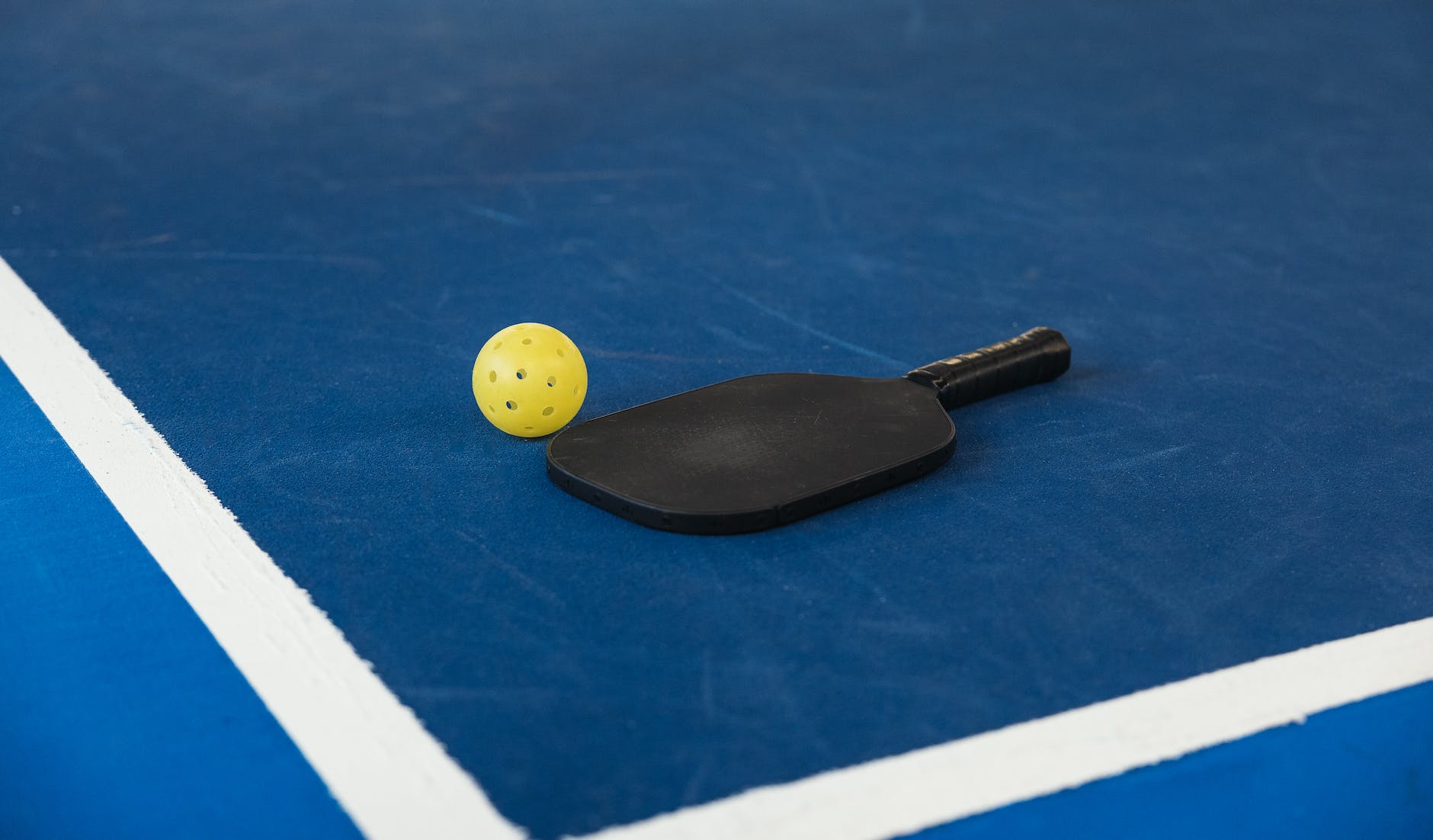
Filling empty big box stores with pickleball

I have tried to track the problems created by vacant big box stores in the suburbs, including having empty former grocery stores and putting COVID vaccine centers in those spaces. Some communities now find pickleball can make use of big box spaces and possibly generate revenue:
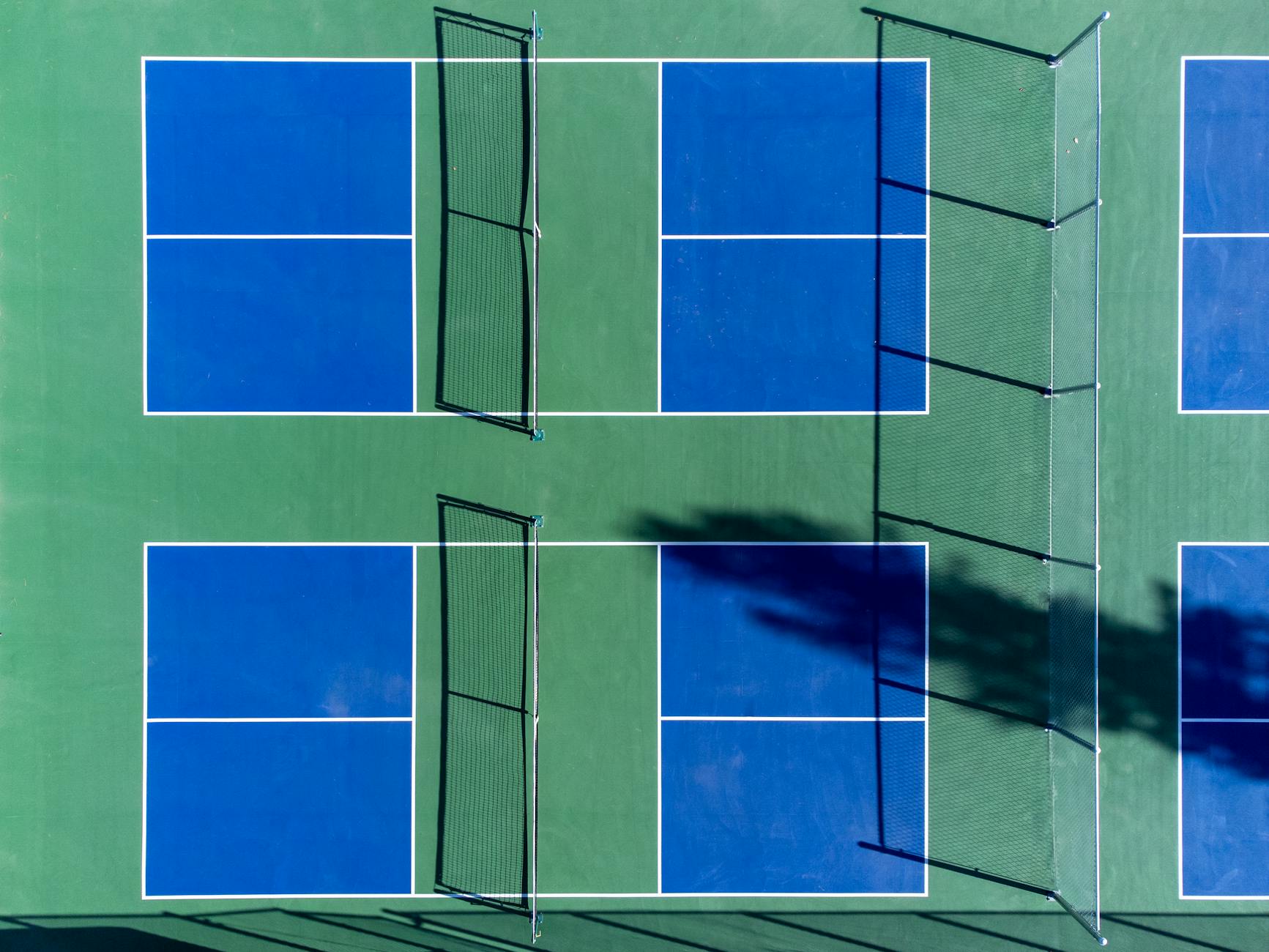
Photo by Frank Schrader on Pexels.com

When big-box stores like Toys R Us or Buy Buy Baby close, they leave behind tens of thousands of empty square feet — spaces that can be difficult to fill.

Finding new tenants for these massive spaces is no small task. But one unlikely contender, pickleball — among the nation’s fastest-growing sports — is breathing new life into these cavernous retail spaces.

From Vernon Hills to Batavia, commercial indoor courts are opening at a steady clip, bringing renewed energy, foot traffic, and consumer spending to shopping centers facing an uncertain future…

Retail market experts believe repurposing vacant big-box stores as indoor pickleball facilities is a smart business move. These spaces offer high ceilings, ample parking, and central locations. For pickleball chains seeking an affordable 40,000- to 50,000-square-foot space, these vacant stores provide an ideal solution…

One key concern is tax revenue. Unless the facility also sells equipment, apparel, or food and beverages, the host municipality won’t see much financial benefit from sales tax, leaving a gap that traditional retail stores typically fill.

Vacancies are bad for multiple reasons. They sit empty, suggesting there is no demand for space in the community. They may attract undesirable activities. They are not generating revenue. The buildings and parking lots may not be kept up to the same level of open stores.

Filling vacancies, therefore, is important. Anything using the space broadcasts activity and suggests a more vibrant community.

But also important is the need for revenue. Spaces in suburbs designated for commercial use are intended to help provide tax dollars to be spent on local priorities. If these spaces are not generating revenue, might they be better used for housing or community spaces or recreation use?

From the article, it is less clear about whether pickleball facilities can provide the tax revenues suburbs might hope for. Is there a point where suburbs might be unhappy with pickleball there, even if they do address the vacancy issues?
Who can use space in the United States? FOIAed emails and pickleball

One journalist finds in emails that there is a lot of reaction to pickleball in American communities as well as concerted efforts by pickleball enthusiasts to play:

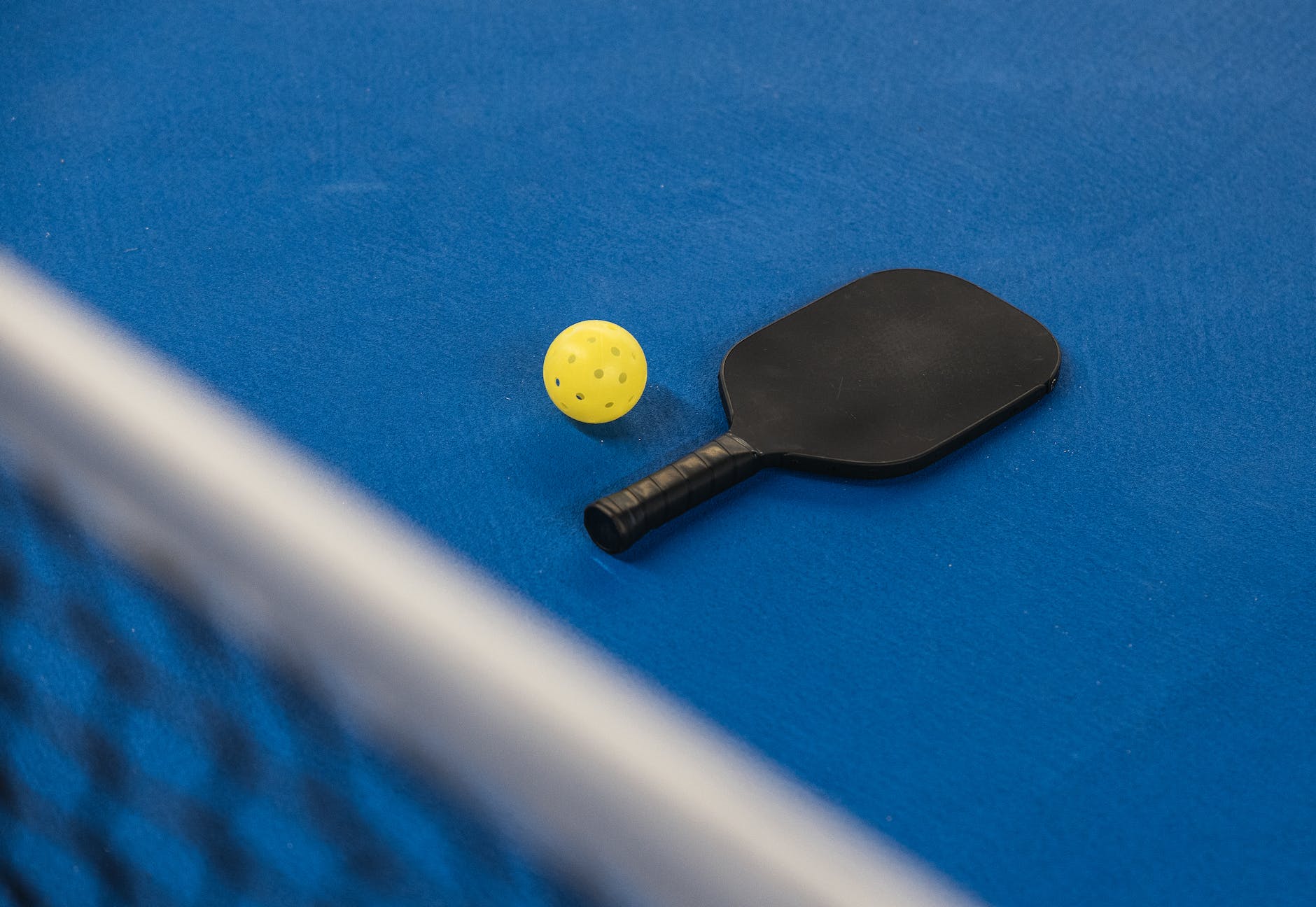
Photo by Mason Tuttle on Pexels.com

“I live near a paddle tennis court, which is basically tennis but on a small court. And at these courts, I saw this big sign that said, ‘Pickleball players, go home’ or ‘Pickleball was not welcome here.’ And I was like, What is going on? What happened was that pickleball players were sneaking onto the courts when they were open and playing pickleball when this was supposed to be a court for paddle tennis only,” Koebler said. “When I saw that sign, I was like, I bet these people are complaining to the government about the pickleball people.”

It turns out that these people were complaining. A lot. And not just in Koebler’s neighborhood. The city of Dallas told him that it had more than 100,000 emails mentioning the word pickleball. They couldn’t even begin to forward them all. The city of Fort Lauderdale said it would need $10,000 to produce all of its pickleball discourse.

These emails are about who can take up public space, and whether pickleballers are taking up too much of it. And if you’re thinking, Who cares?, Koebler says that the fight over who can take up space in this country—it’s kind of at the heart of the whole American project…

I’m going to generalize here and stereotype. But pickleball players are far more organized than other players of other sports, based on thousands of emails that I read. There are these people in city after city who are “pickleball ambassadors.” And they are given a tool kit from this group called USA Pickleball about how to talk to local government to gain access to more public spaces. And USA Pickleball’s strategy is to try to convince city council or the parks department or your local politician to build new pickleball courts. But because of this NIMBY aspect where homeowners don’t want pickleball in their backyard, it’s really hard to build new pickleball courts in certain places. And so what is happening is pickleball players have to use already-existing public infrastructure. This means basketball courts, hockey courts, tennis courts, of course. And if there’s a permitting system, they’re organized and they make sure to book out all of the permits. If there is not a permitting system, I saw emails where it’s like, I will bring my net for crack of dawn to the tennis court and set up my pickleball net. And then we will play in shifts all day so that we keep the court and the tennis players can’t get on here.

I am not surprised property values are mentioned in this interview. The sound and activity on pickleball courts can be a threat to a quiet residential existence.

I am surprised that taxes did not come up in the conversation. Americans pay property taxes to local government bodies that, among other things, build and maintain parks and public spaces. Homeowners, renters, and businesses contribute these taxes. They can all make requests or demands about how this public space is used. In this case, there is a limited public good – courts where people can play tennis or pickleball or in engage in other activity – and people could claim they are paying to provide space for the activity they want to pursue.

Given how American space is used, is this a zero-sum game: if pickleball players play, does that mean other sports must lose? Can tennis courts and pickleball courts stand side by side and be available to players of each sport? Will private pickleball facilities or clubs help alleviate these issues?

Turning empty big box stores into pickleball facilities

More suburbs could empty big box stores turned into indoor pickleball facilities:

Photo by Anna Tarazevich on Pexels.com

The Picklr, which has seven corporate-owned facilities, is accelerating its franchising and plans 80 facilities in 11 states including Illinois as the first wave of a major expansion…

The company plans to repurpose vacant big-box retail spaces in Mundelein, Naperville and Villa Park with openings anticipated in December.

Nine courts are planned in Naperville with eight each in Mundelein and Villa Park as the first entries in the Midwest.

The 80 planned facilities are being pursued by 13 new franchisees in the first part of the expansion. More than 300 locations across the U.S. are envisioned, according to Schubiger…

Among them are Sure Shot Pickleball, which debuted Sunday with 11 courts in Naperville, and Pickle Haus, a pickleball-themed restaurant set to open in November with 12 courts in Algonquin. In Vernon Hills, final approval is expected today for PickleMall Inc. to renovate the former Toys R Us a

Large vacant buildings, particularly big box stores, are a problem for suburban communities. When they are empty, they are not bringing in sales tax revenues. Empty storefronts give the impression that there is a lack of interest and activity in the community. It can be hard to find new tenants for existing properties when building a new structure is a cheap option.

Bringing in pickleball could help address these problems. The building is kept up. It can bring people in and out of the building. Pickleball is on the rise and can bring new energy to an older structure. New revenues might be generated.

Is a pickleball facility on par with the large-scale retail efforts that generated lots of tax revenues? Maybe not but the alternative of empty big box stores is not desirable.

New York Times finds more suburbanites complaining about pickleball noise

Pickleball produces noise and some suburbanites across the country are not happy about it:

Photo by Mason Tuttle on Pexels.com

Sports can produce all kinds of unpleasant noises: referees’ whistles, rancorous boos, vuvuzelas. But the most grating and disruptive sound in the entire athletic ecosystem right now may be the staccato pop-pop-pop emanating from America’s rapidly multiplying pickleball courts.

The sound has brought on a nationwide scourge of frayed nerves and unneighborly clashes — and those, in turn, have elicited petitions and calls to the police and last-ditch lawsuits aimed at the local parks, private clubs and homeowners associations that rushed to open courts during the sport’s recent boom.

The hubbub has given new meaning to the phrase racket sport, testing the sanity of anyone within earshot of a game.

People from a number of communities are interviewed about the noise. The suburbs figure prominently in this list of the communities cited:

-Arlington, VA: suburb of Washington, D.C.

-Wellesley, MA: suburb of Boston

-York, ME: suburb of Portland

-Scottsdale, AZ: suburb of Phoenix

-Longboat Key, FL: suburb of Sarasota

-West Linn, OR: suburb of Portland

-Falmouth, MA: in the Barnstable Town MSA

Is this a primarily suburban problem? It may not be exclusive to suburbs – see this earlier post about noise complaints in Chicago – but pickleball is growing in popularity among suburbanites and suburbs have a lot of single-family homes whose owners do not appreciate noises or other threats to their private lives.

Will this continue to be a suburb-by-suburb problem, is there a solution that can be effective across suburbs, and/or will this problem spread to kinds of American communities?

Hoping to revive shopping malls with pickleball

Could indoor pickleball courts save a depressed shopping mall near you?

Photo by Mason Tuttle on Pexels.com

The game, a mixture of tennis, badminton and pingpong, is the fastest-growing sport in America, but it requires a large court and finding space to play has become a problem.

Enter Pickleball America, which is building an 80,000-square-foot pickleball court in what used to be a two-story Saks OFF 5th at the Stamford Town Center in Connecticut.

The group is also looking at transforming other retail spaces in New Hampshire and New Jersey.

The idea seems a perfect marriage for a sport that needs massive spaces and a dying form of retail business replaced by online shopping...

“The mall just needed little bit of a boost, so with the idea of the space, it was a perfect fit,” said Pickleball America co-owner Jay Waldner of the 28-court Stamford facility. Waldner also said pickleball at the mall could annually attract 500,000 players, who could also shop during their visits.

Come play a game of pickleball and then stick around the mall for a bite, entertainment, and then a return to a nearby residence. Shopping may or may not be part of a regular trip.

I assume this new pickleball space is a for-profit enterprise. Do Americans want to pay to play pickleball or would they prefer local park districts pick up the bill for these courts? Is the indoor court enough to entice people to play? Residents may prefer that pickleball noise is contained to an indoor space at a shopping mall.

Which shopping malls could support a large pickleball facility? It is not a surprise to see this attempted in wealthier suburban communities.

Suburbanites who dread the “pop pop pop” of pickleball

Some suburban residents who live next to pickleball courts have concerns about the noise:

Photo by Ono Kosuki on Pexels.com

While the noise isn’t as much of an issue with indoor courts and outdoor courts away from residential neighborhoods, it’s become a nuisance for folks like Matulyauskas, who lives within yards of a converted tennis court at Abbeywood Park in Lisle…

There are websites and online forums dedicated to pickleball noise, and decibel meters are keeping tabs on “pop pop pop” levels from coast to coast.

Legal action to stop the noise is ongoing in communities from Arlington, Virginia, to Phoenix, Arizona…

In response, the park district installed Acoustifence soundproofing panels to mitigate the sound…

The Naperville Park District is investing more than $500,000 in new pickleball courts at the Frontier Sports Complex. To deaden the noise, officials there also installed natural buffers such as vegetation, berms and fencing.

The pickleball craze continues…and attracts detractors.

Suburbanites often express concerns about noise regarding nearby land uses or proposed development. This can range from traffic noise to school noise to loud music to firework use during what they think should be quieter hours. The assumption is that life among single-family homes is supposed to be quiet.

Generally, suburbanites would see parks as amenities. They provide green space and recreational options. But, perhaps many would not want to live right next to one? Being near a park could include noise from playgrounds, ball games, pools, mowers, and more. The communities discussed above tried different options, like sound-dampening surfaces or particular hours for play.

As another park noise example, I was surprised not only to see a new basketball court recently but also to note how close the court was to nearby homes. The sound of bouncing basketballs can reverberate on exterior surfaces, plus whatever additional noise is generated by people playing.

Neighbors fighting over the presence of pickleball at the local park

I am convinced many communities do not want basketball courts in their parks. Perhaps some also do not want pickleball, a growing sport? An example from Chicago:

Photo by Digital Buggu on Pexels.com

Disgruntled residents unhappy with the noise and the pickleball takeover of the “unique wide-open blacktop area” launched a petition to boot pickleball from the park and restore it to “a safe and open space for kids to play in Lincoln Park,” according to the petition which has garnered more than 780 signatures…

“The confrontations, complaints and frustrations are a direct result of this dishonest and unethical action,” wrote Leslie Miller, who started the anti-pickleball petition, in a March 10 update on the online petition. “Moreover, this dispute has created an atmosphere of tension and unpredictability that feels unsafe for children.”

Pickleball players have countered with their own petition in support of the game, which has attracted nearly 700 signatures so far. Myers said issues with pickleball at the park seem to stem from wanting control, and he can understand some of the counter pickleball points, such as the noise complaints, but not necessarily agree with them…

In a statement Tuesday, the Park District said it “is committed to balancing the needs and interests of the community surrounding Bauler Park. The district recently implemented a plan to dedicate space for pickleball at Bauler Park, Monday through Friday from 10 a.m. to 2 p.m. With the exception of these designated times, the space will remain open for other recreational activities during normal park hours. The Park District will continue to work with the community to identify additional locations to support the sport.”

These concerns are many of the same ones neighbors fight over in neighborhoods and communities across the United States. Who gets to control the use of the property? What land uses are desirable? What about the children? Is there too much noise? The only two common ones missing: any concerns about water (do pickleball courts contribute to water runoff, particularly compared to play areas for kids?) and property values.

On the other hand, it is good that people are using the park and are engaged with its use. Given all of the possible activities residents might want to do in the park, balancing all of these interests can be tricky. Do all parks have to offer certain amenities? How far are people willing to go to find their preferred activity? What should be left to the private sector.

Given the relatively recent rise of pickleball, perhaps this will all die down soon. Or, perhaps this fight is coming to many parks across the country as more established uses give way to more recent trends.

The factors behind the spread of suburban pickleball courts

Pickleball is increasingly popular in the United States and the game has also spread through the Chicago suburbs:

Photo by Raj Tatavarthy on Pexels.com

Bill and Linda Graba of Hoffman Estates are widely considered to be the godparents of pickleball in the Northwest suburbs. They picked up the game after retiring to The Villages in central Florida, where they spend their winters…

Graba said he and his wife started promoting the game locally in about 2009. They helped get indoor courts at what was then known as the Prairie Stone Sports & Wellness Center in Hoffman Estates and outdoor courts at Fabbrini Park in Hoffman Estates. For the past 10 years, they’ve organized a six-county tournament that brings in about 200 participants.

Graba said public outdoor courts are popping up throughout the suburbs, including Palatine, Schaumburg, Streamwood, Hanover Park and St. Charles.

“It’s basically all over every suburb,” Graba said. “If they haven’t had them in the past, people are asking and they will have them soon.”

This seems ripe for some analysis at the community level:

  1. In what communities are pickleball courts showing up?
  2. What are some of the common processes by which pickleball courts come into existence? Who is asking for courts and who is building them? For example, are park districts primarily funding these?
  3. The space and resources for pickleball courts is coming from where? Is this about the transformation of tennis courts or are other spaces being used?

I suspect there are some patterns to who is playing, where they are playing, and how the game is spreading. As the game spreads, there could also be some change to the answers to these questions.