What society defines as “sinful” and ranking the most sinful cities

A recent Wallethub list of the “most sinful cities in America” is built on this definition of sin:
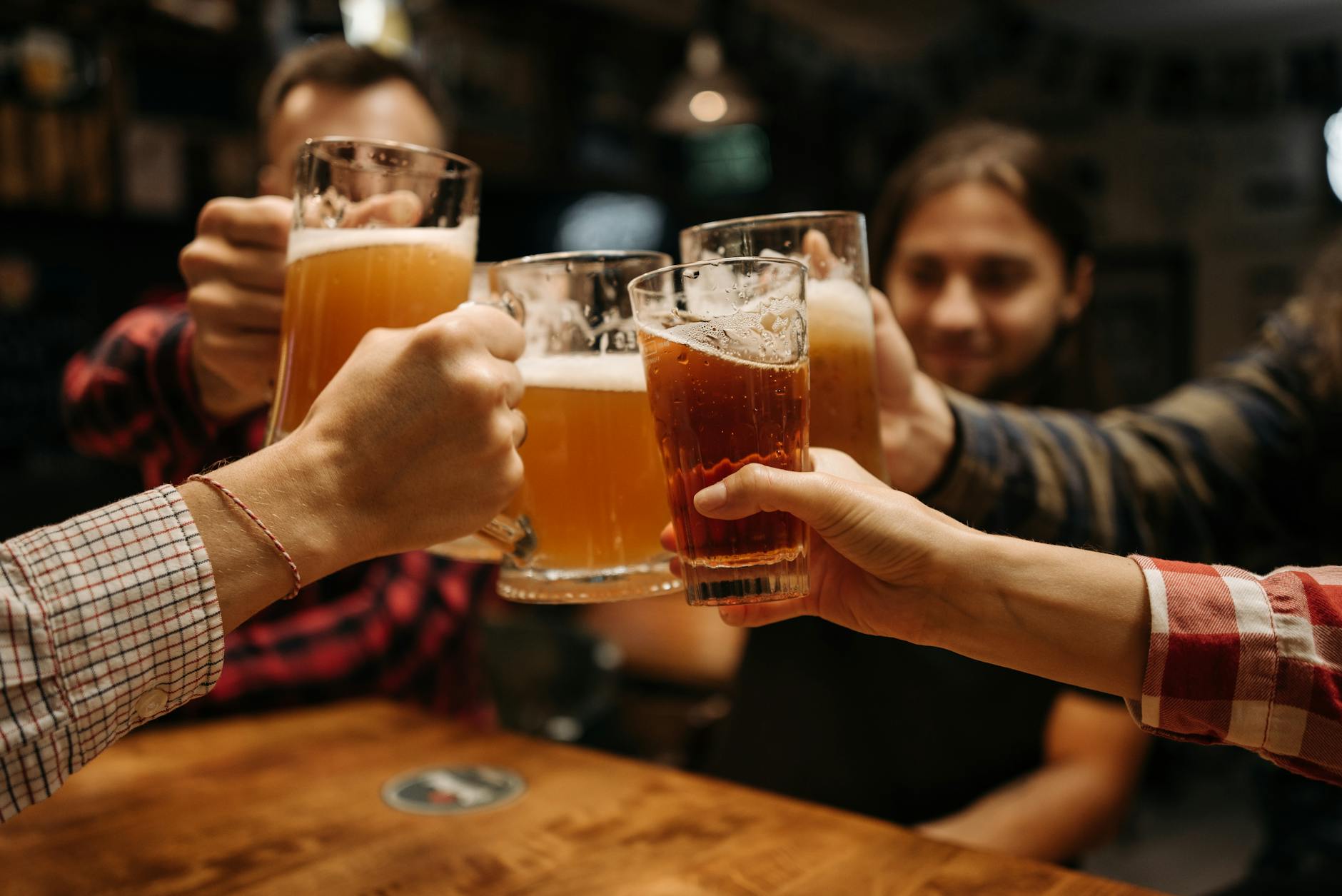
Photo by Pavel Danilyuk on Pexels.com

“Regardless of any particular religious tenets, certain activities are considered ‘sinful’ by society as a whole. Sometimes, these activities are always bad, like violent crimes or identity theft. In other cases, they may be relatively harmless in moderation but incredibly destructive when not kept under control, such as alcohol use or gambling. The most sinful cities are those where illicit activities and vices alike are the most widespread.” – Chip Lupo, WalletHub Analyst…

To determine the most sinful cities in America, WalletHub compared 182 cities — including the 150 most populated U.S. cities, plus at least two of the most populated cities in each state — across seven key dimensions: 1) Anger & Hatred, 2) Jealousy, 3) Excesses & Vices, 4) Greed, 5) Lust, 6) Vanity and 7) Laziness.

We examined those dimensions using 37 relevant metrics listed below with their corresponding weights. Each metric was graded on a 100-point scale, with a score of 100 representing the highest level of sinfulness.

I find intriguing the idea that sins as defined by American society are less about religious traditions and more about social constructions of sin. Where do these ideas about sin come from and who defines them? The seven categories seem like they could match up with the traditional seven deadly sins.

If Americans see a list about sins, how many connect that to a religious meaning rather than a social meaning? If Americans grow up loosely connected to religion or are not connected at all, how do they learn about sin? Perhaps sin is more like modern capitalism which sociologist Max Weber argued lost it religious motivations and meanings decades ago. Are these measures good proxies for secularized sins?

Looking at the list of cities, some would not be a surprise. Others might be. For example, a number of cities in what would be considered the Bible Belt make the top 10. There are also some cities that some Americans might assume are higher than they are (Washington, D.C., at #35 and San Francisco at #42, for two examples).

Argument: McMansions contribute to excessive American pride, sin

Here is a post-election argument that McMansions fed into the problem of American pride:

But along with all of the goods we manufactured and skyscrapers we erected, we cultivated immense pride—a pride that overfocused us on the material rather than the spiritual aspects of prosperity (to do for others) and freedom (to live for others) and military might (to defend ourselves and others). When we overtipped the scales and became weighed down with McMansions we neither needed (with our 2.5 children) nor could really afford, when we began to manipulate the stock market, when we began to make war with drones and shrug off human life as “collateral damage” we justified it by saying we were the greatest nation the world had ever seen; exceptional and indispensible.

The typical moral argument against McMansions (see here) doesn’t usually delve into the idea of spiritual sin. Is the main sin that Americans built such homes (degrading the environment as well as relationships with neighbors and communities), that Americans were too proud of such homes (which are intended to impress and opponents say are too garish), or that Americans saw the homes, and by extension the country that made it possible, as something to be idolized?

Thinking beyond McMansions, what homes then are more moral? Tiny houses? Not-So-Big houses? New Urbanist homes and neighborhoods? Green homes?

When religious faith and unions come together

Even though unions represent a relatively small percent of today’s American workers, they tend to draw a lot of attention. A story from the Chicago Tribune adds another dimension to the discussion: what happens when unions and faith mix?

Faith and work are inextricably linked for most of the working class, said Bob Bruno, director of the Labor Education Program at the University of Illinois at Chicago.

“For a lot of these folks, if a business doesn’t provide health care, it could be characterized as not taking care of the stranger on the road. It’s a sin,” said Bruno, who interviewed hundreds of low-wage workers in Chicago for his 2008 book, “Justified by Work: Identity and the Meaning of Faith in Chicago’s Working-Class Churches.”

About 91 percent of union members believe in God, and 25 percent pray several times a day, Bruno found in a survey of union members he conducted from 2005 to 2006. Eighty percent believe God performs miracles in the world today…

Organizations like Interfaith Worker Justice work to close the gap between low-wage workers, who tend to have a more emotional connection to their faith, and corporate executives, who, he said, have been found to see religion more intellectually.

“They try to bring the argument to the modern-day pharaohs,” he said. “‘Hey, you claim to be Christian, you claim to be a Jew, you claim to be Muslim, why are you treating your people this way? You can’t hide behind your glass office.'”

This immediately brings several questions to mind:

1. What percentage of union actions or labor strikes are motivated by religious values? In other words, how often are unions motivated by religion versus other motivations?

2. What happens when a union makes a religious argument to corporate executives? Do the corporations just ignore this part of the argument? What happens when the executive or the company is also religious – does this lead to a different corporate response?

3. How would a typical evangelical, one that lives in the suburbs, works in a non-blue collar job, and is conservative, respond to these arguments? Can corporations sin? Should or can unions be making these arguments?