
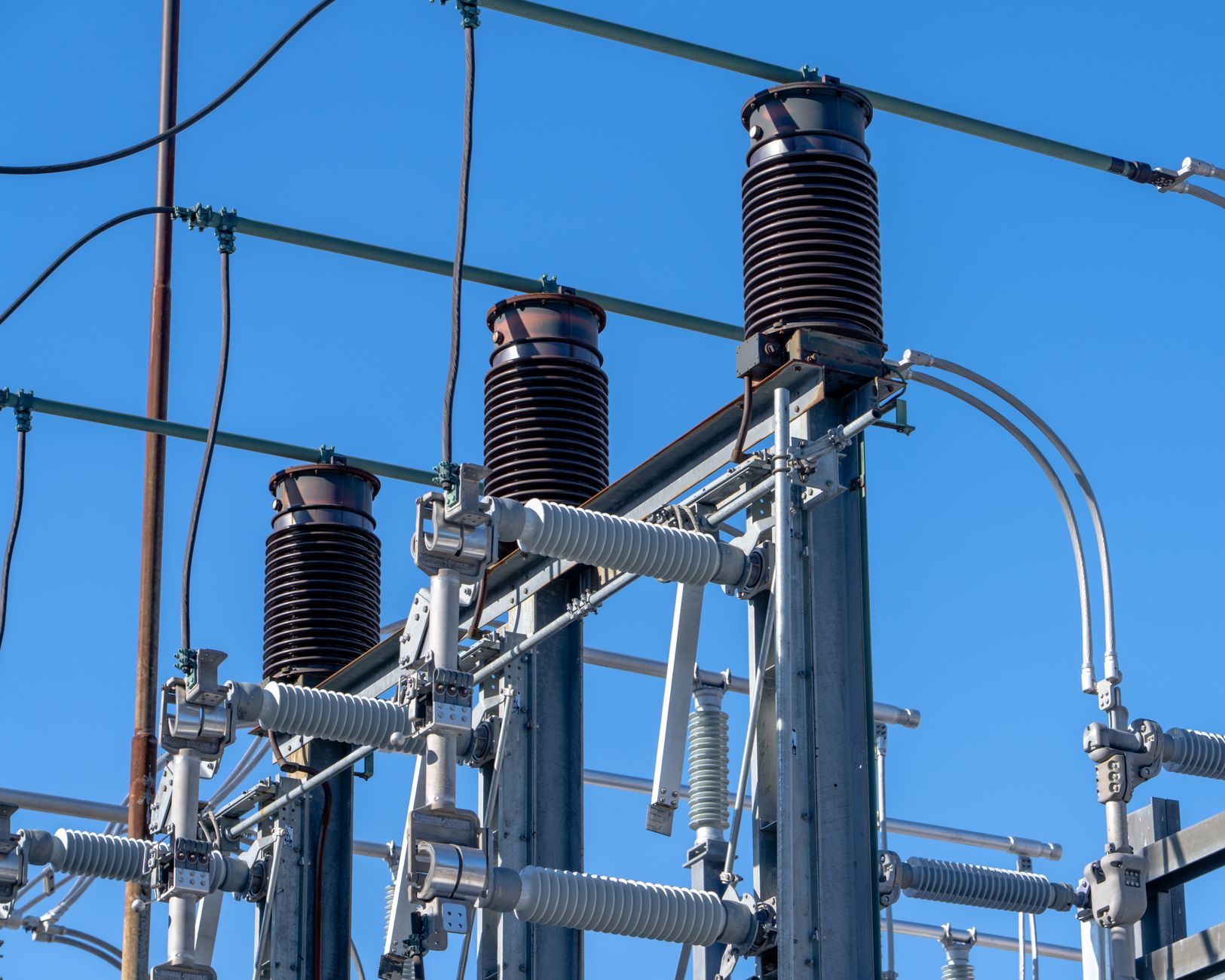
Driscoll, a Lakeview resident for more than half a century, is among thousands of locals caught up in a bitter fight over ComEd’s plans to build an electrical substation at 1111 W. Diversey Parkway. The utility maintains that the site is the best available option for equipment necessary to protect the area from blackouts and brownouts, while opponents argue the land should be used for housing instead.
But the monthslong dispute has devolved into a battle of competing narratives, with residents accusing ComEd of dishonesty and the utility insisting their critics misunderstand the project. For Driscoll, who belongs to the Diversey Community Coalition, or DCC, the stakes extend far beyond electrical infrastructure.
The coalition, a grassroots group formed earlier this year, has rallied more than a thousand residents against the substation. Rejecting the label of NIMBYism is central to the DCC’s identity, with members instead embracing a term of their own: THIMBYism, or “Transit-oriented Housing In My Backyard.”…
As the coalition tells it, the property could accommodate upwards of 200 apartments that house more than 450 people, including dozens of affordable units. Based on those estimates, the DCC says the development would generate another $5 million in annual neighborhood spending.
The pitch appears to be that they don’t want dangerous infrastructure in their neighborhood – and they proposed multiple alternative sites – but the group does want housing.
Many communities could benefit from housing, particularly if it is located near transportation options and corridors. Infrastructure also needs to be located somewhere and Comed already owns this land.
Is what unites NIMBY, YIMBY, or THIMBY the idea that local residents and/or leaders get to decide how land is used? And when these acronyms are connected to the efforts of wealthier communities, like Lincoln Park, it is a reminder of how development decisions are made.
It is too bad we don’t get parallel universes here that would let us see how different scenarios play out. Let’s say the substation gets moved; what does it then look like in the community with all the work it would take to approve transit-oriented development? Or if the substation is constructed, what happens next to promote housing in the community? Rallying against an undesirable land use might motivate neighbors but sustaining long-term community involvement to construct housing is a long-term project.

