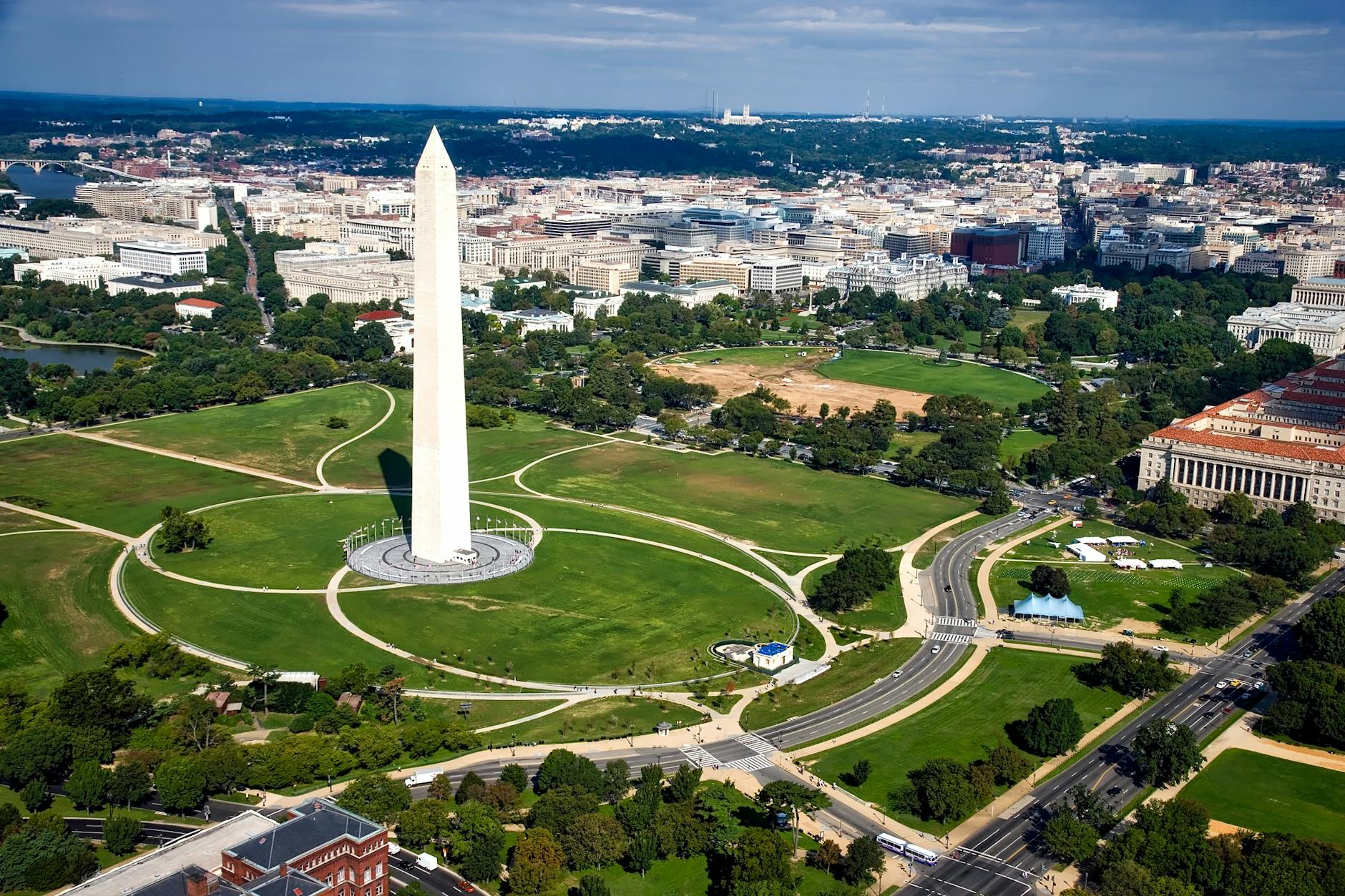
An April study by the Chamber of Commerce, a real estate research company, named D.C. the loneliest city in America, based on Census Bureau data showing that 48.6 percent of households in the city consist of just one person, the highest share of any city with a population of at least 150,000. Nationwide, the study said, solo living has increased as people wait longer for marriage and children, and the covid pandemic accelerated the trend.
Three thoughts (and questions) in response:
It is interesting that the original study framed this as about “loneliness.” Does this match with the experiences of the residents who may choose to live in a single-person household?
If the problem is indeed loneliness, then the solution presented here involves co-housing opportunities. Who are these housing opportunities available to and who are they not available to? Who will end up living in these spaces?
Is there a tipping point where the percent of single-person household has particular effects on local community life? Washington is at the top of the list but it is very close to the number 2 city (Birmingham).
One of the proposals would forbid Washington’s local government from banning right turns at red lights. Another would do away with the automated traffic-enforcement cameras that ticket D.C. drivers for speeding, blowing stop signs and other violations.
The provisions are not just a case of earnest traffic-engineering wonkery sneaking into Congressional oversight. They represent a culture-war cause just as real as D.C.’s needle-exchange efforts or mask mandates, two other targets of current GOP riders. At the core of it is the politically revealing question of cars versus other ways of getting around.
In blue cities across the country, local road policy in the past decade has been tweaked in the name of making things safer and more enticing for non-drivers — often by making things slower and more annoying for motorists…
In a polarized country, it was inevitable that this would become more than just a disagreement over traffic circulation and moving violations. After all, the 21st century push to promote alternative modes of transportation cites a Democratic-coded cause (climate change) to promote ways of getting around (by foot, bike, bus, or subway) that are a lot more convenient in dense blue cities.
On the right, for more than a decade, there’s been a refrain about the “war on cars” right alongside the war on Christmas. “There is a loud constituency that does not want you to drive your car,” said Jay Beeber, executive director for policy at the National Motorists Association, which has championed the measures dictating Washington policy. “A lot of this is virtue signaling.”
Four thoughts:
Is it “inevitable” that this would become a culture war issue? I am sure there is an interesting history in here. Does this go back to seat belt laws? Speed limits on highways set in the 1970s?
It is relatively easy to break this down into cities versus other areas. What about groups or political discussions in between such as suburbs promoting more walkability and bicycling, small towns and rural areas trying to lessen dependence on cars, and regions emphasizing different transportation policies? Are there Republicans for different road policies and Democrats for more driving?
The interplay between federal and local policies is worth paying attention to. Americans tend to like local government oversight of local issues. Do Americans tend to think the federal government does too much regarding traffic policies or not enough?
Where does this issue rank in the range of culture war issues? Is this more like a proxy war or the big issue? Americans like driving so this could get at core concerns about American ways of life.
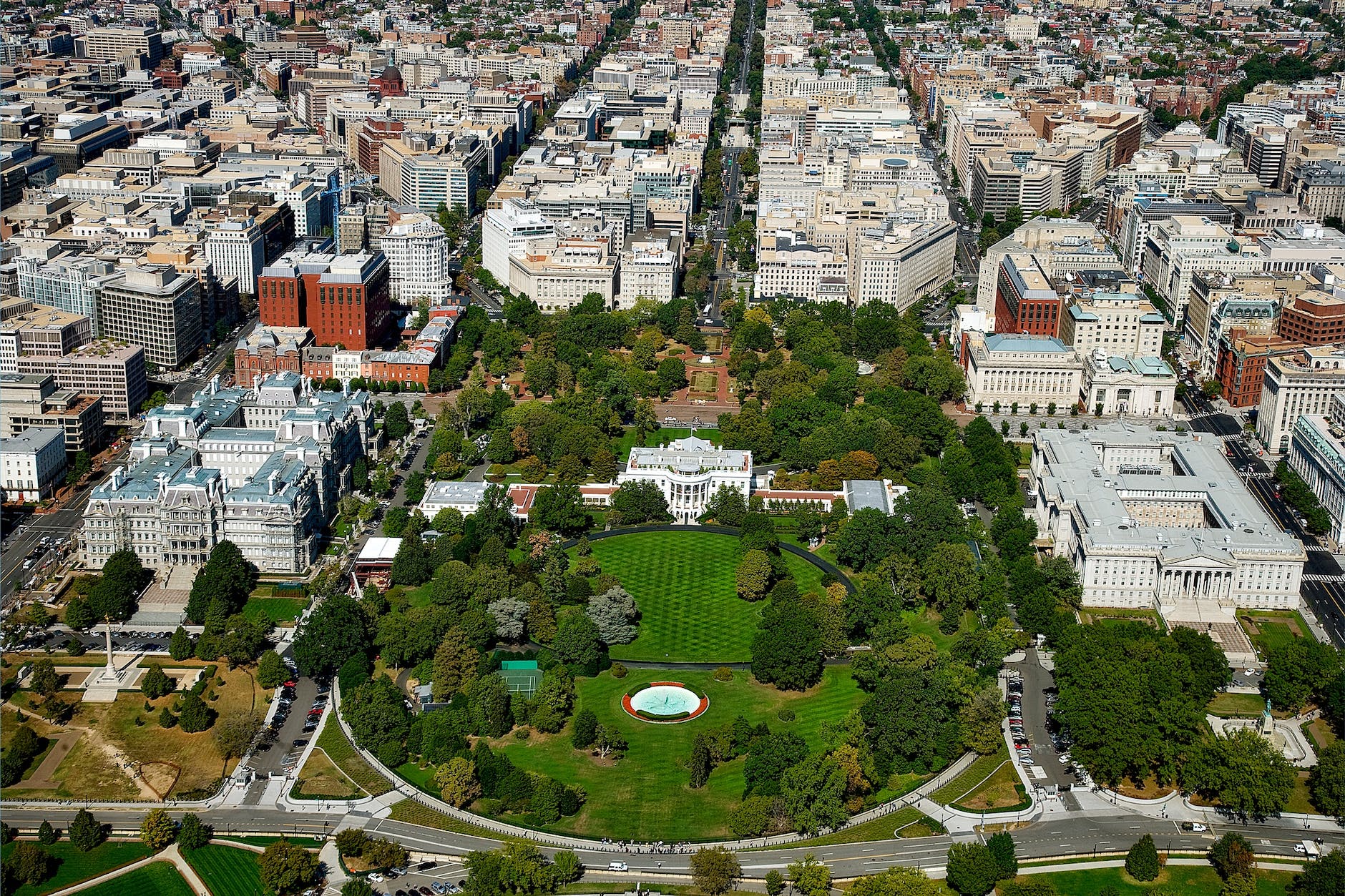
Many previous presidents, especially Republicans, have long used Washington as a metaphor for all that is wrong with America. The city is an easy target in many federal campaigns, from both parties. And for all their efforts to get to the city as president, many commanders in chief often seem desperate to leave whenever they can. Franklin Roosevelt spent long periods at Warm Springs in Georgia, where he’d ease lifelong physical repercussions from polio and at his home at Hyde Park, New York. Lyndon Johnson and George W. Bush were always keen to swap the White House for their Texas ranches.
Trump made little effort to embrace the town, getting out to play golf at his course in Virginia or heading to his properties in Florida and New Jersey. Biden spends most weekends in his beloved Delaware. But Barack Obama bucked the trend, becoming the rare president to set up home in the capital after his tenure ended instead of returning to his previous adopted hometown, Chicago.
Some presidents have tried to treat DC like home while in office. Theodore Roosevelt went rock climbing in Rock Creek Park, and decades later, Ronald Reagan saddled up to burnish his cowboy persona and went horse riding there. Abraham Lincoln used to escape the swampy summers to a cottage in Northwest DC where he’d also visit with wounded Civil War soldiers. And of course, he went to the theater at least once, with tragic results. John Kennedy and Richard Nixon, who served as naval officers, loved to take the presidential yacht, the USS Sequoia, down the Potomac River. The vessel was decommissioned by Jimmy Carter, a former submariner who was perhaps more comfortable beneath the waves…
Presidents have also often ventured out of the White House for refreshment. Ulysses S. Grant, Andrew Johnson, Grover Cleveland, Theodore Roosevelt and Warren Harding are all said to have patronized Old Ebbitt Grill, which is open still just around the corner. During the Clinton and Obama administrations it was not unusual to see the presidential motorcade idling outside some of the city’s top restaurants in Georgetown and downtown. Trump, however, rarely went anywhere to socialize apart from his former hotel on Pennsylvania Avenue, whose bars and restaurants became a hot spot for administration officials and Trump-world figures like Rudy Giuliani and a must-see for MAGA tourists in the capital.
Americans as a whole have concerns about big cities. The country has a majority suburban population and often associates cities with particular opportunities and issues.
And the United States has a unique capital arrangement in that the country’s largest city – New York City, the #1 ranked global city – is not the political center. Originally, the city sat between the northern and southern portions of the first states. It was founded after a number of other cities. It could become a political center even as it embodied characteristics of other American cities.
In looking at the list of facilities in the presidential library system, few are located in the biggest cities in the United States. Some are in smaller big cities while more recent facilities are in big cities. Perhaps presidents as a group have not been urban dwellers – and this should not be too surprising given that the United States has never had a majority of its residents living in the biggest cities.
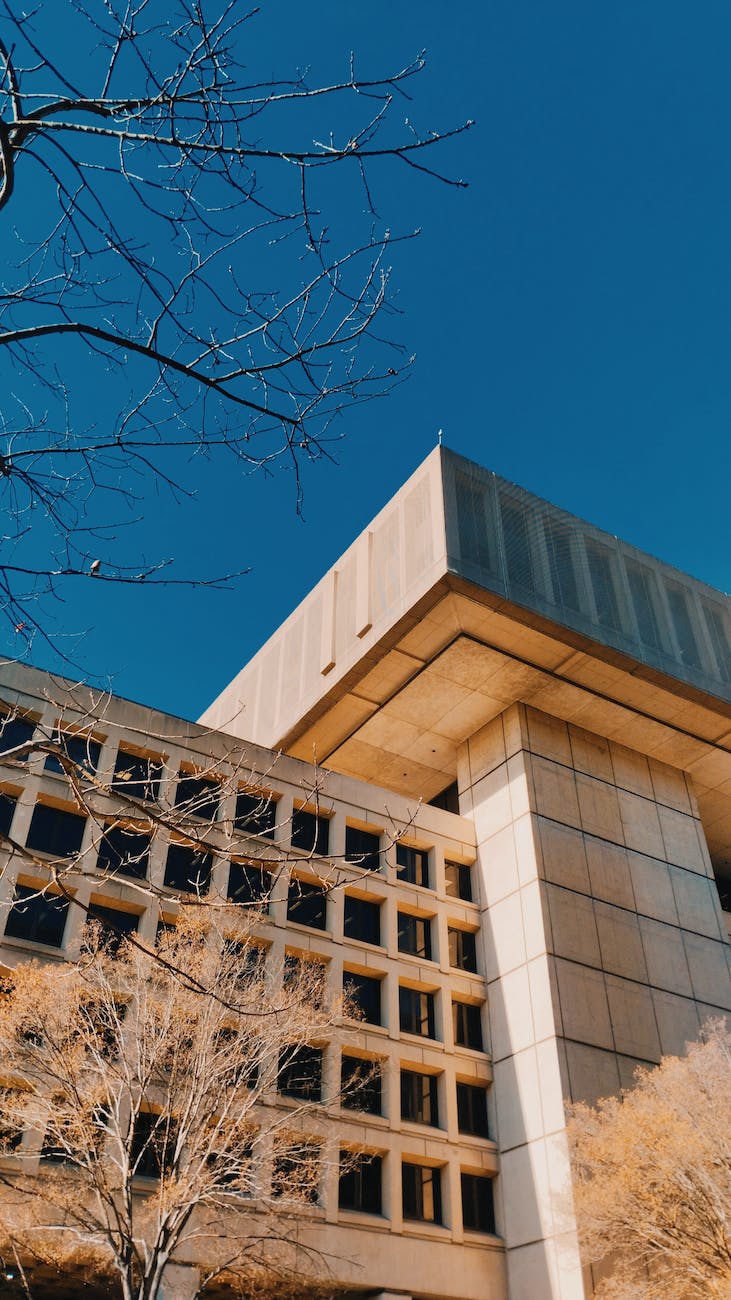
The process of selecting a site for a gleaming, modern, suburban campus–style headquarters—one that could host roughly 8,000 FBI employees—began in President Obama’s first term. There was a four-year interruption during the Trump administration, but then the plan got back on track. With a final decision looming, elbows have gotten a lot sharper and complaints a lot louder.
To many of the aides and politicians involved, the end can’t come soon enough. It’s gotten bitter. The Virginians cite the “raw application of power” by Hoyer and others as the source of the bad feelings. The Marylanders argue that the bad vibes come from the FBI, which they claim has shown favoritism toward Virginia. All Maryland’s delegation is trying to do, they argue, is even the playing field.
The process has also activated deep-seated frustrations from Marylanders about why northern Virginia, which has boomed with corporate relocations and a government-contract explosion in recent decades, gets to have it all, while Prince George’s County—which, they hasten to note, is a majority-Black suburban county in Maryland—seemingly goes overlooked. The Virginians vent that Maryland is desperate and doing whatever it can to work the refs.
What both delegations agree on is that this is a once-in-a-generation contract that could serve as a 50-year anchor for either community, potentially bringing tens of thousands of jobs and billions of dollars to the winner. There are political legacies at stake here. Plus, there’s the CIA angle, which no one can talk about.
In many ways, this sounds like a typical competition between suburbs for a corporate headquarters or a sizable new development. On the line are jobs, status, new buildings, and potentially new residents and businesses who will want to locate nearby.
But, this is also different. The government makes this decision, not a private company. The buildings, jobs, and status may have more staying power because it is backed by the federal government.
When a decision is made, it will be interesting to hear the explanation from the FBI and the federal government on how they made the choice. Are there roughly equal options and a choice had to be made? Or, does the FBI have specific priorities when choosing a suburban community?
At the swearing-in this month for her third term as the District of Columbia’s mayor, Muriel Bowser delivered a surprising inaugural-address ultimatum of sorts to the federal government: Get your employees back to in-person work — or else vacate your lifeless downtown office buildings so we can fill the city with people again…
There are days when downtowns in other American towns can almost look like they did before 2020. In the 9-to-5 core of Washington, though, there’s no mistaking the 2023 reality with the pre-Covid world. Streets are noticeably emptier and businesses scarcer. Crime has ticked up. The city’s remarkable quarter-century run of population growth and economic dynamism and robust tax revenues seems in danger…
According to census data, Washington has the highest work-from-home rate in the country. Week-to-week numbers from the security firm Kastle Systems back this up: The company, whose key fobs are used in office buildings around the country (including the one that houses POLITICO), compiles real-time occupancy data based on card swipes in its 10 largest markets. D.C. is perennially dead last…
To people who depend on commuters’ lunch-hour spending or transit fees, the change is less welcome. According to John Falcicchio, the city’s economic-development boss and Bowser’s chief of staff, the federal government’s 200,000 D.C. jobs represent roughly a quarter of the total employment base; the government also occupies a third of Washington office space — not just the cabinet departments whose ornate headquarters dot Federal Triangle, but plenty of the faceless privately held buildings in the canyons around Farragut Square, too.
On one hand, Washington D.C. is in a unique situation. One employer, the federal government, is responsible for a sizable portion of the local workforce.
On the other hand, this is an issue facing many downtowns. Can asking companies to have workers return or applying threats be successful? Or, is it better to try to offer amenities and encouragements so workers want to return? As a third option, is it time to transition from the decades-long emphasis on commercial downtown space to residences and other uses?
This could be an inflection point for a number of downtowns or it could end up being a version of the same old approach. However, it would not surprise me if the conversation between local politicians and business leaders heats up around this issue.
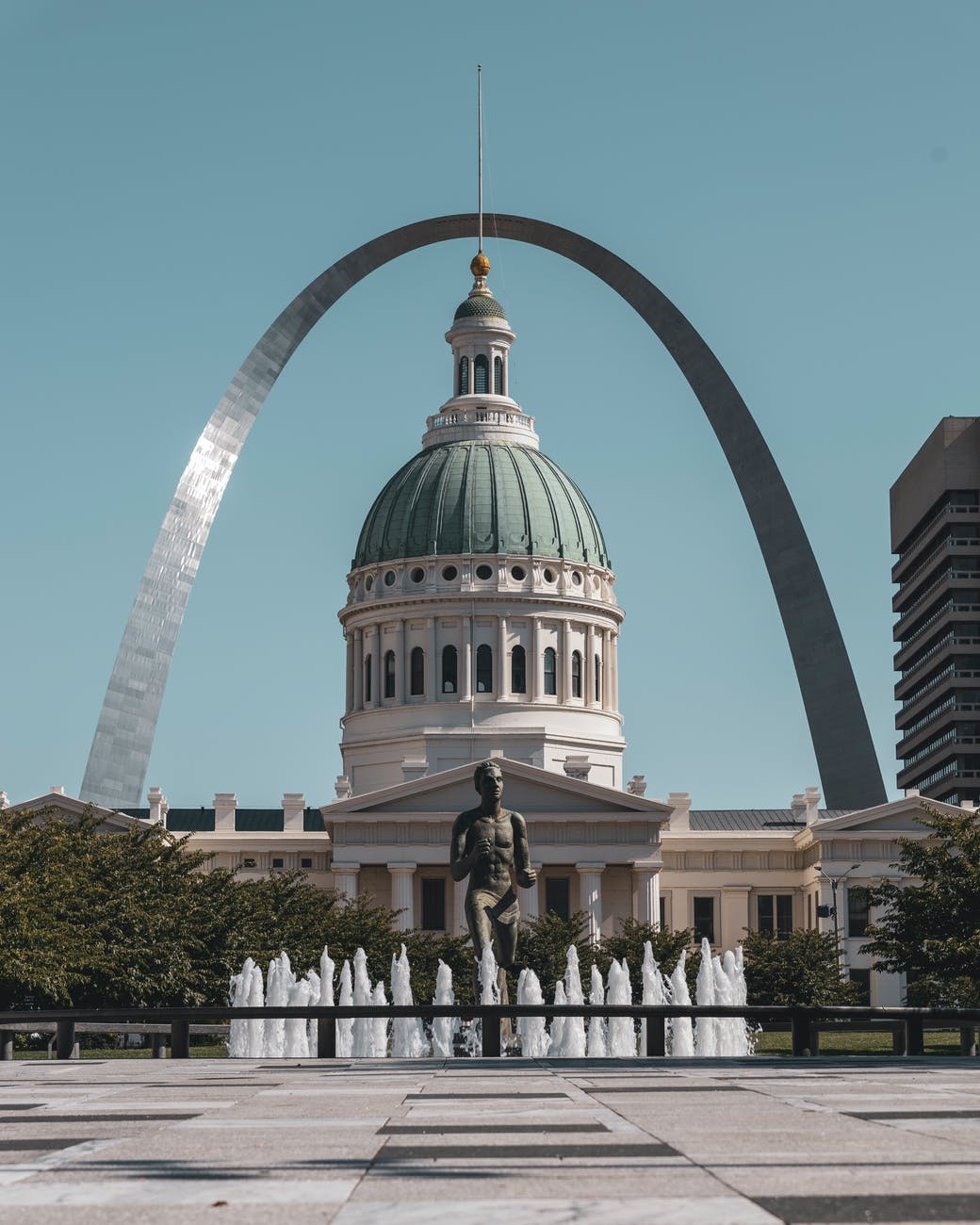
In some ways, Arenson says, St. Louis was at the heart of these questions. Geographically, it was located where North, South and West came together. It had been a slave state, but had not seceded. It was central to many railroad lines. And it was growing at a remarkable place—it would rise from the country’s 24th most populous city in 1840 to the fourth biggest in 1870.
No one was more convinced of the importance of St. Louis than local businessman and booster Logan Uriah Reavis. Reavis was a remarkable man, with a remarkable appearance. He wore a long, messy red beard and walked bent over a cane due to a childhood illness. Born in Illinois in 1831, he failed in his early career as a schoolteacher “when the students ridiculed him ceaselessly,” according to Arenson’s book. In 1866, he arrived in St. Louis intent on starting a newspaper and elevating the image of his adopted hometown.
Reavis wasn’t the first to suggest the city as a new capital for the nation. In 1846, St. Louis newspapers claimed that the move would be necessary to govern a country that grew significantly in size after the end of the Mexican-American War. But Reavis may have been the most outspoken supporter of the cause. He presciently envisioned a United States stretching not just out to California but up to Alaska and down to the Gulf of Mexico. And he saw St. Louis as the obvious place for the government of this mega-United States: “the great vitalizing heart of the Republic.” In contrast, he wrote, Washington was a “distant place on the outskirts of the country, with little power or prestige.”…
In response, between 1867 and 1868, three House representatives from the Midwest proposed resolutions to move the capitol toward the middle of the country. As historian and educational publisher Donald Lankiewicz writes for History Net, the first two of these stalled in the Ways and Means committee. But a third, introduced by Wisconsin Representative Herbert Paine in February 1868, came to a vote on the floor. Eastern congressmen saw the proposal to move the seat of government to somewhere in the “Valley of the Mississippi” as a joke. But it shocked them with the amount of support it received, ultimately failing by a vote of just 77 to 97.
This story sounds very American: local boosters combined with an expanding frontier and disorder after the Civil War to produce a vision for a new capital in a booming city. Even though this did not come to fruition, it sounds like there was a short window in which is could have happened. And then what would have happened to Washington, D.C., one of the most important cities today?
I also cannot help but contrast this to the fate of St. Louis after this era. I recently showed my urban sociology class the documentary The Pruitt-Igoe Myth. This documentary puts the infamous public housing project in the context of a city that peaked in population in 1950, lost residents in white flight, and is racially segregated. Add this to the competition with Chicago for the center of the Midwest and St. Louis might be a great story of a city that did not live up to its lofty dreams.
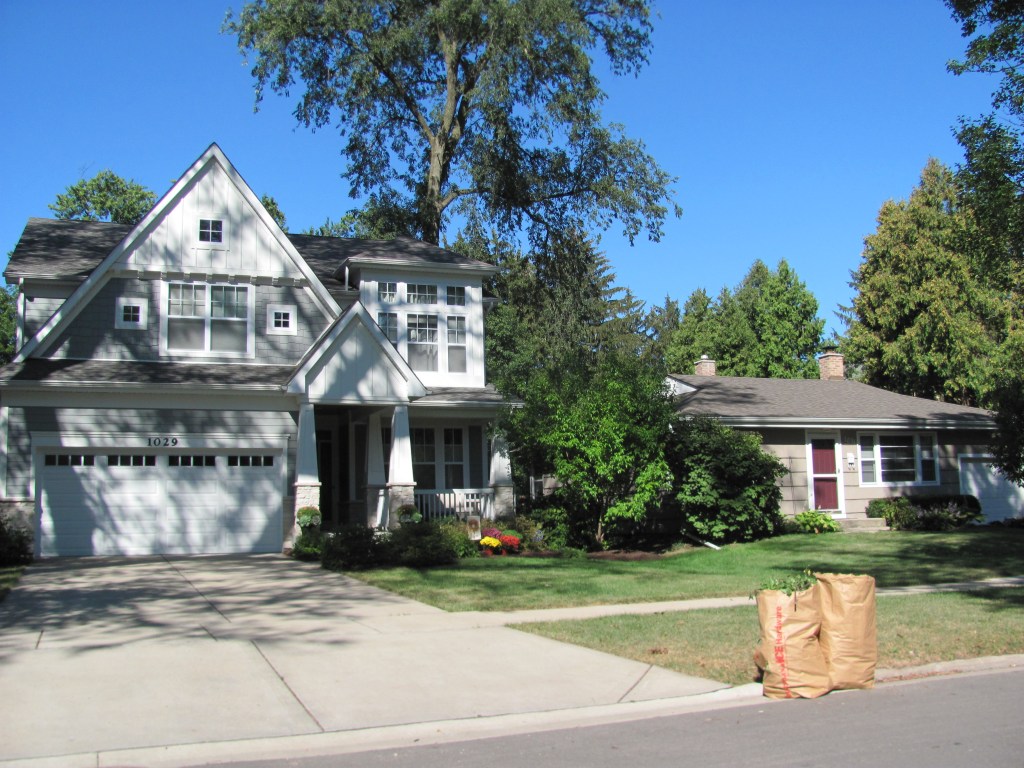
An example of a teardown McMansion – Naperville, Illinois
The modus operandi is always the same: Take a totally usable older house that is the same style and size as neighboring dwellings, though perhaps needing a rehab, and knock it flat, along with every mature tree on the property—there will be no room for them, owing to the enormous footprint of the planned structure. Then construct a particle-board chateau that has at least 75 percent more square footage than the neighbors, complete with a quarter-acre driveway for the obligatory Range Rover…
While the sheer size of the structure guarantees disharmony with the local houses, the eye-lacerating incongruity of its style brings it to a new level. The structures resemble the architecture of the Loire Valley, Elizabethan England, or Renaissance Tuscany—as imagined by Walt Disney, or perhaps Liberace. As with McMansions everywhere, the new owners could have obtained a sounder design for less, but they prefer the turrets, portes-cochères, and ill-proportioned Palladian windows that they bought.
The basic proportions are unfailingly clumsy. The roofs aren’t symmetrical, so that one more giant walk-in closet could be shoehorned in. From the side, this asymmetry and the too-small windows make the construct look like an old sawmill in the Pacific Northwest, or a three-story wooden barracks hurriedly thrown up during World War II. Some manage to look imposing from the front, mimicking George Mason’s brick mansion. But closer inspection reveals the fraud: The front is a brick veneer; the sides and back consist of vinyl siding. Often enough, the brick is a shocking uremic yellow…
The infill McMansion spectacle is a warning and a symptom, like political polarization, of the rising income inequality and concomitant decline of community feeling in the United States. It is not something that fell out of the sky, but a phenomenon that was carefully engineered by financial management.
-Teardowns are a problem in multiple ways. They often do not fit the architecture of neighborhood. They take up too much of the lot on which they are built.
-The size of the teardown and the incongruity with the existing homes are not the only problems: the architecture of the home is subpar. A McMansion can take multiple architectural features and styles and try to mash them together in an imposing array of size and newness.
-McMansions are problematic houses but also symbols of other significant societal problems. The article notes income inequality and a lack of community plus financial intrusion in housing.
So, yes, critics argue teardowns or infill McMansions have some unique disadvantages. But, these concerns about teardowns are connected to concerns about McMansions as a whole.
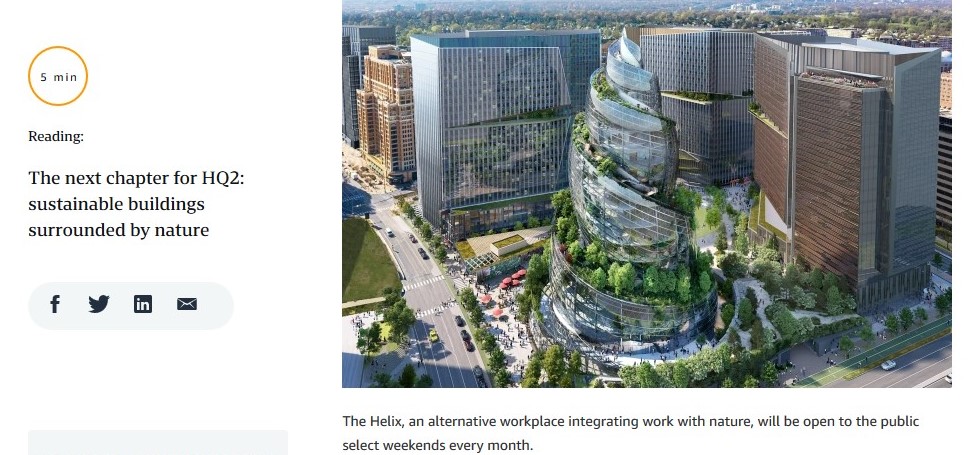
The centerpiece will be the site’s fourth and tallest tower, a 350-foot structure dubbed the Helix because it will feature two spiraling outdoor walkways with trees and plants from Virginia that twist to the building’s top…
Amazon’s new campus is the latest in a growing line of outdoorsy office projects, as companies try harder to offer a pleasant work environment and appeal to eco-conscious employees.
The Helix “will be an opportunity for people to literally go on a hike in the city,” said Dale Alberda, a principal at architecture firm NBBJ, which is designing the development across the river from Washington, D.C.
Plans for inside of the building also call for plenty of greenery, along with meeting space, offices and studios for artist residency programs. “You feel like you’re in a lush garden in the middle of winter in D.C.,” Mr. Alberda said of the interior design.
As someone who teaches Urban Sociology, this is right on trend in multiple ways.
It is just outside the central city of the region but within a business district. (The Washington D.C. region has some unique features due to the government buildings at the center but the multinode region is found throughout the United States.)
The building has numerous green features, both visible (such as lots of trees) and invisible (planning for efficiency).
The design is more whimsical and playful compared to the more common glass and steel box. The structure will certainly stand out and attract visitors just to see it.
The architects and the company say it is designed with people and well-being in mind, not just efficiency or costs.
Perhaps the only trend missing is a mixed-use component where the office space is combined with residential and commercial space.
All of this is for a tech company – perhaps the tech company right now – within an industry that hundreds of American communities would love to attract. Does this building work in the same way if it is built by an insurance company or as a municipal structure?
It will also be interesting to see how this interacts with surrounding buildings – including the other planned Amazon towers – and the broader community. Amazon says the grounds will be open to the public yet how many community members will be able to take advantage.
In the Washington, D.C. metro area, there’s no sign so far that residents in the urban core are more anxious to sell their condos and rowhouses than suburbanites are to ditch their McMansions. Home sales for the entire metro area dropped in March 2020, very similar to the pattern in the District. (Washington, D.C. accounts for less than 15% of the metro area’s population and home sales.)
Breaking out the year-over-year change in home sales for each local jurisdiction in the metro area shows similar patterns in the urban core (darkest gray), inner suburbs (medium gray), and exurban jurisdictions (light gray).
Maybe Washington D.C. is another outlier in all of the possible data. That leads to another question that often comes up when talking about urban theory: what is the modal American city, particularly in the time of COVID-19?
The book is built on Friedman’s understanding that “there is no American place that’s not also a global place.” He establishes a dichotomy between the “Overt Capital” of Washington, where the Capitol dome represents the public sphere, and the “Covert Capital” of the Dulles Corridor, where the CIA and Pentagon manage their operations in relative privacy. As Friedman examines how foreign policy and foreign interventions shaped the domestic landscape, he locates the cross-border flows of material and people that have made our region what it is today…
For Friedman, the history of the Dulles Corridor begins with the construction of the Pentagon in the 1940s, followed a decade later by the CIA headquarters. These buildings took advantage of car-oriented development to gain a new kind of hiddenness, obscured behind forests and parking lots. A drive through Langley can reveal nothing about what takes place behind the agency’s doors.
Friedman sees the seven years since his book was published as the beginning of a “third generation” in the development of the Dulles Corridor. It’s no longer characterized by leisurely semi-rural landscapes nor by McMansions, but by “lifestyle centers” and “placemaking,” as in the Mosaic District or The Boro. These centers, Friedman says, are in danger of becoming “fortified cells… reinventing the ‘urban’ into subdivisions, compartmentalized, buy-in-based.” Rather than creating an inclusive environment, he worries that lifestyle centers will only create a new form of “landscapes of denial.”
On one hand, this like the development of Sunbelt suburbs after World War Two. With defense spending, the spread of highways, and sprawling suburbs, this could describe any number of regions from D.C. to southern California. Over time, communities developed and became part of a global system: new immigration flows starting in the late 1960s brought new people, multiple generations of people lived in the new communities, and suburbs began to differentiate themselves. On the other hand, few places have the CIA and Pentagon – defense spending in suburbs could run the gamut from aircraft plants to military bases to government offices. And individual communities and regions have their own particular histories that affect local development character.
More broadly, looking at regional development – not just at cities – is a worthwhile endeavor. Major cities, like Washington, D.C., cannot be separated from their suburbs and vice versa. Considering the variation within a region versus connections between particular parts of the region and other parts of the United States is fun. Tyson’s Corner, cited above would be a good example: is it more like edge cities or northern Virginia. And what lessons could northern Virginia provide for the rest of the country about what to do or not to do?


 Legally Sociable