
I was recently doing some research involving East St. Louis, Illinois, specifically considering the 1917 race massacre as part of a longer history of racialized property in Illinois. While doing this work, I noticed the population of the community. Here are the numbers (from Wikipedia):
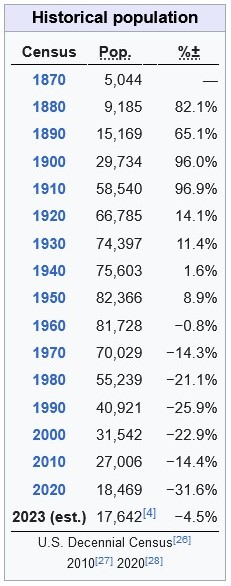
As an industrial suburb across the Mississippi River from St. Louis, the community grew from a very small community to over 82,000 residents in 1950. Then came population decreases, leading to a population of under 18,000 today.
In the United States, population growth is good. It signals success and status. East St. Louis had this for the first eighty years or so of its history. But population loss is then bad. It hints that there are problems, that the community is losing status. A number of American cities and communities have experienced this since the middle of the twentieth century, often in the Northeast and Midwest and connected to the loss of manufacturing jobs. Think Detroit or Cleveland or Baltimore.
For a suburb to lose this many people also cuts across a narrative of suburban success. The endlessly growing suburbs does not apply to all communities. In inner-ring suburbs, communities with growing numbers of Black residents, and suburbs facing other concerns, the population could drop over time. Suburbs elsewhere might be growing but not in all suburbs.
How many suburbs have similar stories to East St. Louis and how do these narratives get told alongside the typical stories of suburban growth?
 Legally Sociable