
These five tips for homeowners can help them avoid flooded properties. I have done a few of them myself.
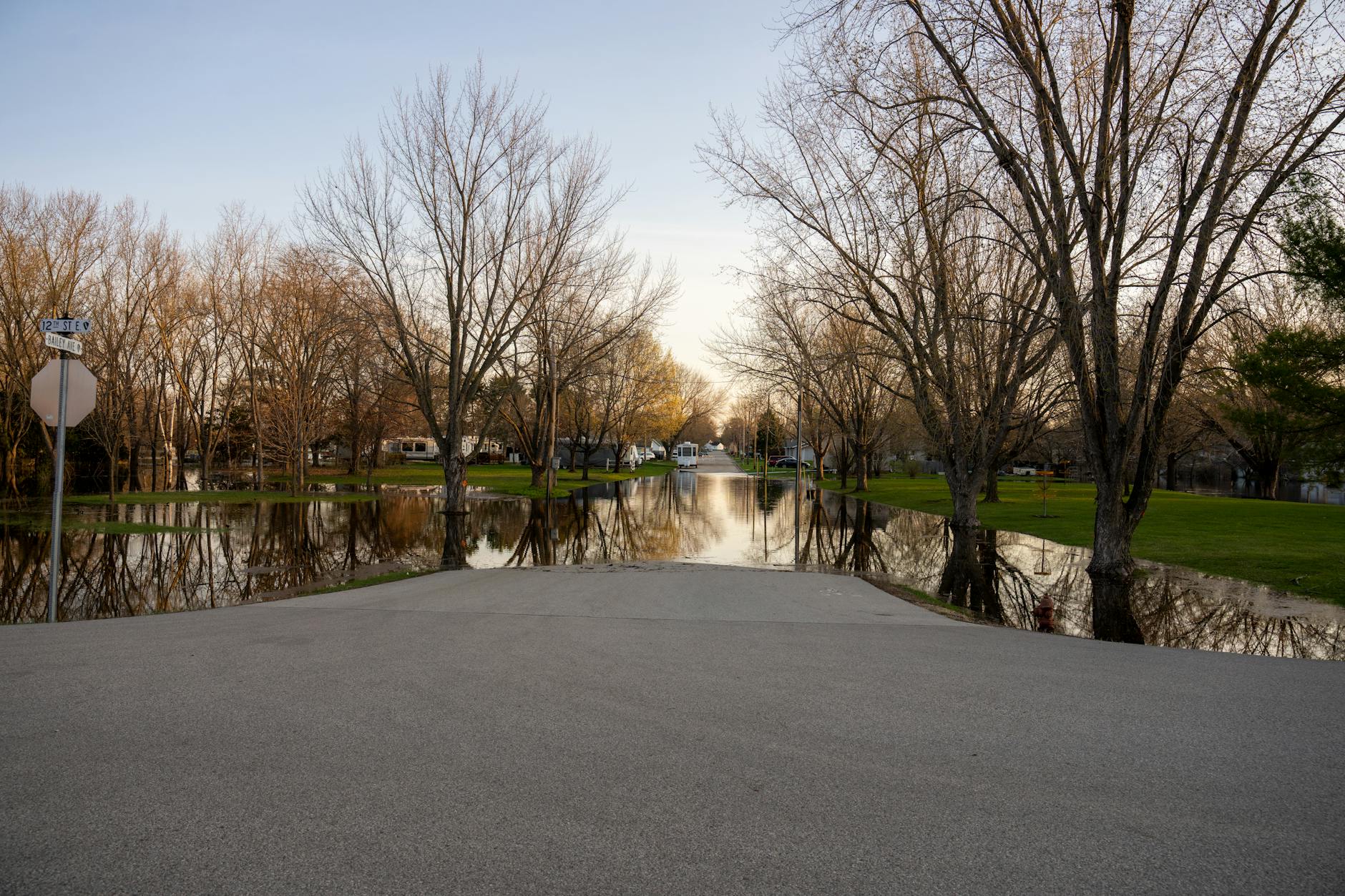
But there is only so much an individual homeowner can do if the built environment makes flooding more common. There are numerous causes: development on top of certain kinds of land and soils; numerous hard surfaces like roads; inadequate drainage at construction or more development after initial systems were put in; low-lying places compared to higher ground nearby. Having water in one’s house is no fun as it requires cleanup and repairs that can require a lot of time and money.
Several pictures used in this story seem to make this point. How much can be done for a house if the street right in front of the home is completely flooded? What can be done if roadways are shut down because of water? Where is all the water supposed to go?
These tips can help but a broader neighborhood or community-wide approach is needed to really address flooding issues. When new development is proposed near housing, NIMBY responses are common and water and flooding issues are often part of this. There may just be some truth in these concerns; changes to land might affect drainage and/or strain existing mitigation efforts. Water has to go somewhere and one homeowner may not really be able to address what is a larger concern.

