
Important infrastructure in American cities can be old. See the example of multiple water mains breaking recently in Los Angeles:
In Studio City, an 8-inch water main failed, flooding a street and temporarily leaving about 60 customers without water while crews completed repairs.
In Hollywood, another 8-inch water main ruptured, sending water into the street and shutting off service to about 70 customers as crews worked to restore water.
The most significant break occurred in West Hollywood, where a 110-year-old, 36-inch trunk line burst, releasing an estimated 17 million gallons of water onto streets and nearby properties…
According to the Los Angeles Department of Water and Power, about 30% of the city’s water main lines are more than 80 years old, adding to concerns about the condition of the system…
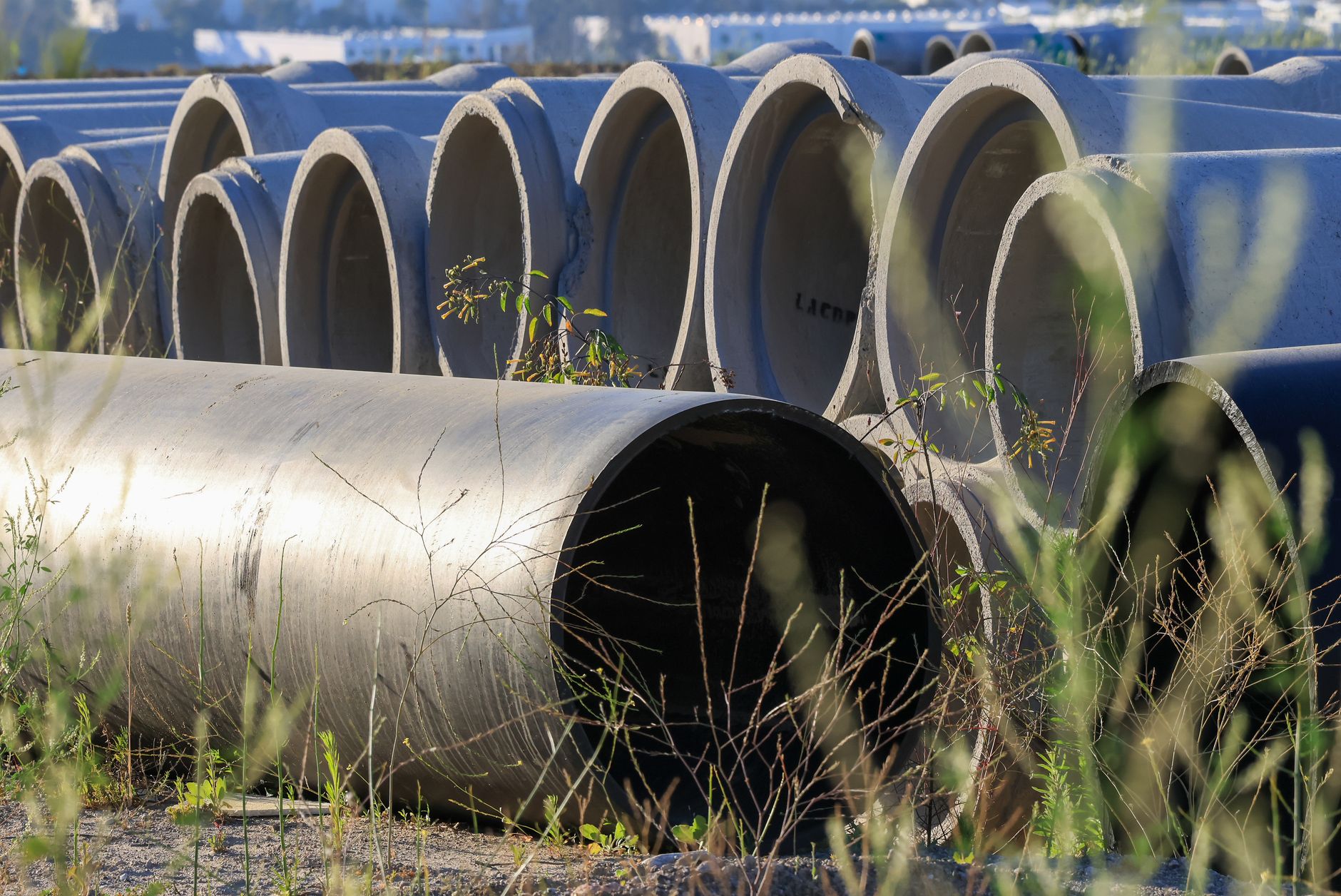
LADWP said it is working to modernize the city’s water infrastructure as part of its $8 billion, five-year Water System Capital Plan. The project includes replacing 240,000 feet of water main pipe and 6,047 feet of trunk line pipe.
Replacing and/or repairing critical infrastructure is an ongoing task. Hopefully it gets replaced before it breaks and causes problems for the immediate vicinity.
What is hard to know from stories like these is how the number of breaks compares to patterns in Los Angeles or in other cities. How unusual is this series of breaks? How many break each month in cities with different levels of maintenance? What can be expected?
The average resident may not have much knowledge of the maintenance or the expected lifespans until something exposes the infrastructure. Perhaps it is a break or disruption in service. Perhaps it is another project which reveals all the things under the street. Perhaps it is an important budget discussion where choices about priorities, including infrastructure, need to be made. At these moments, the water flow is revealed for a short time and then it goes back to being something ordinary.

