
Several factors are leading to school closures in American communities:
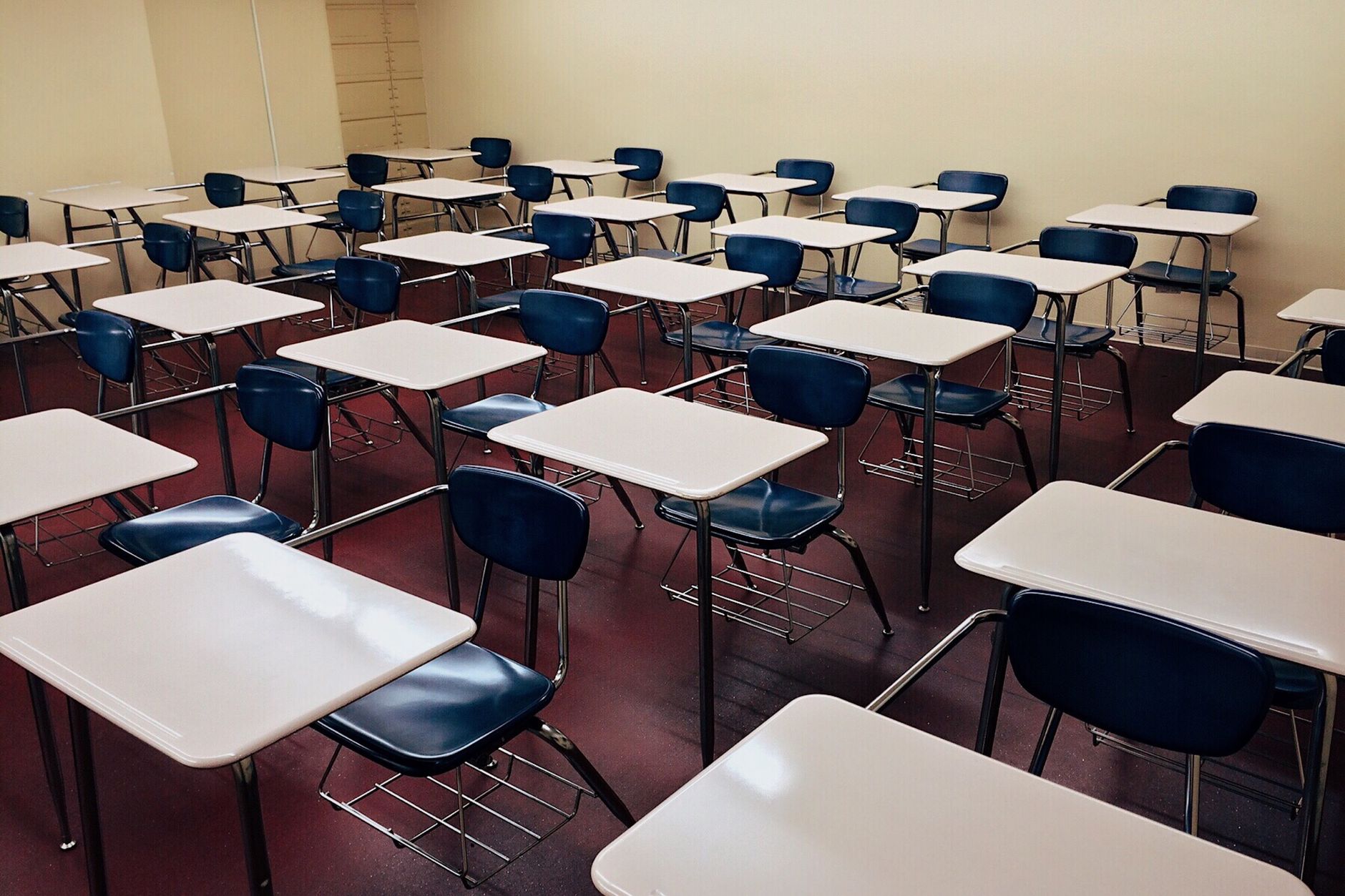
School closures have spiked 35 percent across the country over the past four years, propelled by a shrinking youth population and the end of covid-19 relief funds that had propped up education funding in some places.
For the fourth year in a row, the number of school closures rose nationally last year, according to data from the National Center for Education Statistics released last week. Districts closed more than 1,000 schools in 2025-26, compared with 755 in 2021-22. And more closures are planned, including districts in Houston, Philadelphia, Pittsburgh and Broward County in Florida.
Several cities are mentioned as is a county with suburbs in Florida. Without having the full list of the schools closing, it is hard to know whether these are primarily in cities, suburbs, or rural areas. This might line up exactly with where populations are growing and shrinking but it might not. Which people and communities (1) are more likely to push for school closures and (2) are more likely to push back against school closures (and attract the attention of the public and media)? Who has higher success rates countering decisions to close schools?
Suburban schools are only mentioned once in this story with the suggestion that people are moving to suburbs. Many suburbs have reputations for having good schools. Are these places (1) not losing population and (2) if populations are stagnant or declining, not willing to close schools?
If current population patterns continue, there will be more to see here with districts and communities grappling with this issue. Perhaps patterns will become even more pronounced and school closures become a marker of community vitality.

