
A notable year in the United States means more time capsules have been opened and created. What do suburban communities put in the capsules?
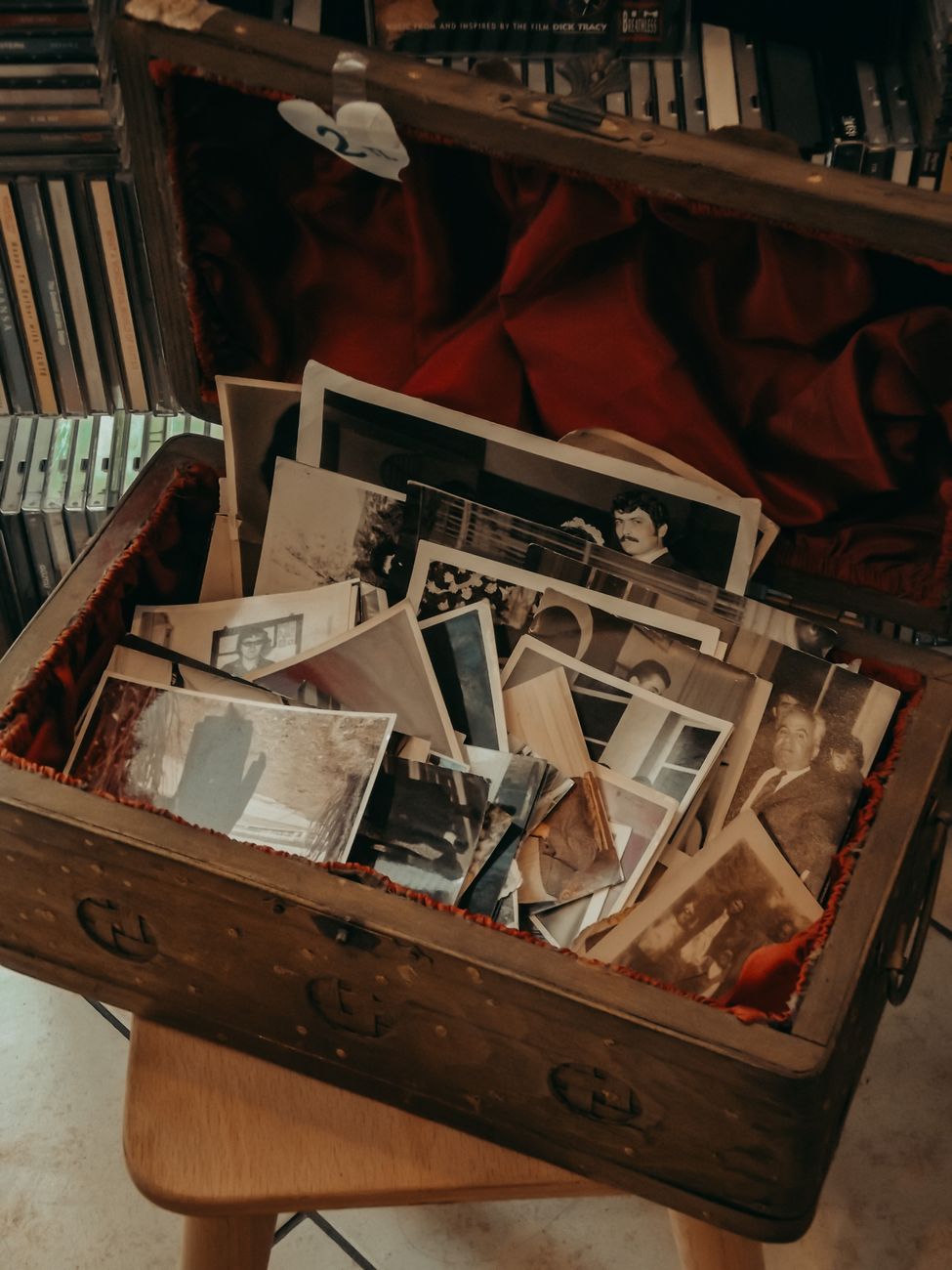
I spoke with nearly every community in Illinois that is opening or sealing a time capsule this year, and more often than not, what’s inside are, yes, business cards, a list of board members, speeches by mayors, lapel pins, corporate pamphlets, a city budget. For reasons unclear, a number of Bicentennial time capsules contain copies of JCPenney catalogs (probably so future generations can marvel at the price of jeans and socks). Please don’t misunderstand me, I love time capsules just like you love time capsules. There are so many time capsules, there are at least two businesses, Time Capsules Inc. of Pennsylvania, and Heritage Time Capsules of New York, dedicated to creating these small vessels, into which we are tasked with leaving meaningful objects for future generations. I just wish we were a little more … colorful, and meditative, and personal.
Early last month, DuPage County buried a capsule, inviting county leaders to contribute items. “The mayor of Wheaton and I closed the capsule and he reached across (the capsule) and shook my hand, and it meant a lot,” said Deborah Conroy, DuPage County Board Chair. “It was all of us working together, valuing our community.” Glendale Heights left an account of a daring rescue last year by two police officers on a frozen pond. West Chicago, founded in 1849 as a railway hub, left a toy train. Glenn Ellyn left a leaf from a 200-year-old tree. All thoughtful, culturally telling items. Less so: A garbage sticker from Lisle, a Trader Joe’s gift card (with no value) and annual fiscal reports…
We don’t tend to see our everyday lives as history.
I’ve written about the seven reasons Americans love suburbs. How easy is it to capture these reasons in a time capsule? Many of them require activities or people. A single-family home can be captured in a photograph or a book but it is harder to fit the actual space or what it was like to live there into a capsule. Perhaps provide more interactive elements, perhaps recorded ones (and hope the future openers have the media capability to use the recorded medium)? Or how to capture suburban driving and all it entails? Suburban local control is exemplified by lists of officials or official documents but doesn’t quite get at the experience of local control.
The focus on items is an interesting choice – something physical, can be touched and viewed – versus more experiential elements or accounts of regular life. What if a suburban time capsule included people describing their daily lives? Preserving oral histories brings its own complications but then people in the future could have some insight into how people used their time and how they thought about the world around them. Is the goal of the capsule to have some trinkets from the past or to understand people from the past?
Experiential elements could also provide room for different suburbs to highlight what is unique about their community. For those looking back from the future, what differentiates daily life in one suburb versus another? Objects can help tell this story but so could written or oral descriptions of community life. What were the important local spaces for the suburb? What did kids in the community grow up knowing about their suburb in comparison to others?
I may be thinking of this more as a researcher than someone who wants the excitement of burying or opening a capsule. To study and understand suburban life, certain records and objects can help more than others.

