
A new book considers how nightlife has changed modern societies:
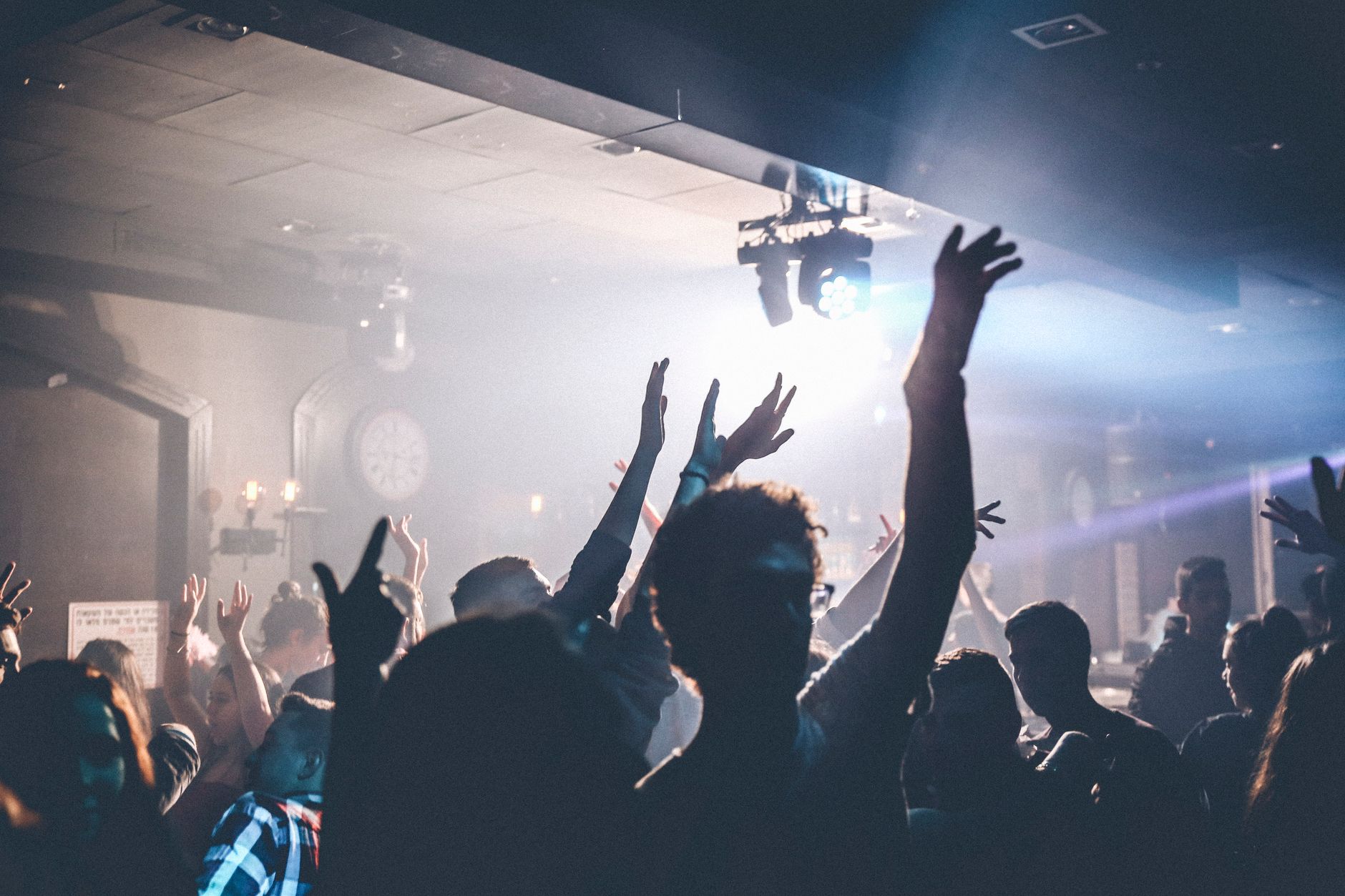
In this fabulous alternative history of the modern world, the academic and “party historian” Imogen Willetts looks at the last 500 years of civilisation through the sometimes blurry lenses of its after-dark scenes, with fascinating results. She begins by trying to capture what it feels like to go on a big night out, focusing on a phenomenon that, in 1912, the sociologist Émile Durkheim labelled “collective effervescence”. In one passage, she explains this by referencing dancing as part of ancient tribal hunting rituals, listening to Charli xcx’s 365, or singing along to Sweet Caroline with tens of thousands of other people in a stadium.
This is no dry academic study, then, and its mix of historical research, critical theory and conversational references to pop culture makes for a bright and compelling read. What Willetts calls the “seemingly superficial act of getting gussied up to drink, dance, have fun and meet people” is, of course, much more than that, and she scratches away at the layers with skill. Nightlife can contain, or enable, rebellion, community, innovation, art, love, sex and political revolution. From Japan to France, from Shanghai to Germany, via many detours to the United States, she examines historical movements as they might be seen from dusk till dawn.
Part of the appeal of collective effervescence is that individual people get caught up in a scene or moment or crowd. It is not just doing something fun or unique; it is collective activity that is something different compared to what an individual can experience alone. It is about taking part in something bigger.
Do we have good predictors of when nightlife crowds or activities can turn into society changing moments or movements? Nightlife occurs regularly in many places; what helps it turn into something consequential or when it spills out beyond the initial gathering or activity?
And since I study suburbs, I wonder about the lack of nightlife in many suburban communities. This is part of the appeal to many; suburbs are quieter places for people to live. On the other hand, cities are known for more nightlife options. How much does this contribute to what many perceive to be a lack of interest in social change in American suburbs?

