
The Chicago area has experienced a lot of severe weather this summer. This includes a large number of storms:
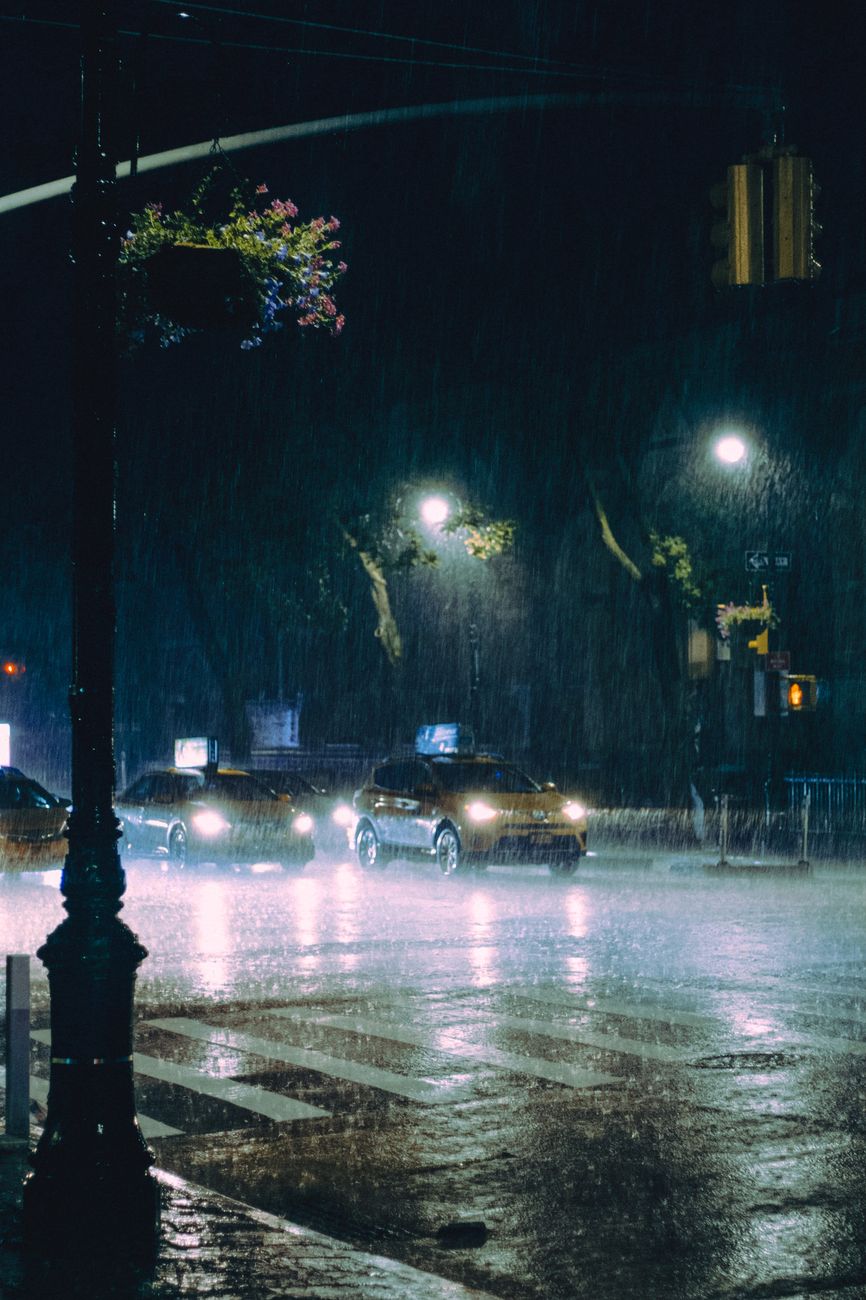
The damaging storms that rolled through the suburbs Tuesday marked the 329th time the National Weather Service office in Romeoville has issued a severe weather warning this year.
That’s more severe weather warnings than issued in all of 2025, and far past the previous record of 273 set in 2006. The warnings are issued for storms that have the potential to produce tornadoes, winds 58 mph or greater, and quarter-size or larger hail.
“It really is pretty unprecedented,” said Gino Izzi, senior meteorologist at the National Weather Service.
And Illinois has had a lot of tornadoes:
Snyder said Illinois will likely pass 200 confirmed tornadoes after Tuesday’s storms, far and away the most tornadoes of any state in the country for 2026, according to the National Weather Service.
If Illinois continues this stormy trend, it may not only add to its state record but perhaps break a nationwide record for the total number of tornadoes in one state in any single year — 232 tornados in Texas in 2015 and 1967.
How could suburbs respond to this (beyond doing nothing and/or hoping this was an unusual year)? Some ideas:
- More personnel and effort for clean-up. Storms and tornadoes bring damage. Communities could budget more resources to deal with the aftermath of storms. Roads need to be cleaned. Downed trees and branches need to be cleaned up. Storm sewers need to be clear. Suburbanites expect a certain level of local services and providing more after storms could become more common.
- Updating building codes so that structures can better weather storms. This might add to costs – whether in updates or in new construction – but could pay off in the long run.
- Changing development plans to stay away from potentially dangerous areas. It is hard to predict the exact paths of storms or tornadoes. It is easier to look at where flooding might occur. Water can cause a lot of damage.
- More severe weather centers where people can shelter and/or seek help. This might require centrally located buildings that are relatively safe in storms.
Options such as these might require that suburban residents ask for them. Americans like suburbs in part because they provide encounters with nature. Storms and tornadoes, however, might be parts of nature that are too threatening to the suburban way of life and residents could come to expect suburban governments to provide more help.

