What Chicago suburbs could do in response to “unprecedented” storms and large number of tornadoes

The Chicago area has experienced a lot of severe weather this summer. This includes a large number of storms:
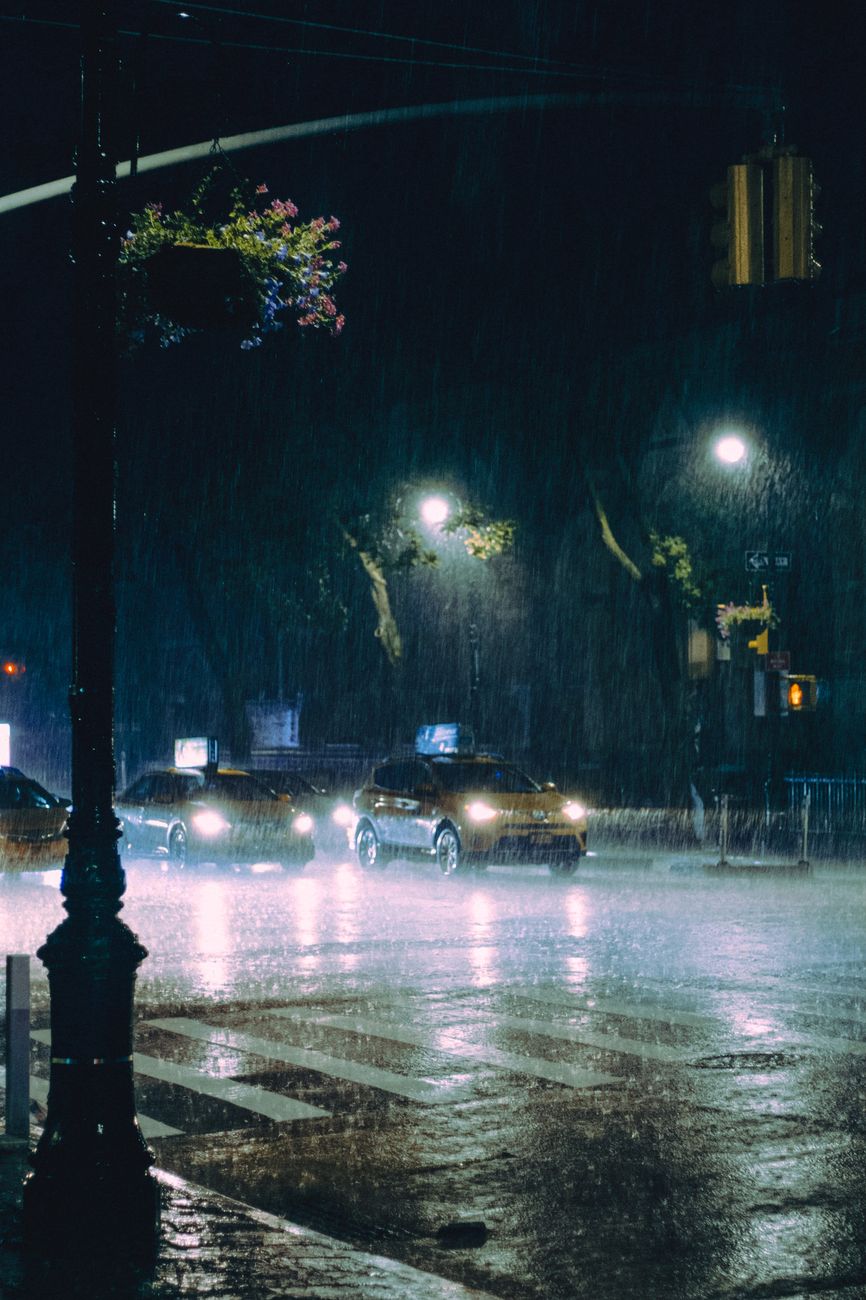
Photo by Zeeshaan Shabbir on Pexels.com

The damaging storms that rolled through the suburbs Tuesday marked the 329th time the National Weather Service office in Romeoville has issued a severe weather warning this year.

That’s more severe weather warnings than issued in all of 2025, and far past the previous record of 273 set in 2006. The warnings are issued for storms that have the potential to produce tornadoes, winds 58 mph or greater, and quarter-size or larger hail.

“It really is pretty unprecedented,” said Gino Izzi, senior meteorologist at the National Weather Service.

And Illinois has had a lot of tornadoes:

Snyder said Illinois will likely pass 200 confirmed tornadoes after Tuesday’s storms, far and away the most tornadoes of any state in the country for 2026, according to the National Weather Service.

If Illinois continues this stormy trend, it may not only add to its state record but perhaps break a nationwide record for the total number of tornadoes in one state in any single year — 232 tornados in Texas in 2015 and 1967.

How could suburbs respond to this (beyond doing nothing and/or hoping this was an unusual year)? Some ideas:

  1. More personnel and effort for clean-up. Storms and tornadoes bring damage. Communities could budget more resources to deal with the aftermath of storms. Roads need to be cleaned. Downed trees and branches need to be cleaned up. Storm sewers need to be clear. Suburbanites expect a certain level of local services and providing more after storms could become more common.
  2. Updating building codes so that structures can better weather storms. This might add to costs – whether in updates or in new construction – but could pay off in the long run.
  3. Changing development plans to stay away from potentially dangerous areas. It is hard to predict the exact paths of storms or tornadoes. It is easier to look at where flooding might occur. Water can cause a lot of damage.
  4. More severe weather centers where people can shelter and/or seek help. This might require centrally located buildings that are relatively safe in storms.

Options such as these might require that suburban residents ask for them. Americans like suburbs in part because they provide encounters with nature. Storms and tornadoes, however, might be parts of nature that are too threatening to the suburban way of life and residents could come to expect suburban governments to provide more help.

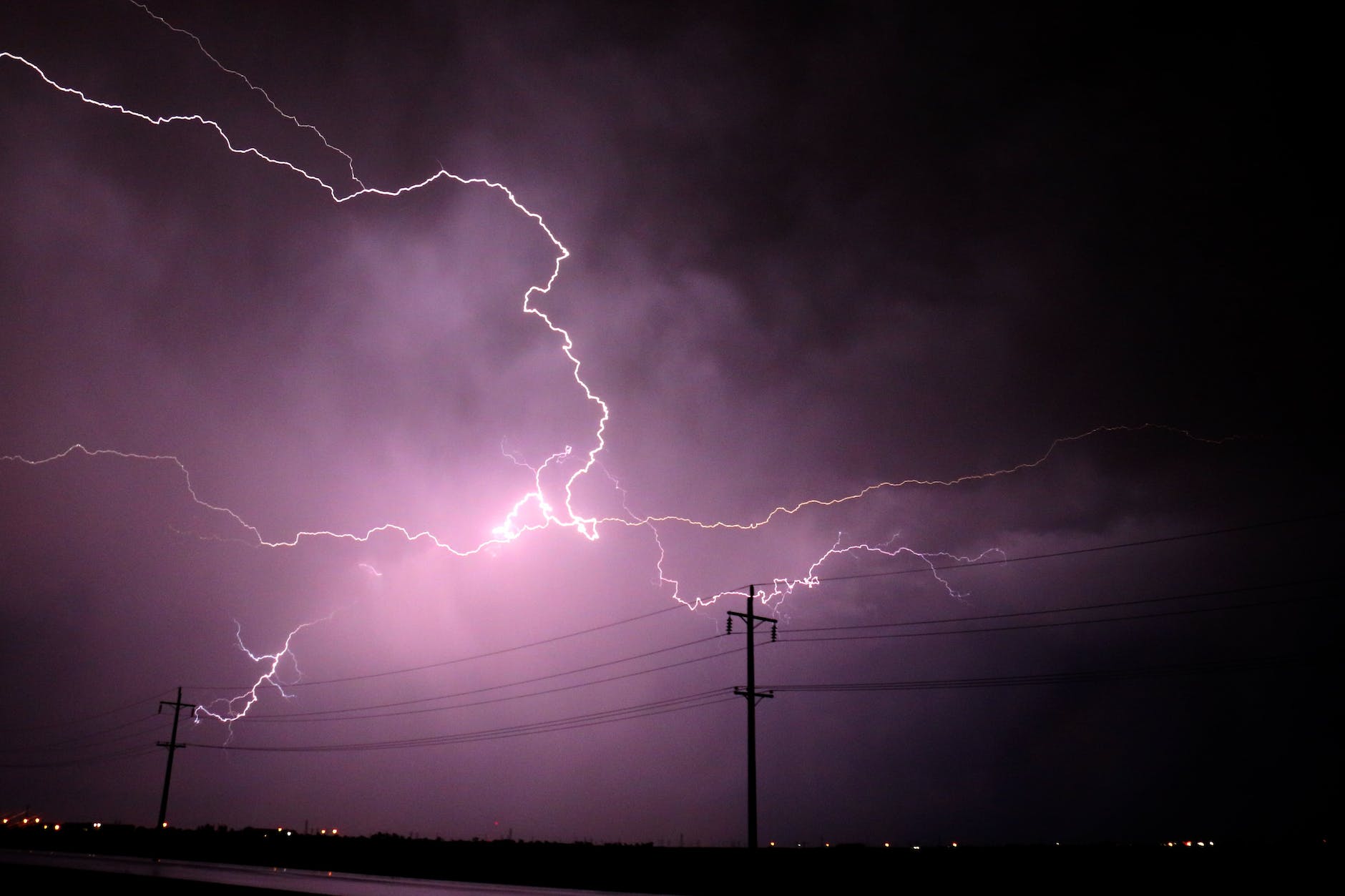
More sprawl = more storm damage

With more sprawling development in the United States comes more damage from storms:

Photo by Sebastian Arie Voortman on Pexels.com

But a more significant influence on the rising storm damage trend has little to do with the weather: Growth and development patterns mean there are many more homes and businesses in the way of tornadoes, hail and damaging winds than there were decades ago…

The trend is a product of growing populations in regions where severe storm impacts are also increasing, said Adam Smith, a NOAA economist and scientist who tracks the events.

Researchers call it the expanding bull’s eye effect — a larger target for storms and tornadoes makes it easier for them to inflict damage.

For example, in outlying parts of a city like Wichita, a tornado that might have affected 20 homes several decades ago could now damage 2,000 homes in the same footprint, said Walker Ashley, an atmospheric scientist at Northern Illinois University.

The United States has pursued sprawl for decades now. Metropolitan regions have expanded as Americans, for multiple reasons, have loved suburban growth plus the status and profits they can bring.

A hypothetical using a notorious Chicago area storm could illustrate this. In August 1990, an F5 tornado touched down in Plainfield, Illinois. The tornado killed 29, injured hundreds, and destroyed numerous buildings. At the time, Plainfield was a small community of 4,557 residents on the edge of the Chicago region. How much damage might a similar storm following a similar course cause today? The suburb had nearly 45,000 residents in the 2020 Census and development in the region has moved further out past Plainfield. Some local residents said the 1990 tornado helped show the community’s spirit and contributed to later growth.

Given the propensity toward sprawl in the United States, would any developer or local leader or potential suburban resident say no to more sprawl to avoid storm damage?

Geography and why there is so much bad weather in the United States

Storms and natural disasters seem to occur regularly in the United States. Why?

Photo by Pixabay on Pexels.com

It starts with “where we are on the globe,” North Carolina state climatologist Kathie Dello said. “It’s truly a little bit … unlucky.”

China may have more people, and a large land area like the United States, but “they don’t have the same kind of clash of air masses as much as you do in the U.S. that is producing a lot of the severe weather,” said Susan Cutter, director of the Hazards Vulnerability and Resilience Institute at the University of South Carolina…

With colder air up in the Arctic and warmer air in the tropics, the area between them — the mid-latitudes, where the United States is — gets the most interesting weather because of how the air acts in clashing temperatures, and that north-south temperature gradient drives the jet stream, said Northern Illinois meteorology professor Walker Ashley.

Then add mountain ranges that go north-south, jutting into the winds flowing from west to east, and underneath it all the toasty Gulf of Mexico.

The geography of the Untied States is often described as an advantage. Lots of land. Many natural resources. A range of temperatures and climates. Across the oceans from major global conflicts.

In this case, the unique geography leads to issues. The expanse and variation in land puts air masses in conflict.

As the article suggests, have American communities adapted to this? If bad weather and disasters are somewhat predictable, do we have structures and planning that mitigates some of this impact? Just as one example, suburban sprawl with its balloon-frame houses and reliance on driving could be prone to particular ill effects.

Lightning strikes Chicago

A large storm blew through Chicago on Wednesday, June 23. A photographer caught lightning hitting the Trump Tower and the Willis Tower (formerly known as the Sears Tower) in the same image.

Nature vs. humanity’s skyscrapers.