
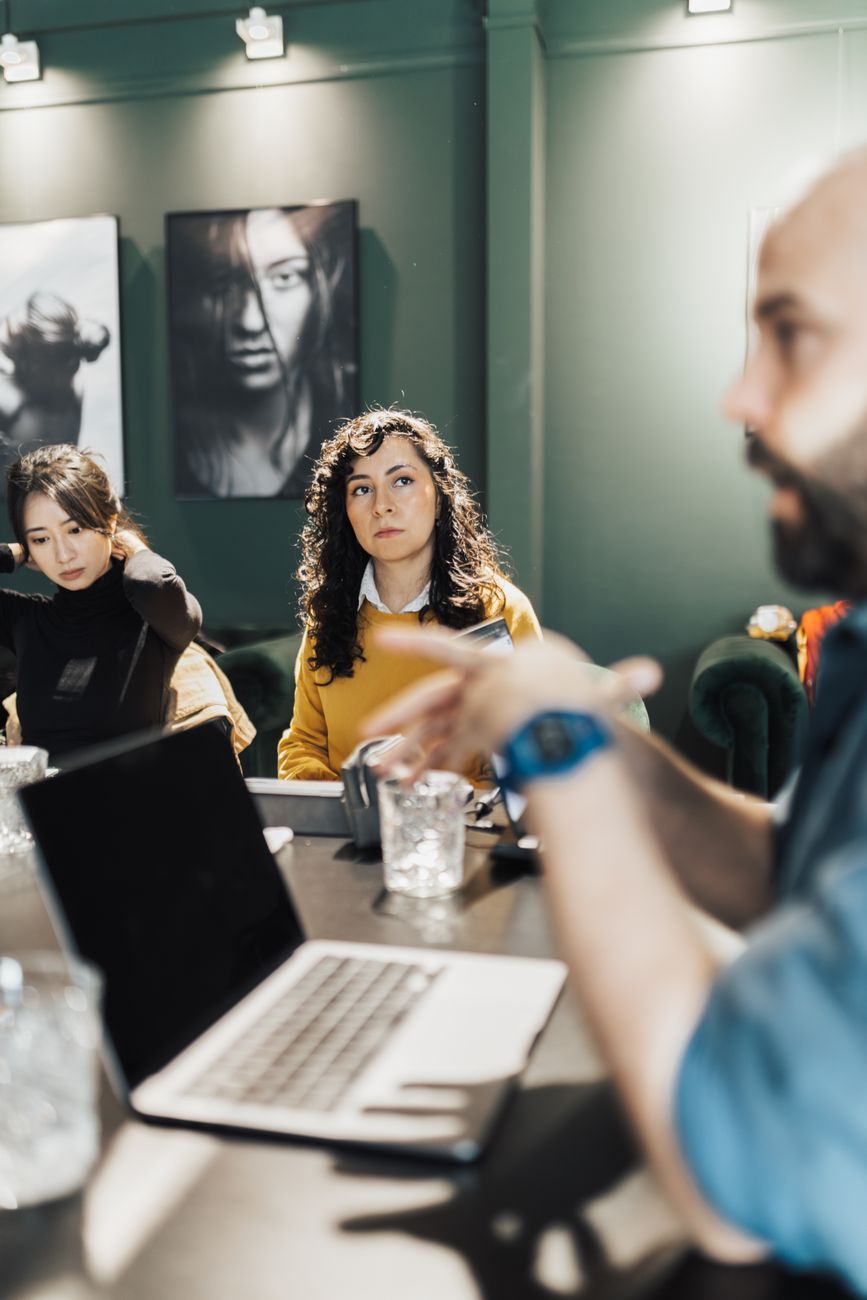
Since that moment, I’ve conducted more than 400 focus groups with thousands of voters across the political spectrum. To my knowledge, this is the largest and most consistent qualitative study of voter sentiment during the Trump era. Here’s what I’ve learned: People are wild. They are full of contradictions. They lament our deep political divisions while raging about their political enemies. They believe in grace but cut their Trumpy brother out of their life forever. They’re married to an immigrant but voted for the guy who wants to deport millions of people who have the same immigration status as their wife. They hate the government and want to lower the national debt, but they also want the government to spend more to help them and their communities. They call themselves pro-life but believe in a woman’s right to choose. I could go on.
This suggests voters have multiple motivations and opinions. They are not necessarily consistent in their principles and actions. They react to both what is immediately around them and broader social forces and changes.
In other words, the voters are people. They are doing their best to make sense of the world around them. Translating those beliefs and responses into neatly packaged political party platforms or bundles of issues that candidates consistently talk about is not easy.
With all that said, listening to voters can be helpful:
Listening to voters is a cheat code for understanding politics—democracy, after all, is the collective will of the voters—yet few people in politics do it. If you’re running a campaign, you might do a series of focus groups with voters in your district or state. If you’re a politician, you might go on “listening tours,” chat with people at the state fair, or host campaign events. But rarely do politicians and campaigns take the time to talk in-depth about why people feel the way they do.
The reality is, the closer you get to institutional politics, the further you are from the people whom politics and government are supposed to serve. Washington is less a swamp than a bubble, inside of which the rest of America becomes an abstraction.
Where is there room to find common ground or interests? Are there ways to connect with what people are experiencing or care about beyond providing talking points and political tactics?
This could also be linked to the reasons Americans often like local politics and government: these are potential neighbors who have more of a stake and interest in day-to-day community life. Go up to the regional or state or national level and it can be hard to connect to all the experiences and concerns voters have.

