No World Cup games in Chicago is a travesty – and a new football stadium could have helped

The World Cup is underway and Chicago is not part of it. Why not?
Former mayor Rahm Emanuel rejected FIFA’s proposal to play games in Chicago.

Chicago was a host city during the last men’s World Cup played in the US, which came back in 1994.

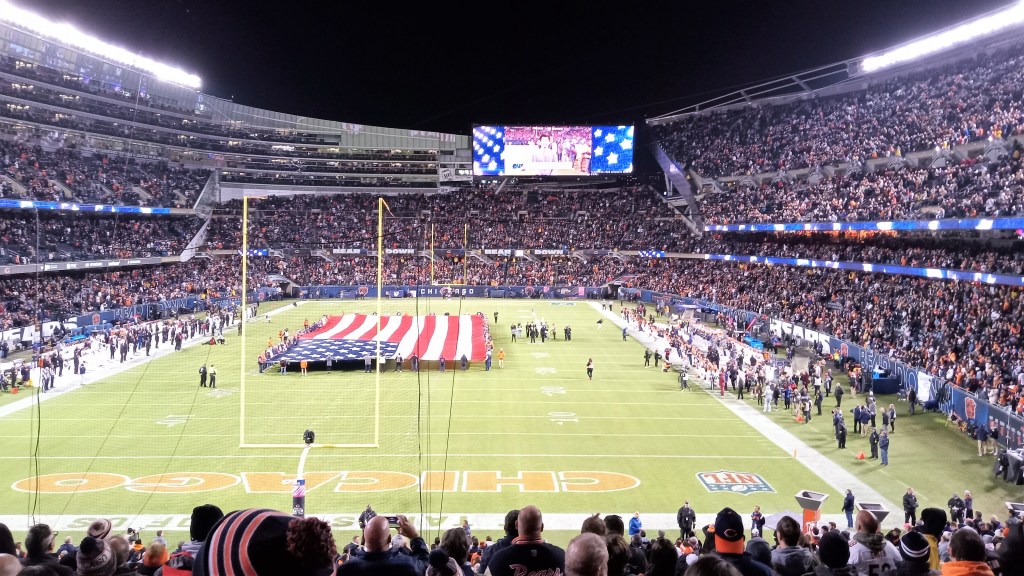
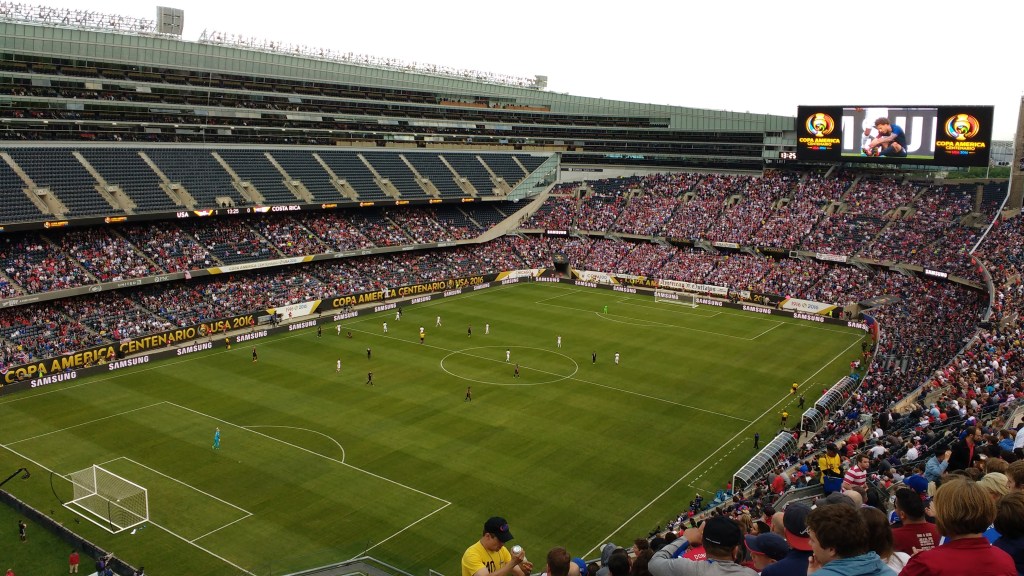
It seemed like an ideal place to host games, not only because of that history, but also due to the fact it boasts an iconic stadium in Soldier Field.

However, Mayor Emanuel rejected FIFA’s proposal for two reasons. One because he did not feel like his city was getting a fair deal, and the other because there was a chance the sport’s governing body could put a roof on Soldier Field.

It sounds like Emanuel thinks he was protecting the city. However, it is a missed opportunity for the nation’s third largest city which is a global city, has a busy airport that can handle all the visitors, great sites and neighborhoods, and plenty of soccer fans. And it has happened before: Soldier Field has home to five games in the 1994 World Cup, including the opening game.

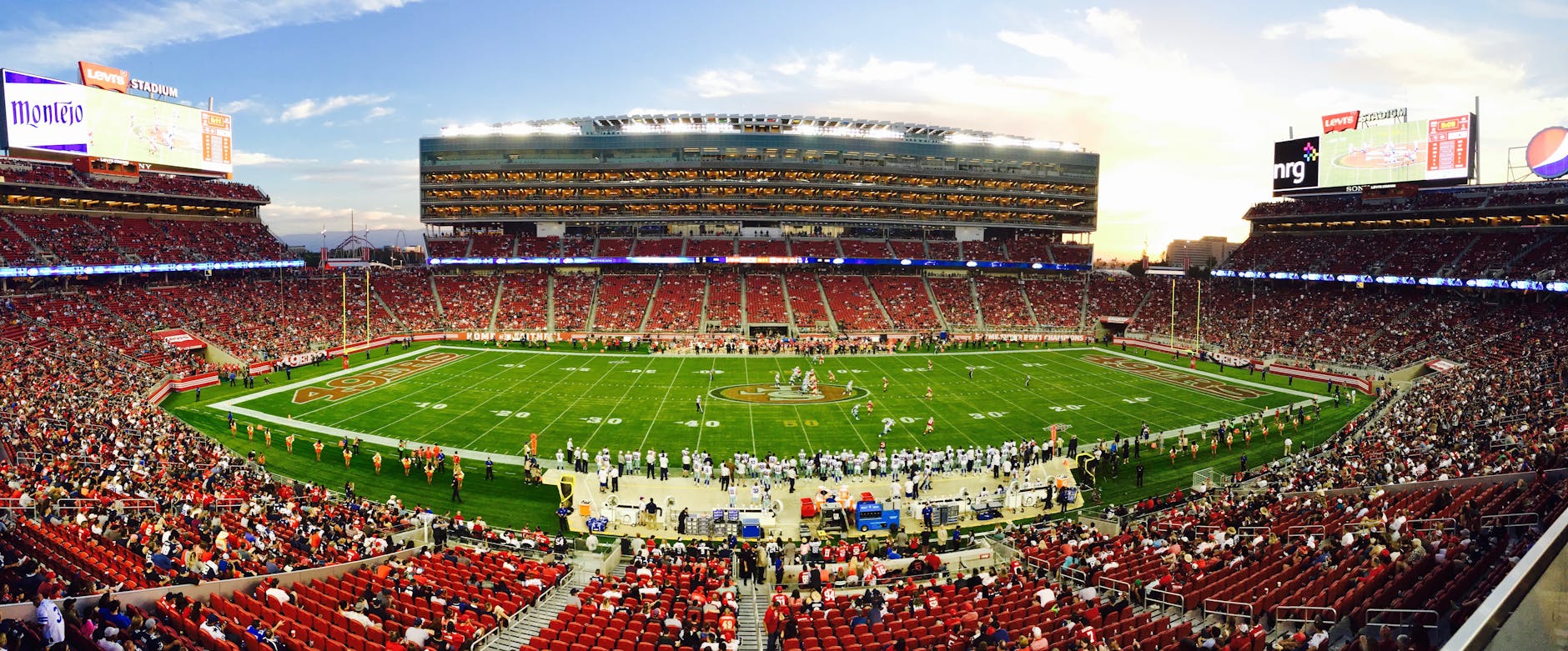
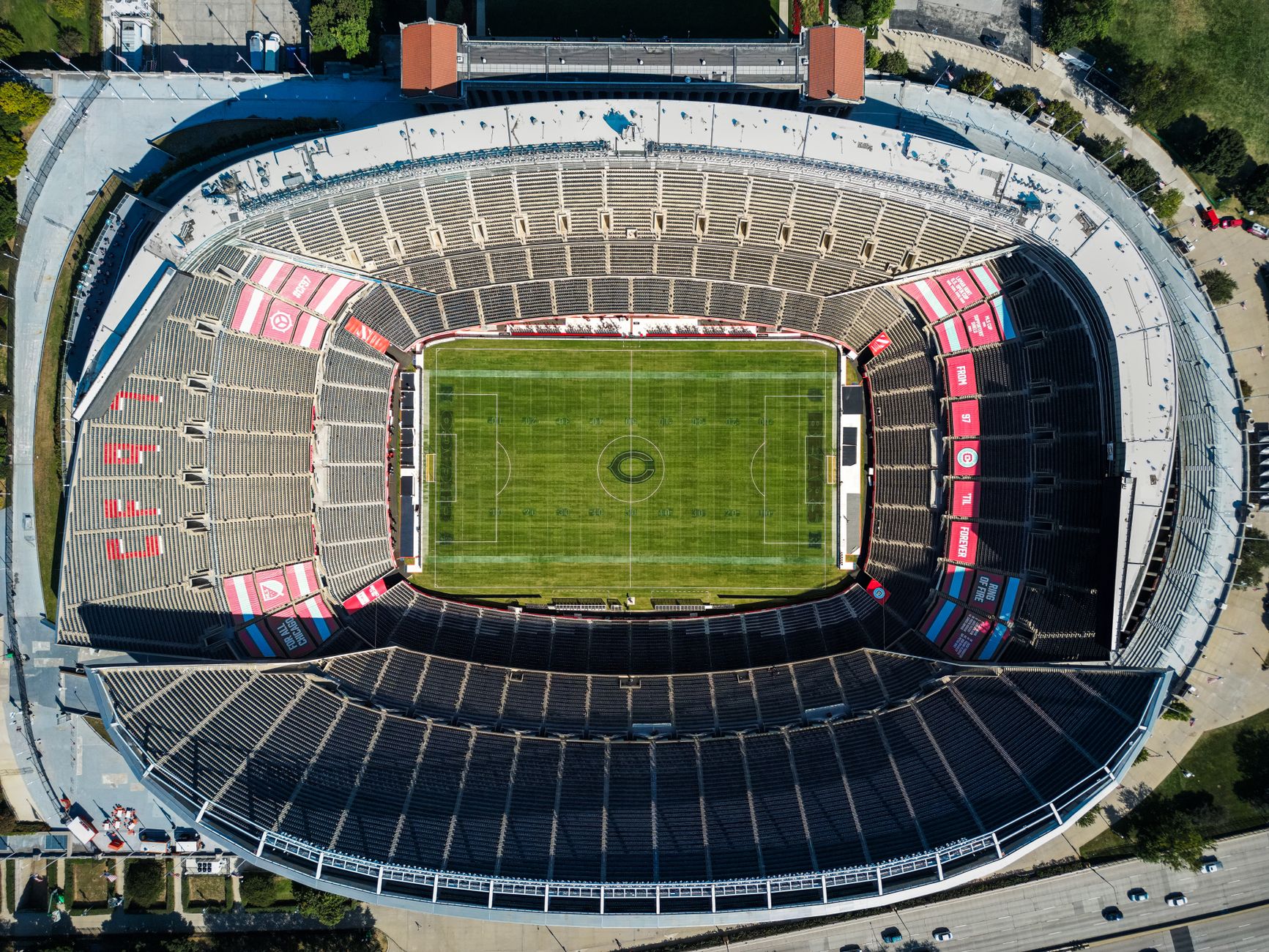
Could a new stadium like the Bears are seeking have made this possible? Soldier Field is smaller in comparison to other American football stadiums hosting World Cup games. A number of the host stadiums have been built more recently. Whether in Arlington Heights or Hammond, wouldn’t a new stadium have been exactly the kind of venue to help fans experience the Chicago area?
The Chicago Bears, like numerous pro sports teams, on their way to being a suburban team

As the Chicago Bears plan for a new stadium, it appears one fact is clear: they will end up playing in the suburbs of the city of Chicago. While the current battle for the stadium may appear to be between Illinois and Indiana, the team ends up in the suburbs of the Chicago region either way. And they would not be alone in inhabiting a suburban stadium: twelve NFL teams already play in the suburbs. (For comparison, several MLB teams play in the suburbs, three NHL teams play in the suburbs, and only one NBA team plays in the suburbs.)

Photo by Willian Justen de Vasconcellos on Pexels.com

But you could argue that the Chicago Bears were already a suburban team even though they played in the city at Wrigley Field and then Soldier Field. The team has had its headquarters in suburban Lake Forest for decades. The McCaskey family lives in the Chicago suburbs, with Virginia McCaskey passing away in 2025 after residing in Des Plaines for decades.

And many of the team’s fans are suburbanites. The city of Chicago peaked in population in the 1950 census with over 3.6 million residents. As the city’s population declined, the metropolitan region continued to grow. In the 2020 census, the metropolitan statistical area had over 9.6 million residents, meaning that over two-thirds of the region’s population was in the suburbs. Who is tuning in to the games? Who is buying tickets and merchandise? Who is weighing in with their opinions about where the Bears should play? (And this is true across American metropolitan regions: stadiums may be in big cities but the majority of residents and fans are in the suburbs.)

The Chicago Bears will likely be playing in the suburbs soon enough. This will echo what has already happened numerous times over in the region: residents and businesses moved out of the city to the suburbs, setting up life or operations where the majority of residents live.

What other companies or organizations could benefit from an Illinois megaprojects bill intended to help the Chicago Bears

Illinois state legislators continue to discuss a potential megaprojects bill. The bill is under debate because of what the Chicago Bears might do regarding their desire for a new stadium. But it could also affect other businesses, organizations, or sectors.

Photo by http://www.kaboompics.com on Pexels.com

The article cited above said the incentives in the bill could not be used for data centers. What about a major residential development? A new skyscraper? A planned community? A resort or casino? Intermodal facilities? An airport?

I understand that the Bears are the pressing question right now, particularly as Indiana has moved at the state level to attract the Bears, but the long-term questions are also ones worth asking. States and communities in the United States continue to offer tax breaks to companies and organizations to attract development. It is hard not to play this game if other places or governmental bodies are. Illinois legislators might not be discussing any help for the Bears if Indiana had not moved quickly.

Imagine it is not a sports looking for government help but a big corporation that wants to build a (non data center) facility in Illinois. They are motivated in part because of this bill. Does this standardize tax breaks in Illinois and either attract more businesses and development or limit what local governments can do in response?

The agony of losing a childhood sports team leading to federal legislation

Several lawmakers said their personal experiences contributed to proposing legislation that would make it harder for sports teams to leave a city and go elsewhere:

Photo by RDNE Stock project on Pexels.com

He doesn’t even really root for the Chicago Bears, but U.S. Sen. Bernie Sanders says he wants to ensure Bears fans — and sports fans of all stripes — are protected from the heartbreak he suffered as a teenager, when his beloved Brooklyn Dodgers left for Los Angeles.

Sanders, the independent Vermont senator and two-time presidential candidate, threw his support behind long-shot legislation Thursday that would give communities a chance to keep their professional sports teams if their owners threatened to leave. Under the proposal, local leaders would have a year to find another buyer for the sports team or to organize a community ownership structure, like that used by the Green Bay Packers, to take over the team instead…

The penalties under the new proposal would apply if team owners relocate their home facility across state lines or out of metropolitan areas.

“Professional football is America’s religion,” Sanders said, when touting the need to promote activities like professional sports that bring people of different backgrounds together…

The impact of those moves can linger for generations, the lawmakers said. Casar talked about the loss he felt when the Houston Oilers left the city for Nashville in 1996.

Three things stick out to me from this overview:

  1. Childhood commitments to teams stick with people. Jerry Reinsdorf has also discussed how the move of the Dodgers to LA affected him. Plenty of Americans have experienced this, including lots of kids.
  2. The moving across state lines strikes me as not the same thing as moving out of metropolitan regions. I know it involves different bodies of government but the metro area is the more important factor here for fans. If the Bears end up in Indiana and the Chiefs are in Missouri, fans have not lost a team.
  3. Sanders suggests football is religion and he is right in certain ways: it prompts vast followings, fans come together across different backgrounds, stadiums are sacred spaces, the Super Bowl is a sacred event, and so on. Sports is a kind of functional religion.

It sounds like the goal of this legislation is to limit the benefits wealthy team owners can derive from playing places against each other regarding stadiums and teams. If an owner threatens to leave in order to get more taxpayer money or a better deal, this legislation gives communities other options. Whether this saves the children of America from sports heartbreak might be a secondary benefit.

Sports teams that are suburban franchises

Many major American sports teams have names referencing cities or states. Some of these teams are located in the suburbs while they refer to cities in their names. But I recently was thinking about teams that are intentionally suburban. Perhaps they never were located in the city (versus teams that started in cities but moved out later). Perhaps their name refers to a suburb or suburban area. These four teams came to mind:

Photo by Esmihel Muhammed on Pexels.com
  1. Anaheim Ducks. They started in a large suburb in southern California and are still there today. Makes sense given that it is in the sprawling Los Angeles area?
  2. New Jersey Devils. Named after a state but this team has been in the suburbs of New York City (in the named state) for a number of years after an earlier homes in Kansas City and then Denver. Newark is also a large suburb but the state is largely caught between the big cities of New York City and Philadelphia.
  3. New York Islanders. Named after the state but located from the beginning in the Long Island suburbs (with a short time in Brooklyn in the 2010s).
  4. Arizona Cardinals. Since moving to this state, they played in Tempe and Glendale. (The team played in St. Louis and Chicago in their previous stops – they were a city team until they moved to a new region.)

On one hand, a few other teams might seem to fit this bill. Take the New England Patriots who play in the suburbs and whose name refers to a larger region. They were initially founded as the Boston Patriots. There might be others.

Two questions emerge from these quick thoughts:

  1. Was there something about hockey teams founded in the last 50 years that some aimed at suburban audiences moreso than other sports?
  2. Does being a major sports franchise in the suburbs or associated with the suburbs make a substantive difference to the team and its results? Given that more Americans live in suburbs than other settings, do these suburban locations tend to make it easier for residents of the region to attend?

What if a significant portion of residents and leaders want to provide lots of public money for stadiums?

Plenty of professional sports teams owners have been in the news recently asking for public money to fund sports stadiums. I am against such funding (see examples here and here) as the benefits tend to primarily go to the owners.

Photo by Robert Hernandez Villalta on Pexels.com

But, what if plenty of people want to give this money to teams for stadiums? What if they value sports? What if they see this as a good use of public resources?

Those who argue against stadiums may pitch it another way. Here is an example looking at the recent request by the Kansas City Chiefs for public money. How is the Chiefs’ owner thinking about the fans?

The Chiefs are hoping, it seems, that voters are either very dumb or very scared.

This is an easy story to go with: the wealthy team owner is threatening the people. Out of fear or not knowing the full situation (the team has limited options, the money tends to enrich owners, etc.), residents and leaders will go along with it. If fear can be reduced or ignorance limited, people would oppose these proposals.

Is there another possibility? Some people like the Chiefs, think they are good for the community, and want to give them public money. They hear the opposing point of view and disagree with it. They would rather spend public money this way. Americans tend to like sports and spectacles.

In many ways, this is not just about sports and wealthy owners. These are civic questions about the public good, how money should be spent, and how we collectively make these decisions. People with all sorts of perspectives will try to persuade each other. And the fate of future sports stadiums and communities depends on these processes.

Trying to diversify a city economy through sports

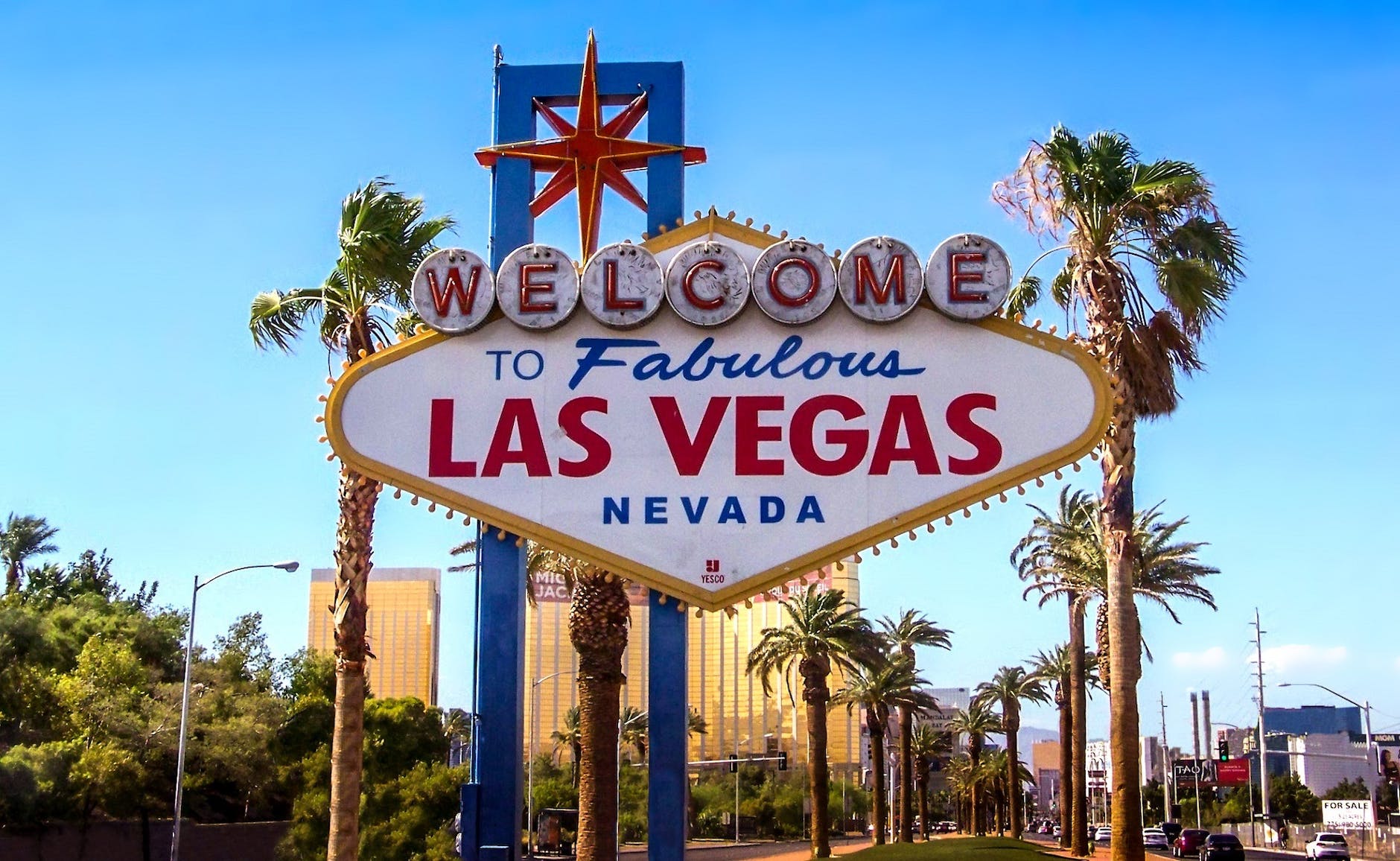
Las Vegas has gambling and all that goes with it, including significant recent investments in sports:

Photo by Pixabay on Pexels.com

In under a decade’s time, the desert city long known for its casinos, food and live entertainment has become the home to four major league sports teams (the latest being MLB’s Athletics), six minor league teams, a major sports organization in the Ultimate Fighting Champion, and four large sports venues playing host to events such as NCAA tournament games, NFL Pro Bowls, and, coming this February, Super Bowl LVIII.

At least a half-dozen more venues are in the planning stages, and the city appears poised to be one of the top picks for an NBA expansion team and an MLS team, as well…

The initial economic impact estimates for Sunday’s Formula 1 Las Vegas Grand Prix and the February 2024 Super Bowl were $1.3 billion, and $500 million, respectively. (But this was before ticket prices slid for F1 when the championship was won earlier in the season).

That total would match the estimated $1.8 billion contributed to the metro area by all sporting events from July 2021 to June 2022, according to an economic impact study released this summer by the Center for Business and Economic Research at UNLV’s Lee Business School.

Earlier research on public money used for new stadiums suggested teams benefit the most from that spending. Will the money spent here on facilities increase the size of the economy, generate additional new jobs, and other benefits or does it simply shift money around? Will residents and businesses move to Las Vegas just because of sports?

Perhaps the pitch with Las Vegas is that it has the added bonus of lots of tourists. If some of them can be enticed to sporting events and other local attractions, this is extra money. This might work for major events, but I would guess it is harder for a regular season MLB game.

Here is just one guess of how this all might look in 10-15 years: local officials will say that sports helped enhance the city’s status, the team owners will be happy with their facilities and revenues, and the local economy will not be enhanced much just because of sports (when accounting for the debt and costs associated with sports).

Why not let every Chicago suburb pitch the Chicago Bears on a stadium deal?

The Chicago area has several hundred suburbs. Why not have dozens of them submit proposals to the Chicago Bears for a stadium and surrounding development? If the goal is to get the most tax breaks and make the most money, this is how Amazon and other large firms operate.

Here is one satirical look at some options:

Winnetka

Cheap Uber rides to the stadium for the McCaskeys from their North Shore abodes. Every dollar saved counts…

Blue Island

A local referendum changing the town’s name to “Black and Blue Island” could seal the deal. Fans would travel from remote parking lots to the stadium via a scenic barge ride on the Little Calumet River…

Batavia

In conjunction with nearby Fermilab, America’s particle physics and accelerator laboratory, the Bears could find the answers to two of life’s eternal questions: How did the universe begin? and Why can’t the Bears win another Super Bowl?…

Downers Grove

The Bears already have been a downer for many years. Just make it official by building a retractable DownersDome.

The Chicago area is large and there are plenty of possible sites for a stadium. And for most fans, the view of the game on TV will look the same regardless of where the stadium is located.

Playing Chicago suburbs off each other to get the best deal for the owners of the Bears

Which Chicago suburb might give the Bears the best option to make money off a new stadium and development around it? Enter Naperville, the largest suburb in the region:

Photo by Pixabay on Pexels.com

“We will continue the ongoing demolition activity and work toward a path forward in Arlington Heights, but it is no longer our singular focus,” Scott Hagel, the Bears senior vice president of marketing and communications said in a statement. “It is our responsibility to listen to other municipalities in Chicagoland about potential locations that can deliver on this transformational opportunity for our fans, our club and the state of Illinois.”…

This isn’t the first time there’s been hopes of a Bears move to the suburbs. Through the years, the Bears have considered sites in Hanover Park, Hoffman Estates, Aurora, Elk Grove Village and Waukegan. And once before in Arlington Heights.

Wehrli’s letter touts Naperville as accessible through major highways, such as the east-west Interstate 88 and the north-south Interstate 355, as well the city’s downtown Metra train station. There are also Metra stops in nearby Lisle and on Route 59 in Aurora.

The meeting is a major splash for Wehrli, who was elected in April and has been mayor for only a month. A lifelong Naperville resident with family roots in the community dating back to the 1840s, his letter to Warren stresses the impact an NFL stadium would have on the city.

This strategy works for the Bears because they can seek out a community that will give them a good deal on land, permits, taxes, and more. Their goal is to make money off the stadium and nearby development.

This strategy might work for individual suburbs beyond Arlington Heights. If the Bears do not come to Naperville, does the new mayor lose anything by reaching out? Even a short conversation keeps his community in the news. If the Bears come, it could be touted as a big deal. (On the other hand, just as some residents and taxing bodies in and near Arlington Heights are not thrilled about the Bears locating there, I imagine there would be some resistance in Naperville.)

Ultimately, providing public money for stadiums tends to benefit the team owners the most. Someone will host the Bears in the future but the team will end up as the biggest winner.

Nashville, you do not have to commit $1.2 billion in public financing for a new Titans stadium

Leaders in Nashville approved a lot of public financing for a new dome for the Titans and other uses:

Photo by Pixabay on Pexels.com

The Metro Nashville City Council approved by a 26-12 vote early Wednesday morning on the final reading to allow its sports authority to issue $760 million in bonds. That combines with $500 million in state bonds for more than $1.2 billion in public financing committed to the Titans’ enclosed stadium…

The stadium’s total cost is estimated at $2.1 billion. The Titans, with help from the NFL and personal seat licenses, will provide the remaining $840 million. The new stadium will feature a translucent roof with a capacity of approximately 60,000.

This stadium will allow Nashville and the Titans to bid for a Super Bowl, Final Fours, College Football Playoff games and more. Burke Nihill, the Titans’ president and CEO, said they are excited at the chance to host some of the world’s best events…

A new 1% hotel/motel tax, all of in-stadium sales tax and 50% of sales taxes from 130 acres around the stadium will pay off the bonds. The Titans and city officials announced an agreement in December that includes a new 30-year lease. The team agreed not to leave Nashville during that lease.

If I am reading this correctly:

  1. More than half of the costs of the stadium are coming through public financing.
  2. A number of new revenue sources – hotel tax, sales taxes from the stadium and the surrounding property – will pay off the bonds.
  3. The city thinks this deal will be good because it keeps the team and allows for additional events in Nashville.

My question: who benefits the most from this arrangement? The Titans and their owners. One source has them valued at $3.5 billion August 2022. This puts them toward the bottom of the NFL rankings. A new stadium boosts their value.

Research shows that while political and business leaders tout the advantages of new stadiums (jobs, status, energy, events, tourists, etc.), the money spent at the stadium would be spent elsewhere in Nashville. The city already has a lot going for it. The Titans and the stadium are part of the scene but they are relatively new in the city and there are plenty of other entertainment and tourist options for residents and visitors. Were the Titans really going to leave? (Of course, this is a team that left their previous city…)

But, the NFL generally gets what it wants for its owners. Nashville will try to sell this as a win for the city and region but the ultimate winners are the team owners.