The era of the American $1 million starter home – in some locations

A new Zillow report suggests entry-level homes are quite expensive in some locations:

Photo by Kindel Media on Pexels.com

The Zillow analysis found that the typical “starter home” was worth at least $1 million in 233 cities as of March. That’s a huge jump from five years ago, when just 85 cities had million-dollar starter homes.

This is quite different than the average starter home home price across the country:

Nationally, the typical starter home is still relatively affordable at $192,514, but Zillow’s findings underscore just how dramatically prices have surged in many areas since the pandemic.

The real estate website defined starter homes as those in the lowest third of home values within a region.

The expensive starter homes tend to be in certain regions:

The New York City metro area, which includes parts of New Jersey and Pennsylvania, led all metros with 48 cities where a typical starter home costs $1 million or more, according to Zillow.

The San Francisco metro had the next-highest count at 43, followed by Los Angeles (34), San Jose, Calif. (16), Miami (8) and Seattle (8). 

Put differently: any homes, including the cheapest ones, are very expensive in the most expensive markets. Starter homes in much of the rest of the country are not as expensive (this does not necessarily mean they are affordable but they are not at the price level of these expensive metro areas).

So if someone wanted to tackle this problem, it seems like it is a matter for these particular regions. They struggle to build affordable housing or even reasonably priced housing. They have particular local politics that make it difficult to construct more residential units. They are attractive places because of jobs and cultural amenities but they do not have the housing to keep up with the demand.


Crosses on churches vs. the popularity of cross necklaces

I found crosses on church buildings and online profiles are somewhat common but why bother with building architecture when cross necklaces are trending?

Photo by Tima Miroshnichenko on Pexels.com

As a millenniums-old symbol of Christian faith, the cross would seem somewhat immune to trendiness. But cross necklaces and pendants have been in vogue before and may be again as some feel more comfortable embracing their faith and seek community with others.

On red carpets, on social media, at protests by high-ranking Democrats and in the White House, necklaces with cross pendants are appearing with renewed prevalence. Chappell Roan wore an oversize one to the MTV Video Music Awards in September, and one dangled from Sabrina Carpenter’s neck in the music video for her single “Please Please Please.” The trendy online store Ssense sells them in nearly 50 variations, and mainstream jewelers like Kendra Scott and Zales carry numerous designs.

Lately, the cross necklaces flash across cable news screens several times a week, suspended between the collarbones of Karoline Leavitt, the White House press secretary, and Attorney General Pam Bondi…

Over centuries, the cross evolved as a signpost of the moral compass one shares with fellow Christians and a kind of talisman with deeply personal significance. “They have an official meaning but people bring their own meaning, which is where symbols really get their power,” said Mr. Covolo, 58, who in 2020 published a book about the link between Christianity and fashion.

The article suggests two primary reasons for more worn crosses: (1) strengthening/expressing one’s own faith and (2) identifying with religious communities. This speaks to two important elements of religious faith: knowing and living out one’s one faith and participating in community with others.

At the same time, this seems like it is part of the larger pattern of individualizing or privatizing faith in the United States. The individual makes choices regarding their faith and practice. They choose to display it or not. They pick a level of involvement that works for them and their stage in life. A necklace or pendant can be added and taken off. (This might be contrasted to religious tattoos, for example, that are more permanent.)

This all makes sense in a religious marketplace where the consumer is the key actor. Crosses on church buildings or online profiles could function in similar ways: religious communities have to brand themselves as a cross is a known marker of the Christian brand.

Would cross necklaces and pendants be something different in societies with other settings?

“Visiting…is a spiritual experience” in what used to be a church

An article about visiting Hagia Sophia in Istanbul begins this way:

Photo by Emre Can Acer on Pexels.com

Whether you’re a believer or not, visiting Hagia Sophia is a spiritual experience. The architectural genius of this place of worship — which was built as a church in 537CE before its conversion into a mosque in 1453 — creates an illusion of vastness. It feels like the space starts to expand when you enter the building.

I bet the builders of the church intended for this to be the case: being in the religious space was to be “a spiritual experience.” I was struck by the contrast of this versus what people today might experiences in religious buildings. Not many religious buildings can come close to the scale or the history of Hagia Sophia yet how many of them regularly help produce a spiritual experience for visitors?

Many congregations have moved away from architecture and design that could prompt a spiritual experience. Perhaps they want to have a space that can serve multiple functions. Perhaps they have limited resources and so are renting a building. Perhaps they believe architecture and art distracts from the true goals of gathering together. Perhaps they utilize modern styles which not everyone interprets as spiritual.

Having co-authored a book about religious buildings, I also find the idea that one could have a variety of or no religious beliefs and still have a spiritual experience in this building interesting. Is this because it fits some template of what religious buildings could be or because of its particular architecture or its history? The building connects with human needs and aspirations? That a building could produce such emotions is worth considering further through study and experience.

Is mass transit best pitched to Americans through comparisons to places where it is plentiful and works well?

Many Americans and American communities have resisted using mass transit or devoting more money to mass transit. In reading a recent pitch for Americans to prioritize it more, I was struck by one line of argument: describing places where it worked well. Might this help convince people?

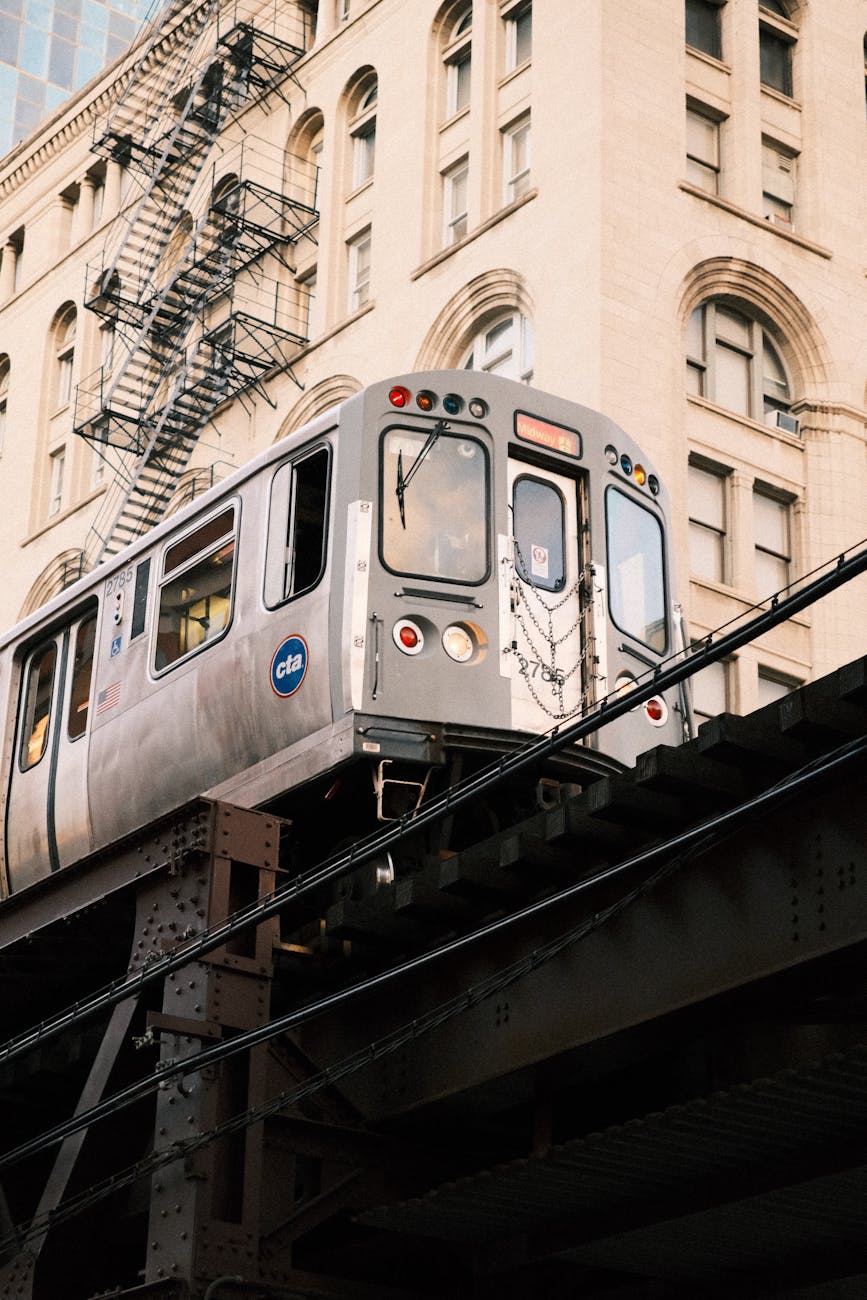
Photo by Alec Adriano on Pexels.com

The discussions of the possibilities and perils of mass transit in the Chicago region included these comparisons. First, a contrast to another American city:

One of my stepdaughters recently relocated to Atlanta and returns home with a greater appreciation of our transit system.

A sprawling region like Atlanta can highlight how places with more transit in place – like Chicago – are appealing.

Second, comparisons to other major cities shows how far Chicago and other American cities can go:

“My wife had to go to Japan for work earlier this year. She was blown away that the train was 20 seconds behind schedule and how effusively the people apologized for it. I’m like 20 seconds?” Buckner said.

On vacations, Buckner subjects family to his transit nerdiness. Istanbul’s train terminal has a library inside. London has one of the best in the world. Beijing’s rapid transit is top-tier. Paris’ is fantastic. Seamless, quick and clean.

There are all world-class cities, like Chicago. If have efficient and elegant mass transit, why shouldn’t Chicago?

One issue might be whether a sufficient number of Chicagoans have been to these places. How many have gone to Atlanta, driven around the metro area, and found the traffic and experience worse than getting around Chicago? Or gone to Beijing or Paris and used the mass transit.

Another issue is that these comparisons may resonate and still pale to the issues of mass transit in Chicagoland or the liking people have for driving.

Overall, it appears to be hard to convince Americans to move away from driving. Whether they deeply like it or not, it is often the default after decades of policy decisions, cultural narratives, and choices made by numerous actors,

Sociologist Herbert Gans and The Levittowners

Earlier this week, sociologist Herbert Gans passed away. From what I have read of postwar sociology studies of the growing American suburbs, I would place his 1967 book The Levittowners at the top of the list:

Similarly, Dr. Gans challenged conventional wisdom about postwar suburbia in “The Levittowners” (1967). For more than two years, he lived in Levittown, N.J., later renamed Willingboro, and concluded that the residents had strong social, economic and political commitments, and that notions of suburbanites as conformist, anxious, bored, cultureless, insecure social climbers were wrong.

Here is my summary of the book in the Oxford Bibliographies entry on “Suburbanism”:

Gans moved into one of Levittowns, located in New Jersey, in its infancy and lived there for several years. The book challenged several critiques of mass produced suburbs including homogeneity, blandness, and that suburbs damaged families and individuals. However, Gans suggested Levittown had its own problems including limited activities and space for teenagers, ongoing conflict, difficulty engaging with pluralism, and unresolved tensions between private home life and community structures.

For example, here is what Gans concluded about what shaped the community in the new suburb:

Perhaps the most significant fact about the origin of a new community is that it is not new at all, but only a new physical site on which people develop conventional institutions with traditional programs. New towns are ultimately old communities on new land, culturally not significantly different from suburban subdivisions and urban neighborhoods inhabited by the same kinds of people, and politically much like other small American towns. (408)

On this point, he thought the Levittowners showed similar characteristics to what De Toqueville found in American civil society.

At the same time, he expressed critiques of the new suburban life. Here are my notes from pages 431-432 about his recommendations: “(1) most important priority for future suburban planning is the population mix (2) suburbia must be made available to all who can and want to come – especially made available to poor and nonwhite families (3) communities should be planned with block homogeneity and community heterogeneity.”

Many others have studied suburban life and communities but this thorough study set a high bar.

Flipping mobile homes for profit

Fixing up mobile homes offers an opportunity for some to make money:

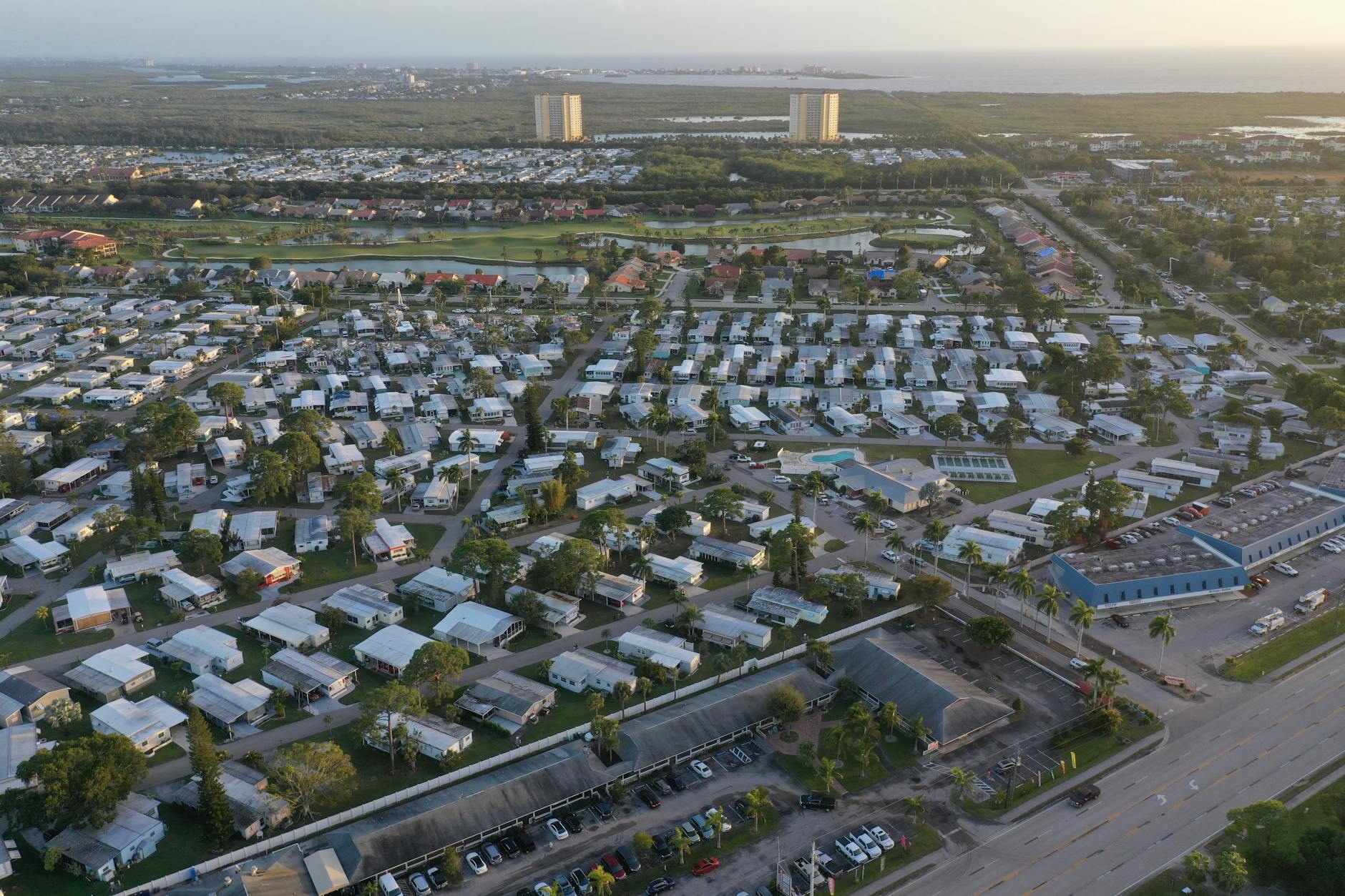
Photo by Nick Adams on Pexels.com

This is mobile home investing, an unsexy, little-known sector that happens to be recession-proof, meeting a nearly bottomless demand, and earning some of the best returns in the housing industry. Its low price of entry is allowing an entirely new crop of entrepreneur — many of them Black, as the Sellerses are, or coming from very modest backgrounds. (A 2021 survey by the National Association of Real Estate Investment Managers found that 73 percent of industry workers are white males.) With housing costs rising across America, many mobile home flippers are finding the opportunities so plentiful that they’re now training other wannabe real estate moguls in the practice, earning a significant chunk of their income from mentorships and tutorials that help more people like them enter the field.

While they don’t get a lot of attention, mobile homes — “manufactured housing” per marketing and policy wonks, or “trailers” in other circles — are the country’s biggest source of unsubsidized low-income housing, providing shelter to 21 million Americans. As the nation’s housing crisis grows, they’re becoming increasingly attractive to people who can’t afford a traditional site-built home. Between 2014 and 2024, the number of new manufactured homes shipped across the country increased by over 60%, according to census data…

The work does require a lot of elbow grease. Some units just need a good cleaning and a fresh coat of paint; others have rotted subflooring, old insulation, and broken windows that all need replacing. After that, the investor will have to market and sell them on Facebook Marketplace or Craigslist, either outright to a buyer or wholesaler, or through seller financing. Investors say the downsides of the mobile homes business aren’t much different from those of other real estate fields: homes that turn out to be in worse condition than the buyers had thought, difficult tenants, unscrupulous contractors.

The sector’s high returns are often characterized by desperation. Facing a lost spouse or job or some other hardship, sellers are often willing to dispose of a home cheaply because they need the quick cash. Buyers are hungry for something, anything, they can afford. They aren’t looking to build equity; they’re seeking shelter, at a time when both conventional homeownership and rentals have soared out of reach for many. Mobile homes exist in an alternate reality, one where a home purchase can be completed in a day without the help of attorneys or appraisers, where the cost of a used unit floats depending on its actual value to the buyer and seller.

An interesting look at the intersection of flipping culture – who doesn’t want to make money on housing? – plus a big need for affordable or cheaper housing across the United States.

Several questions come to mind:

  1. At what point do the returns on flipping mobile homes limit investor interest?
  2. How many people might be priced out of mobile homes because of flipping?
  3. Does any of this help raise the status of mobile homes which tend to have a stigma in many places?
  4. Would we ever see an HGTV show on flipping mobile homes? (Maybe not given their audience.)

How long zoning disputes can take in court, Haymarket and Itasca edition

I have been following the efforts of Haymarket Center to open an addiction treatment facility in the suburbs of Wheaton and then in Itasca. Haymarket filed a lawsuit in federal court and the case is ongoing. Here is where it stands now:

Photo by KATRIN BOLOVTSOVA on Pexels.com

Nearly six years after Haymarket Center announced a plan to open an addiction treatment facility in Itasca, the nonprofit remains locked in a legal fight with the DuPage County town.

Itasca trustees unanimously voted in November 2021 to reject Haymarket’s request to convert a former Holiday Inn into a 240-bed facility for patients with substance use and mental health disorders. In response, Haymarket filed a federal lawsuit against the village in January 2022, arguing that Itasca officials violated antidiscrimination laws.

In the latest twist, a federal judge has ruled the U.S. Department of Justice cannot join Haymarket’s lawsuit against Itasca…

According to the court docket, the two sides continue to depose witnesses and experts and exchange documents. The next court hearing is in July.

Sometimes zoning issues can be resolved fairly quickly. A change is proposed, decisions are made quickly at the municipal level, and matters are concluded.

But this case shows what can happen if the process goes to court. The article says the lawsuit was filed in early 2022. The next hearing is in July 2025. We are three and a half years in and it is not clear when it all might end in court (or be resolved otherwise).

This has consequences for both parties. They have to pay lawyers. The process takes twists and turns. The company and municipality have to keep an eye on everything. They have to commit money and time to an ongoing process with no clear end date.

Is it worth it? I would guess both sides are convinced of their own cause. Is this more of an issue of how courts operate that this amount of time can go by?

Changes in gym spaces by gender and age

If gyms are places that can be segmented by gender and age, some of the older patterns may be changing:

Photo by Victor Freitas on Pexels.com

The message from Americans is simple: Jogging on a treadmill or sweating over a stationary bike in a room full of strangers is out; moving heavy objects is in. But, in a twist, it’s not muscle-bound men who are changing America’s workouts. It’s women and older Americans who’ve made gyms prioritize strength training. “More older people, more women, more young people, even, are lifting weights than ever before,” says fitness author and influencer Casey Johnston. “When I started lifting, there was still a lot of apprehension around it in terms of ‘it’s really macho, it’s too intense for most people.’”…

The current fixation is being triggered largely by social media. If the treadmill is dying, internet influencers are the killers. Open most apps, and the message is clear. For men, bulging biceps and broad shoulders. For women, toned arms and sculpted glutes. “Swole” is the marker of peak physical health…

The increasing number of women and older people getting into weightlifting has been a striking cultural change. Wiedenbach, the New York gym owner, recalls that gyms were more gender-segregated in the early 2000s. “Back then it was very much split: There were treadmills—those were for girls—and there were weights, and those were for guys. And never the two groups would meet,” he says. In those days women made up just 10% of his clientele; now it’s closer to 40%.

Older Americans are hitting the weight room more often too. “Everybody talks about longevity now, and having strength and having muscle mass is a key indicator in longevity,” says Noam Tamir, founder and CEO of TS Fitness, which offers small workout classes in Manhattan.

This highlights broad shifts across a lot of locations. What does this mean for:

  1. The day to day experience of gym-goers. How much has this changed users’ sense of their workouts? Their interactions? Their willingness to stick with that gym or change facilities?
  2. How spaces within the gym are constructed. It is one thing to swap out one set of equipment for another; how else (if at all) have the spaces changed?
  3. Have broader conceptions of gyms and who goes there changed? It might now be a different experience (see #1) but it could take a while for the general public to catch up with this. Where might people learn about gyms?
  4. Do these changes mean more people will exercise? Are gyms now regarded as more inclusive or welcoming or are there barriers to learning about using weights?

Prominent crosses Christian congregations feature outside, inside, and online

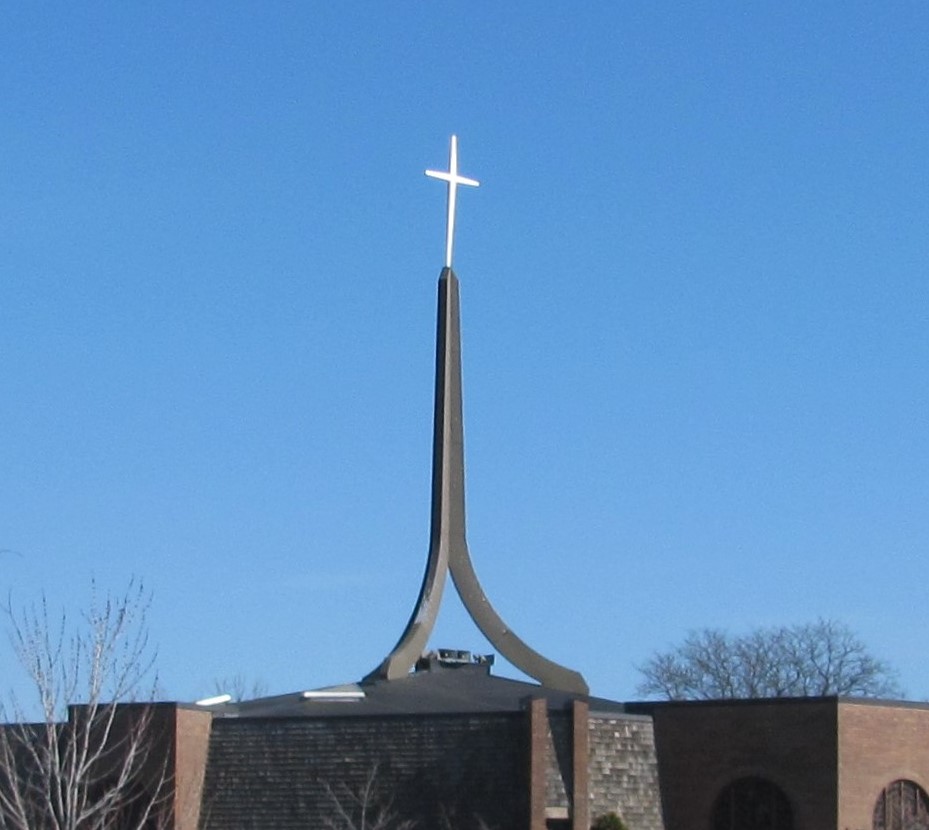
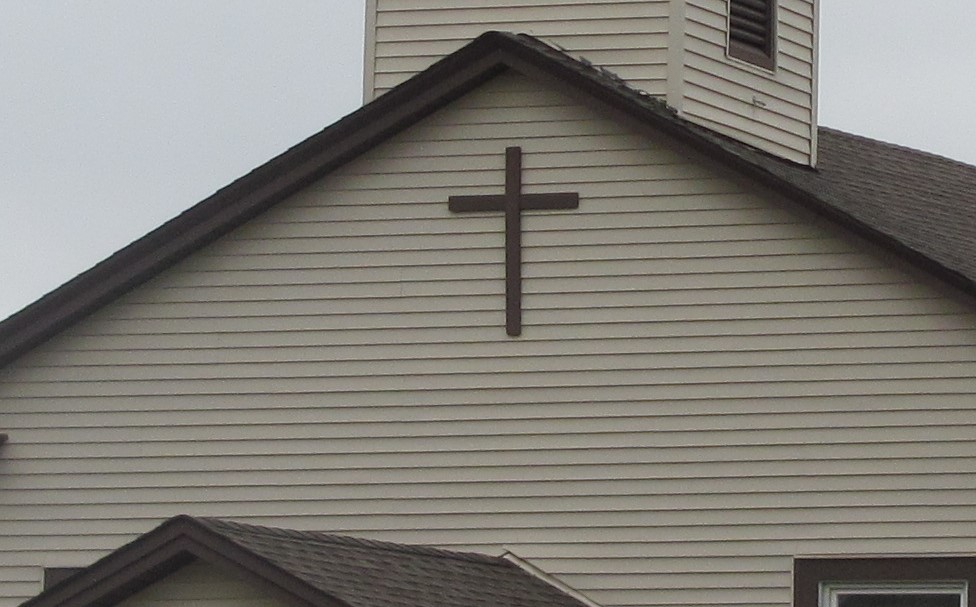
Working on some recent research involving religious buildings and also celebrating Easter yesterday, I was reminded of how many Christian churches feature crosses. Here are several local examples of church exteriors:

Not all churches have crosses on the outside. Some congregations want to avoid looking like a church and this could include eschewing traditional features like crosses or steeples. But many do feature crosses on the sides of buildings, on roofs, and on signs.

Similarly, if one were to walk into Christian churches, crosses are often present. They may be behind an altar or hanging on a side wall or incorporated in art or a bulletin.

And in looking for religious congregations online, I found many also feature crosses in the images they use. For example, in Facebook profile pictures and cover images, many Christian congregations feature a cross somewhere. In searching for congregations, a cross is a very common image one will find on social media and websites.

For these congregations that feature crosses, they likely see it as part of their theological foundations and part of their message of who they are. Christians are people of the cross and they share that image with the world. Whether one finds a congregation in a storefront, a school, an older religious building, or an online space, they are likely to find a cross somewhere and often prominently displayed.

Rapid population growth in Florida and Texas now slowing?

What happens if communities in Texas and Florida are now not growing as fast as in recent years?

Photo by brian neeley on Pexels.com

Fewer Americans are moving to boomtowns in Florida and Texas – once red-hot destinations that saw surging populations and soaring home prices.

Tampa, FL, had a net inflow of just 10,000 residents last year, according to fresh data from Redfin. That is less than a third of the 35,000 in 2023…

Meanwhile, Dallas – one of several Texas cities that boomed during the Covid-19 pandemic – saw a net inflow of around 13,000 residents in 2024, also down from 35,000 the year prior. 

Americans had previously been drawn to Sun Belt cities due to their warm weather, low tax rates and affordable housing compared to coastal cities.

But that appeal is fading fast. The cost of living has jumped, thanks to rising mortgage rates, skyrocketing home prices, and higher fees for insurance and HOAs – particularly after a string of natural disasters.  

Several long-term consequences come to mind in addition to the effects on the local real estate markets:

  1. Growth is good in the United States for a place’s status. To not grow – or even to level off – is considered bad. These places will be viewed as less desirable overall if they are not rapidly growing.
  2. How does this change local planning and revenue projections? Imagine you see growth going at a particular pace for a certain time. If that growth does not occur, there could be major changes in budgets and land use. (Whether these possibilities should have been factored in is another matter; who would have factored in a global pandemic?)
  3. What other places will take over as being the fast-growing places? Will places in Arizona or Idaho (or the West more broadly) look more attractive? Or perhaps just population growth as a whole slows in ways that few American places are growing quickly?