The ongoing parking issues at American colleges and universities

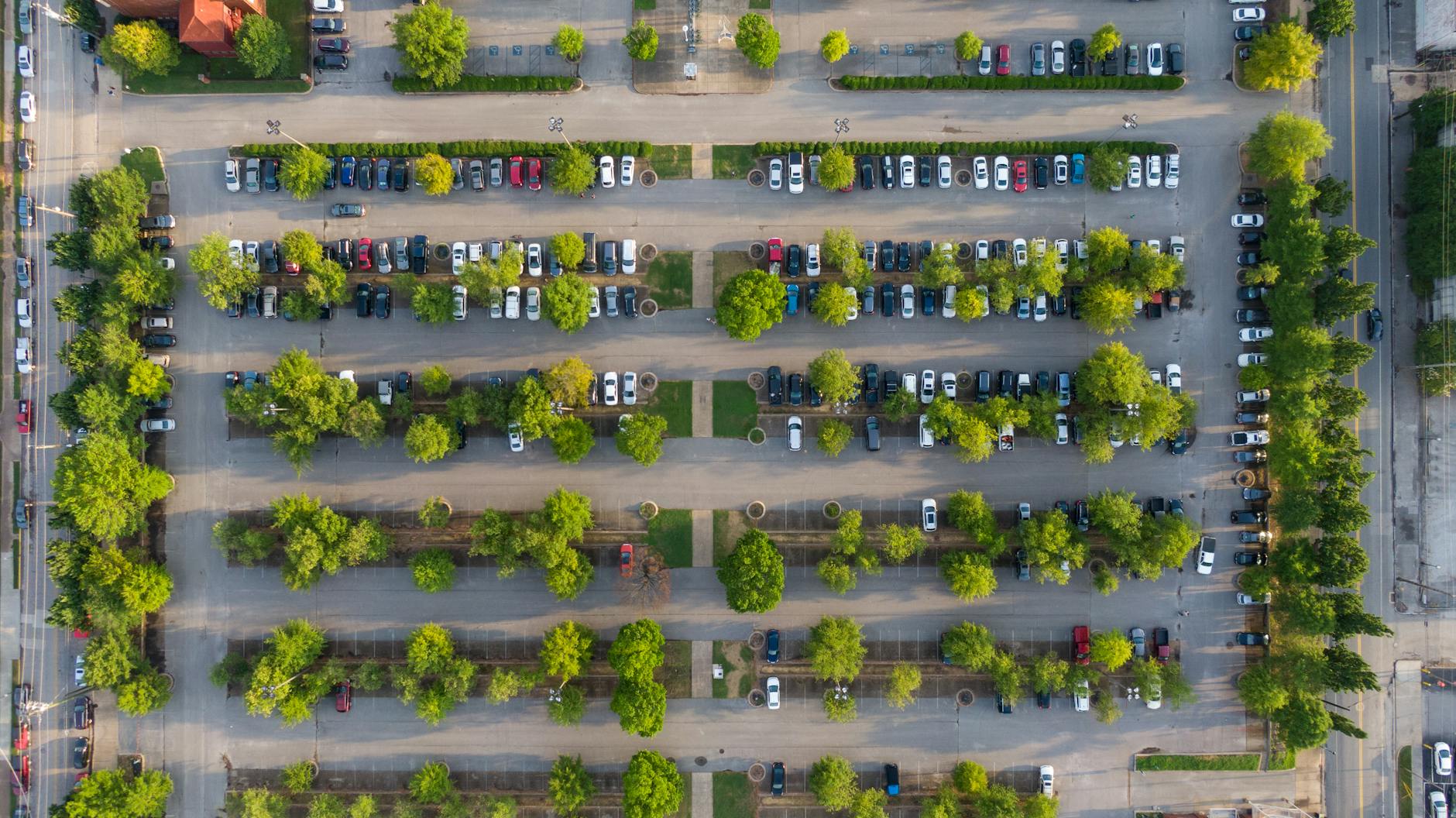
New policies about class scheduling at the University of Utah have touched on an important issue for many campuses: parking.

Photo by Kelly on Pexels.com

Debates about parking, of course, have long been frequent and contentious on college campuses. Clark Kerr, who led the University of California system in the 1950s and ’60s, once described colleges as “a series of individual faculty entrepreneurs held together by a common grievance over parking.”

At Utah, an online petition that has received over 7,000 signatures says that “parking congestion is undeniably a concern that needs addressing, but the solution should not compromise educational quality or student well-being.”

The university, which has 36,881 students and 18,300 full- and part-time employees on the main campus, had a combined 9,314 parking spots in 2024, according to commuter-services data. But the ratio of parking spots to parking permits sold is not one to one. Knowing that not all permit owners will park on campus at the same time, the university sells more permits than they have spots, which aggravates many students. For example, though the campus last year had 5,843 parking spots in “U” spaces that are farther from campus, it sold over 12,000 permits for those spaces, at a price of $345 for the year.

Still, the lots are never at full capacity, said Collin Simmons, executive director of auxiliary services. While spaces in the “A” lots, near the center of campus, are usually full every day, spots can be found on the outskirts of campus, or within a 10- to 15-minute walk to the campus’ center, he said. But these spots can also be scarce, especially between 10 a.m. and just before 2 p.m., when fewer than 10 percent of the U spots are available, leaving parking-permit owners to circle the lots across campus before they can find a spot.

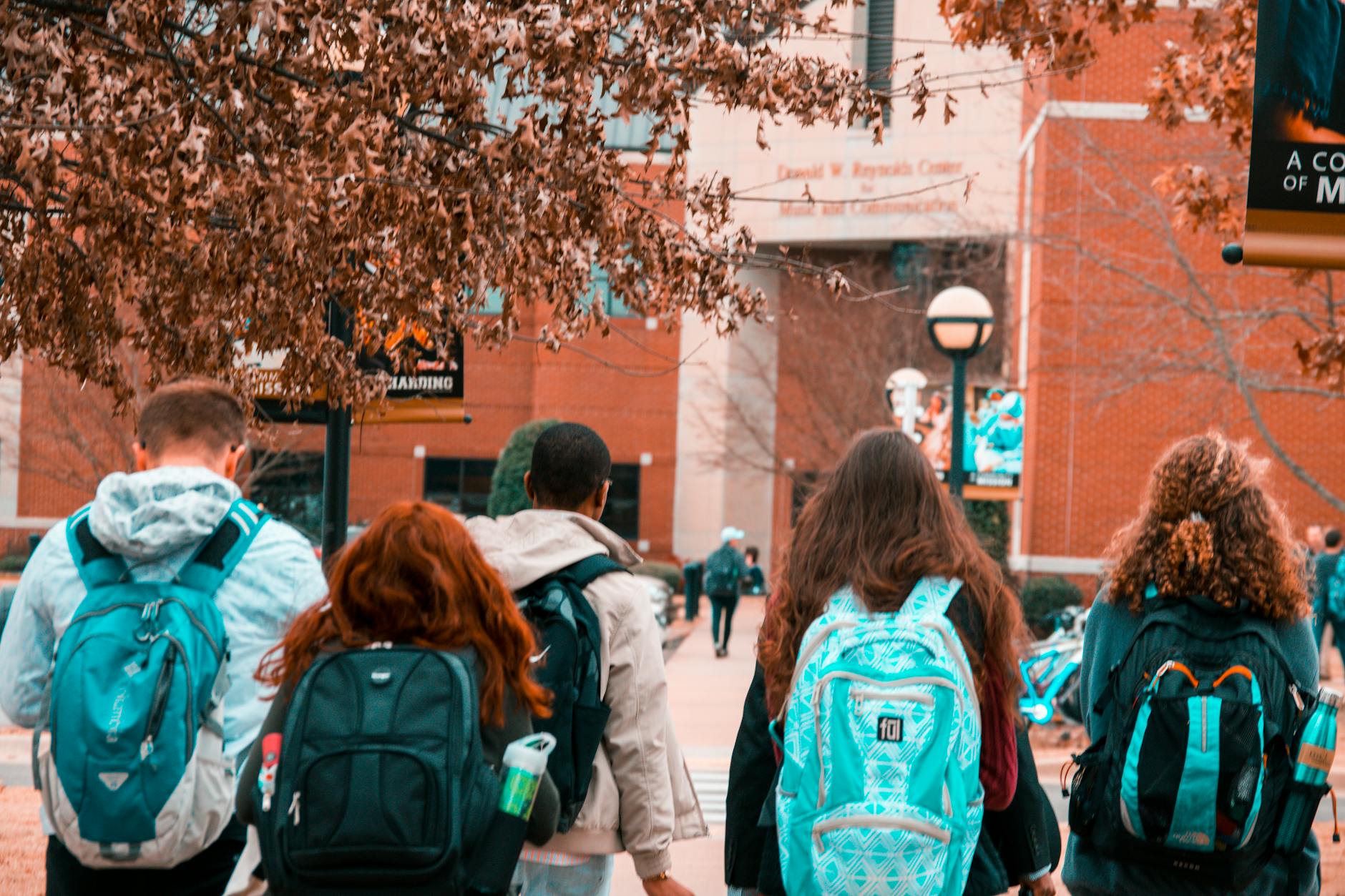
Americans like to drive. So it should not be a surprise that they also like to drive to school campuses. This includes employees who commute to college campuses but also students who may live on or off-campus and want easier access to college buildings.

The description above from one university suggests this is a complex issue to address. I wonder if what every driver wants is this: a close parking spot to where they want to go with little to no cost to the driver. Why should I inconvenienced in reaching my on-campus work or activity?

To provide everyone a great parking spot every time comes with costs. How much does it cost to build and maintain parking lots and structures? A better parking spot for all might cost drivers more money. Would it be worth it? How much land on campus should be devoted to this purpose as opposed to other competing land uses? Colleges have numerous kinds of buildings and landscapes to build and maintain and space can be at a premium for many institutions.

Imagine a different kind of university: all the lower floors of the major buildings are large parking garages. Everyone can park underneath offices, classrooms, dining halls, recreational facilities. While this might get people a parking spot, does it then eliminate the streetscape? Many colleges and universities like to portray a bucolic image of ambling through green trees and lawns surrounded by traditional buildings that look like learning and knowledge.

Not discussed in the case above is whether the University of Utah has alternatives to driving. How many students can or do walk or bike to class? Is there viable mass transit available?

Society enables people through institutions and social movements, part five

Every human is affected by institutions. These durable social collectives outlive individuals, have particular social structures, and can do things that individuals cannot. They are good examples of how society enables people more than it constrains them.

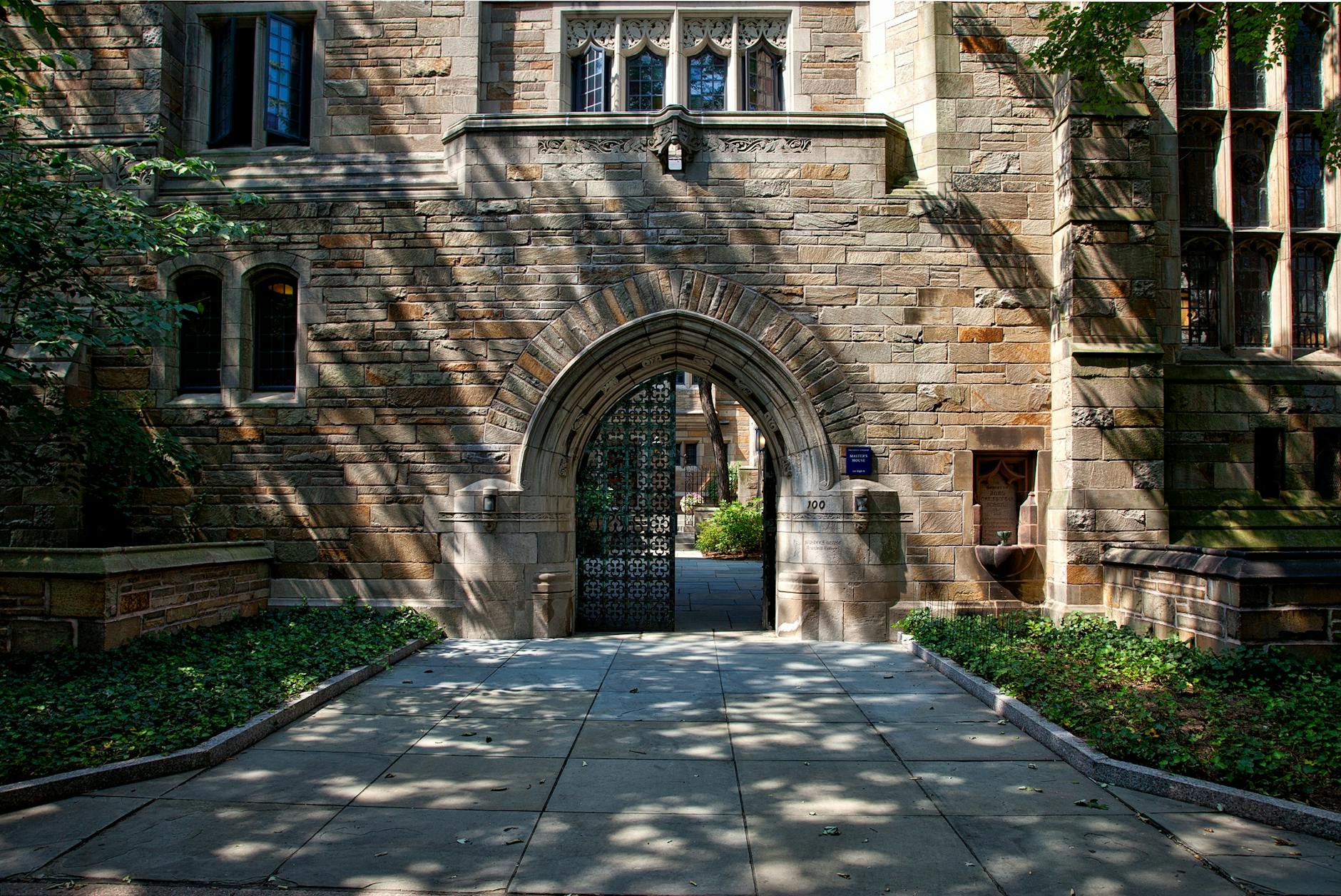
Photo by Pixabay on Pexels.com

Take for example a college or university. This past semester, I taught a class where we looked at American institutions of higher education over time. The oldest institutions are nearly 400 years old while many others have at least a century of history. These institutions have changed in important ways over time – think of the curriculum, their size, their purpose, their values – but they are recognizable in the past and present as places of learning.

No college or university is dependent on the actions of just one person or even a small set of people. We could tell the narrative this way; focus primarily on the president or founder or key leaders. At least some of them likely did consequential things. But there is a broader story to tell of the institution. What did the Board do? How did the college or university interact with legislators or the local community or other actors in higher education? What was the experience of faculty, staff, and students at different points?

As an institution, the college or university can enable people. It can offer classes, experiences, and opportunities that an individual or a small group could not do. There are things it cannot do but there is a reason these kinds of institutions have served societies for hundreds of years.

Institutions are durable and enabling. How might one change an institution or set of institutions? Social movements are mass movements of people working toward a common goal. They are relatively unusual; it takes a lot of effort to get large numbers of people to do something. To organize a local protest or march or campaign needs organizers, participants, resources, and a space. They get receive attention and can rally people to a cause.

And even then, social movements often need openings or certain conditions where what they ask for can be achieved. Hundreds of thousands of people might march within a country and nothing happens. Or it might take years and decades for a movement to see change happen. Successful movements are remembered for a long time because they harnessed the activity and actions of many people and changed societies.

In both of these examples, people are empowered. Institutions can constrain people and they are often associated with bureaucracy. However, bureaucracy exists because large complex institutions need ways to structure their activities. Social movements can fail to reach their goals or disappoint the people who participate. However, they can achieve things that only large numbers of people working together can do.

Scaffolding assignments for class, scaffolding tasks in life

As I do some final planning for courses this semester, I was reminded of the scaffolded final assignments I now have in each class. These involve having multiple steps that contribute to a final product, usually a research paper, at the end of the semester. At each point, students work on a portion of what will be the final product and receive feedback. I have generally found this helps lead to better final projects and more learning over the course of the semester compared to having a big assignment due at the end with little preparation or feedback beforehand.

Photo by Josh Sorenson on Pexels.com

But this is not just for school assignments. This is often helpful for getting tasks done. People might go about this in different ways. Imagine doing a little of a task each day – such as cleaning one level of a house – and it adds up to being done. Or working hard on something for a set amount of time and then taking a short break before going back to the task. Or putting in practice time each day and it adding up to more in the long run. Indeed, how often do we set out to accomplish something that goes beyond a simple task and get it all done in one sitting? It may be possible – but scaffolding often helps.

What if one important skill to be learned here is how to learn how to break complex tasks into manageable steps over time? Being able to consider a task, see how it can be effectively subdivided, finding the time to do those parts, reflecting on the progress after each part is completed, and then putting it all together into a final product. A classroom can provide an opportunity to practice this with some guidance.

South Alabama, Ohio University, and others have become the lower minor leagues for the big time college football teams who then feed into the NFL

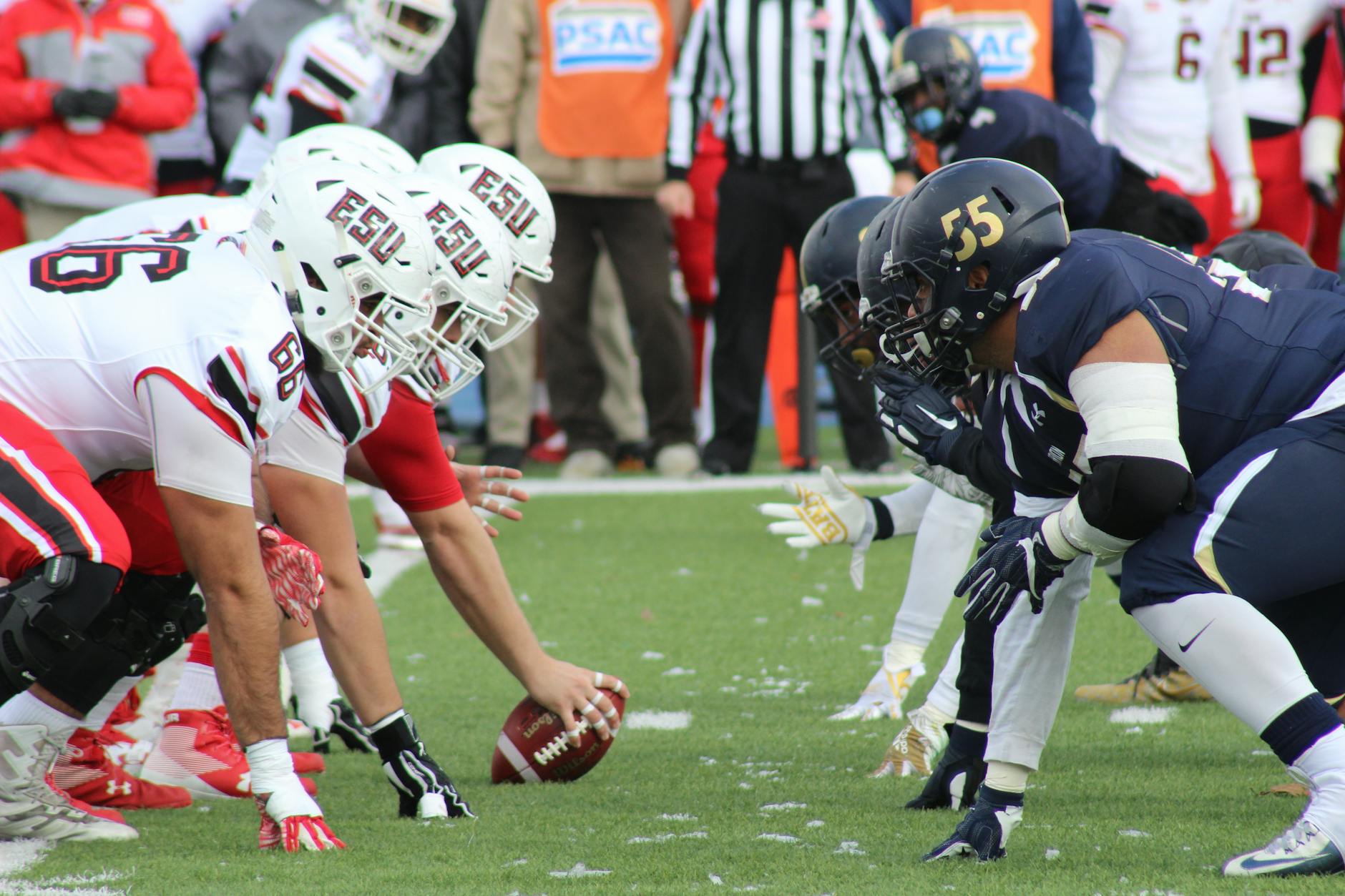
Watching several big college football games yesterday, I tried to focus on the number of transfers playing for Power 5 teams. Sometimes these transfers come from other big programs but they also now come from small schools were players have proven themselves. And then when they do well, they get the call-up to the 10-20 teams that might challenge for a national championship. And then they might get the call-up to the NFL.

Photo by football wife on Pexels.com

To some degree, this has always been true in college football. But with the ease of transfers and NIL money, it seems like a new era is underway. The player who might never get recruited at a top team at the end of high school could be a hot commodity after several successful in the lower minor leagues. This might be especially true of quarterbacks; instead of going through years of developing someone, big programs can pluck a veteran transfer who can step right in.

How much more like the minor leagues can college football get? Will this help prompt separating the football from the education side? The number of transfers from smaller programs to bigger ones might play a role.

More colleges in places with higher costs of living

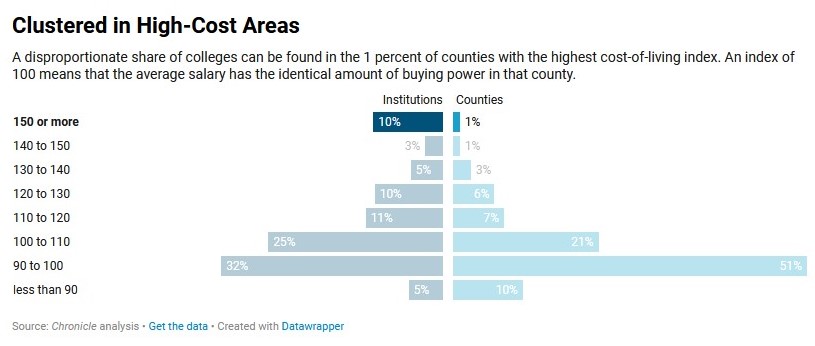
Where do colleges tend to be located? This graph in The Chronicle of Higher Education uses one metric:

Two quick thoughts in response:

  1. Does the presence of these colleges over time help contribute to a higher cost of living? I am reminded of Richard Florida’s argument about the creative class. If I remember the analysis correctly, places with colleges tend to have higher percentages of creative class residents. And he suggests colleges and universities can help attract people and development.
  2. When Ben Norquist and I looked at the locations of smaller Christian colleges, we found they tended not to be in the biggest cities (which account for some of these higher cost of living places). In contrast, research schools are often in big cities according to the article: “Almost a third, or 32.2 percent, of colleges in The Chronicle’s analysis were in counties where cost of living was at least 15 percent higher than the national average. The types of institutions found in these expensive regions tended to vary. About 10 percent of doctoral-granting universities and 23 percent of four-year special-focus institutions (like those specializing in health professions or religious training, for example) are in the priciest 1 percent of the nation’s counties, where the cost of living is more than one-and-a-half times the national average. In contrast, nearly half of associate- and bachelor’s-granting institutions were in counties with below-average costs of living.”
  3. The other category with a larger percentage discrepancy is among the percentage of institutions in counties at 90 to 100 in cost of living.

What past me might have thought about starting Year 16 as college faculty today

Today marks the start of my 16th year teaching sociology. What would I have thought of this particular marker in the past? Some retrospective speculation:

Photo by Stanley Morales on Pexels.com

-Fall 2020: How many more years of teaching during COVID might there be? This was a semester of teaching masked students sitting six feet apart plus having some students joining class via Zoom. Getting to the next Fall semester, let alone several years down the road, was far from my mind.

-Fall 2009: Starting as an assistant professor, there is much to learn. What did I need to do in the classroom each day? How could I write and publish? How did my institution operate? I was hopeful about future years but the day-to-day concerns of preparing classes took a lot of time.

-Fall 2008: Focused on finishing up my dissertation research. Lots of research and writing to do.

-Fall 2004: The beginning of graduate school in sociology. We heard about how many of us would make it and what we needed to do to succeed. Could I do what someone needed to do to be a sociologist for a long time?

-Fall 2003: Senior year of college begins and graduation looms on the horizon. Does going to graduate school and pursuing academic work sound appealing? You can get paid to teach, think, and spend years on a college campus? Time to get those applications written and sent in.

-Fall 2002: Graduation is a ways away and I am taking a semester off from college and working. Lots of options to consider for the future.

-Fall 2000: College is underway and while teaching holds some appeal, it is exciting to take classes in a range of topics that interest me. A semester later, I will take my first sociology course and soon select that to study.

-Any school year starting before this: little to no thoughts of becoming a college faculty member.

I am sometimes asked when I knew I wanted to be a faculty member and/or pursue sociology as an academic. The short answer: it developed over time.

On the other hand, it is hard to imagine what else life could be like in late August after being a sociologist this long. I have enjoyed teaching, writing and researching, working with students, and serving in my institution. As with each new school year, it is exciting to launch another round of learning and questions and development. That excitement may wax and wane through the academic calendar but today is a good day: the 2024-25 academic year is now underway.

Let an AI robot deliver the commencement address at graduation!

A New York university had a commencement speech – a Q&A with a student leader – delivered by AI:

Photo by Tara Winstead on Pexels.com

The speaker certainly had the résumé for the job. She’d spoken at the United Nations, graced the covers of Cosmopolitan and Elle, and been a frequent guest on the world’s most-watched talk shows.

But she didn’t feel proud of her achievements. She didn’t feel excited to be speaking to the graduates. In fact, she didn’t feel anything at all.

Her name is Sophia, a human-like robot created in 2016 by Hanson Robotics and a “personification of AI in real life,” according to Lorrie Clemo, D’Youville’s president…

Unable to tell personal anecdotes about overcoming adversity or pursuing success, Sophia instead delivered an amalgamation of lessons taken from other commencement speakers.

“As you embark on this new chapter in your lives, I offer you the following inspirational advice that is common to all graduation ceremonies,” the robot said. “Embrace lifelong learning, be adaptable, pursue your passions, take risks, foster meaningful connections, make a positive impact, and believe in yourself.”

If the goal of commencement is to provide a speech that attendees will remember and look to in the future, that is a high bar.

If the goal of commencement is to provide a memorable experience, having a robot talk might fulfill that (even if the speech itself is not memorable).

It might be a niche market but how long until there is an AI robot that delivers a respectable commencement speech and is available for hire at high school, college, and graduate level ceremonies?

How come there are not more colleges with “suburb” or “suburban” in their name?

There are plenty of colleges and universities in the United States named after communities. And many schools are in suburbs outside of cities. But, I had a hard time coming up with colleges with “suburb” or a form of that word in them. Here is the only one listed on a site containing over 6,500 colleges and universities:

Photo by Shvets Anna on Pexels.com

-South Suburban College in South Holland, Illinois.

A good number of schools were founded before the mass suburbia of the twentieth century but many have started since then. Is “suburb” or “suburban” too generic? Does it not provide the level of prestige or status a school seeks? It is hard to drum up for support for a school linked to a sector of a metropolitan region or identified with suburban life?

Assessing public arguments as an academic

Two recent encounters with arguments made – one on a podcast, one in a book meant for a broad reading audience – reminded me of the unique ways academics assess arguments. In both cases, the makers of the argument made connections across different sources and sets of evidence to present a particular point of view. As I considered these arguments, here are two features of my own thought processes that stood out:

Photo by Armin Rimoldi on Pexels.com
  1. A tendency to defer to those with expertise in a particular area rather than assemble broad arguments with multiple data sources. It is difficult to make big arguments with multiple moving pieces as this might cover ground addressed by numerous scholars across different disciplines. In academia, scholars often have fairly narrow sets of expertise. Can one argument adequately represent all the important parts of knowledge? Why not assemble a larger argument from the clear expertise multiple scholars hold rather than try to do it as one person or a small team?
  2. An interest in assessing the methods and form of the argument from a disciplinary perspective. Different academic fields go about the study of the world differently. They have different methods and think differently about what might count as evidence. They put their arguments together in different ways. The content of an argument or the rhetorical force of an argument matter but we often expect them to be presented in particular ways. Go outside these methodologies or formats and academics might struggle to past this.

Based on this, I wonder how well academics can work with arguments made to the public when we have been trained in specific that work within the parameters of academia.

The value of a discipline’s knowledge and methods in a gen ed curriculum (and introducing more students to the discipline)

With sociology removed from the general education curriculum in Florida, at least two arguments could be made opposing the move. The first reason involves the value of the discipline’s knowledge and methods:

Photo by Pixabay on Pexels.com

What do students learn by taking sociology? What is lost if fewer students do? It struck John Reynolds, a professor of sociology at Florida State University, that these are the kinds of questions his discipline can help answer. While the Board of Governors overseeing the state’s public universities on Wednesday voted against a proposal to pause and collect more evidence to assess the impact before taking its vote, the “budding social scientists” in his “Sociology of Education” course were learning the very skills needed to conduct such research. So he walked students through the process in class on Thursday.

Reynolds and his students examined various arguments key players had made for and against keeping sociology. Then Reynolds split the 37 students into small groups and had each propose a research study to evaluate those claims using one of the research methods they covered in the course — school ethnography, intensive interviews, social survey, and analysis of school administrative data. Reynolds plans to award a small prize to each group whose proposals “were most detailed and true to the strengths of the method they were assigned,” he told The Chronicle in an email…

Offering a course as an avenue for meeting a general-education requirement signifies that the state regards it as important, said Alison C. Cares, an associate professor and the associate chair of the sociology department at the University of Central Florida. And while there’s overlap among disciplines — students have many options for developing critical-thinking skills — sociology has something unique to offer, she believes. Sociology is a discipline that “really jolts students out of an individualistic approach,” Cares said. Of course people have individual agency, she added, but at the same time, “there are predictable patterns, based on how society is organized, that make decisions and actions more or less likely.” Understanding that can enhance the way a doctor cares for a patient, or a teacher instructs a student, or a businessperson leads a company.

The second reason involves the way that required general education courses help students find courses and what they want to study:

Students will still be able to take introductory sociology — and it could still meet other university-specific requirements — but professors anticipate that its absence from the gen-ed menu could significantly reduce enrollment. This is partly because of exposure — a large share of students likely have found or been pointed to the course in order to fulfill the social-sciences requirement. Sociology is what one professor called a “found major,” that is, one that students might not have heard about before they get to campus, but fall in love with during their first course…

That’s not the only problem. Some degree programs (or combinations thereof) have such exhaustive requirements that students often look to meet as many of them as efficiently as possible, so they are unlikely to take other courses even if they really want to. The ability to meet a state requirement while taking introductory sociology is especially helpful, Aranda said, for students planning to attend medical school, many of whom have sought out the course since the MCAT added a section on social sciences nearly a decade ago.

I imagine faculty in many disciplines would make this same argument. Their field of study offers a unique perspective that students benefit from. This is the reason we have different academic disciplines: they have particular ways that they study, write, and operate. Additionally, general education classes offer gateways for more students into that field of study. Not all disciplines are represented in required courses so this is valuable real estate.

Sociology and other disciplines will continue to have to make arguments for why they should be included in curricula and why students should take their courses. If college courses and majors are a marketplace where students respond to different incentives, disciplines offer different perceived advantages and disadvantages. Whether this market logic should determine the worthiness of disciplines and their presence is worth debating but there is no doubt that the market does have some patterns and cycles.

As a sociologist who has regularly taught Introduction to Sociology over the years, these two issues come up in this class. What value does sociology have to college students who may never touch sociology again or know little about it? I enjoy teaching sociology and its methods so this is a fun challenge.