Christian faith and the banality of suburbia

Theologian William Cavanaugh considers his childhood and what drew him to faith:

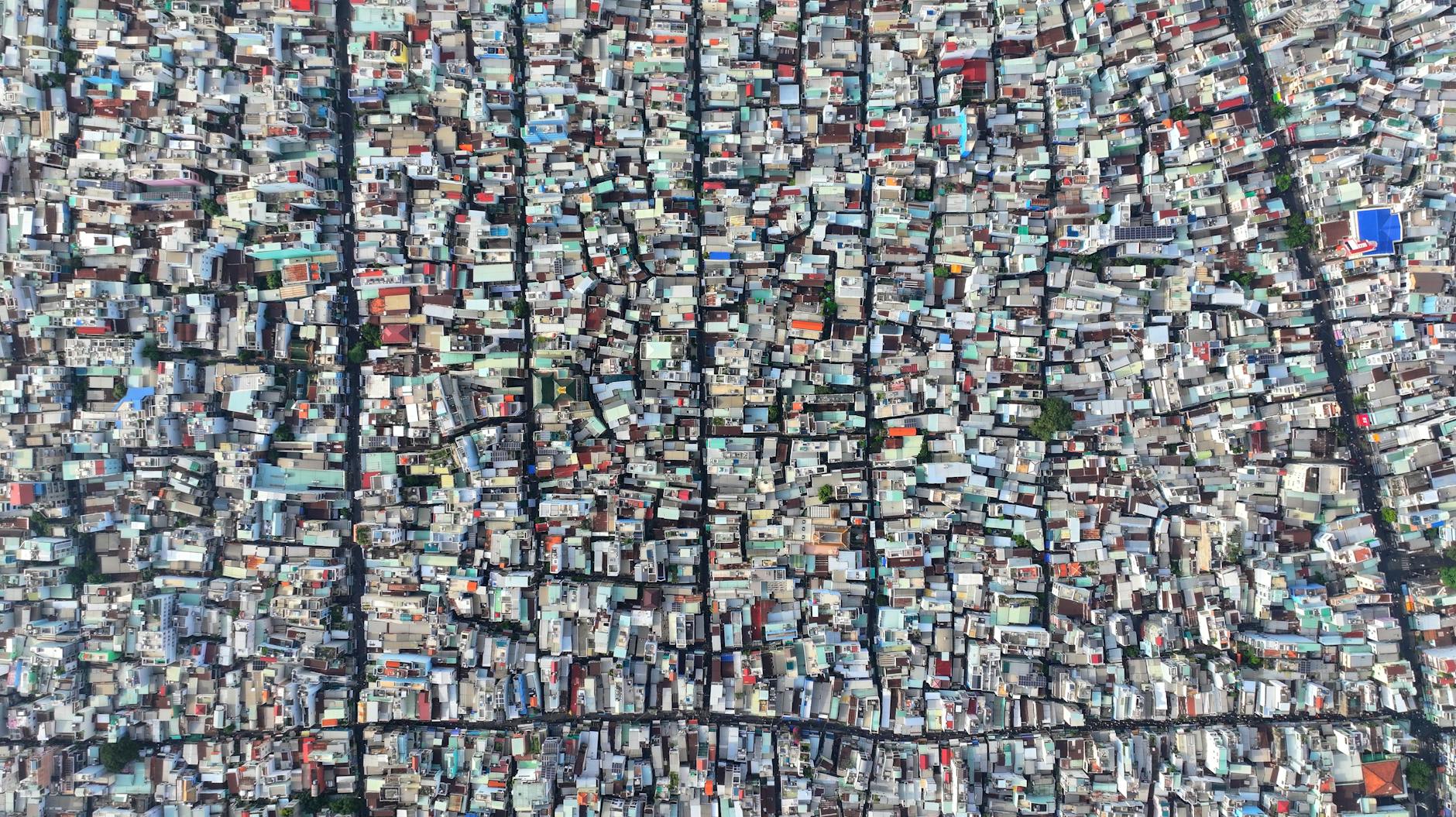
Photo by Huu1ef3nh u0110u1ea1t on Pexels.com

While his parents grew up in a “thick” immigrant culture surrounded by other Catholic families, practices and symbols, Cavanaugh feels that his own upbringing in an assimilating American Church revealed a “thinned” bond. One might hear his future mentor Stanley Hauerwas’ judgment in this appraisal: The Church went out to convert America, but America converted the Church. Devotional objects adorned the Cavanaughs’ suburban Chicago home (until, as teens, William and his sister secretly discarded many of them), but his family’s “practice of the faith was primarily going to church on Sunday.”

Still, he felt Catholicism held out the hope of something “less banal than suburban life filled with Wonder Bread and Gilligan’s Island.” It captured his interest, he says, “precisely for the way in which it was indigestible to mainstream American culture. So, it became my little way of being outside of the mainstream.”

Cavanaugh is not alone in these sentiments. For example, Catholic priest and sociologist Andrew Greeley wondered about the compatibility of Catholic faith and suburban life in his 1959 book The Church and the Suburbs. Protestants of different traditions have echoed similar themes; is it possible to live the American suburban good life and have a vibrant faith?

The particular examples Cavanaugh cites are interesting. “Wonder Bread” began in the 1920s and became a symbol of a booming consumerist economy. Gilligan’s Island was a comedy that ran three seasons on television, another key part of an emerging suburban society. Food and entertainment are pretty central to life today. Did religion in suburbia become another consumable? Cavanaugh suggests Catholicism was “indigestible” for this way of life even as millions found ways to pursue religious beliefs, belonging, and behaviors in the American suburbs.

A big city as “sociological soup”

An economist writing about skyscrapers describes seeing New York City from the Empire State Building in a unique way:

Photo by Nextvoyage on Pexels.com

Together, the center becomes a chaotic yet controlled sociological soup: the mix of the mundane with the mighty. Looking down from the Empire State Building, I can see it all.

Is this a different version of the salad bowl metaphor for society (opposed to a melting pot)?

This reminds me of sociologist Robert Park calling the city a laboratory. Does suggesting it is a soup imply different things about the city?

I wonder if anyone has compiled a large or comprehensive list of metaphors for big cities. Given that they are relatively rare and in human history (a few large cities in the past not withstanding), what are frequent or unique images used to try to understand them? How many metaphors invoke food?

The increasing percentage of income going to homeownership costs

A new report suggests a higher percentage of local income is going toward owning a house:

Photo by Karolina Kaboompics on Pexels.com

The costs of a typical home — including mortgage payments, property insurance and taxes — consumed 35.1% of the average wage in the second quarter, the highest share since 2007 and up from 32.1% a year earlier, according to a new report from Attom.

Growth in expenses, along with mortgage rates hovering around 7%, have outpaced income gains as a persistent shortage of listings pushed the median home price to a record-high $360,000, Attom said. In more than a third of US markets, ownership costs ate up 43% of average local wages, far above the 28% considered to be a guideline for affordability.

The new figures are tied to two other numbers: (1) what were homeownership costs in the past and (2) what are the guidelines for how much money should go toward housing. For the first, it would be interesting to see longer-term data; is 35.1% significantly higher than times in the past? How has this figure fluctuated during different economic and social conditions? When were the periods when average income allowed purchasing homes at lower percentages? For the second, is 28% the recommendation or is 1/3 of one’s income the recommendation or is a higher percentage okay (and particularly in certain circumstances, such as in an expensive housing market or if renting is not as viable)?

At the same time, comparing these current figures to the renting might also be helpful. Is renting cheaper and, if so, how much cheaper?

How to rank skylines – with Chicago finishing 3rd in the world

Architectural Digest has a new ranking of city skylines. Here is their methodology:

Photo by Pixabay on Pexels.com

The world’s most beautiful skylines are more than just collections of buildings placed close together: They’re the façades of entire cities, the front doors to many of the earth’s most vibrant metropolises. It’s these man-made horizons that often offer the first impression to visitors and imbue a sense of home to returning locals. But what exactly makes a beautiful skyline? One that is immediately recognizable? Those that are the most harmonious? The cities with the greatest number of individually striking buildings? The answer, is of course, some collection of all of the above. Like when discussing most aesthetic disciplines, visual examples are far more powerful than description will ever be. To that end, AD has rounded up 17 of the world’s most beautiful skylines, covering notable favorites like New York City and Shanghai as well as some lesser-known stunners that deserve more acclaim.

I do not know if it is better to simply make a subjective ranking or to have a pseudo-scientific ranking of weighted factors. As noted above, there are at least a few factors that could be considered. Here is what I might include:

  1. The most tall buildings. Would places with more tall skyscrapers automatically rank higher?
  2. The most lauded buildings. Does this come back to you particular architectural styles? Or the architects connected to them? Or the number of social media images with each building in them?
  3. The setting of the skyline. Does the view of the buildings include water or mountains or another impressive natural feature or other built features (the rankings above mention bridges)?
  4. The age of the skyscrapers. Does it matter if many of the buildings are older or if many are newer?
  5. The tourism connected to the skyline. Do people come to this place to see the skyline? Would someone go out of their way on a visit to try to take in the whole skyline?
  6. The opinions of a range of experts. What do they see as the best skylines? It could be interesting to see who is considered a skyline expert.

And among these possibilities, Chicago ranks #3. Here is the description:

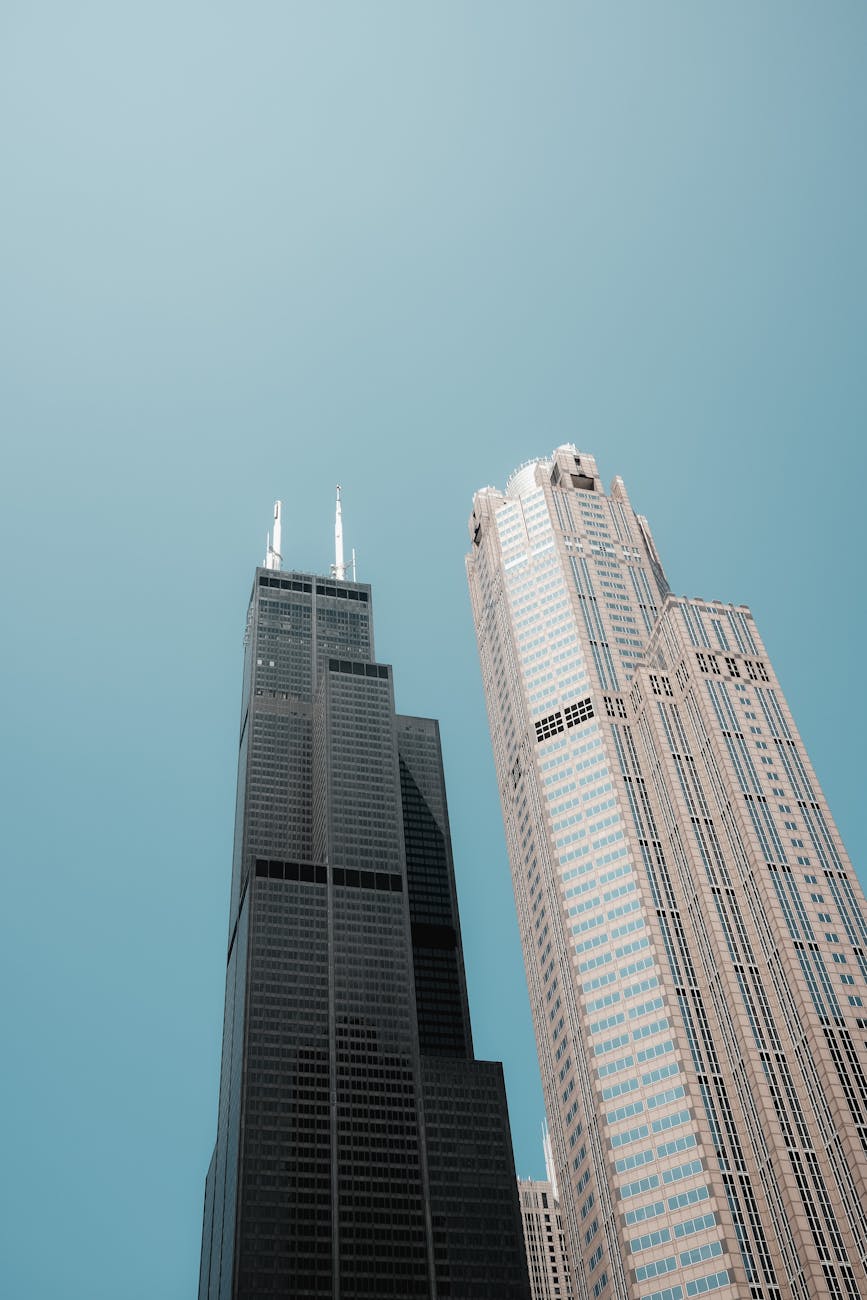
Hugging the shores of Lake Michigan, Chicago is the third most populated city in the United States. The Midwest metropolis is made famous by many striking supertalls, such as Willis Tower, Vista Tower, and Marina City.

Several factors stand out: a setting on a vast body of water, a large population center, and multiple “striking supertalls.” Does Chicago get more points because of the number of tall buildings or the architects and styles connected to the skyscrapers or the longevity of the skyline or the tourism in the city?

Combining a new Costco and affordable housing in LA

Costco plus affordable housing is set to arrive in Los Angeles in a few years:

Photo by PhotoMIX Company on Pexels.com

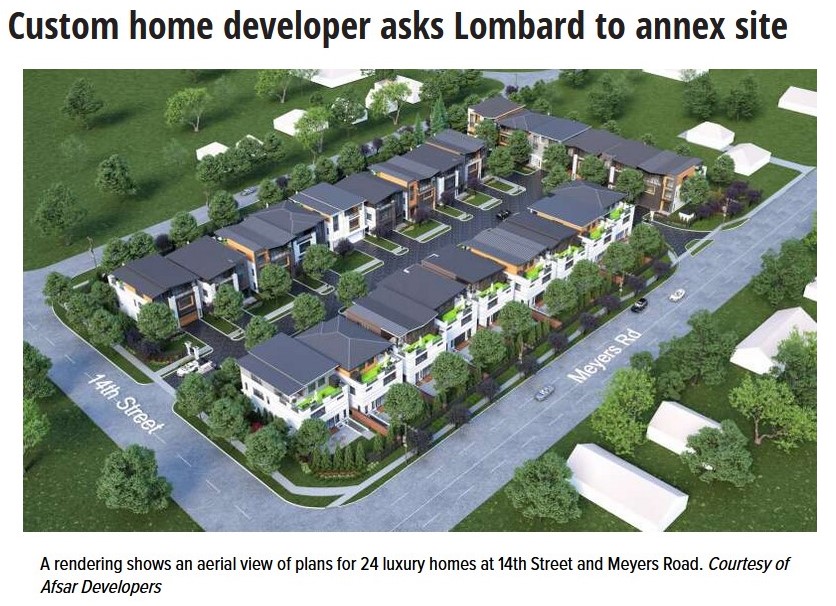
An approved upcoming Costco location in South Los Angeles (the Baldwin Village/Crenshaw area specifically) is slated to open in the coming years, and it combines the company’s more-is-more brand with a novel new approach to residential construction. The project, to be built by developer Thrive Living and architects AO, was first announced early last year in a press release that revealed renderings of a mixed-use model with multiple floors, open courtyard spaces and other amenities. All told, the build would encompass not only the Costco store (and necessary parking) but a whopping 800 residential units, including 184 set aside specifically for low-income tenants…

According to real estate analysts CoStar, this entirely new mixed-use model isn’t just something novel for Los Angeles, it “may have national retail implications for Costco.” That could mean smaller footprints, more transit-oriented openings, or Costco itself getting even further into the housing market…

So yes, 800 small apartments can fit on top of a Costco in the middle of Los Angeles, with 23% of those units reserved for low-income residents and all units eligible for Section 8 vouchers. And if done right and embraced by locals, developers, big box retailers and public officials, the project could be a novel model for future build-outs statewide.

It sounds like Costco and the housing units will coexist. Are there ways that they might be more intertwined? I could imagine some deeper partnerships:

  1. Special deals for those living in the development.
  2. Jobs for those living in the development.
  3. Costco block parties for neighbors.

While this development will help provide affordable housing units, it is also interesting how it weaves a big box store into a denser environment. Developers and planners have tried a variety of ways to incorporate big box stores into cities. Is putting the big box store in with housing a new formula for success for both?

If Americans own a home, they are very likely to own a grill

Americans value homeownership. And along with having a home goes having a grill:

Photo by Lukas on Pexels.com

At least, that’s according to statistics from the Hearth, Patio & Barbecue Association that reported 80% of U.S. homeowners owned a grill or smoker in 2023 — up from 64% in 2019.

And having more time at home might go along with purchasing and using a grill. Or so it appears that way during the recent pandemic:

Most grill makers and retailers seem to agree that the pandemic pulled forward demand for grills and other long-lasting home equipment as people searched for ways to fill their days and entertain their families at home.

Is the appeal about being outdoors, cooking directly with fire, liking to eat grilled meat and other grilled items, or having this as a status symbol? A quick discussion of each of these:

  1. Homeownership often comes with a small yard or outdoor space. Grilling could provide another reason to be outside. Enjoy the outdoors while cooking rather than cooped up inside the kitchen.
  2. Cooking outside with fire has appeal for some people. It is a different experience compared to using the microwave or stove or oven where there is something in between what is cooked and the food. This is more direct. (Of course, there is both direct and indirect grilling so time with direct fire may vary.)
  3. Grilled food has a particular taste that is hard to replicate elsewhere. Yes, you can purchase an inside grill or you could add smoke flavoring or use techniques to get grill lines on food. But does it taste the same?
  4. Having a nice grill could be another part of showing the homeowner has made it. Not only do they have a nice house; they have a stainless steel eight burner grill or a Big Green Egg or a fancy pellet smoker setup. The value is in having and showing off the grill.

The endless search for water in the (fictionalized) origin story of Los Angeles

The movie Chinatown highlights the ways acquiring water helped Los Angeles grow and hints at what may need to happen for the city and region to keep growing:

Photo by Soly Moses on Pexels.com

If Chinatown’s ending forces the audience to sit in a feeling of hopelessness, it should also disturb anyone invested in Los Angeles’s future. The history of water in 20th-century California was defined by mammoth feats of engineering and an enduring belief that someone like Mulholland would eventually come along and enable the impossible. Each new dam or aqueduct only guaranteed the arrival of the next one—the population growth allowed by Mulholland’s aqueduct, for example, later resulted in L.A. tapping other water sources, such as the Colorado River. California has had a few good years of rain recently, but the long-term sustainability of the state’s water supply depends on collective conservation efforts: drastically reducing the amount of water used by Big Agriculture, moderating suburban tasks such as watering lawns, regulating the state’s groundwater.

“There is no more water to capture with big projects. There just isn’t. The future is really about much smarter water management,” Stephanie Pincetl, a UCLA professor who specializes in urban policy and the environment, told me. Conservation measures, she argues, are the way forward even if politicians wish they could stump for some grand technological innovation the way their 20th-century predecessors did: “The approach to the 21st century has to be a lot more subtle, a lot more place-based, and a lot more guided by the realization that water is a scarce resource, and so we need to treat it like a scarce resource.”

Finding water in Los Angeles, the Southwest, the West, and the United States more broadly may become more paramount in the coming decades. Which cities and regions would do well in competing for water? Would a lack of water in some places lead to growing populations in places with plenty of water?

While we are at it, why not tell more exciting stories in these categories:

  1. Origin stories of modern places. Take any of the big cities in the United States and put its origin story in a movie or a miniseries. How about the rise of Phoenix?
  2. It would be interesting to popularize more stories about water and other necessary resources in daily life. How about a thrilling tale about concrete? It is hard to imagine modern life without out. Or air conditioning. Can’t have a lot of the global development of the last century without it. Or salt. Where do we get all this salt in our daily lives from?

If Chinatown can entertain and inform about place, why not engage in more storytelling that explains where places have come from and where they might be going?

The future of driving beneath cities

Might a short roadway under Las Vegas built by The Boring Company hint at a future of underground urban driving?

Photo by Burak The Weekender on Pexels.com

Tunnels allow more hybridization of ground-level activities, he said. Pedestrians on the earth’s surface can more easily walk without car infrastructure.

Menard added that residents can look to Singapore, a country that has heavily invested in tunneling, as an example.

On the ground, the country has developed a strong recreational economy with expansive pedestrian walkways.

Underground, citizens can easily transport from one area of the country to another.

For those who would like cities to be less oriented around cars, could this be a solution? Moving cars and trucks underground would open up space, move the noise and traffic out of sight, and make the surface safer.

From an infrastructure standpoint, in how many cities would this be possible? Can tunnels underground work in every city given conditions underground and what may already be down there? (And then there is the potential cost to get it all up and running – I assume this is a large cost.)

Finally, how would drivers react to moving mostly underground? This can be done now in some places but it is certainly a different environment to drive in. (Experiencing Lower Wacker Drive in Chicago is instructive.) Imagine underground traffic. Or being down there for half an hour or more before emerging to daylight.

Who is tackling the issue of growing Chicago traffic?

What long-term answers do leaders and residents have to the issue of more traffic in the Chicago region?

Photo by ud835udce2ud835udcf1ud835udceaud835udcf7ud835udcee ud835udce6ud835udceeud835udcfcud835udcfd u2122 on Pexels.com

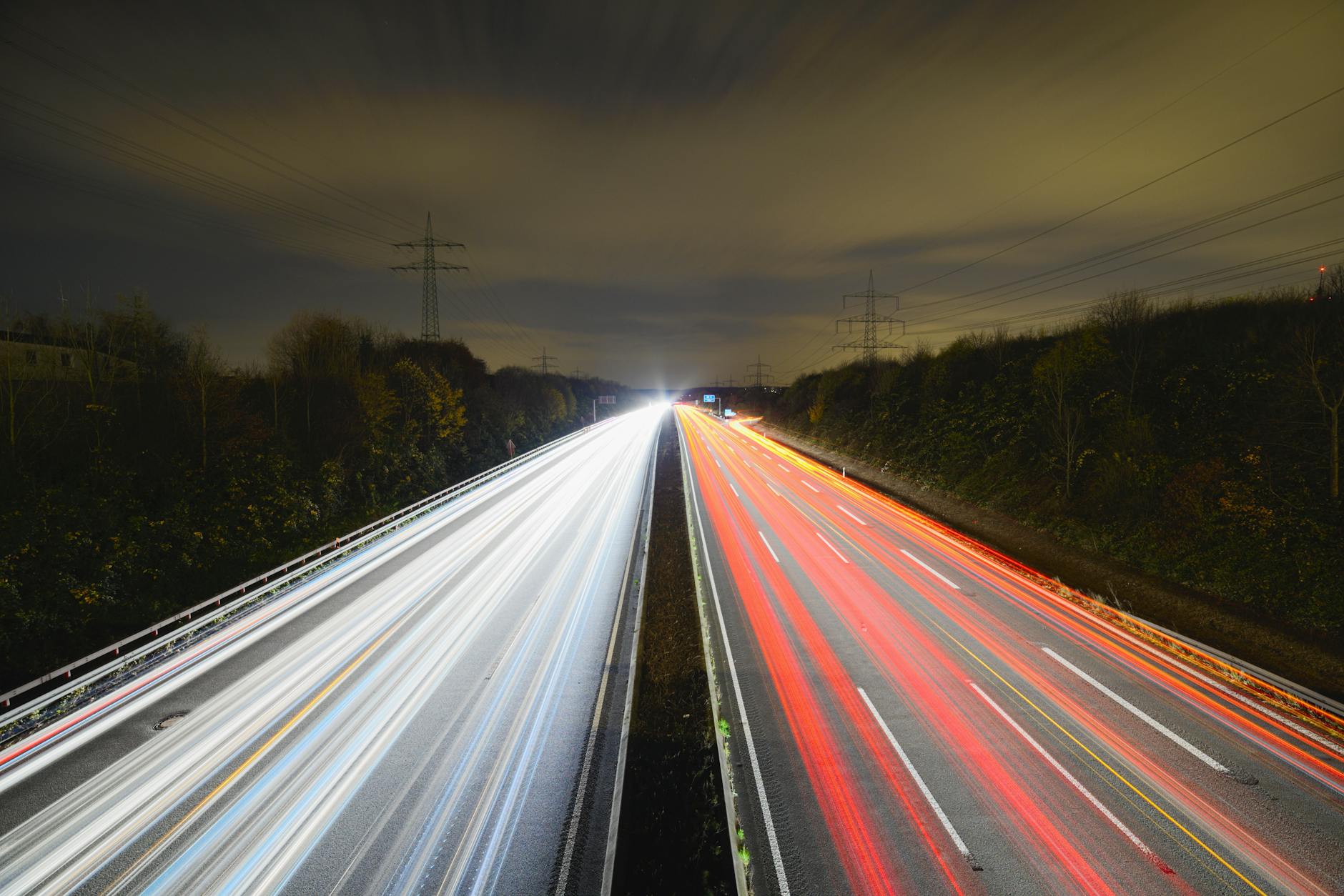
Chicago is one of the most congested cities in the country, ranking second only to New York City last year for the severity of traffic, a recently released annual study found.

The region also had one of the biggest jumps in traffic congestion in 2023 compared with pre-pandemic, according to the new report from mobility analytics firm Inrix, made public Tuesday. Traffic was up 18% over 2019 levels, tying for the highest growth among the cities studied…

Chicago’s traffic woes could be exacerbated by construction, or by drivers taking more trips at the same time, Pishue said. Inrix found traffic around Chicago, like in other cities nationwide, no longer revolves around peak morning and evening rush hours, but instead can tick up around midday and through the evening.

And adding to the traffic is continued low transit ridership, he said.

Addressing the growing traffic requires a comprehensive approach tackling multiple issues at once. This includes:

  1. Online shopping deliveries.
  2. Truck and freight traffic within the region and through the region.
  3. Getting more people to use mass transit (trains, buses, etc.).
  4. Planning for changing work schedules, whether is more work from home or more people returning to the office or more flexible hours in the office.
  5. Ride sharing.
  6. Alternative modes of transportation, including walking and biking.
  7. Shifts in population and business centers throughout the region.

This involves numerous municipalities, counties, the state, the federal government, and private actors throughout the region. Would the local government actors rather fight over whether the mass transit agencies should merge? Would suburbanites prefer someone else tackle these issues and leave them – and their tax monies – out of it? How many people will be willing to budge from driving when they want to help address the larger issues?

The time to address traffic is now so that the problem does not become worse.

Why there might not be a walkway between apartments and a grocery store

A Reddit post discusses the lack of a walkway between a Florida apartment complex and a grocery store. Instead of a short walk between the two sites, people have to follow a roadway roughly half a mile. Why might this be the case?

Photo by Flo Dnd on Pexels.com

Here are several possible reasons:

  1. Planning in the United States tends to emphasize driving. This shows up in many ways over many decades and in many places.
  2. Perhaps the store and the apartment are part of separate developments constructed at separate times. Building them at the same time may have presented an opportunity to provide a linking walkway.
  3. Could it be a question of who would pay for the walkway and who would pay to maintain it?
  4. Has there been local public support for a walkway? Debate at local government meetings? Has the question been raised repeatedly?

Americans tend to at the official levels and in individual choices promote driving. Many developments in the United States, particularly in suburbia, rely on driving. It can require working against the grain to promote other modes of transportation, including walking.