“Taste of Suburbia” festival and what the suburbs taste like

Chicago suburb Schiller Park is hosting their “Taste of Suburbia” festival this coming weekend. This got me thinking: what do the suburbs taste like? We have more thoughts about what the suburbs look like or sound like but less on what they taste like. Here are a few of the leading options that come to mind:
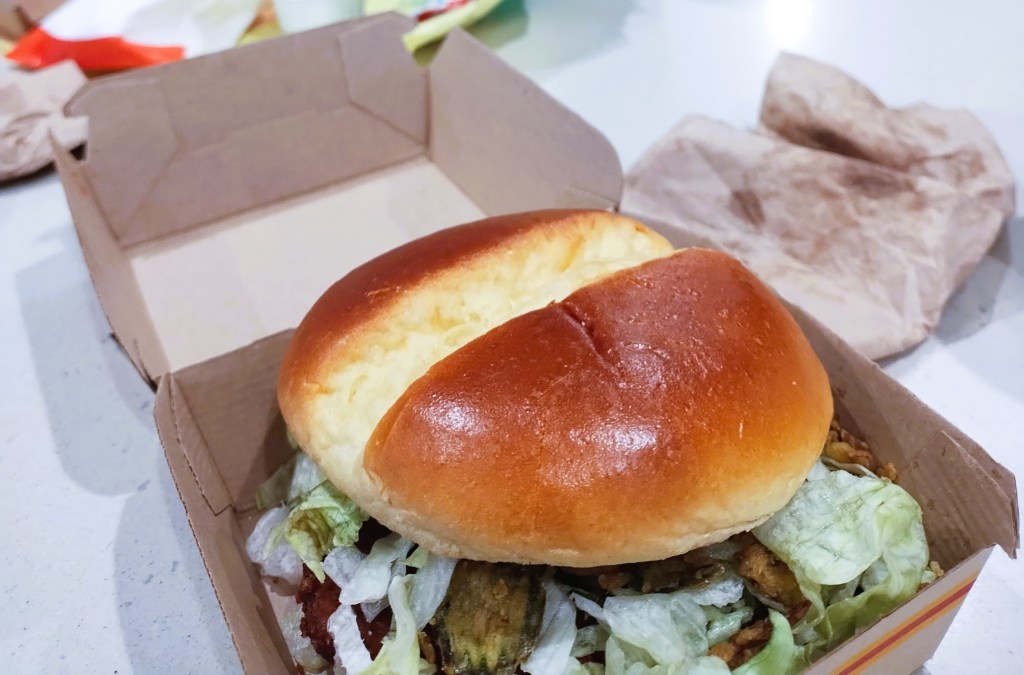
  1. Fast food. The suburbs involve a lot of driving and people in the suburbs have a lot of food available through the window of their vehicle. Dozens of chains offering different options and different price points. It is hard to avoid seeing these facilities throughout suburbia.
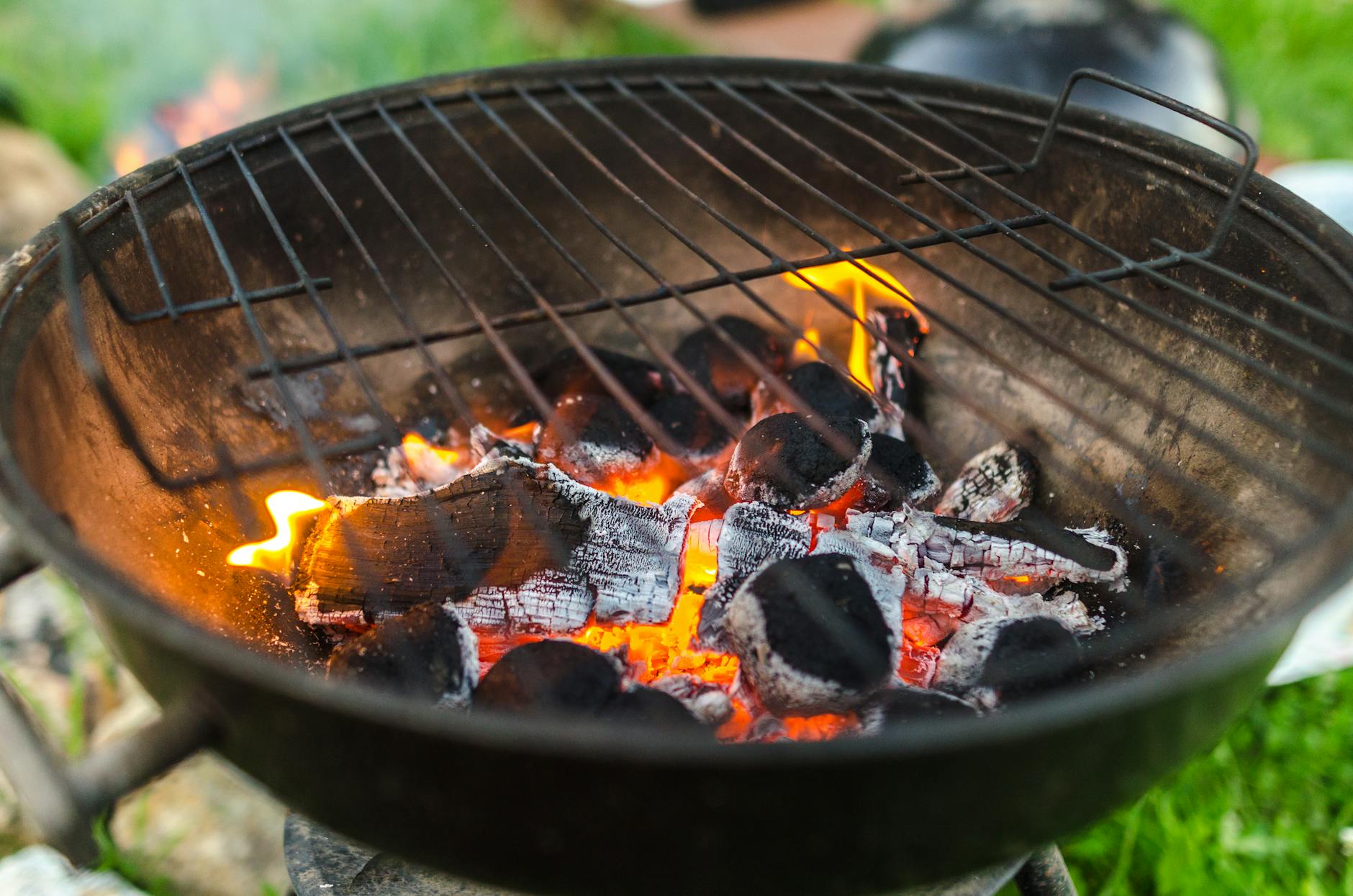
  2. Grilled food. The smells may give them away before such food is spotted and many suburban residences feature grills on decks, patios, and lawns. Grilling often involves meats but could also include vegetables and other food groups. The single-family home with a pleasant backyard where a nuclear family eats a grilled meal is an image of the American Dream.
  3. A wide array of food options outside the home, ranging from fine dining establishments to well-known chains on a busy street corner to small family owned restaurants in strip malls. The suburbs are more diverse than they were decades ago and the food reflects this. In major metropolitan areas, draw a five or ten mile radius around a location and food from numerous different backgrounds is likely available.
  4. The food of the single-family home and the nuclear family. Perhaps it is the holiday meals – turkey on Thanksgiving – or the kid’s food – nuggets, Uncrustables, Pop-Tarts, etc. – or the meals prepared on a daily basis. The suburbs privilege single-family homes and family life so the family meal, whatever food that includes, could represent the true taste of the suburbs.

None of these four options are exclusive to suburbia: fast food is found across the United States, grilling is possible in both public and private spaces across American settings, and Americans can choose many different kinds of food both outside and inside their homes. But these options – these tastes – may just remind some of the suburbs or may be what suburbanites experience regularly or what people remember in the suburbs. Eating is a critical part of social life and the suburbs are not tasteless, even if critics might suggest they are bland, mass produced and consumed, and uninspiring (with implications for eating as well).

Trying to find the source of the enticing grill smells

Perhaps you have encountered this situation before: you are walking, biking, or driving through a neighborhood. Your nose suddenly picks up the smell of something grilling. Perhaps meat, maybe vegetables. It is tinged with smoke. It smells good. But where exactly is that smell coming from?

Much of our cooking or food preparation in the United States takes place inside. We have kitchens that facilitate storing and making food. Others can’t see it (unless there is a prominent window). They may occasionally smell it.

Even if people are grilling outside, it often takes place in backyards. Few Americans grill in their front yards or by their front doors. This is an activity typically reserved for the more private backyard.

So where is the grill smell coming from? One hint might be whether you can see smoke. Different grill techniques or different grilled items might lead to more smoke. Could you follow it to a source?

And even if you did identify the location of the good grilling smells, it would be rare in the American setting for a stranger to approach the grill and/or griller. Unless it is taking place in a more public setting (a front yard? a park? outside a restaurant?), the grilling is an activity for the griller and their acquaintances, not for a broader audience.

In the moment, you will have to settle for enjoying the grilling smells from a distance. Perhaps it will prompt you to grill yourselves or find someone who will grill for you. It is a good moment – but it is also a reminder of food preparation in private spaces.

If Americans own a home, they are very likely to own a grill

Americans value homeownership. And along with having a home goes having a grill:

Photo by Lukas on Pexels.com

At least, that’s according to statistics from the Hearth, Patio & Barbecue Association that reported 80% of U.S. homeowners owned a grill or smoker in 2023 — up from 64% in 2019.

And having more time at home might go along with purchasing and using a grill. Or so it appears that way during the recent pandemic:

Most grill makers and retailers seem to agree that the pandemic pulled forward demand for grills and other long-lasting home equipment as people searched for ways to fill their days and entertain their families at home.

Is the appeal about being outdoors, cooking directly with fire, liking to eat grilled meat and other grilled items, or having this as a status symbol? A quick discussion of each of these:

  1. Homeownership often comes with a small yard or outdoor space. Grilling could provide another reason to be outside. Enjoy the outdoors while cooking rather than cooped up inside the kitchen.
  2. Cooking outside with fire has appeal for some people. It is a different experience compared to using the microwave or stove or oven where there is something in between what is cooked and the food. This is more direct. (Of course, there is both direct and indirect grilling so time with direct fire may vary.)
  3. Grilled food has a particular taste that is hard to replicate elsewhere. Yes, you can purchase an inside grill or you could add smoke flavoring or use techniques to get grill lines on food. But does it taste the same?
  4. Having a nice grill could be another part of showing the homeowner has made it. Not only do they have a nice house; they have a stainless steel eight burner grill or a Big Green Egg or a fancy pellet smoker setup. The value is in having and showing off the grill.

McMansion ad campaign aimed at McDonald’s

Burger King has a new advertising campaign that shows off one particular feature of the purported McMansion backyards of McDonald’s executives:

Each of the company’s newest print ads, designed by an agency called DAVID Miami, claims to show what was once the lavish backyard of a real McDonald’s executive, the kicker being that each yard also appears to contain a grill.

“Flame grilling is hard to resist,” read the words printed over each grilling apparatus, the suggestion being that McDonald’s executives themselves preferred a flame-grilled patty…

AdAge reports that some of the photos were taken from real estate listings, meaning these particular grills may not have necessarily belonged to the “retired McDonald’s director” or “retired McDonald’s president” who may have used those backyards.

The primary emphasis is on the grill, a staple of many an American backyard. American homes and summer has long been associated with a male homeowner taking raw meat to the backyard and cooking it on the grill as the family plays and gathers around.

Of course, these are not just any grills or any homes. The news story includes three ad images. The grills look rather long – so they likely have more than four burners – and they have a stainless steel exterior. (In one image, there appears to be a Green Egg next to the stainless steel grill.) Given that these are grills supposedly owned by executives plus they are located at large homes, these are likely expensive grills.

Beyond tying McDonald’s executives to expensive grills, this also connects them to undesirable homes: McMansions. While the purpose of the ads is the grills, these grills are in front of expensive and large homes. But, they are not just mansions – they are McMansions. I’m not sure if there is a larger message here or not: should McDonald’s feel shame about having derided homes named after their restaurants (the Mc- prefix)? (Compared to the fast food of Burger King, this seems like a better pitch for places like Five Guys or Smashburger that would claim to have a more premium burger.) Does this suggest their executives have bad taste? Does this mean Burger King executives have nicer homes?