The culture wars come for traffic policies

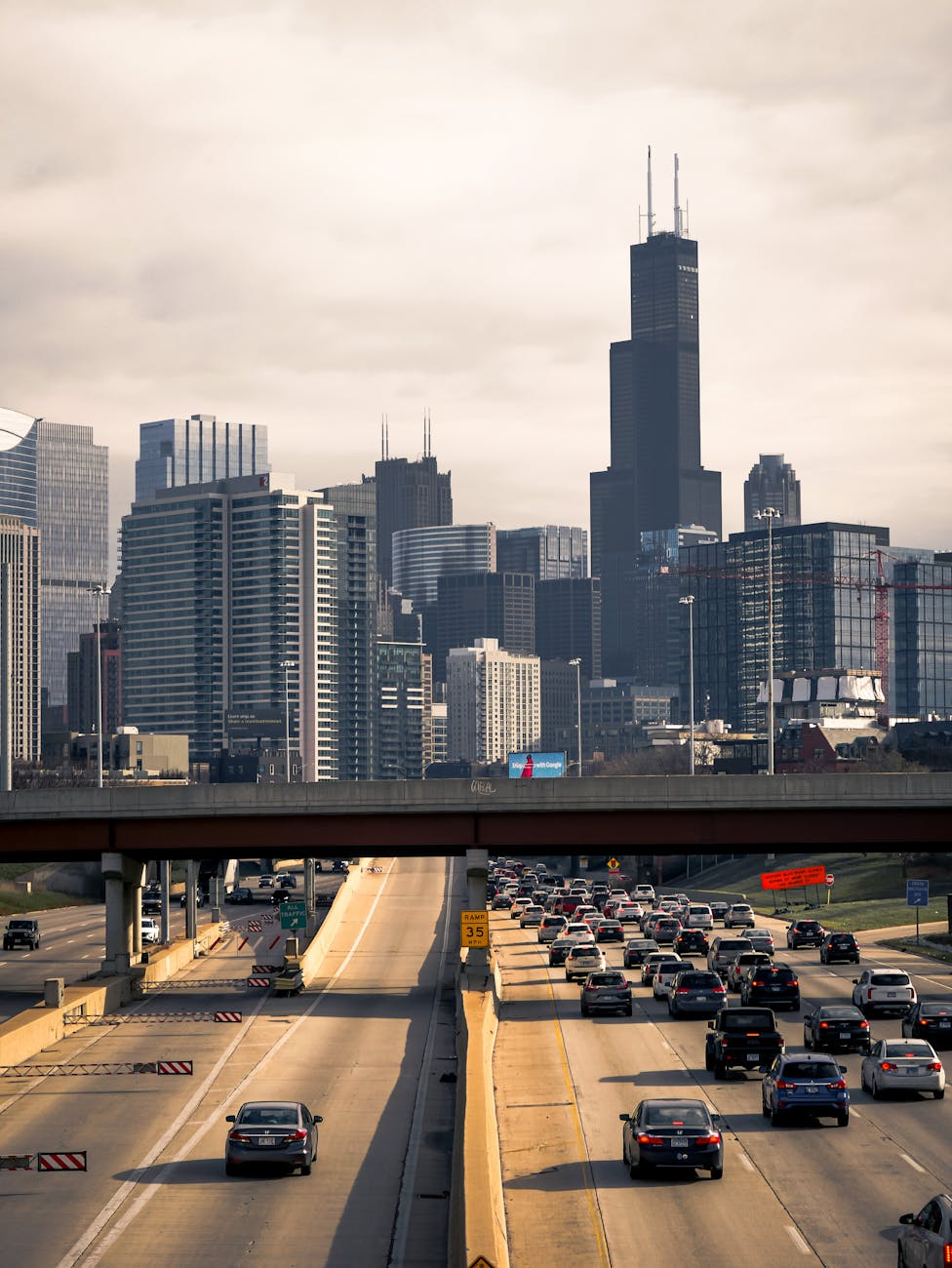
Should motorists or others take precedence on streets and roadways? Legislative battles over traffic policy in Washington, D.C. show how this has become a culture war issue:

Photo by Sora Shimazaki on Pexels.com

One of the proposals would forbid Washington’s local government from banning right turns at red lights. Another would do away with the automated traffic-enforcement cameras that ticket D.C. drivers for speeding, blowing stop signs and other violations.

The provisions are not just a case of earnest traffic-engineering wonkery sneaking into Congressional oversight. They represent a culture-war cause just as real as D.C.’s needle-exchange efforts or mask mandates, two other targets of current GOP riders. At the core of it is the politically revealing question of cars versus other ways of getting around.

In blue cities across the country, local road policy in the past decade has been tweaked in the name of making things safer and more enticing for non-drivers — often by making things slower and more annoying for motorists…

In a polarized country, it was inevitable that this would become more than just a disagreement over traffic circulation and moving violations. After all, the 21st century push to promote alternative modes of transportation cites a Democratic-coded cause (climate change) to promote ways of getting around (by foot, bike, bus, or subway) that are a lot more convenient in dense blue cities.

On the right, for more than a decade, there’s been a refrain about the “war on cars” right alongside the war on Christmas. “There is a loud constituency that does not want you to drive your car,” said Jay Beeber, executive director for policy at the National Motorists Association, which has championed the measures dictating Washington policy. “A lot of this is virtue signaling.”

Four thoughts:

  1. Is it “inevitable” that this would become a culture war issue? I am sure there is an interesting history in here. Does this go back to seat belt laws? Speed limits on highways set in the 1970s?
  2. It is relatively easy to break this down into cities versus other areas. What about groups or political discussions in between such as suburbs promoting more walkability and bicycling, small towns and rural areas trying to lessen dependence on cars, and regions emphasizing different transportation policies? Are there Republicans for different road policies and Democrats for more driving?
  3. The interplay between federal and local policies is worth paying attention to. Americans tend to like local government oversight of local issues. Do Americans tend to think the federal government does too much regarding traffic policies or not enough?
  4. Where does this issue rank in the range of culture war issues? Is this more like a proxy war or the big issue? Americans like driving so this could get at core concerns about American ways of life.
A possible investment return of over 800% on Chicago’s parking meters

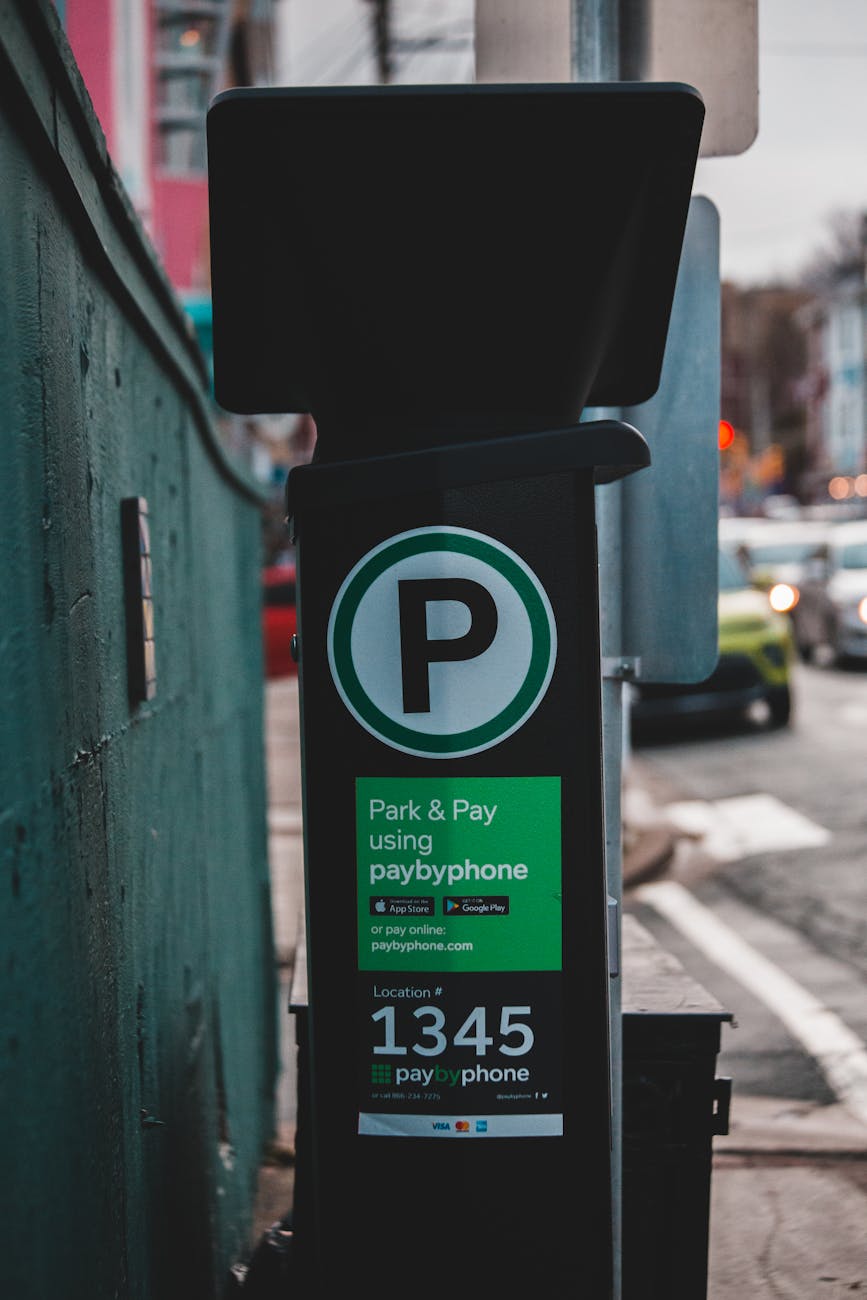
One estimate of the profit to be generated through the privatization of Chicago’s parking meters suggests this was a lucrative investment:

Photo by Erik Mclean on Pexels.com

In 2008, then-Mayor Richard M. Daley, with the approval of poodles on the City Council who failed to do due diligence, agreed to sell a 75-year lease on 36,000 parking meter spots for $1.16 billion to an entity that calls itself Chicago Parking Meters LLC and is made up of various parties including Morgan Stanley-related entities and, indirectly and also among others, the sovereign wealth fund known as the Abu Dhabi Investment Authority.

Daley also agreed to a whole series of tightwad rules that handcuffed the city when it came to removing meters for, say, special events such as outdoor dining, changing the hours of paid parking, or making any other changes that might result in less revenue for Chciago Parking Meters. In each and every case, Chicago has had to lay out more cash.

Why did Daley make this colossal error? He wanted to close a budget shortfall and thought that a private company could more easily jack up rates than an elected official likely to anger voters. And he probably believed that $1.16 billion sounded like a whole lot of money.

Wrong. Former Mayor Lori Lightfoot once told this board that the decision was one of the worst public policy mistakes in the history of municipal governance and she was absolutely correct. The investors, if that’s the right term, have recouped that amount within the first 10 years of that 75-year lease. They’ve now made hundreds of million dollars in additional profit. By the end of this deal, they are likely to have raked in a total of $9 billion. 

Urban parking can be a lucrative business, whether working with parking meters or having a parking lot or garage that later becomes a huge development project. Thus, imagine the money the city could have generated by treating the parking meters differently.

This reminds me of at least two bigger picture issues. First, infrastructure and public goods require a long-term view. In the short-term, selling the revenues from these meters may have helped close a budget loophole. However, lots of things can change over 75 years. Will the city need or want parking meters at that point? How much driving will there be? Would a shorter deal leave more flexibility?

Second, Chicago has relied on some public-private partnerships for decades to help keep the city moving forward. While this deal might not appear to be a good one for the city, other projects may appear to be good. How many projects have worked out well? Does the participation of the city or the use of the city’s resources make certain things possible?

I am guessing this deal will serve as an example for years to come. Hopefully some lessons are learned that could lead to some good.

Imagining a car-free Los Angeles and using the coming Olympics to move that direction

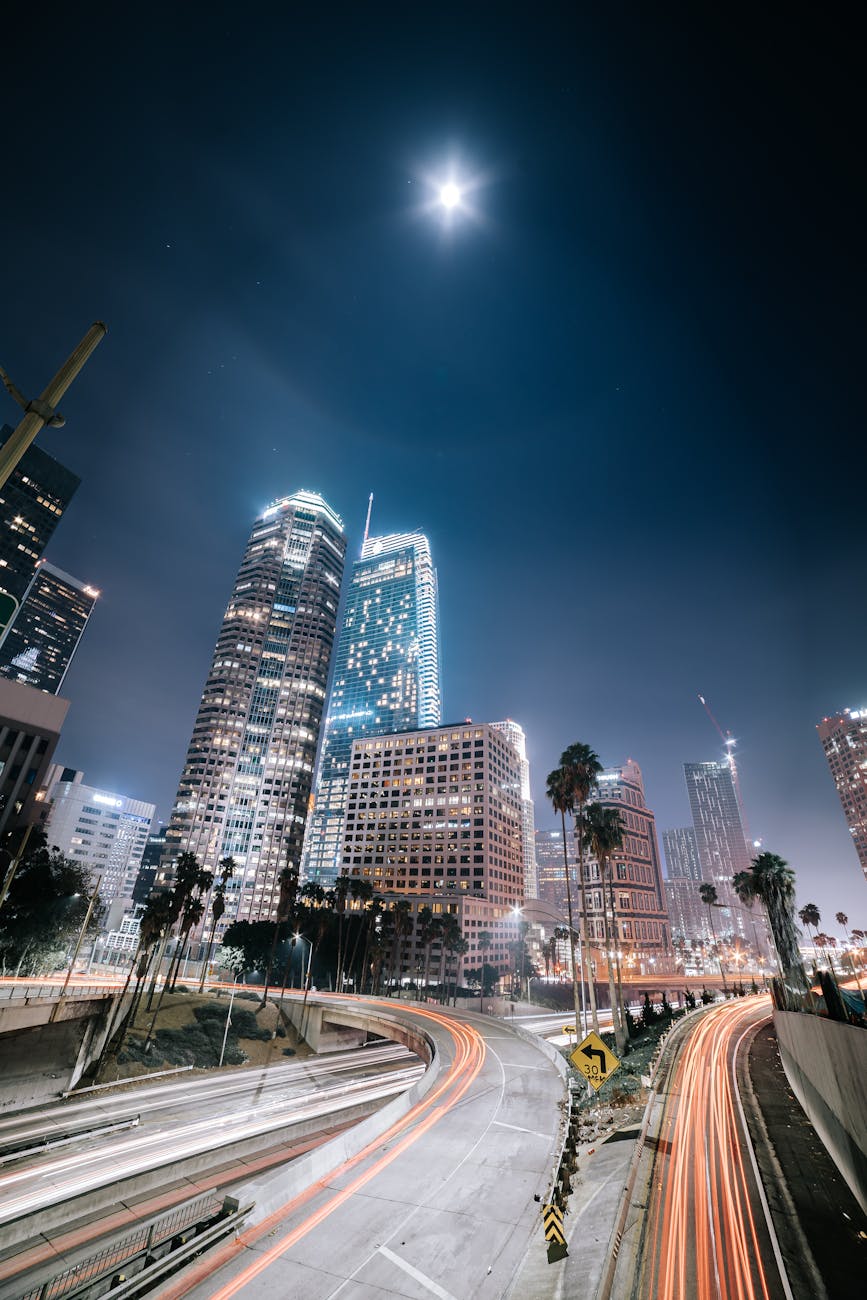
The city of Carmageddon is interested in hosting a 2028 Summer Olympics with little car use:

Photo by KEHN HERMANO on Pexels.com

“A no-car Games,” she said.

Doubling down on something she discussed with The Times in April, Bass told reporters at the 2024 Paris Olympics that she envisions expanding public transportation to a point where fans can take trains and buses to dozens of sports venues, from Crypto.com Arena downtown to SoFi Stadium in Inglewood to the beaches of Santa Monica.

“That’s a feat in Los Angeles — we’ve always been in love with our cars,” she said at a news conference Saturday, adding that people “will have to take public transportation to get to all the venues.”

The LA28 organizing committee — a private group charged with staging the Games — prefers to say it is planning a “public-transit-first” Games. Some venues will have ample parking, others will not. Organizers say no one will be told they cannot drive to a competition, but public transportation might be an easier option.

This is a bold vision in a city and region famous for driving, highways, and sprawl. The realism is okay too; trying to do this all in 4 years is a tall task.

But why stop at the Olympics and that several week window? Why not imagine a Los Angeles in ten or twenty years that relies much less on cars? Why not pursue some of the same strategies – working from home, staggered work schedules, more buses – with additional strategies – more mass transit options that do not involve roads, ban planning that does not just keep adding lanes, etc.?

Even if these efforts require the long view and a large amount of resources, the time to start is now. Developing needed infrastructure is costly but pays off down the road. What if the lasting legacy of the Olympics in Los Angeles was not property or stadiums that people do not know what to do with (a common issue in recent Olympic cities) but a new approach to the streetscape and getting around?

Keep driving – just do so on a green highway

Will it be even easier to justify driving in the future if it done so on roadways that emphasize sustainability and community life?

Photo by Lina Mamone on Pexels.com

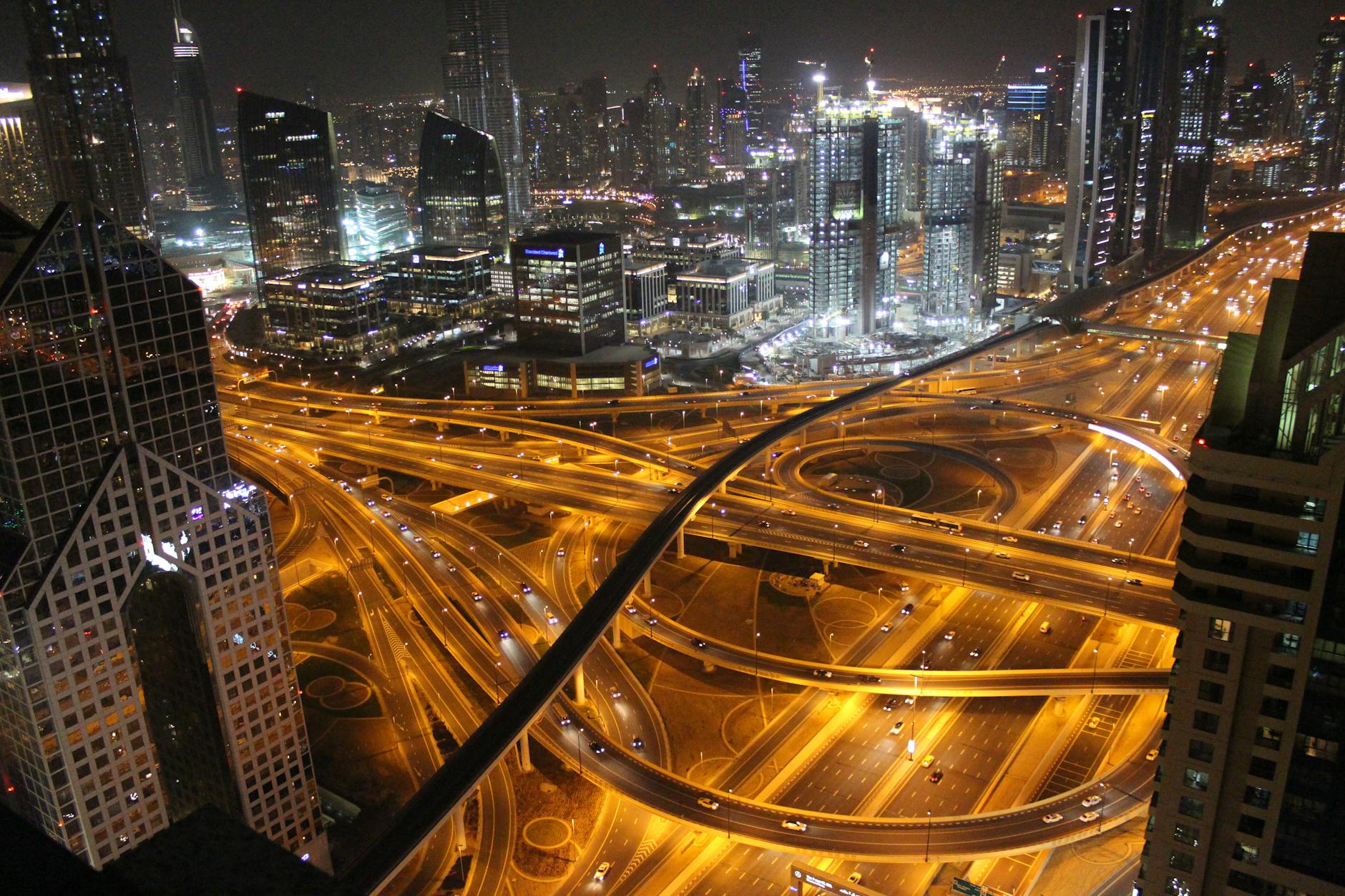
URB has released conceptual designs for a 64-kilometer-long highway that would see Sheikh Mohammed Bin Zayed Road, one of the city’s main traffic belts, transformed into a “Green Spine,” complete with autonomous, solar-powered trams and smart traffic management…

The autonomous solar-powered tram is just one aspect of the proposed highway’s transport system: above the tram line, a network of green areas, parks and overpasses would increase connectivity and walkability of the city, which is currently tough to navigate on foot.

The highway would also integrate smart technology, such as “internet of things” (IoT) sensors, to manage traffic and optimize energy use.

Bagherian’s designs allow for 300-megawatt solar panels and a storage system to be embedded in the tracks, that would power the tram line, as well as generate clean energy for an estimated 130,000 homes.

And the green spaces — including parks and community gardens — would provide space for one million trees, which would also help cool the city and improve air quality.

Does making driving greener and roads less invasive in communities make driving more palatable to critics? A number of critics want to reduce driving all together for a variety of reasons including reliance on fossil fuels and changing the scale of communities from human oriented to moving heavy boxes quickly and efficiently.

Perhaps this sort of approach is pragmatic. It might be very difficult to get rid of cars and vehicles. Transitioning to alternative fuels will take time. Cars have some advantages compared to other transportation options. Reducing the impact of vehicles could be the way to go: the vehicles keep moving but they are less visible and less disruptive.

I would not be surprised if driving continues at similar volumes in the future and roadways are transformed in ways that mean they do not just serve the vehicles traveling on them.

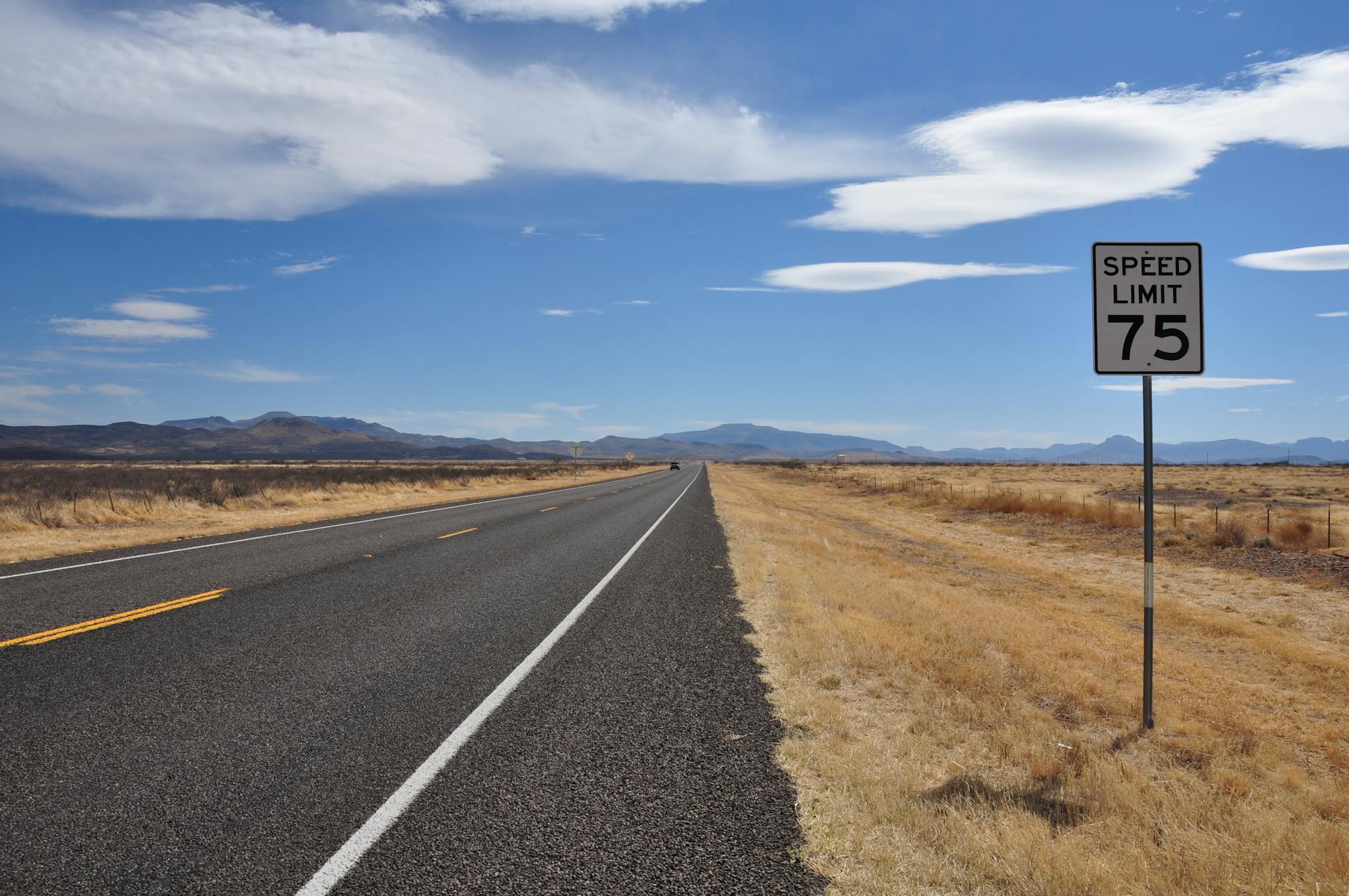
Are speed limits about safety, traffic control, fuel efficiency, or local norms?

The National Highway Traffic Safety Administration is running radio ads that tell people to follow the speed limit in order to increase safety on roads. From their website:

Photo by Tom Fournier on Pexels.com

For more than two decades, speeding has been involved in approximately one-third of all motor vehicle fatalities. In 2022, speeding was a contributing factor in 29% of all traffic fatalities.

Speed also affects your safety even when you are driving at the speed limit but too fast for road conditions, such as during bad weather, when a road is under repair, or in an area at night that isn’t well lit.

Speeding endangers not only the life of the speeder, but all of the people on the road around them, including law enforcement officers. It is a problem we all need to help solve.

Traveling at higher speeds mean it is harder to control a vehicle and those vehicles that do hit other things sustain more damage.

But speed limits can also serve other goals. Perhaps they are also about traffic and the number of vehicles on the roads. Having fewer vehicles means it is possible to go faster, having more vehicles means going at a slower speed makes more sense. Hence, more variable speed limits on highways as speed limits adjust to traffic and conditions.

Speed limits can also be about fuel efficiency. With limited gas supplies in the 1970s, officials reduced speed limits in the United States in 1974:

The National Maximum Speed Limit (NMSL) was a provision of the federal government of the United States 1974 Emergency Highway Energy Conservation Act that effectively prohibited speed limits higher than 55 miles per hour (89 km/h). The limit was increased to 65 miles per hour (105 km/h) in 1987…

The law was widely disregarded by motorists nationwide, and some states opposed the law,[3][4] but many jurisdictions discovered it to be a major source of revenue. Actions ranged from proposing deals for an exemption to de-emphasizing speed limit enforcement. The NMSL was modified in 1987 and 1988 to allow up to 65 mph (105 km/h) limits on certain limited-access rural roads. Congress repealed the NMSL in 1995, fully returning speed limit-setting authority to the individual states.

Driving too fast on the highway lowers fuel efficiency – see this table from the Department of Energy.

And speed limits can vary by place and local norms. For example, see this discussion about changing highway speed limits in Montana:

Montana, once known for its wild, limitless roads, did not want to be left behind as other Western states increase their speed limits. Idaho, Nevada, South Dakota, Utah and others have set 80 mile per hour speed limits on at least some sections of road.

With speed limits now set by states and lower forms of local government, there can be a lot of variation for a variety of reasons.

Transportation advantage: Illinois has the third most interstate miles in the country

Among states, Illinois is 25th in area and and 6th in population but has the 3rd most interstate miles. Here are the top 5 states:

Photo by Chris Duan on Pexels.com
  • Texas – 3,233 miles
  • California – 2,456 miles
  • Illinois – 2,169 miles
  • Pennsylvania – 1,759 miles
  • Ohio – 1,572 miles

Illinois has the third-largest region in the country by population but its next largest cities are relatively small. Interstates connect all of these population centers, connect to big cities not far beyond the borders of the state (like St. Louis and Milwaukee), and link to places far away. Here is how the Illinois Department of Transportation describes the interstates:

Illinois is at the heart of the country’s interstate highway system. This vast system consists of coast-to-coast interstates I-80 and I-90, along with I-70 that extends from the east coast to Utah. These major corridors are joined by multiple north – south corridors including I-39, I-55, and I-57 and additional east – west corridors such as I-24, I-64, and I-74.

This is in part due to geographic advantages – a particular location along the Great Lakes, connections to major rivers like the Mississippi and the Ohio, and in-between other places – plus developing transportation infrastructure – highways and roads plus railroads and air options in addition to the early water transport.

Indiana may have the state motto of “The Crossroads of America” but would Illinois have a better claim to this? I am not sure it could replace the state slogan “Land of Lincoln” but it may speak more to the current state of Illinois economic and social life.

“With America’s golden era of infrastructure construction behind us…”

Repairing infrastructure and constructing new infrastructure is difficult these days (via the example of the Eisenhower-Johnson Memorial Tunnels on I-70 in Colorado):

Photo by Burak The Weekender on Pexels.com

The attention Fox is about to get is a perfect illustration of what researchers refer to as the invisibility of infrastructure. It’s only when infrastructure breaks, whether it’s a closed tunnel, a broken cell phone tower, or a delayed train, that the public seems to notice it exists. “Unfortunately, we usually take for granted when things work, and we don’t value maintenance as much as we probably should,” says Cristina Torres-Machi, an assistant professor of civil engineering at the University of Colorado Boulder. “But we also do that in our daily life. We only remember how good the dishwasher is when it’s not working.”

With America’s golden era of infrastructure construction behind us—a period which arguably began with New Deal public works projects in the 1930s and ended with the completion of President Dwight D. Eisenhower’s Interstate Highway System in 1992 just down the road in Glenwood Canyon—there’s been a shift in both academic thought and in practice at various levels of government to elevate infrastructure maintenance in the national consciousness, lest it arrive unbidden. In the Centennial State, there’s no better embodiment of this shift than the EJMT. It cost $262 million to build both bores between 1968 and 1979, or the equivalent of about $1.2 billion today. But calculating the cost of adding a third tunnel bore—something CDOT has identified as essential for alleviating congestion on the I-70 mountain corridor—isn’t as simple as adjusting for inflation. Modern environmental protections, safety standards, and construction techniques all drive up the costs of these massive projects, a serious problem considering the agency’s 2024–’25 budget is only $1.7 billion. When I ask how much a third bore would cost, Fox jokingly throws out a figure: $300 billion. Bob Fifer, CDOT’s deputy director of operations, echoes the sentiment…

The inability to green-light ambitious infrastructure projects is happening all over the country. Most of President Joe Biden’s lauded $1.2 trillion Infrastructure Investment and Jobs Act, for example, will go toward repairing or upgrading existing infrastructure instead of funding new projects on the scale of the EJMT. Even that $1.2 trillion is half of what the American Society of Civil Engineers estimates the United States would need to invest over the next decade to simply maintain its ports, electrical grids, bridges, and transportation networks in a “state of good repair.” “There is something kind of nostalgic [about the EJMT]—that they could gather the will and the funding and the common commitment to build these kinds of incredible engineering marvels,” says Steven Jackson, a Cornell University professor whose areas of study include the maintenance of infrastructure systems. “There’s some question if we even remember how to do that or know how to do it together anymore.”

Jackson agrees with Fox and Fifer that escalating expenses are a major reason grand public works like the EJMT aren’t often attempted anymore, but he also believes there could be a deeper, societal issue at play. “[Back then], there was a notion of government being a conduit for collective purpose that could gather and channel resources for projects like the tunnels, but it’s harder to see in our current moment,” he says. “The tunnels almost feel like relics of a bygone bipartisan world.”

So costs plus a lack of collective will means American infrastructure is in danger long-term? The solutions to these two issues would be to pay up and gather support among leaders and the public. Will more things need to break before action is taken?

But I wonder if there might be other options. Imagine new infrastructure that means older systems do not need to be maintained. New cost-saving measures. New needs for daily life.

Some of this is hard to imagine. The tunnels discussed above would no longer be needed because of what, flying cars or a hyperloop? Lead drinking pipes won’t need to be replaced because we will get water how, from personal devices that pull water out of the air?

At some point, the infrastructure issues will force a reckoning. Regular maintenance will help. But at some point, even well-maintained infrastructure might not be worth keeping given what else might be possible.

The future of driving beneath cities

Might a short roadway under Las Vegas built by The Boring Company hint at a future of underground urban driving?

Photo by Burak The Weekender on Pexels.com

Tunnels allow more hybridization of ground-level activities, he said. Pedestrians on the earth’s surface can more easily walk without car infrastructure.

Menard added that residents can look to Singapore, a country that has heavily invested in tunneling, as an example.

On the ground, the country has developed a strong recreational economy with expansive pedestrian walkways.

Underground, citizens can easily transport from one area of the country to another.

For those who would like cities to be less oriented around cars, could this be a solution? Moving cars and trucks underground would open up space, move the noise and traffic out of sight, and make the surface safer.

From an infrastructure standpoint, in how many cities would this be possible? Can tunnels underground work in every city given conditions underground and what may already be down there? (And then there is the potential cost to get it all up and running – I assume this is a large cost.)

Finally, how would drivers react to moving mostly underground? This can be done now in some places but it is certainly a different environment to drive in. (Experiencing Lower Wacker Drive in Chicago is instructive.) Imagine underground traffic. Or being down there for half an hour or more before emerging to daylight.

Who is tackling the issue of growing Chicago traffic?

What long-term answers do leaders and residents have to the issue of more traffic in the Chicago region?

Photo by ud835udce2ud835udcf1ud835udceaud835udcf7ud835udcee ud835udce6ud835udceeud835udcfcud835udcfd u2122 on Pexels.com

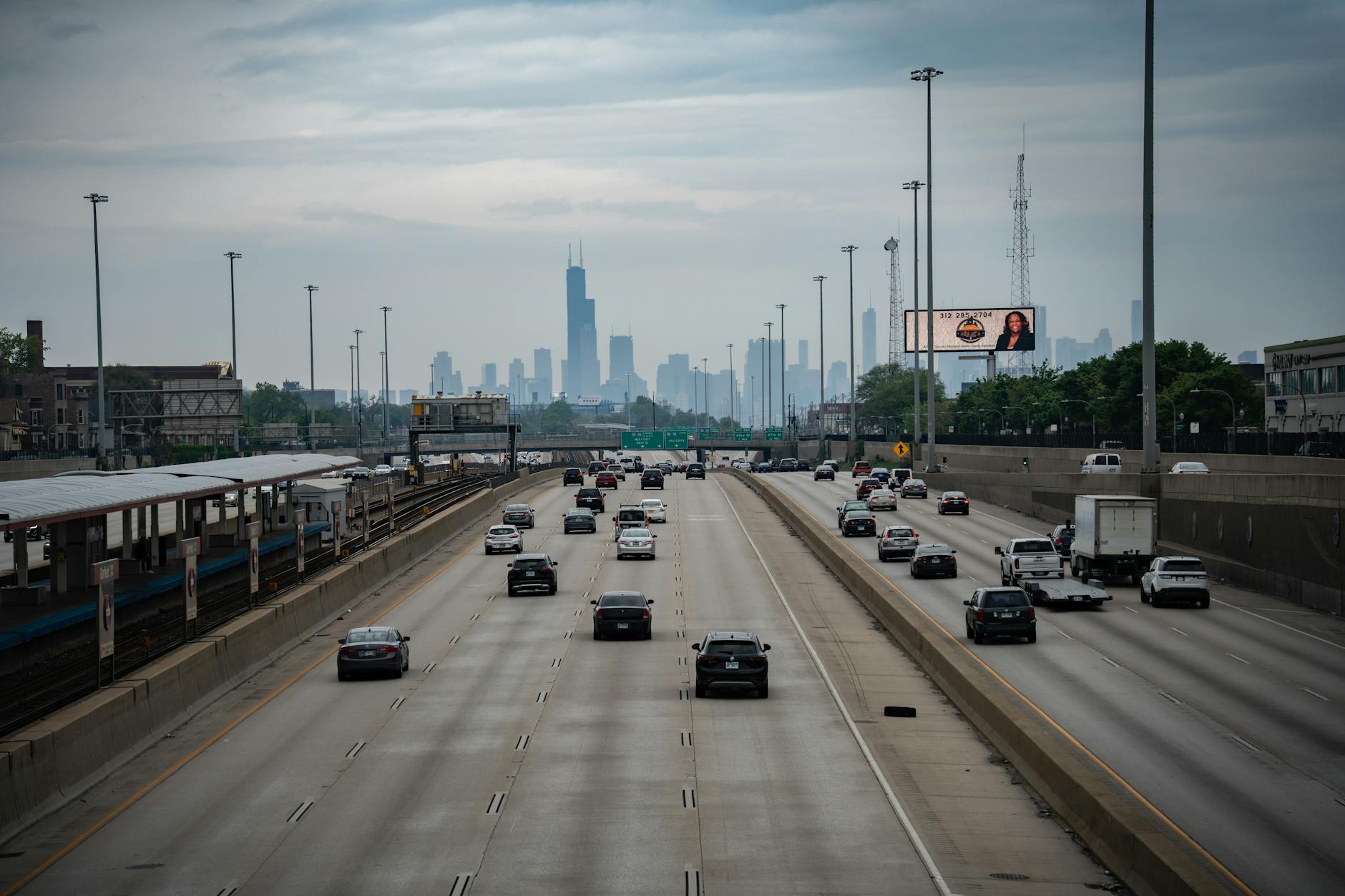
Chicago is one of the most congested cities in the country, ranking second only to New York City last year for the severity of traffic, a recently released annual study found.

The region also had one of the biggest jumps in traffic congestion in 2023 compared with pre-pandemic, according to the new report from mobility analytics firm Inrix, made public Tuesday. Traffic was up 18% over 2019 levels, tying for the highest growth among the cities studied…

Chicago’s traffic woes could be exacerbated by construction, or by drivers taking more trips at the same time, Pishue said. Inrix found traffic around Chicago, like in other cities nationwide, no longer revolves around peak morning and evening rush hours, but instead can tick up around midday and through the evening.

And adding to the traffic is continued low transit ridership, he said.

Addressing the growing traffic requires a comprehensive approach tackling multiple issues at once. This includes:

  1. Online shopping deliveries.
  2. Truck and freight traffic within the region and through the region.
  3. Getting more people to use mass transit (trains, buses, etc.).
  4. Planning for changing work schedules, whether is more work from home or more people returning to the office or more flexible hours in the office.
  5. Ride sharing.
  6. Alternative modes of transportation, including walking and biking.
  7. Shifts in population and business centers throughout the region.

This involves numerous municipalities, counties, the state, the federal government, and private actors throughout the region. Would the local government actors rather fight over whether the mass transit agencies should merge? Would suburbanites prefer someone else tackle these issues and leave them – and their tax monies – out of it? How many people will be willing to budge from driving when they want to help address the larger issues?

The time to address traffic is now so that the problem does not become worse.

From railroad easement to tax deduction during railroad merger to Millennium Park

Where did the land for Chicago’s Millennium Park come from?

In 1993, I went to work with Forrest Claypool in the Chicago Park District. I was responsible for the lakefront district. It always made no sense to me that there was this muddy, ugly hole right off Michigan Avenue. It also made no sense that if the Illinois Central Railroad owned that land, they would use it as a surface parking lot. You would think they would do something else with it. The other thing that stood out was that there was one track on the eastern edge with a single boxcar on it. It was just an eyesore. For a century, city and parks groups would try to buy the land, and the railroad would never sell it…

I did a title search. I just wanted to get to the bottom of it. I was sort of a zealot about the use of public land. I found out that the railroad didn’t own the land after all. It was always the city’s land. What the railroad had was an easement. So they could use the land for rail purposes, but they couldn’t build a building. They had no air rights. And to maintain the fiction of rail purposes, they kept the single track and the single boxcar. The railroad was happy to make some ancillary revenue as a parking operation. At this point, Forrest and I advised the mayor of what we had found. And [in 1996] the park district and the city Law Department together sued the railroad.

Without Randy Mehrberg’s discovery, none of this happens. Daley was in action mode almost immediately. As in: “Let’s go through the legal process here to get this thing done.” It was not until this sort of virgin land in the middle of the city became available that he saw that this was the chance.

The railroad was not terribly happy or receptive. But a funny thing happened: The Illinois Central was in the process of being sold to the Canadian National Railway. And I suggested to the railroad that instead of litigating with us, they make a donation to the city of all of their title and interest rights from Randolph Street to McCormick Place. They would get a nice tax deduction, and it would enhance their merger, because the purchase price was based on a multiple of earnings, and a large tax deduction would improve their earnings. We were able to negotiate that.

The area around the Chicago River and the lakefront was a shipping area with railroads converging and boats coming in and out. Yet, it sounds like it took a while to figure out what to do with all this space once transportation activity moved elsewhere. It is not as if Chicago stopped being a transportation center; the action shifted and this area eventually became a park.

Having been in Millennium Park many times, I do not recall seeing any documentation of the previous history of the land. If it is not marked, why not tell some of the story of railroads and other lakefront uses in the past to what the park is today? I am in favor of more resources for residents and visitors to learn and visualize what used to be where they are standing or looking. (Some of this could come from virtual reality or augmented reality devices but we are not there yet.)