Who owns a neighborhood? Or, who can make decisions to alter it?

A discussion of recent housing changes in Arlington, Virginia, an increasingly whiter and wealthier community, included this summary:
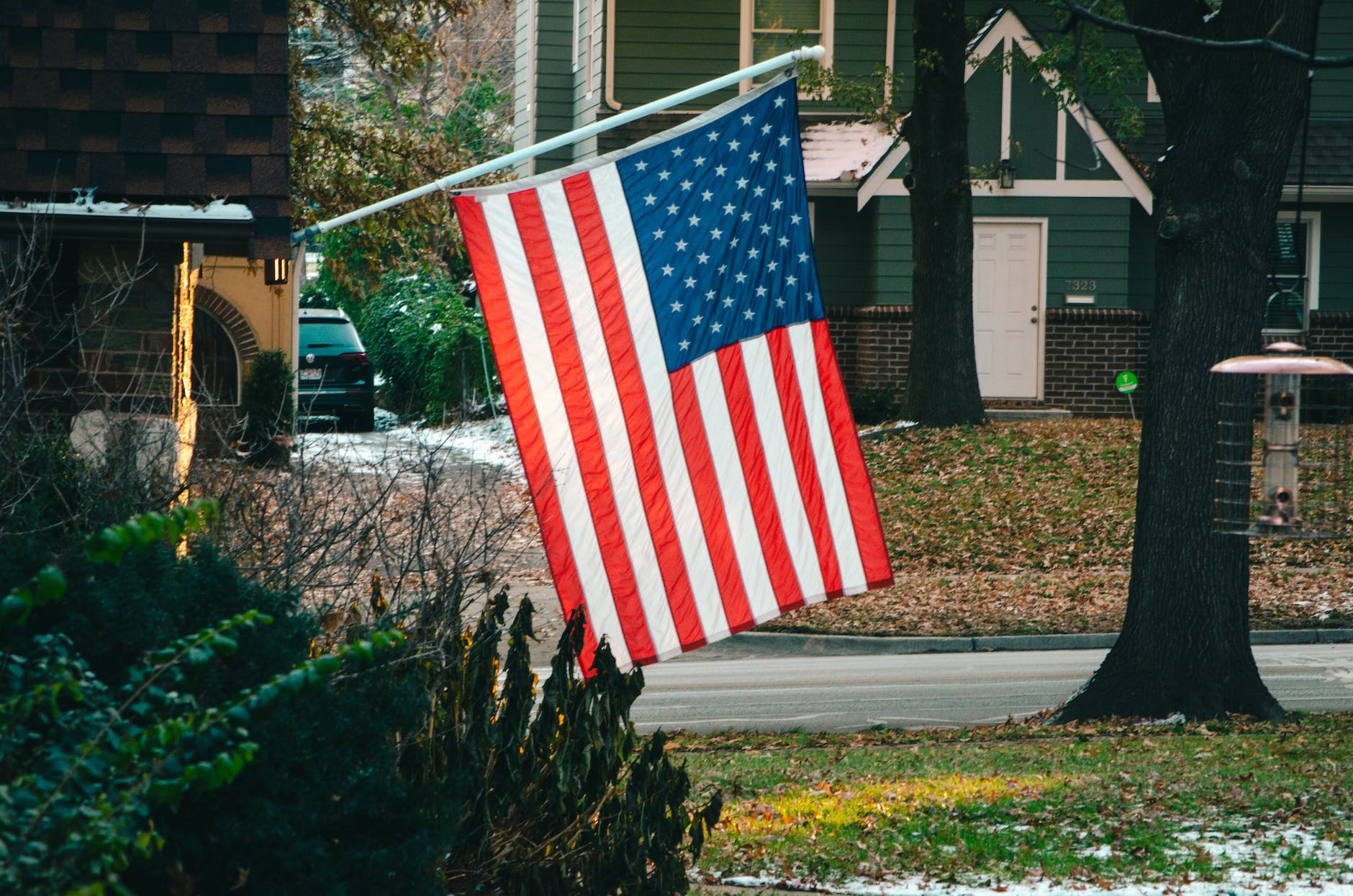
Photo by Jonathan Meyer on Pexels.com

Perhaps the opponents are beginning to accept that their community is not, has never been, exclusively their own domain.

Who owns a neighborhood? In many American communities, the people who live there might feel this way. They expect to provide input and exercise some oversight of what happens in their neighborhood. They want to exercise control over their own properties and those around them.

But, they do not do this on their own. They interact with other property owners and also engage with local governments. These local governments typically represent a broader community and have regulations about what can and cannot be done in neighborhoods.

In this particular case, the residents are single-family home owners and they have money and status. Thus, they really expect to be able to control their surroundings and they have means to back up their interests. Zoning in the United States often privileges protecting single-family homes.

In the end, however, local government has the task of considering the broader interests of a community. These may or may not align with the interests of a neighborhood. The neighborhood residents can respond by not voting for these local government officials and it is relatively easy in a smaller community to express discontent with local officials. But, action may already be underway that cannot be changed.

Or, here is another way to address the same questions: if every neighborhood will change over time, who gets to street this change and/or benefit from this change? Those with means and vested interests will have their own perspective and goals while a broader community might have another point of view.
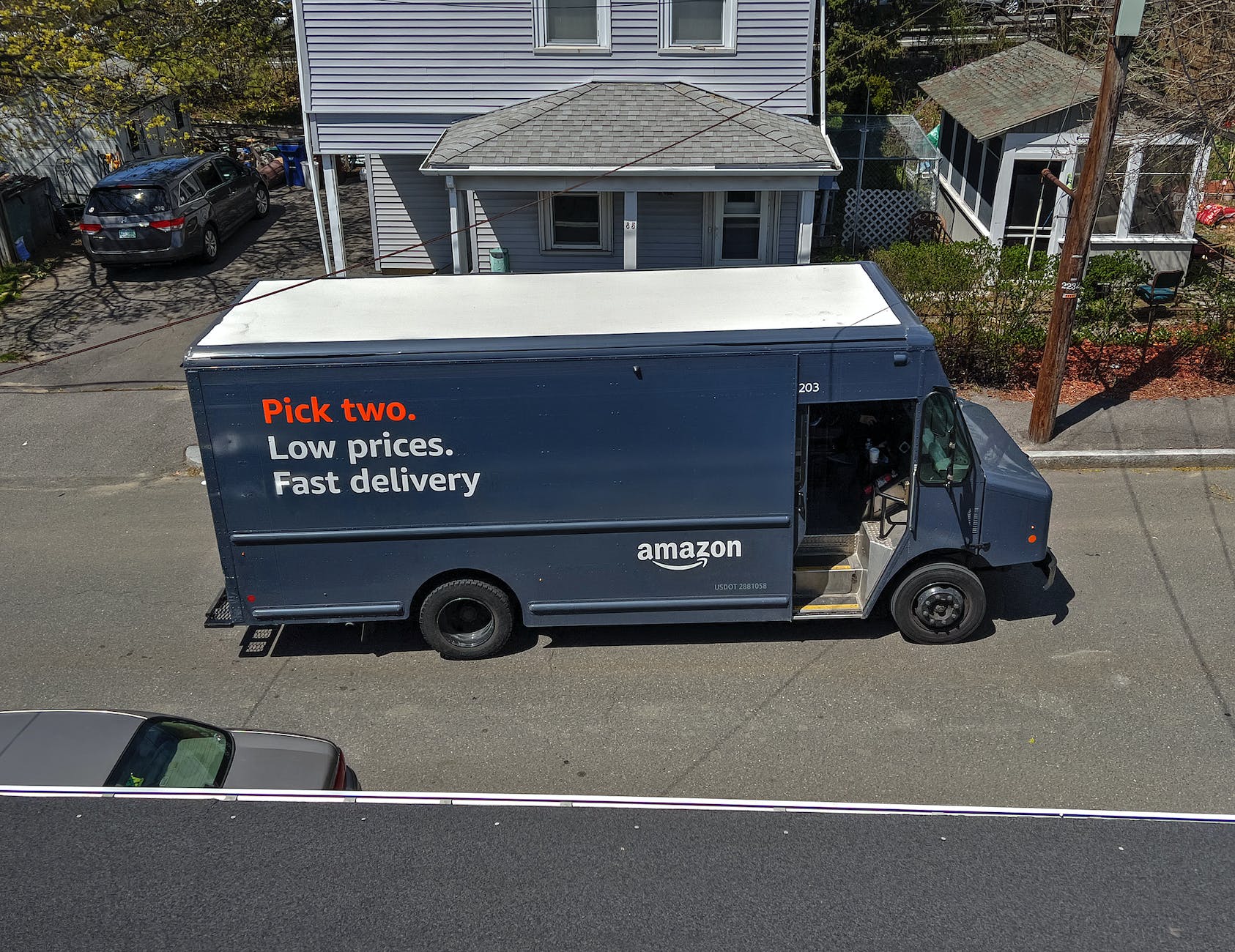
Remembering the frenzy and promise regarding Amazon HQ2

Amazon announced part of their HQ2 is coming along on schedule but the full project will soon go on pause:

Photo by James Anthony on Pexels.com

John Schoettler, Amazon’s real estate head, said in a statement the company is pushing out the groundbreaking of PenPlace, the second phase of the sprawling northern Virginia campus. The first phase of the campus, known as Metropolitan Park, is expected to open on time this June and will be occupied by 8,000 employees.

The move comes as Amazon CEO Andy Jassy has taken steps to curtail expenses across the company in the face of slowing revenue and a gloomy economic outlook. That’s led to the company announcing the largest layoffs in its history, totaling more than 18,000 employees, while also reevaluating its real estate portfolio and sunsetting some projects…

PenPlace encompasses three 22-story office buildings, more than 100,000 square feet of retail space and a 350-foot-tall tower, called “The Helix.” The development is larger than Metropolitan Park, which sits south of PenPlace, and includes two additional, 22-story office towers, as well as a mixed-use site featuring retail, restaurants and green spaces.

Amazon selected Arlington as the site of HQ2, in addition to the Long Island City neighborhood of Queens, New York, as part of a closely watched, splashy search for a second headquarters that kicked off in 2017. The company announced in 2019 it would halt plans to build its new headquarters in New York after it faced pushback from local activists and city council leaders.

Numerous communities across the United States submitted proposals to host this second headquarters and the company sought tax breaks. The promise of the new headquarters involved at least these two big features: the status of Amazon in your community plus the thousands of jobs in a corporate headquarters.

With the changes in the world, will these promises pan out for Arlington, Virginia and the D.C. metro area? It sounds like at least 8,000 employees will be onsite. However, the headquarters may never be as big as once envisioned. Does Amazon have the same status in 2023 that it did in 2017? This include everything from its financial outlook to its recent layoffs to changes in the everyday Amazon experience for customers.

On the whole, I would guess local leaders will still pitch this as a big win. We got Amazon and all these jobs (and implying that others did not). The long-term effects might be less clear, particularly if tax breaks for Amazon and opportunity costs and the longer-term fortunes of the company are factored in.