
A number of my research projects over the years have led to this scenario:
-I am in an archive or a library and there are lots of texts and artifacts I need to look at.
-The archive or library has their standard hours and I cannot spend endless time or days in the facility.
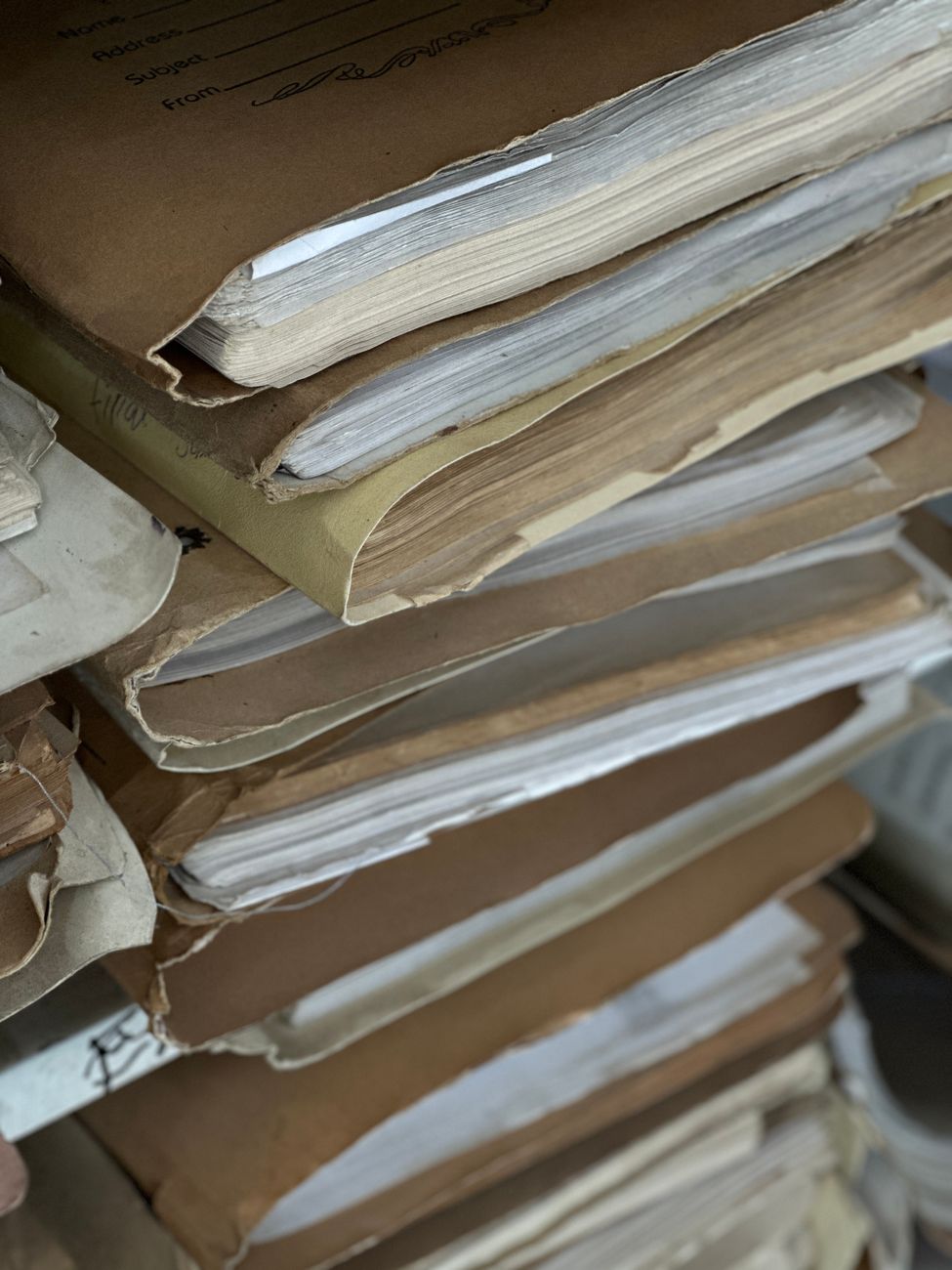
Because these materials are hard to find elsewhere (though the wonders of Interlibrary Loan has brought many things directly to me), I need to focus while there. This means I have a day – or multiple days – of focused sitting in front of me. There is not time for walking around, checking email, or eating. I need to get through the materials, figure out what might contribute to my project, and make sure I have that evidence to take with me. I need to be reading, processing, typing.
The last time I did this, I had a stack of books I needed to go through. I had one work day to do the work (which was a little shorter because of some driving time to get there). I sat for nearly five hours with one short bathroom break. I had headphones on listening to some good music and had a good window seat (but barely looked outside).
Was it fun? How did I feel afterward? It was work. My body felt tense afterward. But I had pages of notes. I was able to verify some needed information across sources and also see some different interpretations across the works. I took pictures of images in the books that I could use in a presentation.
From my point of view, the focused time that day paid off. The sitting and studying accomplished the task. I could not do the same routine every day. Even though I have found I can do it in stretches when I have more days and certain places have the materials I need, the variety of doing other things in my job helps.
I suppose this could be explained by being in a “flow state” as I focus intently on some subject I am interested in. It is also something I learned while conducting research. What do I need to look for when analyzing materials? What is the best way to organize my notes? What provides me the evidence I can then use later? Learning research methods involves forms of data collection and analysis but it also includes habits and dispositions and actions on the part of researchers.

