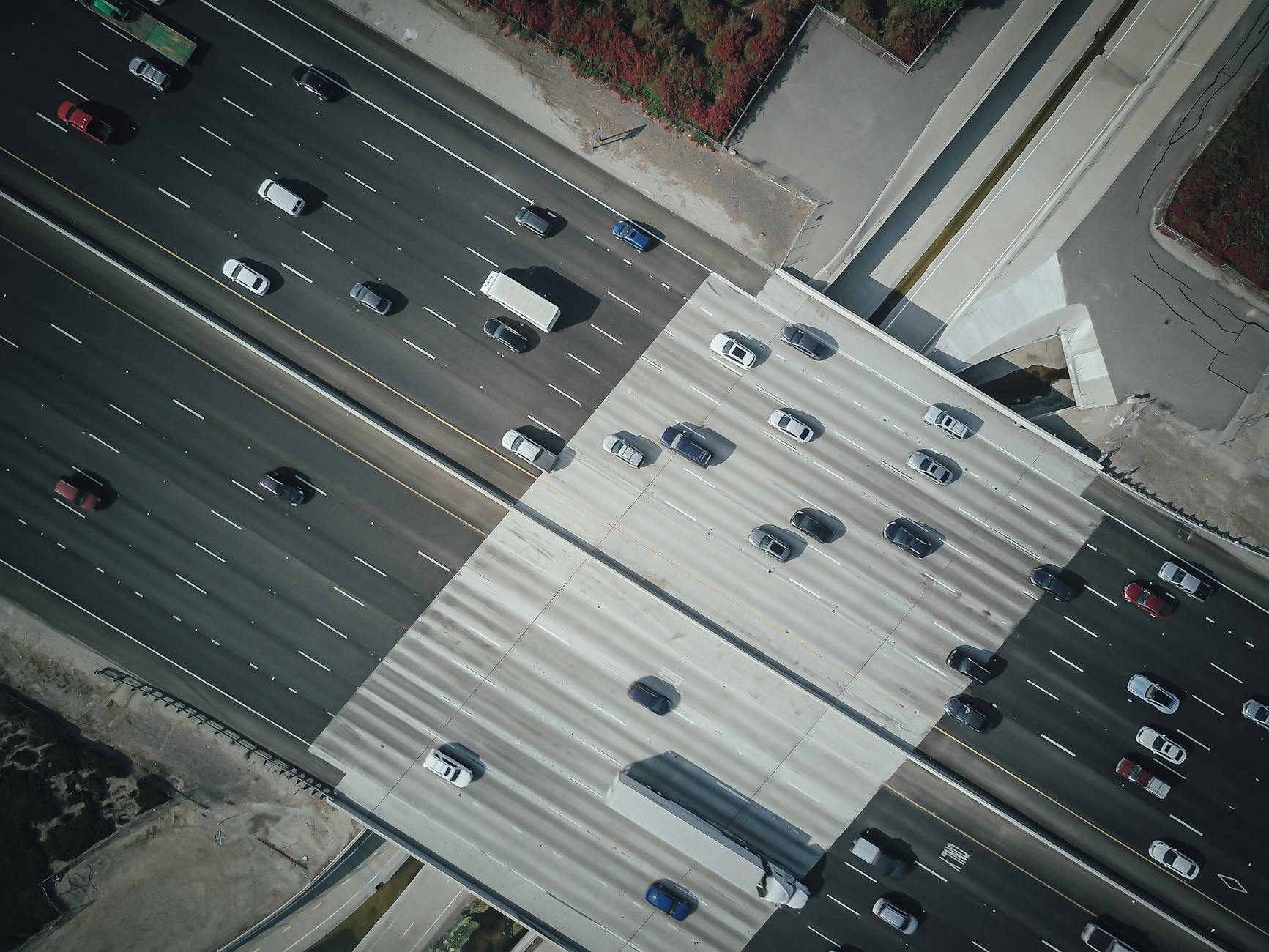
The tollway collaborated with Cook County on a broader North Avenue interchange project. Along with the ramp, it includes realigning County Farm Road and rebuilding and reconfiguring North Avenue, Lake Street, Northwest Avenue and I-290 Frontage Road.
“I’m surprised (the ramp) was never built originally when they built the tollway seeing as North Avenue is so busy,” Sherwin said.
A major hotel was built in Northlake near the Tri-State in 1968 “on the promise that they were going to get the ramp. The ramp didn’t come (and) the hotel went bust,” Sherwin recounted, adding the site is currently home to Concorde Place seniors residence.
“Here we are 57 years later; we finally got the ramp open.”
The best time for a lot of infrastructure improvements is in the past, before there is significant need now. This particular interchange has always had a weird convergence of roadways. Perhaps a ramp built decades ago could have made traffic flow better.
But this is easy to say in the present. What stopped the ramp from being constructed in the past? Money is often an issue; who will pay for the road improvement? Or the possible money needed to be spent elsewhere on bigger issues. Maybe the issue was land. Highway interchanges can be limited by the space they have. It is easier to construct interchanges when there is plenty of room for ramps and land is cheap.
And what happens if the ramp is a success and more and more people use it? Building more lanes and road capacity can lead to more use. Those who got on and off the highway elsewhere or who used alternate roads may now choose this improved interchange. The new interchange will alter the dynamic traffic conditions…hopefully for the better.
How do they know how many data centers are in the country? Their explanation:
Our data originates from multiple sources, primarily:
Operators: Data center operators and service providers use Data Center Map as a marketing tool, to promote their data centers, networks and services to potential clients. They have direct access to add and update listings.
External sources: We monitor multiple external databases, to identify missing or changed listings. They are automatically queued for manual review.
Manual sourcing: We manually identify operators that we are missing and manually add them to our database.
End-users: End-users send us tips and requests, about missing or outdated listings, that we manually handle…
As there are no regulatory requirements to register data centers in a central database, there are no complete resources available. All databases are based on voluntary data submissions and/or collecting data from providers or other sources.
How many data centers are needed for the United States? From what I have read, data centers are under construction in order to meet the current and future needs of AI technology. The future needs might be hard to forecast. Within a few years, what newer tech and AI products will be considered essential?
How many data centers are wanted? I am thinking of two possible scenarios. First, tech companies might want a certain number of data centers to meet needs and have extra capacity. But, they can only build so many and they can meet needs and maybe only a little more.. Second, communities and residents may not want some of these data centers. While this opposition often occurs community by community, this could add up to limit the number of data centers throughout the country.
It will be interesting to see where this number ends up. And if the number keeps going up, how many people living around them or driving by them will know and/or care they are there?
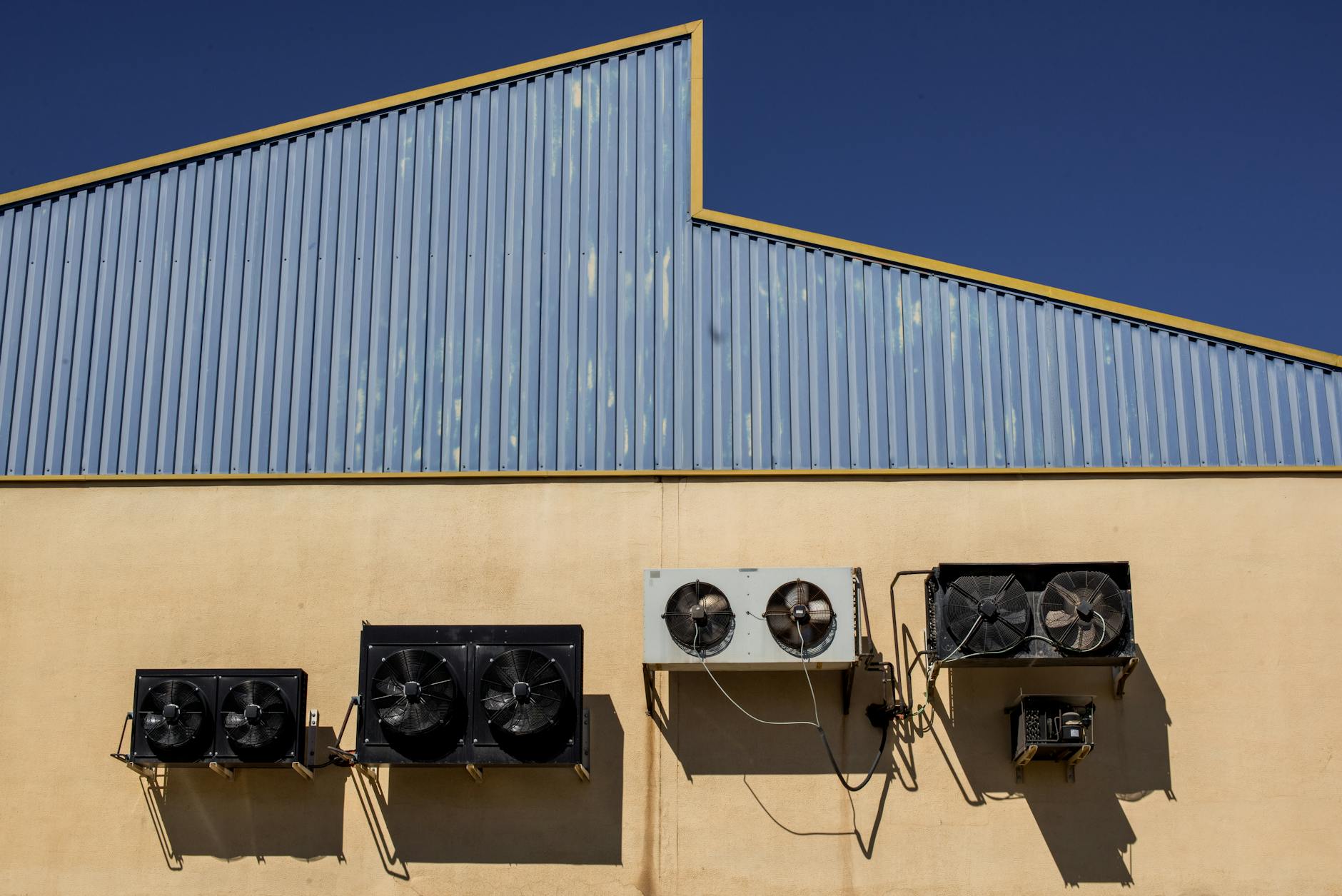
Many people believe that growth will only continue. “We’re gonna need stadiums full of electricians, heavy equipment operators, ironworkers, HVAC technicians,” Dwarkesh Patel and Romeo Dean, AI-industry analysts, wrote recently. Large-scale data-center build-outs may already be reshaping America’s energy systems. OpenAI has announced that it intends to build at least 30 gigawatts’ worth of data centers—more power than all of New England requires on even the hottest day—and CEO Sam Altman has said he’d eventually like to build a gigawatt of AI infrastructure every week. Other major tech firms have similar ambitions.
Listen to the AI crowd talk enough, and you’ll get a sense that we may be on the cusp of an infrastructure boom.
Throughout American history, growth is good. Construction is a sign of growth and provides jobs. A new industry is underway. Society is progressing. Data centers are all over the place (and will end up somewhere even if some communities do not all them). Americans are used to booming construction as this happened across housing and numerous industries throughout the country’s history.
What that growth might lead to is another matter. How do these data centers contribute to communities and landscapes? Do all the data centers in suburbs transform suburban life? When the growth slows, what happens then? Will the data centers still be there in 50 or 100 years or will they be vacant properties?
All this is a reminder that while many Americans will encounter AI through devices and data going through the air, it has a significant physical footprint. To power real-time AI responses to whatever we as users need requires buildings, land, resources.
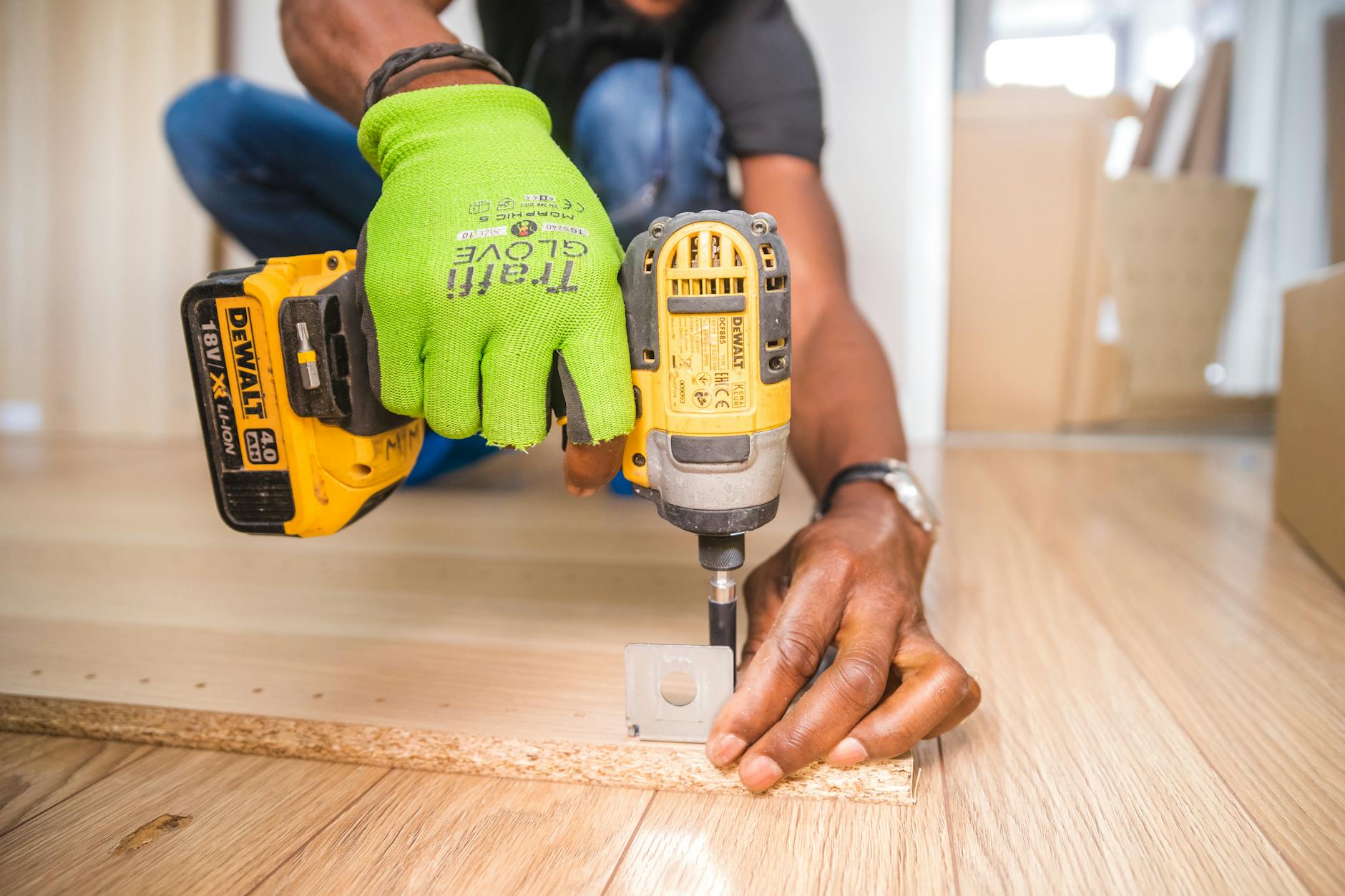
Companies like Reframe are trying to solve a conundrum scholars call the construction crisis. Although most sectors of the economy have gotten more efficient over time, construction has moved in the opposite direction—construction sites are less productive today than they were 50 years ago. It’s a genuine mystery, and everyone has their own pet theory about what’s to blame.
Efficiency is the answer to numerous perceived social issues in the United States. Make government more efficient. Make the distribution of resources or services more efficient. Get things done faster and at lower cost. And in the business world, who would be opposed to more efficiency?
I also recall some of the concerns expressed by critics about efficient home building operations. Take the Levitts mentioned in this article. Amid the various concerns expressed by many was a concern about the quality and character of homes that were mass produced. Would such homes stand for a long time? What does it do to community life when there are so few models available?
The example given in the article of efficient housing is modular housing. Part of this involves logistics; can it be produced at particular quantities and price points that makes it viable. But there will also be architectural and community questions. Will neighbors want to live next to it? Do early residents find it comparable to housing built by other methods? How does it stand up over time?
It would be interesting to ask Americans if they want “an efficient house.” Is the opposite of this “an inefficient house”? I’m not sure many think about in terms of efficiency when thinking about their residence.
Two decades ago, the fire marshal in Glendale, Arizona, was concerned that the elevators in a new stadium wouldn’t be large enough to accommodate a 7-foot stretcher held flat. Tilting a stretcher to make it fit in the cab, the marshal worried, might jeopardize the treatment of a patient with a back injury. Maybe our elevators should be bigger, he thought.
The marshal put this idea to the International Code Council, the organization that governs the construction of American buildings. After minor feedback and minimal research (the marshal measured three stretchers in the Phoenix area), the suggestion was incorporated into the ICC’s model code. Based on one man’s hunch, most of the country’s new elevators grew by several square feet overnight. The medical benefits were not quantified, and the cost impact was reported as “none.”
It is one of the many small rules that have divorced our national building standards from the rest of the world. According to research by the building policy wonk Stephen Smith, who recounted this story in a report last year, changes like these are one reason it now costs three times as much to install an elevator in the U.S. than in Switzerland or South Korea.
Someone – individual or group – have to come up with the standards and then another organization implements them and advocates for them in the future. If this particular standard seems odd to people, what would stop others from proposing a different standard and working to get that implemented? How exactly is such a decision adjudicated?
I imagine most elevator users would not think about this when stepping into or stepping out of a larger elevator. It may seem spacious. They may notice when the elevator can hold a lot of people and/or items (suitcases or household goods on moving day). Would anyone lay down in the elevator and realize they can fit?
Implementing a new standard today would take a while to work through the system as new elevators start showing up. Thirty years from now, someone could look back and mention the day when the standard changed (and perhaps give the reasons why it changed). Until then, we have a certain elevator size that can accommodate a seven foot stretcher.
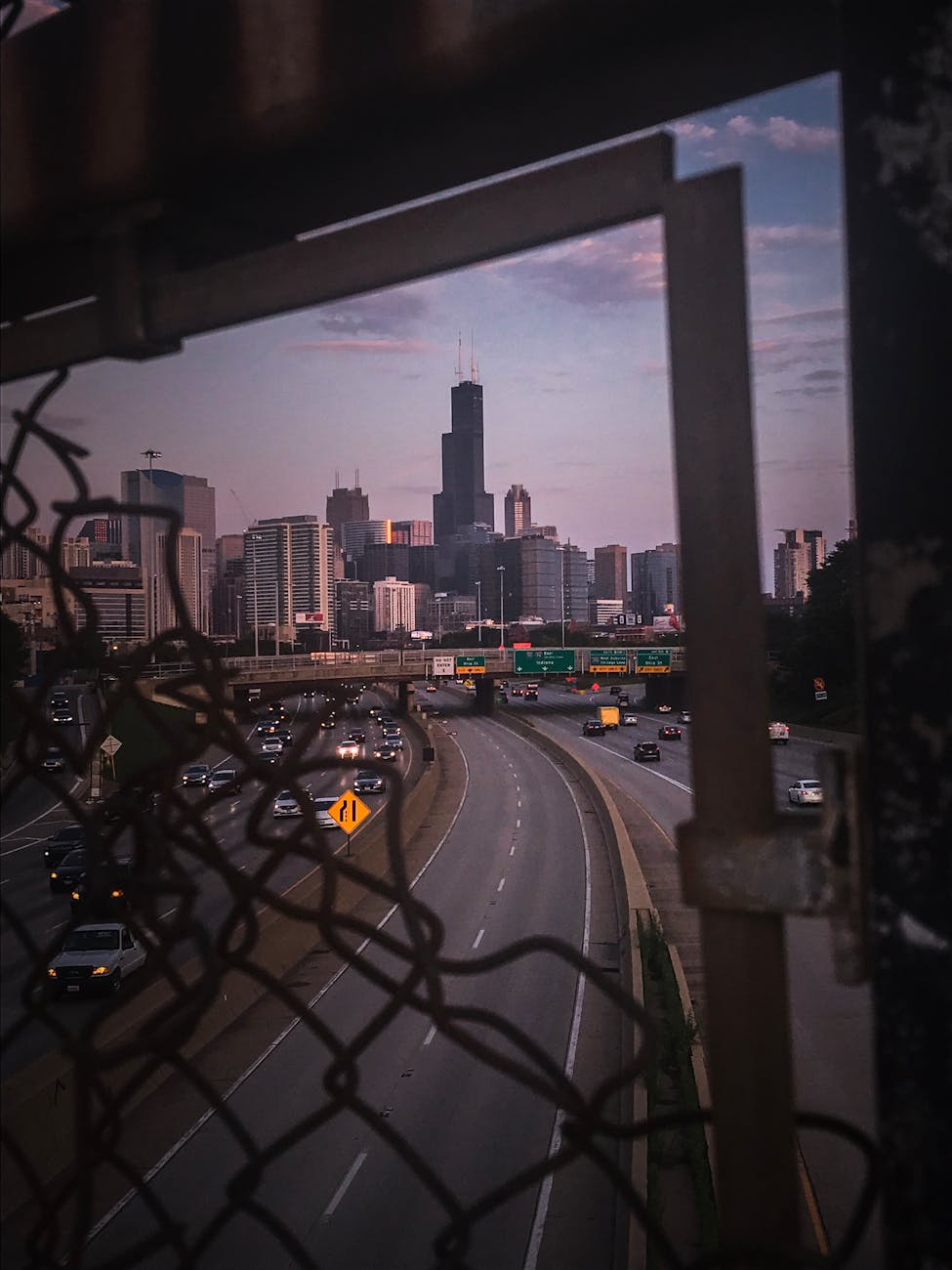
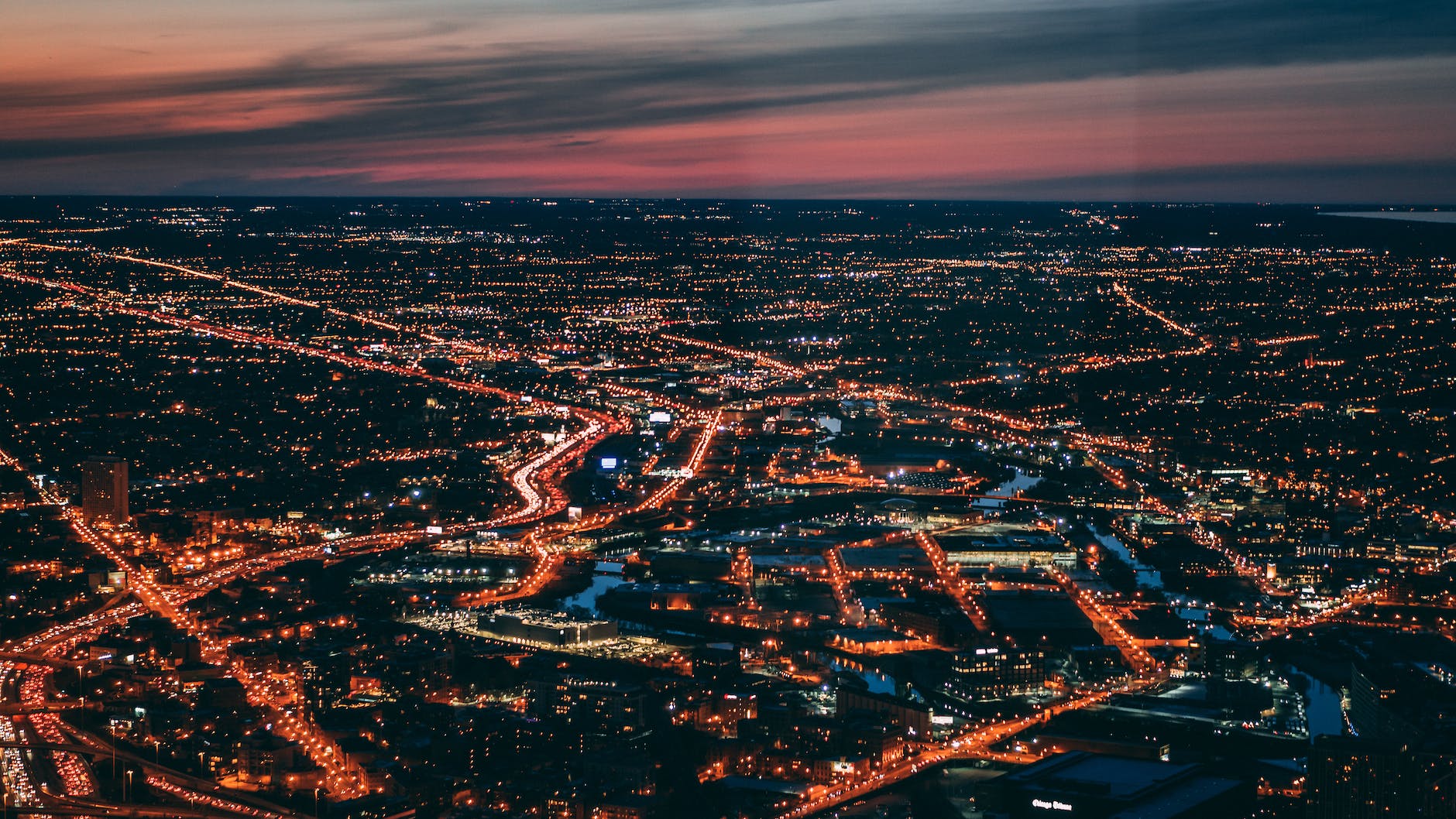
Kennedy problems, or at least the perception thereof, certainly helped bolster a lot of the growth this past couple of years in suburban business districts like those in the likes of Naperville, Glencoe, Wheaton and Aurora, as suburbanites and exurbanites looked beyond Chicago to avoid the Kennedy at all costs.
Good for those suburbs for jumping on an opportunity. But Chicago got a “lanes closed, expect delays” warning for years — a handicap it most certainly did not need.
How might we know that this construction on a highway leading northwest out of Chicago boosted business in suburban areas (including several that are different directions from the Kennedy)? Some possibilities:
A rise in the number of visitors or patrons in these suburban businesses and a decline in visitors or patrons in Chicago. These might not be causing each other but trends going different directions might be taken as evidence for this argument.
Survey or interview data that suggests suburbanites factor in traffic in Chicago when making decisions about where to go. It might go something like this: “The drive into Chicago just takes too long…let’s go somewhere that is closer and easier to get to.” Anecdotal evidence might point in this direction but how often does this happen?
Changes in commuter patterns and/or the presence of entertainment and business centers in the suburbs. As metropolitan areas have expanded, how many people find jobs, shopping, and cultural opportunities in other suburbs rather than in the big city? (This has happened already in American metropolitan regions but some Chicagoland specific data would be interesting.)
Evidence of direct efforts from suburban communities or businesses to attract people by referencing the issues present in going to Chicago. For example, do any suburban downtowns tell people they do not need to go to Chicago to find X? Or do businesses make this argument? Or suburban shopping malls?
The more that I think about it, the more that I come to believe that this invention is responsible for the suburbs as we know it. This unassuming little piece of metal, it’s called a gang nail plate or a truss plate, and its job is to affix pieces of wood together at their joints.
What’s really unique about it though is that it can securely connect wood members positioned at almost any angle. With the aid of these plates houses made of standard 2×4 studs can have open floor plans, cathedral ceilings, and complicated roof shapes all constructed with ease. You might recognize all those three traits as the common features of modern suburban homes, especially the so-called McMansions. Yeah, these things make McMansions possible.
The argument of this video is that this is made possible by the gang nail plate. Without it, the roof is more expensive and not as strong. The big spaces that Americans expect in their single-family homes are more difficult to construct.
This reminds me of the importance of other construction techniques that enabled suburban housing. Balloon framing. The systems developed in mass suburbs, such as Levittown, to build homes in stages and with a set number of floor plans.
This season is a regular occurrence even as it does not show up every year, it might be more visible on the 4 year presidential election cycle, and it occasionally occurs during primary voting periods in the spring. On its more regular schedule, by early October numerous lawns and public intersections contain political yard signs. Lawns – usually clear of obstructions – broadcast political messages for those passing by. They range from national offices (president, Senate, House) to very local offices (townships, local forest preserves, etc.). They differ in size – some huge, some small and hard to read – and in color, often tied to the traditional colors of the two major parties with some occasional other colors thrown in.
Most lawns do not have signs. Some property owners have them each political yard sign season, others are more occasional participants. The corners of major intersections can be little battlegrounds as people place signs for different candidates and different races.
What difference does political yard sign season make? I do not know. Do those going by at suburban driving speeds (1) have time to read the signs and (2) ever change their preferences or voting patterns? Is it more about political mobilization among residents where signs are symbols of their fervor? For the stories and images I see of signs stolen or removed, do these actions change anything?
Soon political yard sign season will pass. Election Day comes and the signs disappear rapidly. Some might hang on for a while longer, braving the cold and snow of winter. Almost none will be around for the coming of the next construction season. For a short period, political yard sign season blooms and we all experience it.
Photo by Miguel u00c1. Padriu00f1u00e1n on Pexels.com
In 2018, UNESCO inscribed dry stone walling as an Intangible Cultural Heritage of Humanity, stating that “the technique exemplifies a harmonious relationship between human beings and nature.” When building a dry stone wall, Kaneko told me, you have to work with the contours of the land and irregularities of each stone. John New, the chair of the West of Scotland Dry Stone Walling Association, told me that “when you’re building a stone wall, you become part of the environment. Brown hares will just come up and stop and watch you.” Deer too. Almost as soon as it’s built, a stone wall is inhabited by insects—a key indicator of biodiversity—and small animals such as voles, chipmunks, and wrens. In China, researchers have documented the remarkable diversity of plants thriving on ancient stone walls—even in urban environments.
In rocky regions around the world, groups are working to preserve and promote the craft of dry stone walling, touting the benefits to biodiversity and low carbon footprint. These are inherently local efforts because building with stone makes the most sense when it can be sourced locally. (In the past, farmers used stone unearthed while clearing the very fields they needed to terrace or fence.) In Scotland, for example, trucking in material for a stock fence from far away could cost upwards of $5,000, New said. The most ambitious recent dry-stone-walling projects, such as the multimillion-dollar effort to restore the stone walls of Italy’s Cinque Terre, are in service of historical preservation. But Stone Walls for Life, the EU-funded project organizing the Cinque Terre restoration effort, argues that the walls strengthen resilience to climate change, too, by improving drainage and preventing landslides. They plan to replicate this kind of undertaking around the EU.
In Japan, Kaneko told me, most of the people who still know how to build simple utilitarian stone walls are in their 80s. In the past, if a stone wall along a rice paddy or road collapsed, the community would gather to repair it. This collective experience was key. When I met him again at a Kyoto café (in the concrete Kyoto International Conference Center, near a concrete-encased river), Kaneko told me about a 1919 Journal of Engineering article that emphasized the importance of human skill and discretion rather than objective numbers in stone-wall building. Although perfecting the craft of stone walling takes a lifetime, Kaneko said that an amateur, with no formal engineering experience, can learn the basics in about four days. Through workshops all over the country, he and Sanada teach people to place stones with the long side angled down into the slope, to make sure that each large stone touches at least two others, and to fill behind the large stones with small rocks or gravel as they build. There have been attempts to standardize and mechanize dry stone walling, using, for example, software and a robotic excavator. But Kaneko says that in many cases, the sites where he works are too narrow or steep for a machine to access. To him, stone walling’s reliance on man power instead of machine power, and passed-down knowledge instead of equations, is part of its value. “I like the very wild dry stone walls,” he told me.
Embracing those qualities, though, requires trust and experience. In July, Kaneko traveled to the town of Genkai, on Japan’s Southern island of Kyushu, to repair the walls at Hamanoura Tanada, a scenic and historic site where nearly 300 small terraced rice paddies chisel the dramatic slopes above an inlet of the Genkai Sea. A few years ago, the town’s planning and commerce division invited Kaneko to teach five local construction companies how to build dry stone walls so they could preserve the traditional scenery. But even with that training, none of them was willing to take on rebuilding stone walls. It’s seen as a labor-intensive and risky job, Kaneko said. Companies that use concrete can reliably calculate the strength of their walls, but it’s nearly impossible to estimate the engineered strength of any particular dry stone wall. Although villages and private landowners can choose stone over concrete, there have been no mainstream attempts to return to dry stone walling for major new public-works projects in Japan, Kaneko told me. In the United States, most landscaping walls shorter than three or four feet don’t need to be permitted, Alan Kren, a structural engineer at Rutherford + Chekene, told me. To build stone walls on any larger scale would likely require new standards for using these old techniques.
Lots of potential connections between this and the move to modernity more broadly:
-New crafts and methodologies that people know and use while older techniques fade away.
-Technological and scientific progress in new materials but costs with which we have not fully reckoned.
-Lost community moments replaced by private activity.
-Local efforts are difficult to sustain given broader global and social pressures.
The march of concrete will go on while some advocate for other options. And perhaps at some point concrete will be replaced by another material and the techniques of using concrete could be lost.
The $150 million project will take place along a 7.5-mile stretch from the split at I-94 south to Ohio Street, and at the massive underpass near Hubbard Street downtown. It will include rehabbing 36 bridges and the highway’s reversible express lane access system, replacing overhead signs, upgrading lighting, paving and painting.
The work is designed to improve safety, traffic flow and reliability on the 10-lane expressway, used by more than 275,000 drivers each day, the Illinois Department of Transportation said. The last major rehabilitation of the 63-year-old roadway was in 1994, and bridges were last repaired a decade ago.
Construction is expected to take place in phases over the next three warm-weather seasons, starting with the inbound, or southbound, lanes this year…
The outbound work and the updates at Hubbard’s Cave are expected to be complete in late fall 2025.
Given the importance of this stretch of highway for the Chicago road network, it is hard to say that the construction should not happen. Even as the cynic might note that as soon as this project is over the next stretch of the Kennedy will be under construction, roads do need repair. But, what are the consequences if the project is not completed on time? Are there any significant incentives that can help make sure this project stays on track and within budget?
It does not help that the timeline for this project is so long. At some point, the regular driver on the Kennedy may have a hard time remembering when the road was not under construction. In fall 2025, how many will remember the optimism of a prediction of 3 years? If it goes into 2026 and the cost went up some, how many will care? I will set a mental note for late 2025 but we will see what happens…





 Legally Sociable