
American places – and global settings as well – are less dark than in the past:
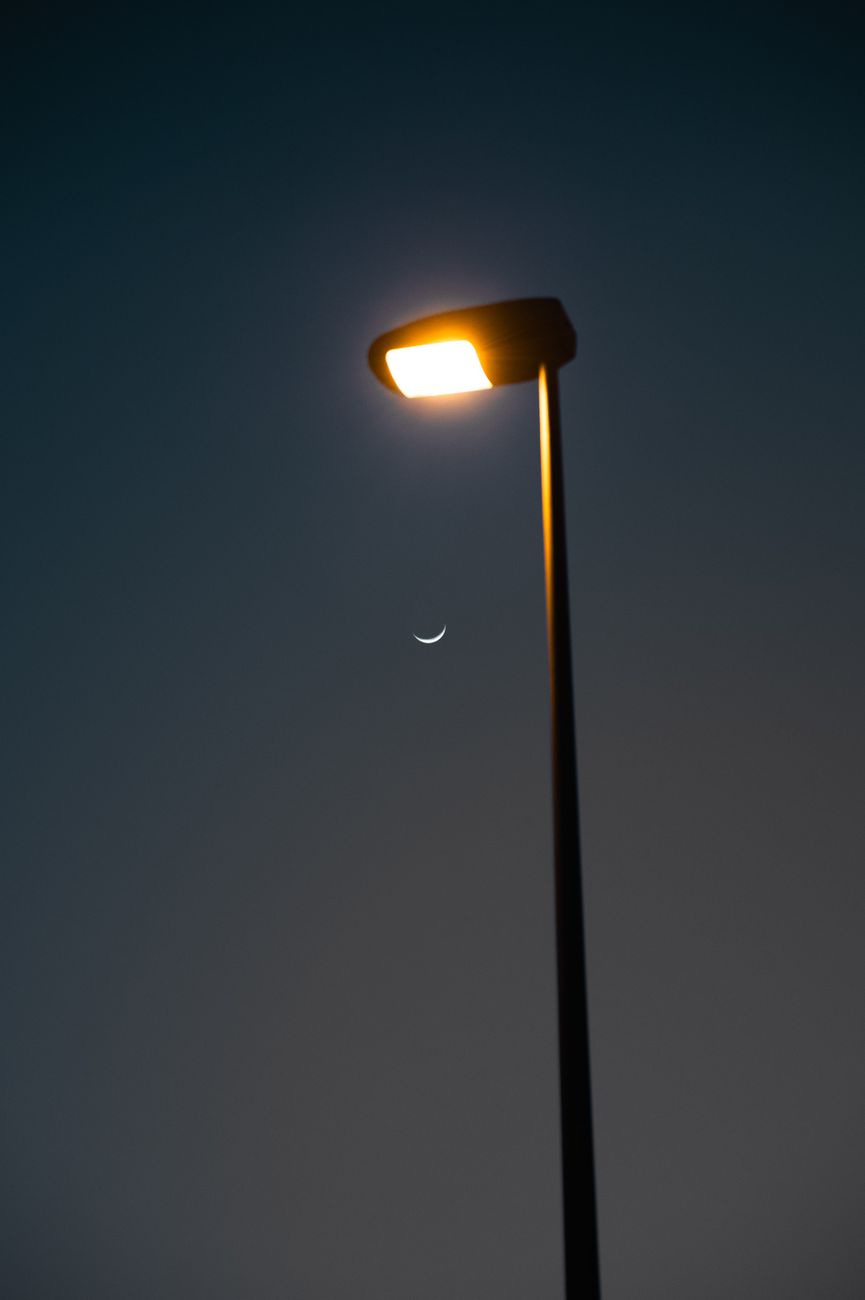
Every year, the night sky is becoming 10% brighter. Eighty per cent of people live under light-polluted skies. And while the UN declared a healthy environment – clean air, clean water – to be a human right, I believe we also all have a right to darkness as well…
To preserve the darkness would mean rules and enforcement around the warmth of the lights, where they point, and how bright they can be. It would mean not putting in three lights when one would do. If we recognized that darkness is something we need, we’d become more careful about chasing it away.
Some communities have already done this. Flagstaff, Arizona, was the first city to have outdoor lighting rules, adding them in 1958. In 2001, Flagstaff became the first recognized Dark Sky City. Their rules regulate how much light can be used, what type, and where it can shine.
Other cities and towns in the US and abroad have followed. New York state is now considering a Dark Skies Protection Act, which would add restrictions on outdoor lighting – including some that would affect the city that never sleeps. All it takes to preserve the night near you is the desire to protect it with a new zoning law or, perhaps, a rule for how bright car headlights can be.
It could be helpful to look at why American skies are brighter than in the past. Here are multiple possible reasons:
- Concern for safety. As Americans feared crime for decades, lighting was part of the solution.
- More development which equals more housing, roads, and spaces to light for human activity.
- Different expectations and standards for spaces. How have building codes changed regarding lighting? How do people perceive darkness now compared to the past (see #1 above)?
- Less engagement with nature or natural settings. Could be more screens, less walking and more driving, different modes of engagement with nature.
If Americans want darker skies or the right to dark skies, how might they then also address these other issues?
I understand the concern as a street light sits along the residential road in my front yard and the back yard has a bright light shining from an HOA building behind our back yard. With all the direct light plus the metropolitan light, it takes work and travel to find spaces where one can enjoy the dark and the night sky.
But would neighbors, the nearby HOA, and the suburb I live in want to decrease their light use or land use or change their regulations? It would take sustained collective effort to make these suburban skies dark.

