Donald Trump on Bill Leavitt in front of the Boy Scouts

What did President and real estate developer Donald Trump think about real estate developer Bill Levitt? Here is what he said about halfway through a 2017 speech at the Boy Scout Jamboree (and discussed in Edward Berenson’s Perfect Communities):

Photo by Pixabay on Pexels.com

In life, in order to be successful — and you people are well on the road to success — you have to find out what makes you excited, what makes you want to get up each morning and go to work? You have to find it. If you love what you do and dedicate yourself to your work, then you will gain momentum? And look, you have to. You need the word “momentum.” You will gain that momentum. And each success will create another success. The word “momentum.”
I’ll tell you a story that’s very interesting for me. When I was young there was a man named William Levitt. You have some here. You have some in different states. Anybody ever hear of Levittown?
(APPLAUSE)
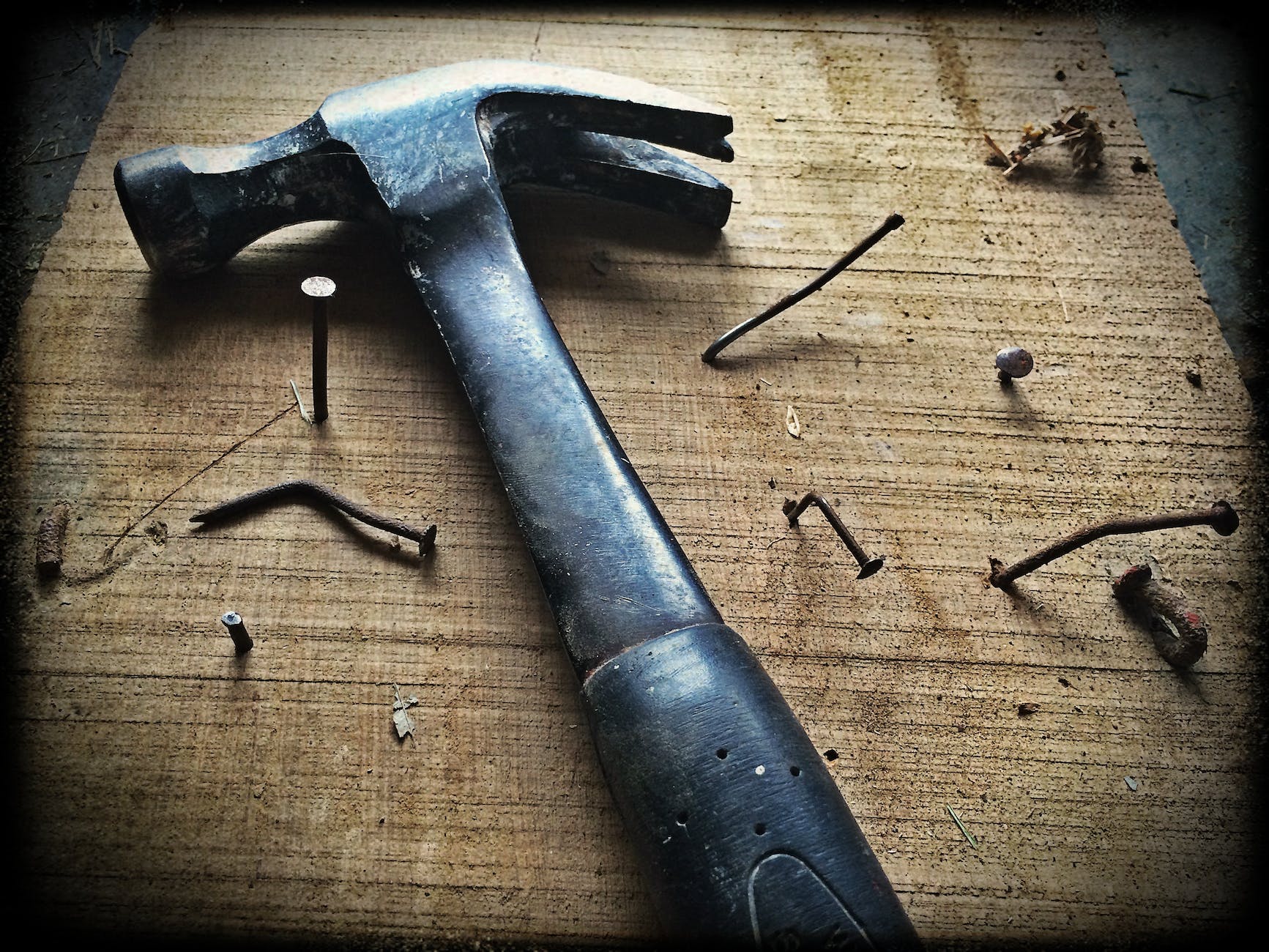
And he was a very successful man, became unbelievable — he was a home builder, became an unbelievable success, and got more and more successful. And he’d build homes, and at night he’d go to these major sites with teams of people, and he’d scour the sites for nails, and sawdust and small pieces of wood, and they cleaned the site, so when the workers came in the next morning, the sites would be spotless and clean, and he did it properly. And he did this for 20 years, and then he was offered a lot of money for his company, and he sold his company, for a tremendous amount of money, at the time especially. This is a long time ago. Sold his company for a tremendous amount of money.
And he went out and bought a big yacht, and he had a very interesting life. I won’t go any more than that, because you’re Boy Scouts so I’m not going to tell you what he did.
(CROWD CHANTING)
Should I tell you? Should I tell you?
(APPLAUSE)
You’re Boy Scouts, but you know life. You know life.
So look at you. Who would think this is the Boy Scouts, right? So he had a very, very interesting life, and the company that bought his company was a big conglomerate, and they didn’t know anything about building homes, and they didn’t know anything about picking up the nails and the sawdust and selling it, and the scraps of wood. This was a big conglomerate based in New York City.
And after about a 10-year period, there were losing a lot with it. It didn’t mean anything to them. And they couldn’t sell it. So they called William Levitt up, and they said, would you like to buy back your company, and he said, yes, I would. He so badly wanted it. He got bored with this life of yachts, and sailing, and all of the things he did in the south of France and other places. You won’t get bored, right? You know, truthfully, you’re workers. You’ll get bored too, believe me. Of course having a few good years like that isn’t so bad.
But what happened is he bought back his company, and he bought back a lot of empty land, and he worked hard at getting zoning, and he worked hard on starting to develop, and in the end he failed, and he failed badly, lost all of his money. He went personally bankrupt, and he was now much older. And I saw him at a cocktail party. And it was very sad because the hottest people in New York were at this party. It was the party of Steve Ross — Steve Ross, who was one of the great people. He came up and discovered, really founded Time Warner, and he was a great guy. He had a lot of successful people at the party.
And I was doing well, so I got invited to the party. I was very young. And I go in, but I’m in the real estate business, and I see a hundred people, some of whom I recognize, and they’re big in the entertainment business.
And I see sitting in the corner was a little old man who was all by himself. Nobody was talking to him. I immediately recognized that that man was the once great William Levitt, of Levittown, and I immediately went over. I wanted to talk to him more than the Hollywood, show business, communications people.
So I went over and talked to him, and I said, “Mr. Levitt, I’m Donald Trump.” He said, “I know.” I said, “Mr. Levitt, how are you doing?” He goes, “Not well, not well at all.” And I knew that. But he said, “Not well at all.” And he explained what was happening and how bad it’s been and how hard it’s been. And I said, “What exactly happened? Why did this happen to you? You’re one of the greats ever in our industry. Why did this happen to you?”
And he said, “Donald, I lost my momentum. I lost my momentum.” A word you never hear when you’re talking about success when some of these guys that never made 10 cents, they’re on television giving you things about how you’re going to be successful, and the only thing they ever did was a book and a tape. But I tell you — I’ll tell you, it was very sad, and I never forgot that moment.
And I thought about it, and it’s exactly true. He lost his momentum, meaning he took this period of time off, long, years, and then when he got back, he didn’t have that same momentum.
In life, I always tell this to people, you have to know whether or not you continue to have the momentum. And if you don’t have it, that’s OK. Because you’re going to go on, and you’re going to learn and you’re going to do things that are great. But you have to know about the word “momentum.”
But the big thing, never quit, never give up; do something you love.

The moral of the story seems to be about momentum: Trump says Levitt once had it and then he didn’t. The Levittowns were built and Levitt was well known but then his later projects and efforts did not go as well.

Three things strike me about this story. First, is this what is expected of hot shot or important developers? Berenson describes how Levitt funded many of his projects. The selling of homes in the first section or subdivisions in communities then funded later houses. If sales slowed, the project lagged. If sales were brisk – and they were particularly quick in the 1950s – then the project could flow along. Donald Trump also leverages previous assets to fund projects. Perhaps this is just the game is played in real estate but it might not be the way many average Americans operate.

Second, Berenson details the yachting/wealthy life Levitt lived. Levitt at one point had the third biggest yacht in the world. He and his wife entertained at some of the hottest social spots. This brings him into contact with numerous famous people. This includes people like Donald Trump – a younger developer – and politicians – like Joe Biden. He did this all with relatively little real wealth; his money was tied up and not really growing. When the money started running out, he did not have many options.

Third, what counts as positive or negative momentum? This particular story is told in such a way that there is a clear rise and fall: Levitt made it to the top and then dropped to the bottom. Most lives or careers may not fit this simple structure. People and businesses face obstacles, make progress, take a step forward and a step back. How many people could even somewhat closely fit a story of only positive momentum or only upward progress?


The small scale of American homebuilding prior to World War Two

A new book on the work of the Levitts – Perfect Communities: Levitt, Levittown, and the Dream of White Suburbia – includes this section about developers building at scale prior to the Second World War:

Photo by FWStudio on Pexels.com

The company had averaged more than two hundred houses per year at a time when just six firms nationwide were constructing as many as twenty-five homes annually in Levitt’s price range. Eighty-six percent of pre-war builders put up two or fewer houses a year, and 60 percent built only one. In 1947, the editors of Fortune magazine called homebuilding “The Industry Capitalism Forgot.” (17)

This is an important feature of postwar suburbia: the construction of single-family homes happened at a scale unknown in previous eras. Before then, many builders built few homes. It took time to put together a block. Neighborhoods and communities grew more slowly. After the war, subdivisions and communities with thousands of residents could emerge within a few years. Fields or woods could be turned into flat land for building quickly. Housing frames went up, the trades came through and did their parts, people moved into completed homes.

The scale and efficiency is hard to compare between these two eras. It is like two completely different processes. The Levitt company argued the new approach allowed them to get needed homes into the hands of people, particularly veterans (but not Black residents), at an affordable price point. Critics said the process led to conformity and a lack of true community. Either way, new communities quickly developed and the processes were adopted by other builders and developers.

Many years can pass – at least 17 for one suburban development – between proposing and completing a project

Some development projects take a long time from beginning to end. Here is a recent example from the Chicago suburbs:

Photo by Markus Spiske on Pexels.com

The Glen, a large residential development that was to be built in Elgin 17 years ago, has come back to life with the help of a new builder.

Moda Homes is partnering with Lennar Homes to build the first phase of a project that calls for 83 single-family homes, 54 age-restricted homes, a 150-unit senior assisted living facility and a neighborhood park on 73 acres off Nolan Road, according to plans presented to the Elgin Planning and Zoning Commission.

The unincorporated property was zoned in the early 2000s for a subdivision. Moda Homes is requesting the site be annexed into the city and a preliminary plat for the project be approved, both of which are now headed to the Elgin City Council for approval…

Elgin council members must approve the annexation agreement and the preliminary plans before construction can begin. A meeting date at which the project will reviewed has not been set.

If this is approved, this development may take about 20 years to complete.

This may seem like a long time. But lots of factors can slow down the process. This story does not say but I wonder if the 2007 proposal was shelved by the housing bubble of that era. Developers can face money issues or there can be a decrease in demand. With the current proposal, local officials might have concerns about annexation and the plans. Questions about or changes to the plan might slow or stop the process. And numerous other issues could pop up.

Perhaps a different question to ask is how long a development proposal “normally” takes. Then could such a prediction factor in local conditions (municipalities can vary), economic conditions, and particular developers or builders? If twenty years seems long, is 4-5 years “normal” from start to finish?

Of course, some developments are proposed – some seriously, some not so much – and never get built. In the Chicago area, think of the Burnham Plan or Frank Lloyd Wright’s idea for a one mile high skyscraper. For any development to be completed, lots of things have to go right.

When renovating a home might be more expensive than tearing it down and building a bigger new home

In response to concerns from Portsmouth, New Hampshire residents that teardown McMansions were going to be constructed, the developer said:

Photo by Pixabay on Pexels.com

“By the time we renovated them, it would have been more expensive to do that than building a brand new energy-efficient home. That’s how we made the decision,” Chinburg said…

The company comes up with homes prices, he said, by “basically adding up what it costs to buy the property and build the homes,” and then adding “a fair margin.”

“Unfortunately that’s the market now … we’re not gouging people,” Chinburg said.

It would be interesting to see a breakdown of the different costs. Older homes may not be a great state of repair, they may need to be brought up to code, and they may not have the current features property owners expect. All of this requires money.

This reminds me of what can happen with big box stores. Vacant ones may not be very attractive given maintenance costs and the need to reconfigure the space for another user. Why not just build another one?

And while teardowns tend to occur in places where land is desirable, I wonder if this points to a tough future for many older homes and the aging American housing stock: will the costs of maintaining or updating the home be perceived as worth it?

Suburbs buying vacant malls to try to simplify redevelopment process

Two Chicago suburbs are purchasing mostly empty malls with the goal of redeveloping the properties:

Photo by Pixabay on Pexels.com

West Dundee and Bloomingdale officials have similar visions for the mall properties in their towns.

West Dundee sees a mixed-use development with residential, office, retail and entertainment. Bloomingdale’s consultants have drawn up conceptual plans showing residential, commercial and recreational development in place of the mall’s former retail buildings and parking lots.

Typically, villages stay out of the real estate business and leave redevelopment of retail centers to developers. But for West Dundee and Bloomingdale, taking ownership of their malls and clearing some obstacles, such as multiple property owners or restrictive covenants, were deemed essential for future redevelopment.

“Almost uniformly, every developer with whom we spoke stated that the site has too many complications ­— too many owners, too many covenants, too many uncertainties,” Nelson said last year. “The village’s aim is to bring simplicity to the process so reliable developers with established track records will be interested in partnering to reformat the area. Without municipal intervention, that simply won’t happen.”

Two thoughts come to mind:

  1. It is not too surprising that suburban communities want to guide the redevelopment. Suburban residents and suburban community leaders are often picky about what they might want to replace a shopping mall. By purchasing the property, the suburb can choose the developer and the zoning while also setting a vision.
  2. I wonder if this is an instance where a large property owner – the owners of these malls – can afford to sit on these properties for a while to see if there will be a bigger financial return later. I remember reading in the past about parking lots in downtown areas; they are not flashing and they are not the preferred land use but the company who owns that lot can wait until there is significant demand for the property and then make a lot of money on selling the parking lot. Compared to these suburbs, the property owners may be less interested in moving quickly on a redevelopment plan. (This could also apply to recent conversations about suburban office parks and downtown office buildings: even vacant buildings might not need to be sold or redeveloped if an owner can afford to hang on to them.)

“Zombie malls” cost communities while others profit

A number of American communities have “zombie malls,” shopping centers that continue to exist even if communities wish they would disappear.

Photo by Aldiyar Seitkassymov on Pexels.com

There are hundreds of zombie malls throughout the U.S. like the Berkshire
Mall, more dead than alive. The older, low-end ones have
lost at least half and, in some cases, more than 70% of their value
since
the industry’s peak in late 2016, according to real-estate research firm Green
Street…

That’s when Namdar Realty and Mason like to swoop in. The New York-based
real-estate partners are among the most prolific purchasers of U.S. malls. They
make money by buying malls cheap and keeping them going, even as town officials
beg them to pull the plug.

Bare said the community would be better served if the Berkshire Mall was
turned into something more valuable. Ideally, a mixed-use property with housing
and medical offices or educational space, and maybe some retail and
restaurants…

Malls typically sit on large parcels of prime real estate—which often
include nearby buildings such as restaurants as well as large parking lots—that
can be subdivided and sold in parts, sometimes at a value exceeding the
purchase price of the mall. The partners keep the malls open, but cut costs by
appealing their property-tax bills and reducing expenses such as staffing and
maintenance. 

All the while, they continue to collect rent from the mall’s remaining
retailers. When national retailers move out, Namdar Realty and Mason try to
replace them with nontraditional tenants such as call centers, local small
businesses, doctors’ offices and bounce-house venues.

asdf

Here are some of the reasons communities do not like malls surviving in this
state:

-They are not generating the kinds of tax revenues they did as a thriving
mall.

-The land could be generating more revenue if used in different ways.
Communities want to replace the tax revenues of the malls with other revenues.
(And this is a reason housing might not be too appealing to some leaders.)

-A mall in bad repair and/or is partly to mostly empty is an eyesore.
Gleaming and busy malls are a source of pride; struggling or dying malls are
the opposite.

-Outside mall owners may not always be perceived as having the best
interests of the community in mind. Imagine how locals might interpret their
actions: someone is trying to profit off our struggles. They are impeding our
progress just to make money for outsiders.

-Even if malls can be demolished or repurposed, it can be a hard path to
putting new and worthwhile in its place. These outsiders are slowing the
process or making it impossible to move on.

Even zombie malls will meet their fate eventually, either as unprofitable
ventures that are sold and redone or as places that continue to generate
profits. And if they can keep making money, are they really zombies?

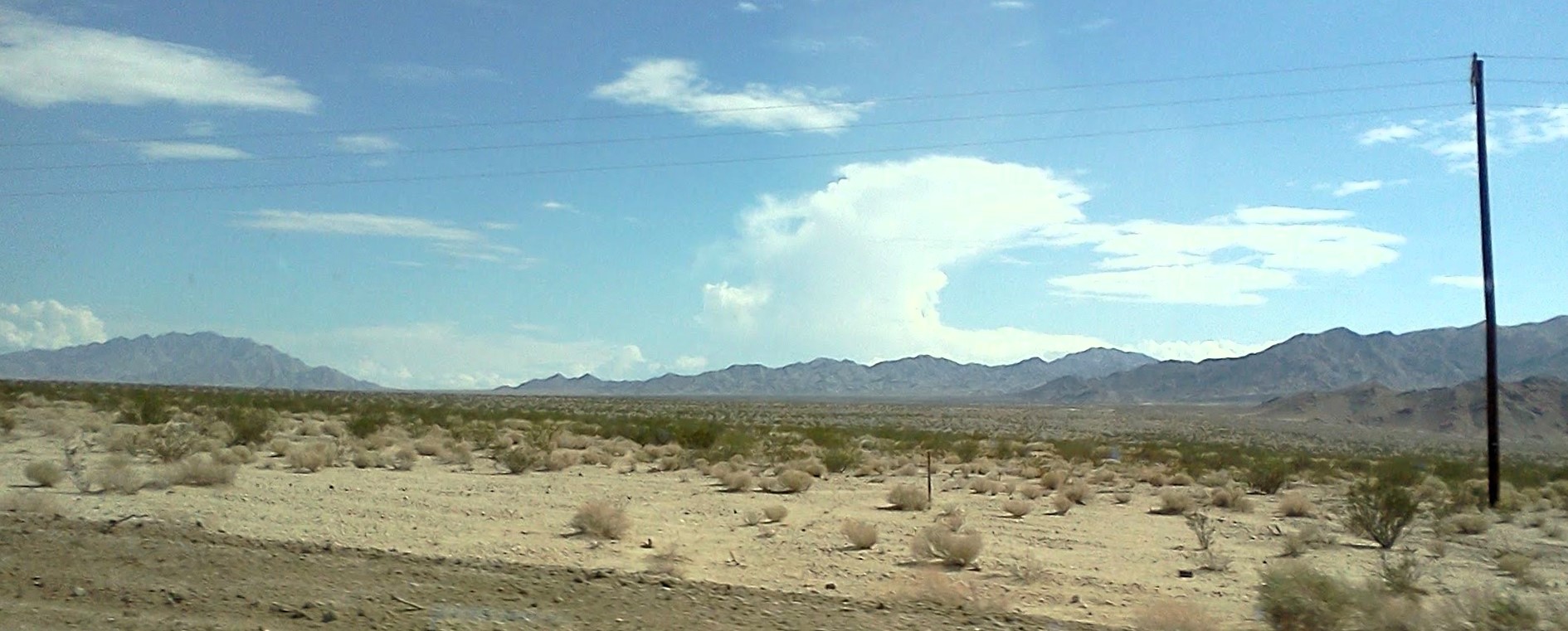
The largely unbuilt California City once intended to rival LA

A planned large city in the California desert never bloomed the way it was hoped:

Photo by Ricky Esquivel on Pexels.com

“For lack of a better description, [developers] really understood and pitched California City as an alternative and potentially competing city with Los Angeles,” Shannon Starkey told SFGATE. Starkey is an associate professor of architecture at University of San Diego and has spent years researching the city.

Piecemeal development was responsible for Los Angeles’ traffic problems, California City’s developers thought. They believed that LA, which appeared to be pressing against its population ceiling, was unprepared for California’s postwar population boom. New communities would need to pick up the slack. California City was designed to fit the bill: a sprawling, self-sufficient city in the desert. In the original plan, Starkey said, the city was projected to hold 400,000 people…

The town was incorporated in 1965 with a population that hovered around 600. According to Gorden, who moved to California City early in the decade, nearly everybody gathered in the newly built elementary school, which hadn’t yet opened, for a big dance. Mendelsohn and California’s lieutenant governor took turns sharing remarks. The mood in the 1960s, Gorden said, was one of “absolute expectations.”…

Grievances over false advertising culminated in a civil penalty issued against Great Western by the Federal Trade Commission. The FTC found Great Western responsible for deceptive sales practices, requiring the company to refund $4 million to over 14,000 of its customers. (Great Western Cities also had developments in Colorado and New Mexico.) At the time, it was the largest refund ever issued by the commission. 

Shortly afterward, the Hunt brothers, who were heirs of an oil tycoon, acquired the company through a hostile takeover. According to Efford-Floyd, the Hunts only bought the company to drain its accounts, which they did as fast and as hard as they could…

Perhaps part of the reason that the city’s population never exploded is that it never developed an economic base of its own. “For many years, this was considered a bedroom community,” Jim Creighton, who serves on California City’s City Council, told SFGATE.

This would not quite be a ghost town as people do live there. However, it is an example of another common feature of the American landscape: a developer once had big plans but they did not pan out. Here, the eventual development did not match the grand vision. Elsewhere, other development might have eventually landed on top of what had once been planned. Either way, the community did not reach the lofty goals once set.

Should there be a name for such places? We would have to account for the scale of the plans. The ambitions here of a big city with hundreds of thousands of residents is different than a big subdivision that never quite got off the ground. We retell the stories of some of the planned communities that did happen, such as Levittown, New York or Columbia, Maryland or River Forest, Illinois. How many other places did not make it in the same way?

Skyscrapers happened because real estate was really expensive

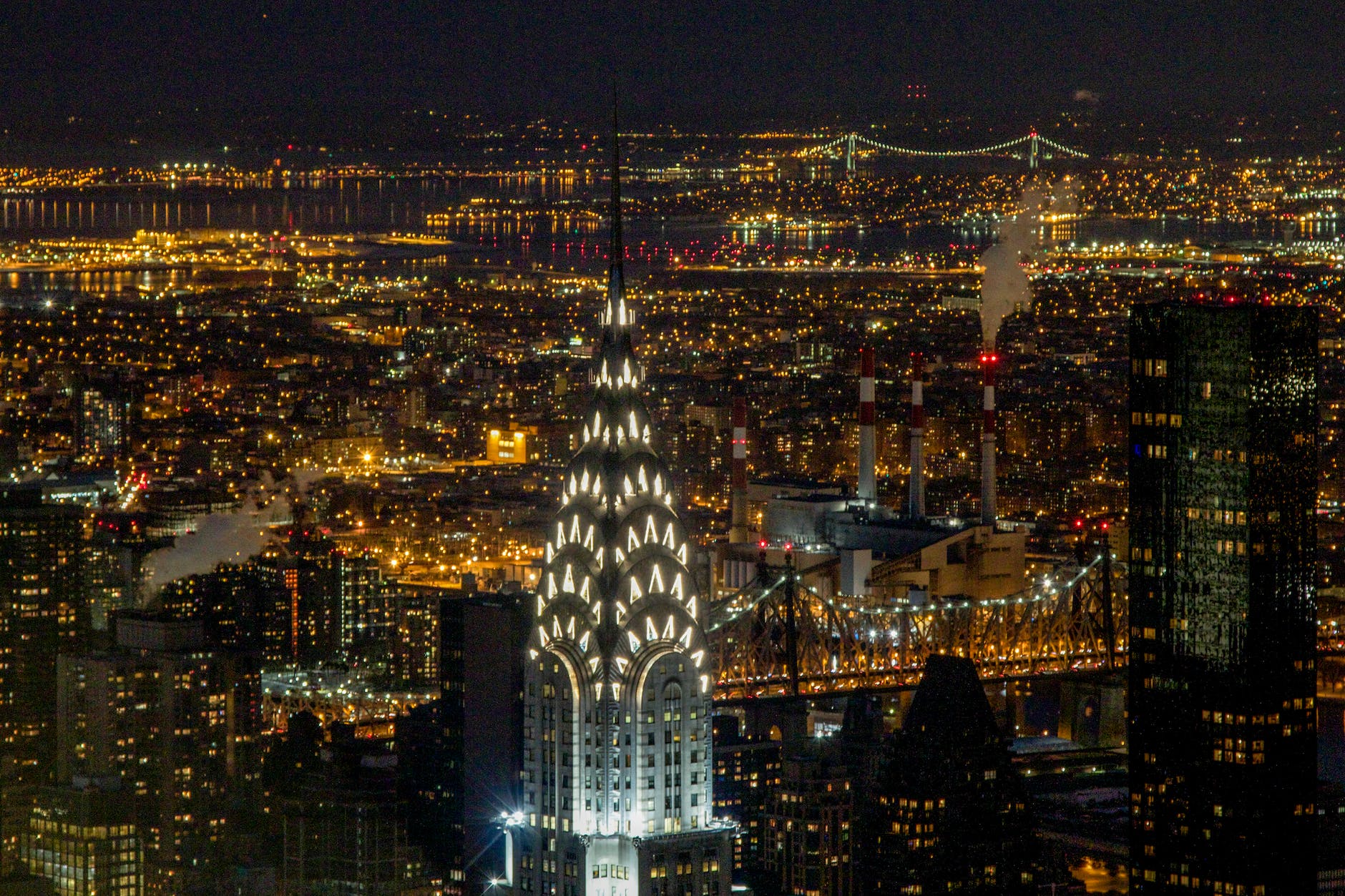
A quick history of the Chrysler Building in New York City provides a reminder of a key reason skyscrapers emerged in American cities:

Photo by Following NYC on Pexels.com

Dominating the New York skyline brought prestige and publicity, but tall towers also resolved a more prosaic problem: As land prices climbed, developers had to build upward to turn a profit, pushing their projects as high as engineering, natural light and, eventually, zoning would allow. “Skyscrapers were a self-fulfilling prophecy of the heated real estate market,” writes Neal Bascomb in his 2003 book Higher: A Historic Race to the Sky and the Making of a City. By the 1920s, with Europe in ashes after World War I, these buildings became brash totems of a new world order. Manhattan in particular had become the “harbor of the world, messenger of the new land … of the gold diggers and of world conquest,” wrote the German architect Erich Mendelsohn in his seminal 1926 book Amerika, published the year after New York overtook London as the world’s most populous city.

In a dense space like Manhattan, demand for land pushed prices up. To make more money from the same plot of land, skyscrapers offered more space. The addition of thousands of square feet of office space, even if it could be hard to fill at times, provided profit.

I would be interested to see analysis shows the profits of a skyscraper over a lifetime compared to other options builders, developers, and companies could have pursued. Instead of building up in major cities, here are other options they could have pursued: building underground; building dense and wide buildings (imagine ones that cover several city blocks at a height of ten stories or so); constructing large buildings in other parts of the city and suburbs; and pursuing multiple business districts rather than centralized locations where everyone wants to gather.

Even if there was profit at stake, there is also the matter of the prestige of skyscrapers. Skyscrapers are important symbols in a city skyline. Were skyscrapers both profitable and status-enhancing or did the increased status mean that the absolute numbers did not matter quite as much?

Instituting racial covenants for whole neighborhoods outside of Kansas City

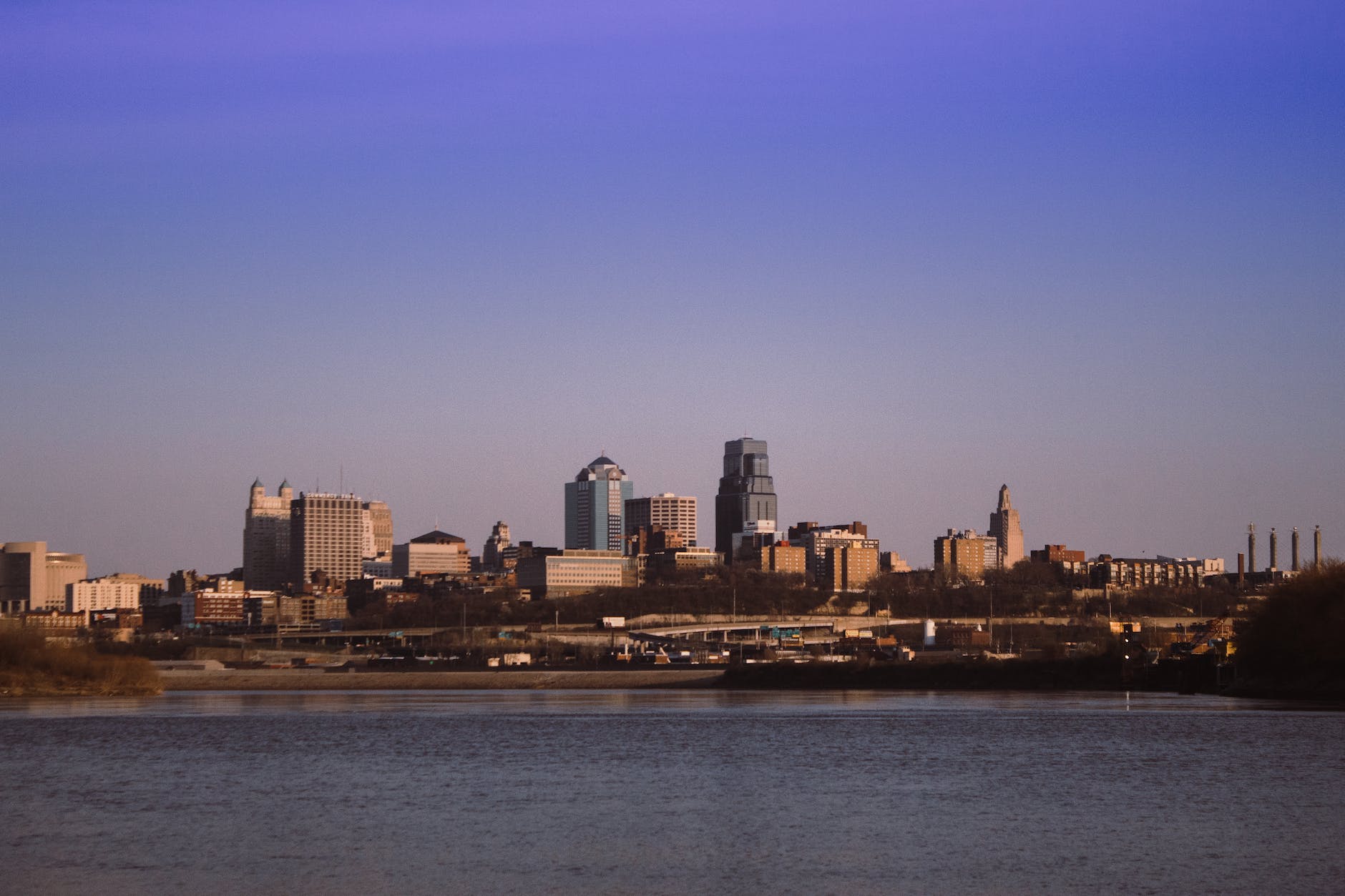
Developer J.C. Nichols helped popularize the implementation of racial covenants for whole suburban subdivisions:

Photo by Giancarlo Rojas on Pexels.com

Also known as covenants, they’d existed for decades, typically as an agreement between a developer and buyer on a single lot, proving unpopular to Americans who didn’t want to be controlled on their own property. But Nichols sensed he could foster long-term stability, which would be profitable for him and for homeowners. He initiated restrictions on entire neighborhoods, placing them on the land before any lots were sold—a private zoning system before municipal zoning was widespread. He’s credited as the first developer to emphasize the covenants for middle-class areas and to make them self-renew after periods of 25 to 40 years unless a majority of residents objected, ensuring they’d essentially last forever. For enforcement, he set up homeowners associations.

Nichols’ restrictions started with a few sentences on neighborhood plat documents and eventually ran for a few pages. They set minimum prices for home construction, mandated single-family housing and banned apartments, required a specified amount of space on the fronts and sides of homes, and regulated routine housing elements like chimneys, trellises, windows, vestibules, and porches.

There were also racial restrictions that barred Black residents from owning or renting homes. An early billboard for Nichols’ Country Club District development described the area as “1,000 Acres Restricted.” Newspaper ads claimed that Nichols’ neighborhoods blocked “all undesirable encroachments” and promised that “complete uniformity is here assured.”…

Nobody had seen a swath of suburbia as vast his neighborhoods, which comprised the Country Club District: By the 1940s there were more than a dozen contiguous upper-class and middle-class subdivisions filled with bubbling fountains, tree-lined vistas, and cul-de-sacs, providing homes for as many as 50,000 people across two states. Many subdivisions were buffered by parks and golf courses, and they were all tied together with restrictive covenants. It was the “American’s domestic ideal,” opined a visitor from the New Republic.

Nichols wasn’t the only builder applying covenants. Their use accelerated after 1910, imposing segregation and strict land-development rules across the country. But he was their most prominent proselytizer, promoting their spread through speeches and articles and in leadership roles with national real estate organizations. Nichols’ covenants in Sunset Hill and Mission Hills, two of his poshest neighborhoods, were said by his company to have been copied in more than 50 cities.

Developers, officials, residents, and others developed and put into practice a number of measures to keep people out of white suburban subdivisions. Today, these measures tend to be more economic and zoning-based with fewer explicit references to race and ethnicity. But, as noted above, the outcomes are clear: the suburbs were segregated by race and ethnicity.

Trying to clear paths for the redevelopment of vacant urban lots

Several big cities are working to make it easier to improve vacant lots:

Photo by RIDVAN AYRIK on Pexels.com

Detroit officials want to triple property-tax rates on vacant land and reduce rates by an average of 30% for homeowners. The idea is to spur development on 30,000 neglected vacant lots held by owners who pay almost no taxes. It is a tall order. The city’s population has fallen by two-thirds since its 1950s heyday, and the Detroit land bank holds another 63,000 vacant lots. 

In Pittsburgh, the city council this month passed a measure to more easily transfer the 13,000 or so city-owned lots and vacant properties to a municipal land bank and into the hands of developers or nonprofits. The city’s population is down by more than half since its peak in the 1950s.

Chicago, whose population has fallen by about a quarter since the 1950s, has more than 10,000 city-owned vacant lots. Another 16,634 are caught in a limbo of back taxes and unpaid fees. Every other year, the county tries to unload such properties in a tax-lien auction known as the Scavenger Sale. Only about 8% of the properties in the auctions from 2007 to 2019 went to buyers who managed to obtain a clear title, the Cook County Treasurer’s office found…

A measure signed into law last week by Illinois Gov. J.B. Pritzker aims to resuscitate such properties. It cuts interest rates on overdue property taxes to 9% from 18%. It also allows Cook County to automatically acquire tax liens on delinquent properties before they reach the Scavenger Sale, reducing the time it takes to clear titles and transfer them to developers or nonprofits.

Even with reduced obstacles, it will take time for the number of vacant properties to be significantly reduced.

Once the property can be purchased and redeveloped, new questions emerge. What will be built there? What do owners, developers, and builders see as the price points that make it worth their time? How do new buildings and/or land uses fit with the existing neighborhood?

In other words, this is a multi-decade story worth paying attention. How did these properties become vacant and where did the residents go? Where do things stand now? What will they look like in the future? Specific decisions now could help alter the story to come.