
Americans like to drive. And American drivers contribute to a lot of accidents and deaths:
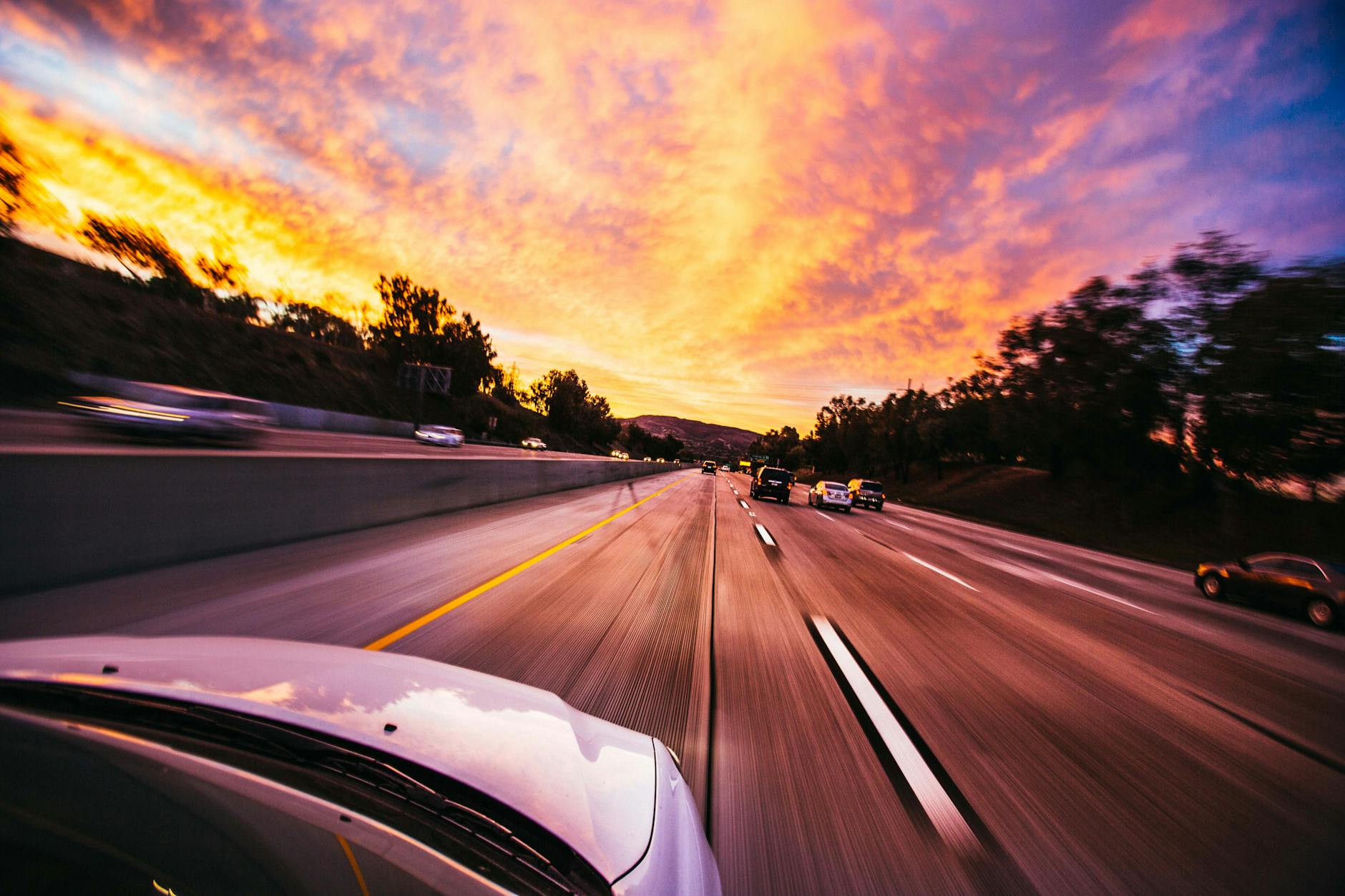
Above all, though, the problem seems to be us — the American public, the American driver. “It’s not an exaggeration to say behavior on the road today is the worst I’ve ever seen,” Capt. Michael Brown, a state police district commander in Michigan, told me. “It’s not just the volume. It’s the variety. There’s impaired driving, which constituted 40 percent of our fatalities last year. There are people going twice the legal limit on surface streets. There’s road rage,” Brown went on. “There’s impatience — right before we started talking, I got an email from a woman who was driving along in traffic and saw some guy fly by her off the roadway, on the shoulder, at 80, 90 miles an hour.” Brown stressed it was rare to receive such a message: “It’s got so bad, so extremely typical,” he said, “that people aren’t going to alert us unless it’s super egregious.”
In 2020 and 2021, the National Highway Traffic Safety Administration has calculated, approximately a quarter of all fatal wrecks in the United States involved vehicles traveling above the posted speed limit; a significant percentage of the dead, whether passenger or driver, were not wearing seatbelts. In line with the trends documented by Kuhls in Nevada — and observed firsthand by Brown in Michigan — national intoxicated-driving rates have surged to the extent that one in every 10 arrests is now linked to a suspected D.U.I. And aggressive driving, defined by AAA as “tailgating, erratic lane changing or illegal passing,” factors into 56 percent of crashes resulting in a fatality. (Distressingly, this statistic does not cover the tens of thousands of people injured, often critically, by aggressive drivers, or the 550 people shot annually after or during road-rage incidents — or the growing number of pedestrians and cyclists deliberately targeted by incensed motorists.)
Take the bad behavior and add the perils of distraction by smartphone — responsible, by one conservative estimate, for about 3,500 deaths annually — and you’re left with what Emily Schweninger, a senior policy adviser at the U.S. Department of Transportation, described to me as a “genuine public-health crisis” on the level of cancer, suicide and heart disease.
Much could change in the coming years to address this issue. Safety features in vehicles. Changed designs of roadways and spaces for pedestrians and bicyclists. Other efforts need more time and capabilities: self-driving vehicles, a changed culture around roads, driving, and community life.
But, part of the issue is whether these accidents and deaths are a problem or not. Americans like to complain about other drivers and tend to see their own driving as okay. Driving is required in many places. Some drivers might even enjoy driving. The delivery of many of our goods requires driving. Are deaths via vehicle just the price Americans are willing to pay for driving?
Addressing this issue is a long-term project. All of daily life contains some risks but Americans tend to not think much about the risks of driving even as it impacts many lives on a daily basis. Does this mean a national safety campaign is needed? A serious conversation about how necessary driving should be? A need to invest in new technologies and options? On one hand, plenty of people would have experience with this issue. On the other hand, it will take a lot of work to convince people to support significant changes to American driving and all that goes with it.
 Legally Sociable