Describing in 1857 a small Chicago area community that would later become a larger suburb

In 1857, C. W. Richmond and H. F. Vallette described the small Illinois community of Cottage Hill:
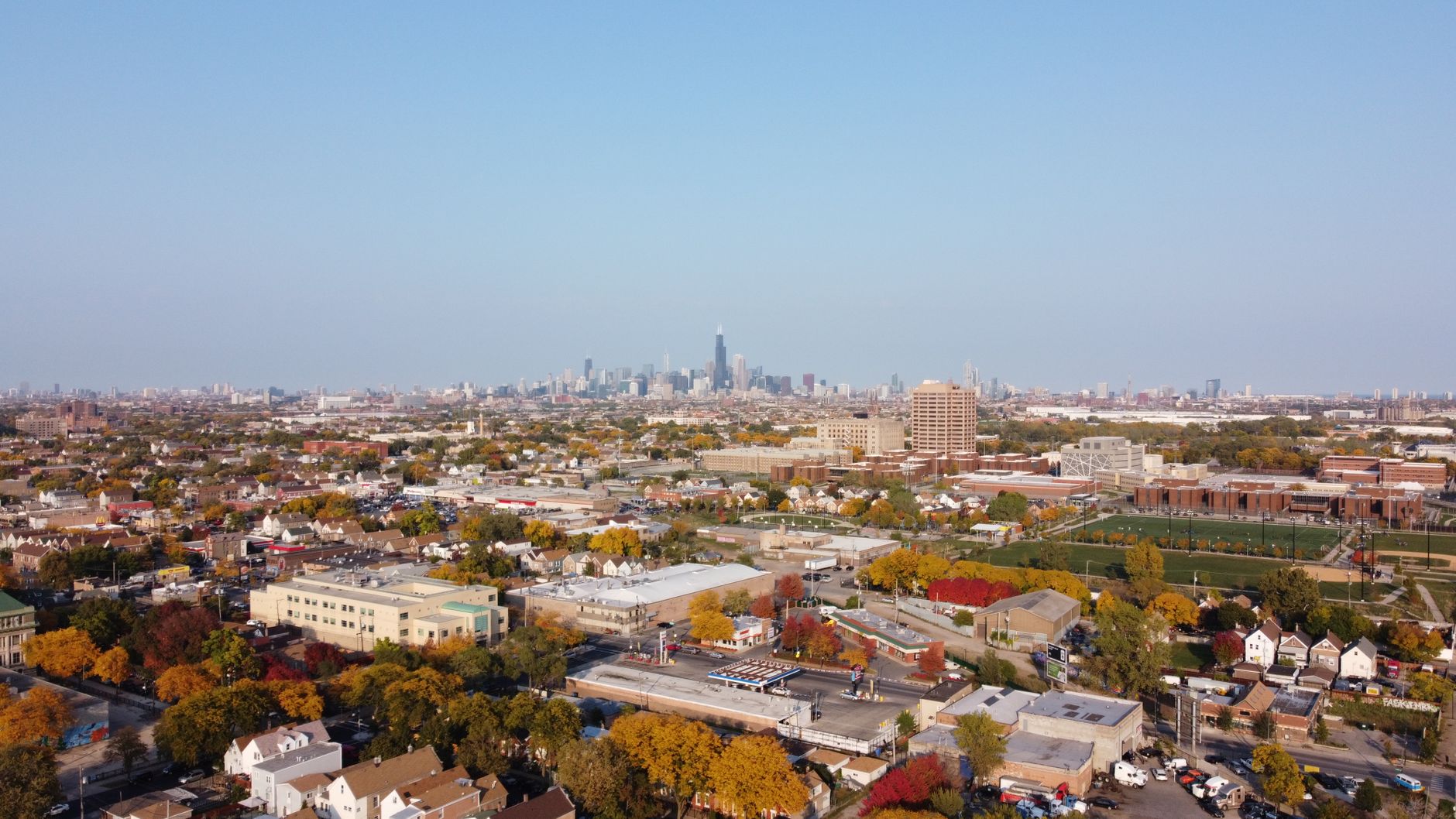
Photo by Bernardino Munoz on Pexels.com

The village of Cottage Hill is pleasantly situated on the line of the Galena and Chicago Union Railroad, sixteen miles west from Chicago. The first settler here was J. L. Hovey, who came from Painesville, Ohio. He built a small house in 1843, which he kept as a hotel, it being favorably known by the farmers of the Fox and Rock river counties, who then teamed their own produce to Chicago, as the ‘Hill Cottage.’ The ‘Hill’ proper lies half a mile from the railroad, and commands as fine a prospect of prairie, cultivated farms, groves, cottages, and railroad trains, as one could desire to behold. This place being but 15 1-2 miles from the centre of business in Chicago; having good water, pure air, and railroad trains hourly passing – all of which stop here – must soon become known to those who would find for themselves and families, at a convenient distance from the city, a retreat from the noise and dust of its hot and crowded streets. (194)

This sounds like a suburb. A beautiful natural setting. Railroad access to Chicago. A small community. Away from the hustle and bustle of the big city.

However, at the time of the description, Cottage Hill (later Elmhurst) had very few people. The 1870 Census counted 329 residents. The train line offers access to Chicago but it is less than a decade old at this point. Commuting to Chicago is limited.

Elmhurst today is quite different. It has over 46,000 residents and the median household income is over $149,000. There is little open land on which to build. There is still greenery – laws, trees, parks – and road and train access to Chicago.

What this suggests to me is that long before the mass suburbanization of the twentieth century (Elmhurst had the highest percentage population increase in the 1920s), Americans had a suburban ideal. Even in the 1850s these two writers had a sense of the contrast between Cottage Hill and Chicago. They may not have envisioned the suburbs looking like they do today but some of the key elements are there long before suburban populations swelled.

Up and coming Chicago area rock band recycles suburban critiques?

I read an interesting profile of The Orwells, a band from Elmhurst, Illinois that has been getting some radio play and whose major label debut comes out this summer. It sounds like a common story: four suburban kids put a band together during high school, find they have some talent which is affirmed by others, and are forgoing college to make a go at it in the music industry. Yet, I found this bit about their new album interesting:

They’ve got their major-label debut, “Disgraceland,” coming out in June; its cover, shot by Eddie O’Keefe, depicts a cookie-cutter post-war Elmhurst house.

From theorwells.com, here is the cover of the album:

A fairly typical home from the Chicago suburbs: split-level, a yard, detached garage in the back. Why the focus on critiquing the suburbs with the image and the title of the album? I listened to some of the band’s songs on SoundCloud and found the group doesn’t say much specific about the suburbs. (As for their sound, it is a mix of classic and modern rock.) Indeed, the theme of a number of the songs seems to be normal stuff for rock ‘n’ roll: how to get the girl. There is a song called “Mallrats” (with a music video filmed at Yorktown Mall) but its verses talk about a girl and the chorus has numerous repetitions of “la la la.” Of course, the new album may have more material about the suburbs.

Maybe this kind of explicit sexual desire is taboo in the suburbs. Maybe the suburbs are simply boring. But, I wonder if this the new album cover and title simply mimic decades-old critiques of the suburbs as too confining for rock music. Does the album contribute anything new or unique about suburban life? The profile of the band suggests the members had a pretty good family life with plenty of ongoing family support plus good educations. Were the suburbs really that bad or is this a simple way to show the band is turning away from the stereotypical clean, comformist, and dull suburbs? If so, they are in a long line of writers, artists, filmmakers, and musicians.