
Younger American adults may now be less interested in owning a big house:
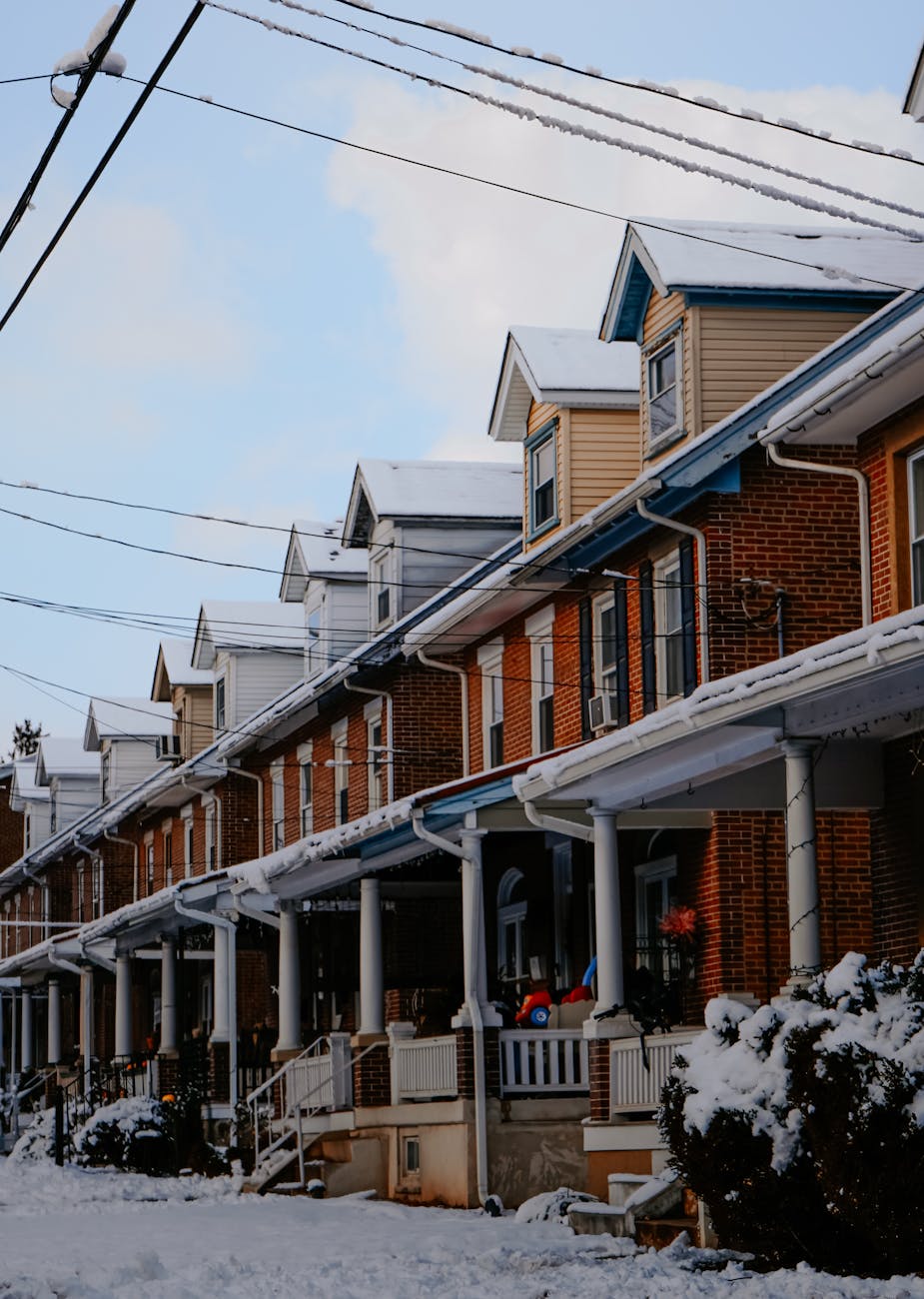
This is very Millennial of me. My generation of Americans is the first in decades to collectively abandon the dream of a big house. In part, that’s likely a concession to reality: Real estate is so expensive that homeownership is, for many, a fantasy. But it also reflects changing ideas about what makes a good house and a good life, for both renters and owners. According to the National Association of Realtors’ most recent survey of American housing preferences, the majority of Millennials and Gen Zers would rather live in smaller homes in more walkable communities than larger ones in less dense areas. As a country, though, we aren’t building accordingly.
Smaller than what? This particular mentions “mansions” and “architectural marvels” in the opening and praises row houses in the latter part of the article. How small of a row house – 1,000 square feet, 1,500 square feet, etc.?
The median new home constructed in 2024 was 2,146 square feet. The United States has a lot of big houses. There is a reason it is known for McMansions. But that also means that there are plenty of units constructed that are under McMansion size.
Is it more about closer housing? This article hints at big houses amid sprawl whereas row houses offer density, walkability, and neighborhood opportunities. Or could it also be about household structures; younger generations planning to have fewer children need less space?
And are these smaller houses necessarily cheaper? Living in desirable areas – walkable, lots of cultural opportunities nearby – is not necessarily cheap, even with significantly smaller units.
We will see what happens as older generations eventually give up both McMansion era homes and other housing options plus new construction proceeds.

