
I was recently looking at aerial photographs of our suburban area from nearly 100 years ago. The outline of suburban communities were there – small sets of houses clustered around railroad lines – but much of the land use involved farming plots. Today, hardly any of that farm land can be seen, let alone evidence of farming life. How can suburban communities remind people of that past?
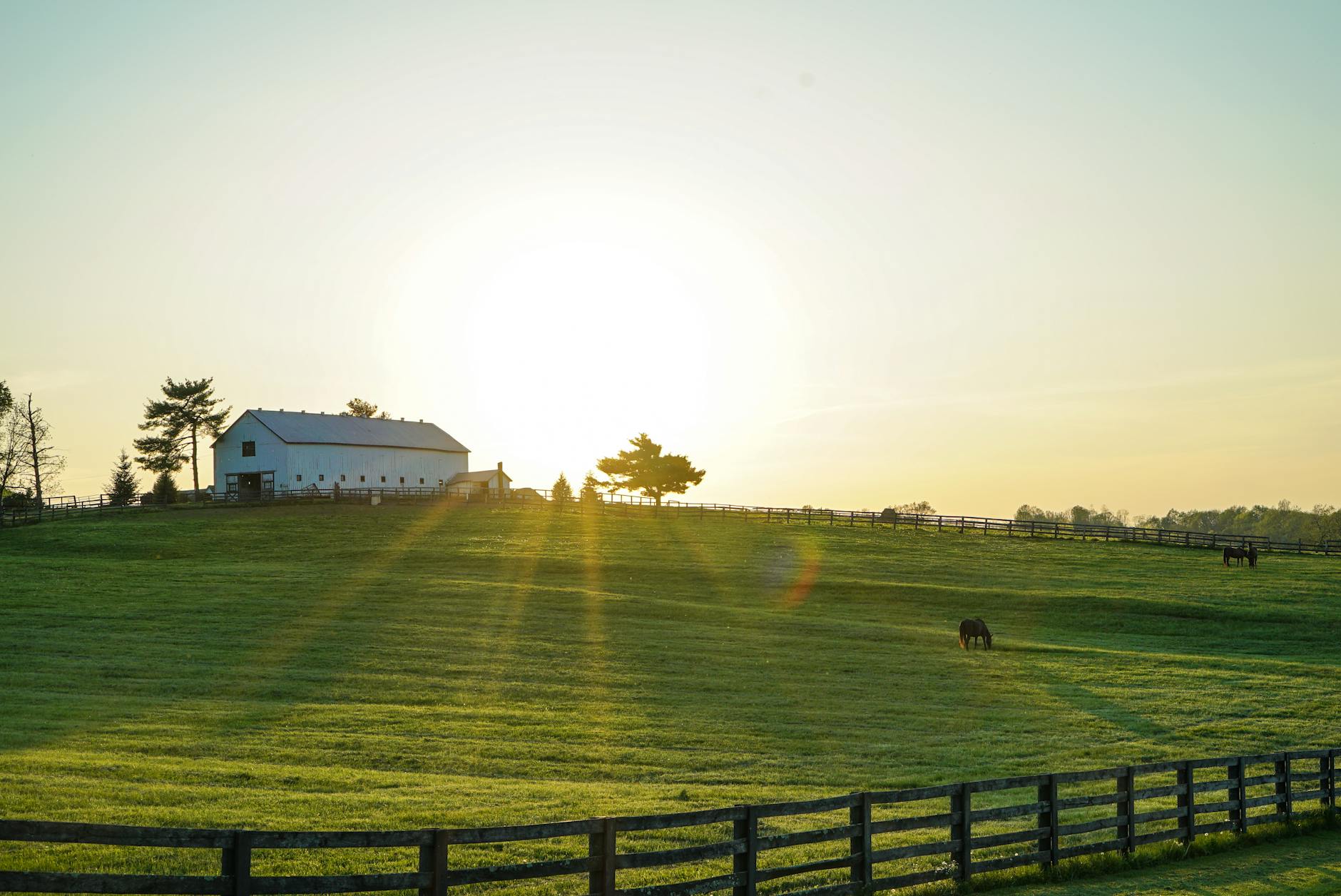
An editorial in the Daily Herald suggests preserving an old farmhouse and providing exhibits and demonstrations can help suburbanites today:
The Forest Preserve District of DuPage County is seeking formal statements of interest from individuals or organizations with a vision for rehabilitating and reusing the 1850s farmhouse at the southeast corner of Greene and Hobson roads…
Our hope is that it could pave the way for Oak Cottage — and a neighboring barn — to someday become an educational resource similar to Kline Creek Farm, a forest preserve district-owned living history museum in West Chicago that depicts what local farm life was like in the 1890s…
Restoring the farmhouse — along with opening the Greene Barn to the public — could help educate future generations about DuPage County’s farming past. We applaud forest preserve officials for at least being open to one of those ideas and wanting to partner with a group to breathe new life into Oak Cottage.
Such efforts can have multiple benefits:
- It helps people know their local history. If suburbs are sometimes characterized as “no places” as people move in and out or the landscape looks similar to any other suburbs in the US, such sites can remind people of a particular local history.
- It could remind people of a particular connection to land and nature beyond that of suburban lawns. Farming can involve intense agricultural and livestock activity but this is a different interaction with soil and creatures than what suburbanites typically experience.
- Land and places go through change. Prior to farming, Indigenous groups lived in the area. White settlers starting in the 1830s cleared much of the land for their preferred methods of subsistence. Sprawling suburbia picked up in the postwar era, leveling the landscape for single-family homes and roadways. The future use of land does not necessarily have to look like it does now.


 Legally Sociable