
A long-term trend continues as the number of farms in the United States drops again:
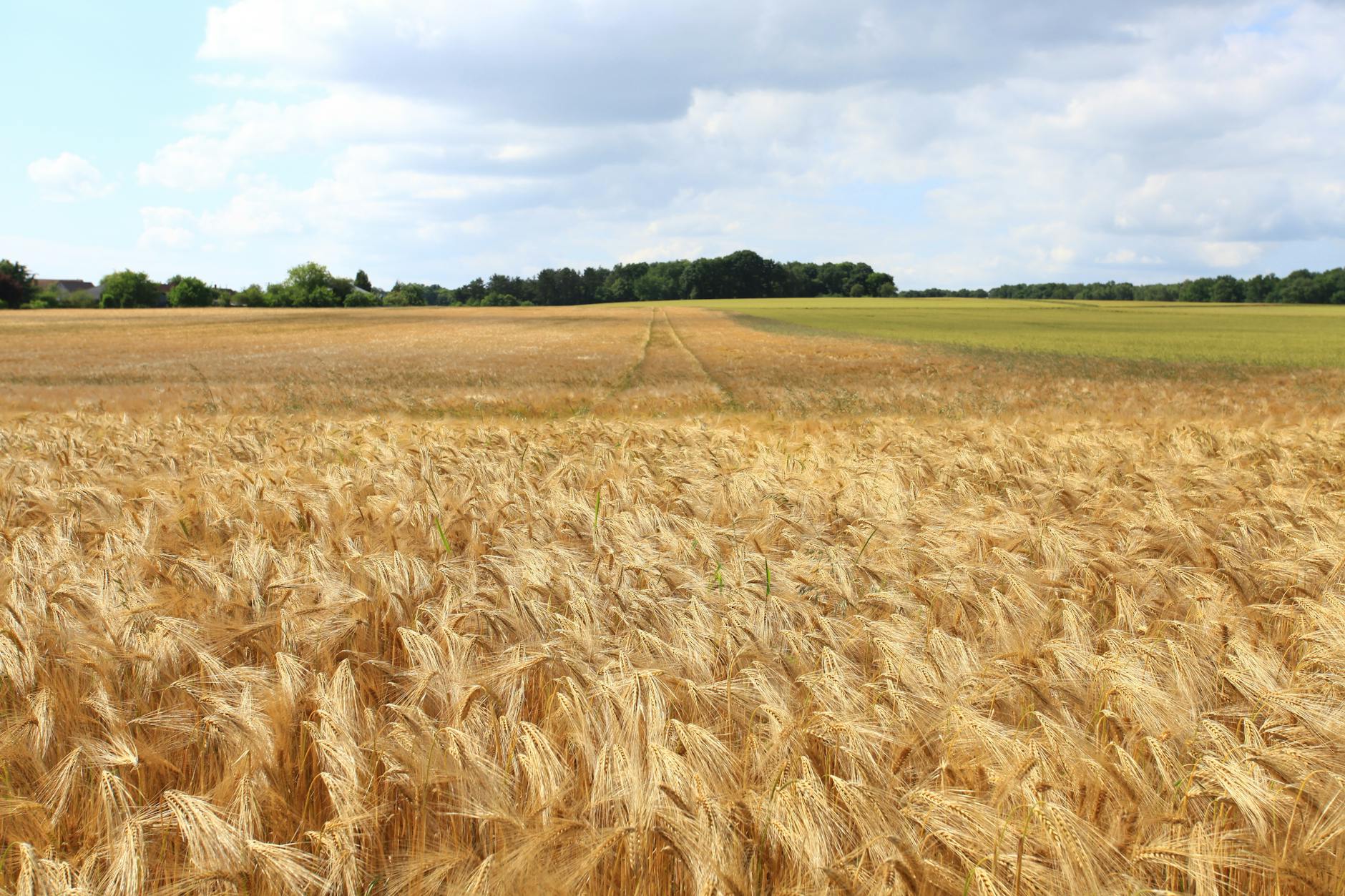
Between 2017 and 2022, the number of farms in the U.S. declined by 141,733 or 7%, according to USDA’s 2022 Census of Agriculture, released on Feb. 13. Acres operated by farm operations during the same timeframe declined by 20.1 million (2.2%), a loss equivalent to an area about the size of Maine. Only 1.88% of acres operated and 1% of farm operations were classified under a non-family corporate farm structure…
In addition to Ag Census data, USDA releases survey-based estimates on farm numbers once every year. Using this annual survey data dating back to 1950, the trend of fewer operations farming fewer acres becomes even more obvious. Since 1950, the number of farm operations has declined by 3.75 million (66%) and the number of acres farmed declined by 323 million (27%) – slightly less than twice the size of Texas. Technological advancements that have increased productivity, such as feed conversion ratios in livestock and yield per acre in crops, have allowed farmers and ranchers to produce more with less even as the U.S. population more than doubled, going from 159 million in 1950 to 340 million in 2023, and the global population more than tripled (2.5 billion to 8 billion) during the same period.
Add to this the drop in the number of people involved in farming or agricultural work over the last century. This all adds up to more and more people living in urban areas, particularly in suburbs where over half of the American population lives.
Even with all of this, the United States produces more food in the long run. Efficiency and innovation mean more can come from the same amount of land. This frees up people and resources for other activities.
The numbers cited above also mean there are still a lot of farms in the United States. The country may no longer be anchored in small towns and family farms – if is ever was – but many continue on with food produced for the country and world.

 Legally Sociable