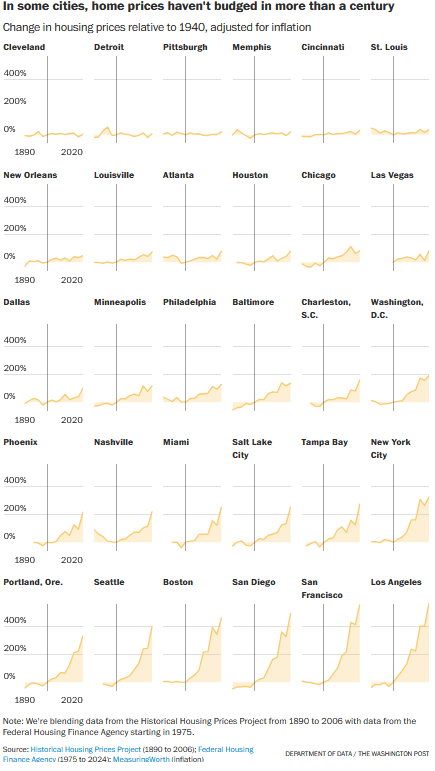
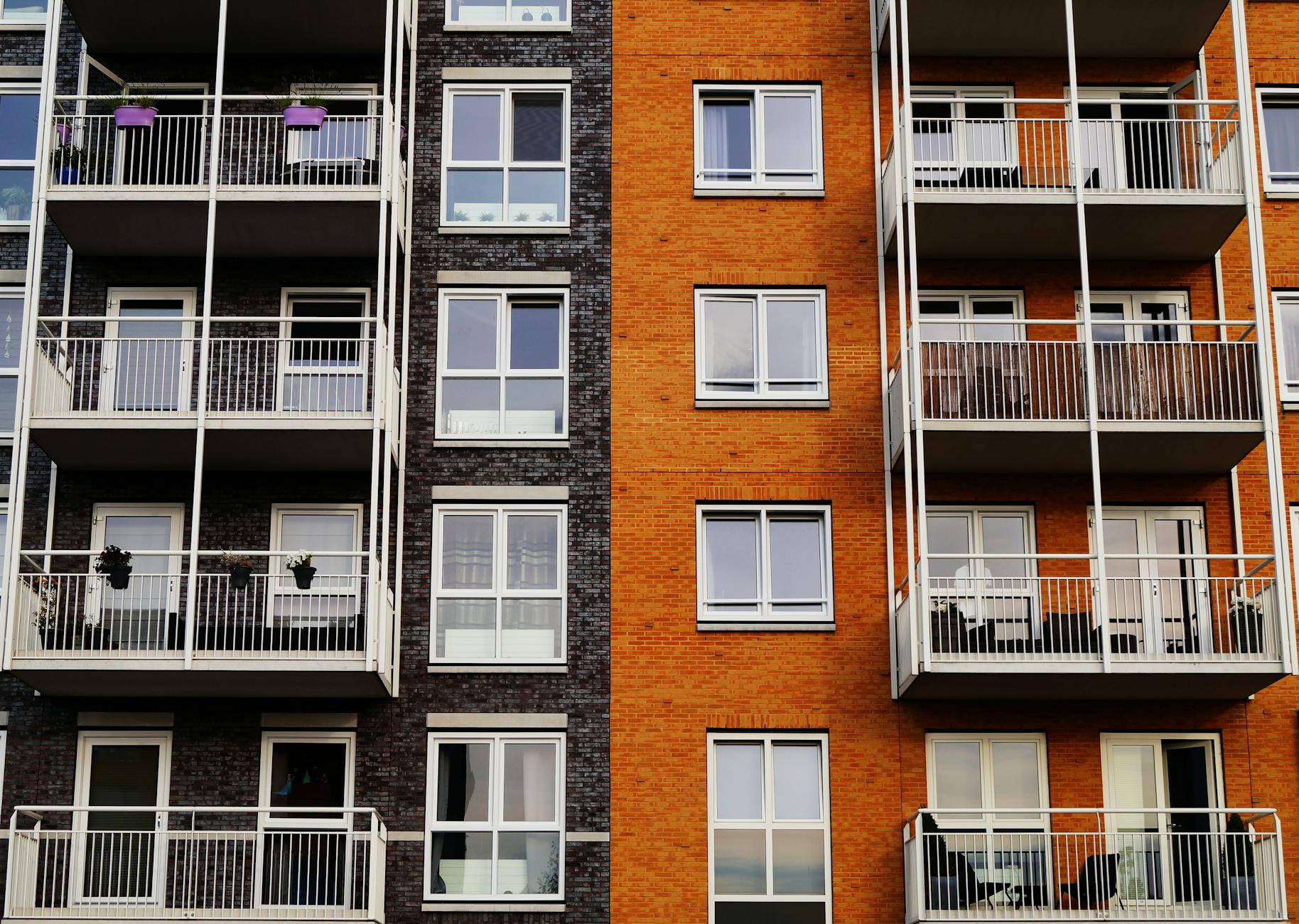
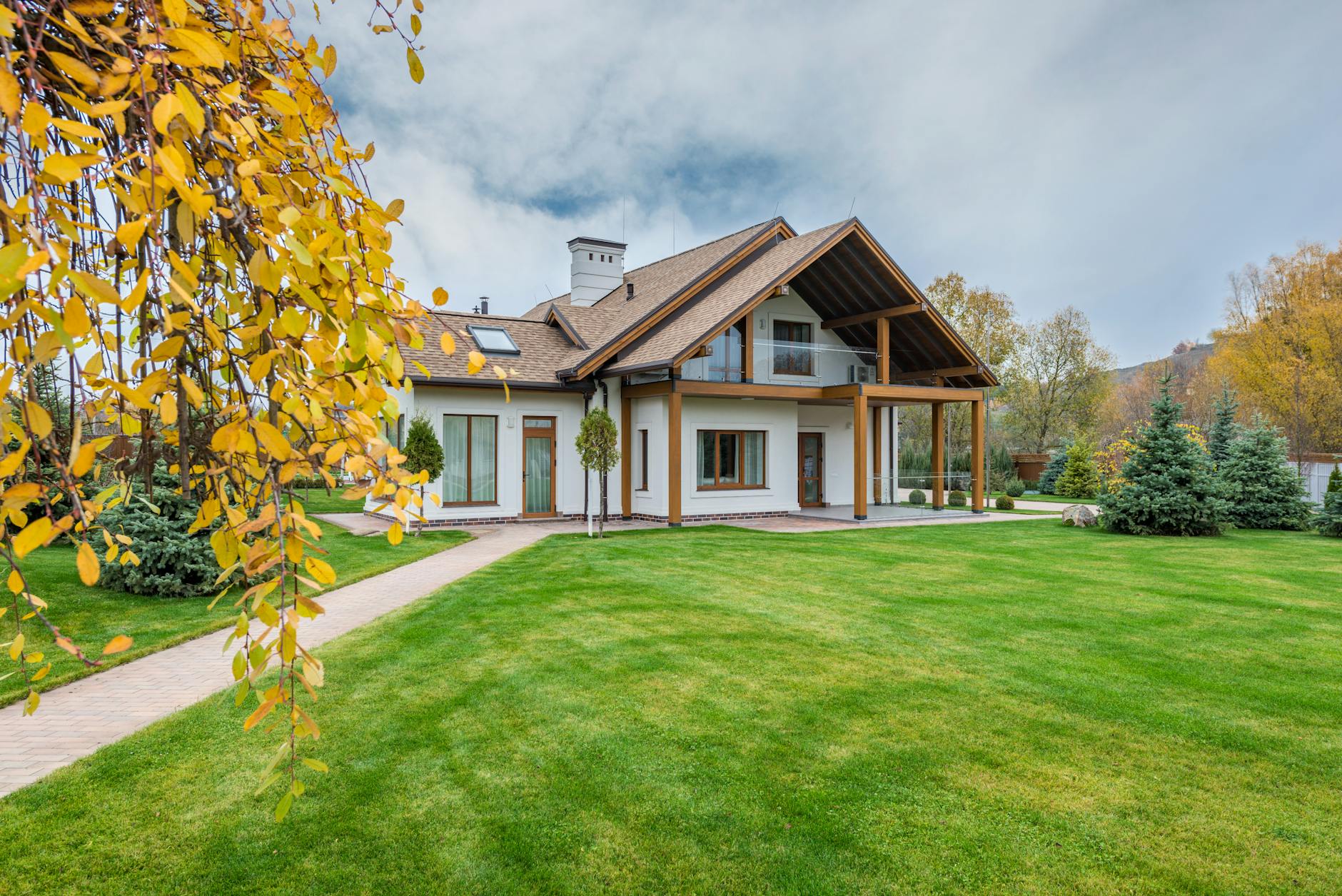
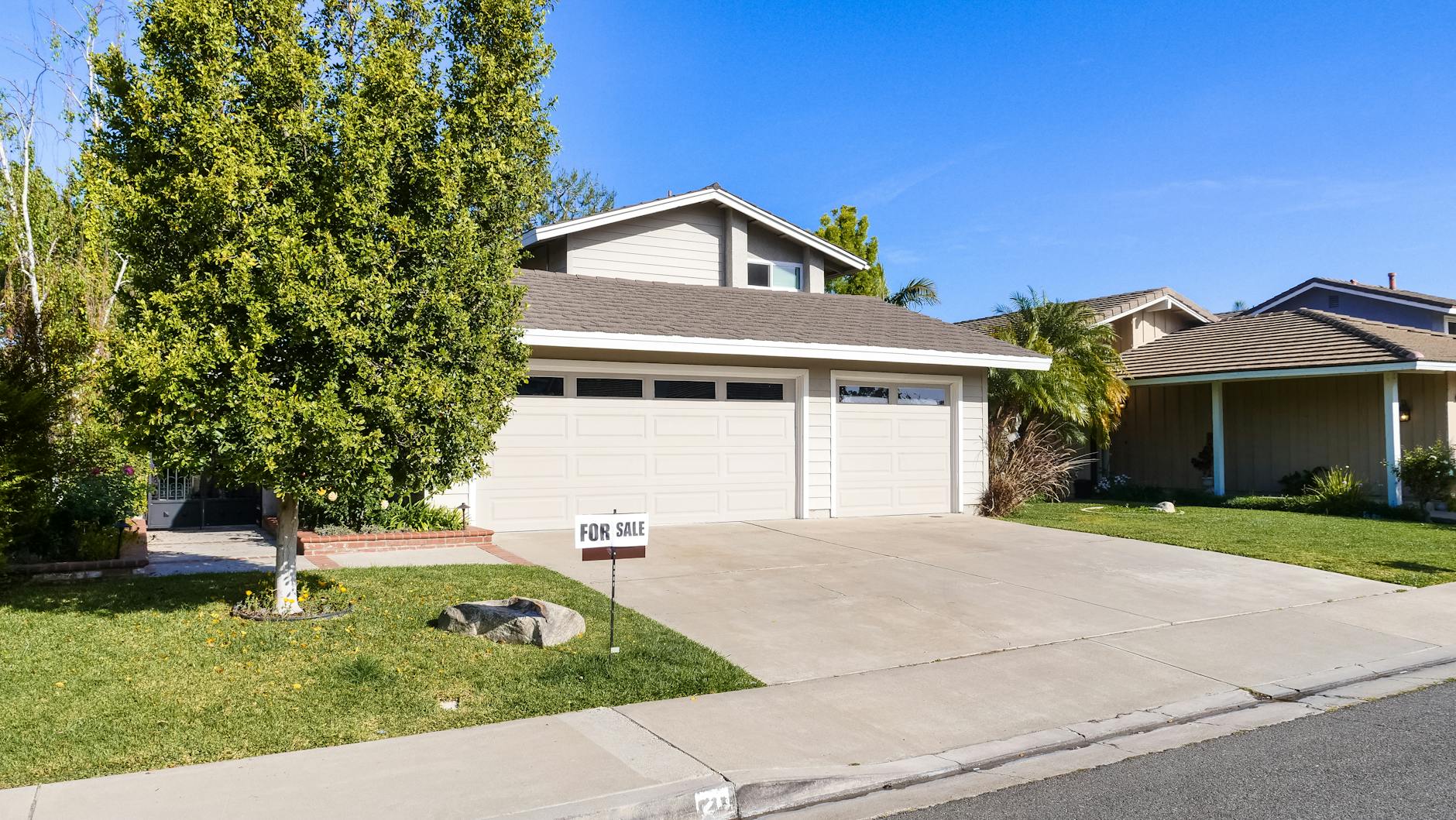
When we stopped to think about that, we couldn’t get it out of our heads. So many of us have internalized the lesson that homes are speculative, flippable investment vehicles, yet in much of the country — Cleveland, Memphis, Detroit, we could keep going — housing has been a truly quotidian commodity. There, home prices simply keep pace with inflation over the long run, no different from spaghetti or sprockets…
Consider that Dallas, Houston, Seattle and Portland, Oregon, all had what the researchers would classify as high demand for housing. But prices in Dallas and Houston have only roughly doubled in price since 1890, compared with a more than sixfold jump in Portland, or almost fivefold in Seattle…
“If prices go up,” Lyons asked us rhetorically, “does supply come on stream to follow? Do people look to build homes?”
Since 1970, the metros where housing stock grew the least relative to population growth — think Los Angeles, San Francisco, San Diego or Seattle — saw the some of the fastest home price growth. While metros that built enough housing — such as Atlanta, Phoenix and Charleston, South Carolina, saw home prices rise much less rapidly, even as their populations soared.
For the cities with big increases over time, how do local leaders and residents see the jump in property values? It clearly leads to issues with affordable housing: rising housing values prices some people out of the market, particularly compared to what that market was and what residents had previously experienced. But rising housing costs can be viewed positively: people can sell their properties for more money and rising values can be associated with success.
This might be another reason why it is difficult to address housing issues at a national level. Housing is a very local issue and the cities in the top row of the graphic above have very different conditions compared to the cities in the bottom row.
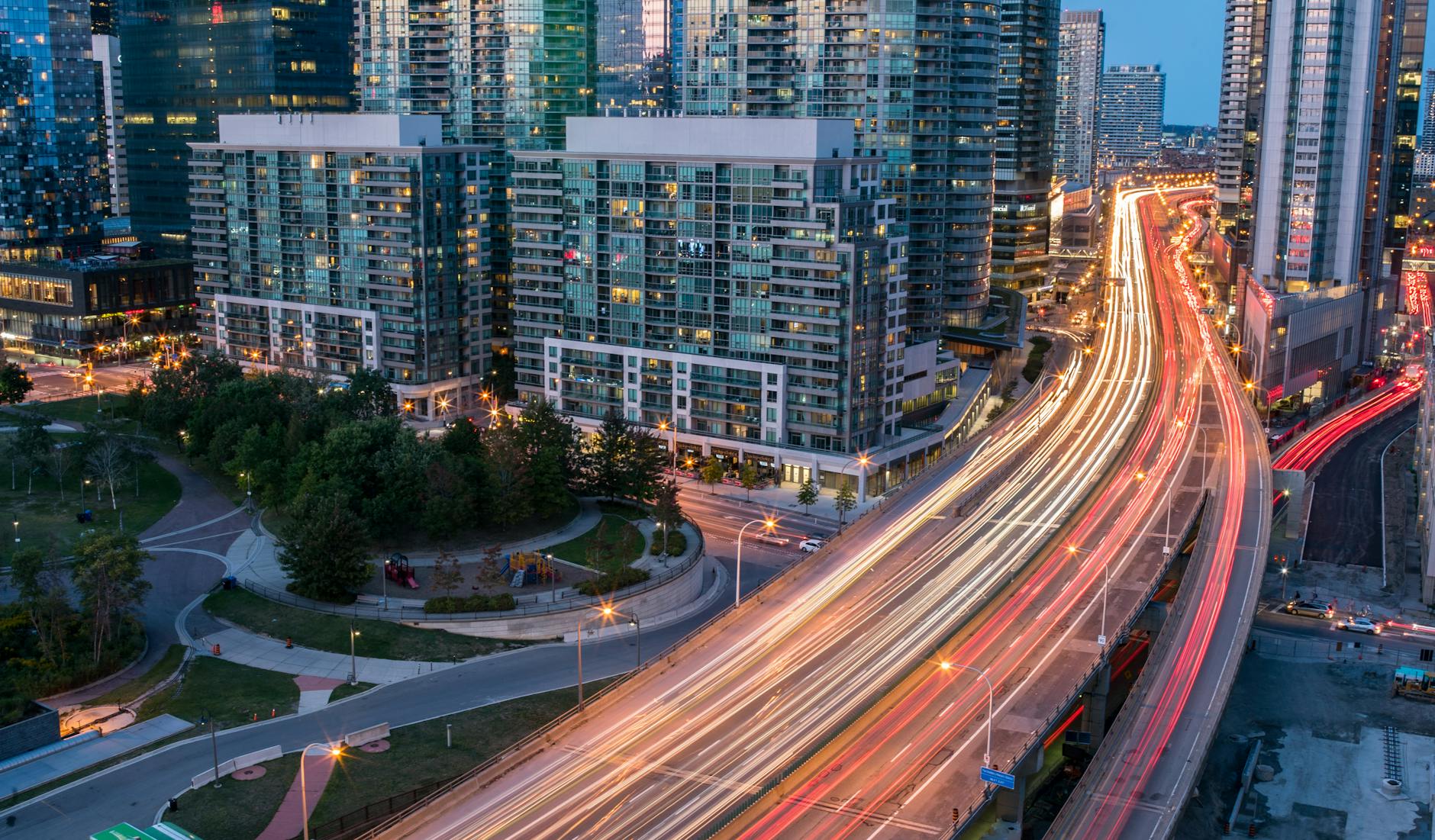
It didn’t take long to figure out why there were so many empty units on the market: it turns out nobody wants to rent a condo, and nobody wants to buy one either. Condo rents have dropped over the past two years, and according to a recent report from the Canada Mortgage and Housing Corporation, or CMHC, condo sales have fallen by 75 percent in the Greater Toronto Area and 37 percent in the Vancouver area since 2022. The market has become so dire that buyers of pre-construction condos are having difficulty closing their purchases. Banks lend money depending on the present value of the property, and some condos are worth less now than they were when the buyers made their first deposit. As a result, developers have been cancelling construction projects. Some experts say we should have seen this coming…
The simple answer is that many condos built between the late 2010s and early 2020s were constructed not for living but for investment. Since 2000, there has been a steady increase in the proportion of condos used as investment properties. To my surprise, most of the investors were not faceless corporations or foreign investors. Research done by Statistics Canada shows that the typical condo owner is a middle-aged, middle-class Canadian couple. The reigning logic for the middle class was that buying a condo, renting it out to pay for the mortgage, and eventually selling the unit was a solid way to make money. This was especially true in the late 2010s, a period of low interest rates and weak rent control policies. Steady demand for housing, partially caused by increasing immigration, made real estate seem like a sure bet.
Developers knew that most pre-construction buyers were investors rather than people looking to live in the apartments themselves. As a result, they focused on quantity over quality. Vishakh Alex, an architectural designer working in Toronto, said that the directive from developers in the late 2010s was to squeeze in as many units as possible. It is telling that between 1971 and 1990, the median condo in the city was approximately 1,000 square feet, but between 2016 and 2020, the number dropped to roughly 650 square feet…
Yet, as city populations continue to grow, there’s nowhere to build but up. It hardly bears repeating that there is a housing crisis in Canada. Young middle-class people looking to buy their first homes can rarely afford the kinds of houses that they might have grown up in—a cute triplex on a tree-lined street in Trinity-Bellwoods, Toronto, for example, or a townhouse in Kitsilano, Vancouver, with a view of the ocean. And so it is to the condos we must go.
But it is also true that condo living does not have to be, and perhaps should not be, defined by the biggest developers looking to squeeze every drop of profit from mom-and-pop investors and homebuyers.
One difference here is that more of these condos might have been second homes. In Privileging Place: How Second Homeowners Transform Communities and Themselves, sociologist Meaghan Stiman explains how only a second home influenced how property owners viewed places and themselves with consequences for communities where these second owners were sometimes present.
If people in cities in Canada and the United States have concerns about investors buying too many properties, whether investors from other countries or institutional investors, what do they make of middle- to upper-class residents buying condos for investments? As the author notes above, these cities clearly need housing. American cities and metropolitan regions need housing. Should certain kinds of investors have limits or should developers be limited in how many investment properties they can construct?
One upside could be that the glut of investment condos does provide some attainable housing. The prices might not fall too far given their initial cost but what if investment condos and homes start becoming options for residents for whom they were not originally intended?
Sellers are slashing prices at record rates to to lure hesitant buyers put off by soaring mortgage rates and economic uncertainty.
In July alone, 27.4 percent of listings had a price cut — the highest rate ever recorded in Zillow’s monthly data going back to 2018.
It helped push prices down year-over-year in 25 of the 50 largest US cities. Most were in the South and West…
Tampa prices are down 6.2 percent, Austin 6 percent, Miami 4.6 percent, Orlando 4.3 percent and Dallas 3.9 percent, according to Zillow…
Price cuts are more common in the South and the Mountain region, according to Zillow, as homeowners desperately try to offload properties.
Summary of this data: these are “record” cuts, supported by the number of listings with a price cut (27.4%), the number of metro areas with price cuts (half of the largest cities), and four specific cities have had prices drop between 3.9% and 6.2%.
This may be unusual behavior compared to prior years. It might not be what property owners want to see. Is it a “housing panic”?
Here are several indicators I could imagine of a larger panic regarding housing values:
Prices dropping across all or most metro areas. (We read later in the article that values are up in some metros, mostly in the Northeast and Midwest.)
Price drops of more than 10%. This may be an arbitrary cut-off but it is at least double-digits.
Consistent public reporting and/or conversation about a housing panic. If there was truly a panic, wouldn’t it be easy to find that conversation?
An inability to sell many homes even with larger price cuts.
This is worth paying attention to, both for the actual figures and how they are interpreted.
I think we’re at an inflection point. So mostly people who have had to sell their home have been able to do so quite easily over the past two or three years. So even in the post-pandemic correction, it was fairly straightforward.
But now home sellers are struggling, especially people who bought a house during the pandemic. We are talking to them about lowering their price and they can’t, because they’ll be short on their mortgage. Now, we’re not going to have anything like the great financial crisis in 2008, where there was a wave of foreclosures. But for a particular population of folks who did buy during the pandemic, it has suddenly gotten very hard to sell their home and pay off their mortgage. And so right now the market is just teetering in a very unhappy equilibrium. I think that prices will come down, and I’m one of the people who views that as good news.
When bread prices come down, when gas prices come down, most Americans view that as cause for celebration. But when home prices go down, about half of us are worried about it and the other half are throwing a party. And really, for the younger generation, we need prices to come down…
So about 75 percent of American homeowners have a mortgage below 5 percent. We’re unlikely to see a rate like that anytime in the foreseeable future, and so those folks create this rate-locked inventory. Many, many people in America—more than half of all Americans—really couldn’t afford to buy their own home at current interest rates. So it’s very common for us to go to a listing consultation with someone who has had another baby or is going through a divorce, had some kind of life event where they need to move, and when they realize what they’re going to be able to afford from the sale of their home, they decide to stay put instead.
If the goal is to have a majority of Americans happy about housing prices, that might be hard at this particular moment. As described above, different actors may want higher or lower prices. Those wanting to rent or buy want lower prices. Those who are looking to sell might want higher prices. And the 0homeownership rate in the United States is a little over 65%.
But one hint above is that more people – a majority – might win if prices come down. If prices are too high and interest rates stay roughly where they are, there is little movement in the housing market. So could Americans be convinced that a drop is good? This would help more people get into the market and others to sell. (I wonder if it also might create more demand that would then raise prices again.)
Perhaps this is not the right topic in the first place. Focusing on this particular issue and moment obscures the larger issue: what is the long-term trajectory for American housing and for the ability of buyers and sellers? Do people perceive they can purchase a residence? What policies further (or hinder) a longstanding American idea that homeownership is a critical element of the American Dream?
“We have seen the rent increases in the suburban market in general have been pretty strong over the last few years,” he said. “There’s a lot of people who normally would have gone out and maybe rented for a few years and then bought a home, are not doing that. They’re staying in apartments longer.
“So you have the natural flow of new people coming in and less people walking out the door for home ownership, and a lot of that is just due to the high interest rate environment and people wanting to retain the flexibility of renting right now,” Devries explained.
Is this “natural” that more people or certain people at the moment are willing to rent compared to own? These two paragraphs mention several reasons why this shift did not just happen:
Increase in rents. This means at least some apartments are available to those with the resources to pay for it.
Higher mortgage rates mean homeowner’s monthly payments are higher.
Renting can offer flexibility in a tight housing market or when people are feeling economic uncertainty.
These are the result of social, economic, and political forces. And I wonder if all of these people who find it “natural” to rent now would prefer to own a property. If conditions were different, would they rather purchase a home, condo, or townhome? Or what if this to-be-constructed building did not contain apartments but rather contained condos?
The “natural” flow in American life for roughly the last century has been toward single-family homes and homeownership. This takes different forms – not just homes but condos and townhouses – and may not appeal or be available to everyone. But my guess is that if the three listed conditions above were more favorable toward purchasing units, that is what more people would seek and developers/builders would produce.
Another way to see if you’ve made it to the upper-middle class is to simply look at where you live. According to Rose, if “your home is in a ZIP code where folks want to live,” that’s a good sign that you’re there.
Keep in mind that it’s not all about appearances. People in the middle class might try to keep up with the Joneses — that is, they might compare themselves with their neighbors and try to match their level of wealth or status.
Those in the upper-middle class, however, do not. They don’t need to worry about whether their house is big enough or their car is luxurious enough. They can afford many of these high-end things without stretching their financial means.
Those in the upper middle class have the financial resources to live in places with higher housing prices. This means the houses may be bigger, the local amenities more plentiful, and the population more exclusive.
While the description above hints at this, why not just say that the upper middle class can afford a house that costs more? And how “expensive” is this neighborhood? In a typical metropolitan area, what percent of neighborhoods or communities are upper middle class, beyond the reach of the middle class or those around the median income and below the super wealthy enclaves?
How often then do those in the upper middle class use their community or neighborhood to signal their status? Just as a vehicle driven or a college attended or clothes worn or hobbies engaged in might signal class status, how much do they mention their community to highlight their status? If they say they live in “X,” is such a place widely known as being upper middle class?
The Zillow analysis found that the typical “starter home” was worth at least $1 million in 233 cities as of March. That’s a huge jump from five years ago, when just 85 cities had million-dollar starter homes.
This is quite different than the average starter home home price across the country:
Nationally, the typical starter home is still relatively affordable at $192,514, but Zillow’s findings underscore just how dramatically prices have surged in many areas since the pandemic.
The real estate website defined starter homes as those in the lowest third of home values within a region.
The expensive starter homes tend to be in certain regions:
The New York City metro area, which includes parts of New Jersey and Pennsylvania, led all metros with 48 cities where a typical starter home costs $1 million or more, according to Zillow.
The San Francisco metro had the next-highest count at 43, followed by Los Angeles (34), San Jose, Calif. (16), Miami (8) and Seattle (8).
Put differently: any homes, including the cheapest ones, are very expensive in the most expensive markets. Starter homes in much of the rest of the country are not as expensive (this does not necessarily mean they are affordable but they are not at the price level of these expensive metro areas).
So if someone wanted to tackle this problem, it seems like it is a matter for these particular regions. They struggle to build affordable housing or even reasonably priced housing. They have particular local politics that make it difficult to construct more residential units. They are attractive places because of jobs and cultural amenities but they do not have the housing to keep up with the demand.
Florida’s leaders are considering a far-reaching remedy to cut the soaring costs of owning a home: ditching property taxes…
“People are getting crushed not just by home insurance but by property taxes,” said GOP state Sen. Jonathan Martin, who is sponsoring a bill that would require a study on the elimination of property taxes be completed by October. “That American dream in Florida is taking five figures a year in local taxes.”
Revolts against property taxes have erupted elsewhere in recent months as homeowners’ tax bills have risen alongside home values. Property values in the U.S. increased 27%, adjusted for inflation, between January 2020 and July 2024, according to the Tax Foundation, a think tank.
“You’re seeing a groundswell of opposition to property taxes generally”—one reminiscent of a wave of protest in the 1970s and 1980s that triggered ballot measures including Proposition 13 in California that capped property taxes, said Jared Walczak, vice president of state projects at the Tax Foundation.
A number of states including Wyoming, Kansas and Montana are weighing significant property-tax limitations, he said. In November, voters in North Dakota rejected a ballot measure that would have eliminated property taxes.
This is the double-edged sword of property taxes in the United States: homeowners like their property values going up but they do not like it when their property taxes adjust to that increased value. In the short-term people do not want to pay more in taxes even as in the long-term they will benefit from selling at a higher price.
So what other taxes might people be willing to pay if property taxes are reduced or done away with? There would be other ways to generate revenue that would not be tied to property values. More taxes on driving? Higher sales taxes? Increased tax rates on business activity?
It would also be interesting to see how local governments would adjust to the change in funding. Would other tax formulas equal the same amounts that come now through property taxes? Who would make up the shortfalls in funding?
Why this particular concern? We could start with a broad statement: there is a need for cheaper housing in many American metropolitan areas. The rise in housing prices in recent years has priced out many residents from quality housing or living near where they work or residing in places they want to. This is not just true in the most expensive urban areas like Manhattan or San Francisco; there is a need for housing in numerous suburban areas.
At the same time, affordable housing can mean different things in different communities and among different actors. Is affordable housing about providing broad housing opportunities to most people who could live in a region? Or is it for lower-income residents? Or is it for seniors? When suburbs discuss affordable housing, I think they have different populations in mind depending on the local history and context.
The last few decades demonstrated that affordable housing is not a concept many suburban communities welcome. It has particular connotations. It may be perceived as a threat to existing property values. It is for particular residents. Few American suburbanites seem to want to live adjacent to affordable housing, even if they are for the concept in general.
So what might happen in 2025? There surely will be discussions at the federal, state, and local levels about affordable housing. Different levels of government and different actors may want to use different levers to encourage affordable housing. What kind of carrots or sticks might be offered? The 2024 presidential campaigns had different thoughts. Could there be significant shifts either way in the next year? If Americans continue to be concerned about their own economic standing, the issue of housing prices will not go away. But who will act and what might they do?
Just how accurate are those numbers, though? Until the house actually trades hands, it’s impossible to say. Zillow’s own explanation of the methodology, and its outcomes, can be misleading. The model, the company says, is based on thousands of data points from public sources like county records, tax documents, and multiple listing services — local databases used by real-estate agents where most homes are advertised for sale. Zillow’s formula also incorporates user-submitted info: If you get a fancy new kitchen, for example, your Zestimate might see a nice bump if you let the company know. Zillow makes sure to note that the Zestimate can’t replace an actual appraisal, but articles on its website also hail the tool as a “powerful starting point in determining a home’s value” and “generally quite accurate.” The median error rate for on-market homes is just 2.4%, per the company’s website, while the median error rate for off-market homes is 7.49%. Not bad, you might think.
But that’s where things get sticky. By definition, half of homes sell within the median error rate, e.g., within 2.4% of the Zestimate in either direction for on-market homes. But the other half don’t, and Zillow doesn’t offer many details on how bad those misses are. And while the Zestimate is appealing because it attempts to measure what a house is worth even when it’s not for sale, it becomes much more accurate when a house actually hits the market. That’s because it’s leaning on actual humans, not computers, to do a lot of the grunt work. When somebody lists their house for sale, the Zestimate will adjust to include all the new seller-provided info: new photos, details on recent renovations, and, most importantly, the list price. The Zestimate keeps adjusting until the house actually sells. At that point, the difference between the sale price and the latest Zestimate is used to calculate the on-market error rate, which, again, is pretty good: In Austin, for instance, a little more than 94% of on-market homes end up selling for within 10% of the last Zestimate before the deal goes through. But Zillow also keeps a second Zestimate humming in the background, one that never sees the light of day. This version doesn’t factor in the list price — it’s carrying on as if the house never went up for sale at all. Instead, it’s used to calculate the “off-market” error rate. When the house sells, the difference between the final price and this shadow algorithm reveals an error rate that’s much less satisfactory: In Austin, only about 66% of these “off-market Zestimates” come within 10% of the actual sale price. In Atlanta, it’s 65%; Chicago, 58%; Nashville, 63%; Seattle, 69%. At today’s median home price of $420,000, a 10% error would mean a difference of more than $40,000.
Without sellers spoonfeeding Zillow the most crucial piece of information — the list price — the Zestimate is hamstrung. It’s a lot easier to estimate what a home will sell for once the sellers broadcast, “Hey, this is the price we’re trying to sell for.” Because the vast majority of sellers work with an agent, the list price is also usually based on that agent’s knowledge of the local market, the finer details of the house, and comparable sales in the area. This September, per Zillow’s own data, the typical home sold for 99.8% of the list price — almost exactly spot on. That may not always be the case, but the list price is generally a good indicator of the sale figure down the line. For a computer model of home prices, it’s basically the prized data point. In the world of AVMs, models that achieve success by fitting their results to list prices are deemed “springy” or “bouncy” — like a ball tethered to a string, they won’t stray too far. Several people I talked to for this story say they’ve seen this in action with Zillow’s model: A seller lists a home and asks for a number significantly different from the Zestimate, and then watches as the Zestimate moves within a respectable distance of that list price anyway. Zillow itself makes no secret of the fact that it leans on the list price to arrive at its own estimate…
So the Zestimate isn’t exactly unique, and it’s far from the best. But to the average internet surfer, no AVM carries the weight, or swagger, of the original. To someone like Jonathan Miller, the president and CEO of the appraisal and consulting company Miller Samuel, the enduring appeal of the Zestimate is maddening. “When you think of the Zestimate, for many, it gives a false anchor for what the value actually is,” Miller says.
Multiple factors are at play here. Who has what information about housing and housing values? How is the value calculated? And what is the distribution of the comparison of the estimated value to the actual sales value? Some of this involves data, some involves algorithms.
It also sounds like part of the story is that Zillow has built one of the more effective brands in this space. Even if the estimates are not exactly right, people are drawn to Zillow. What would happen if competitors advertised that they are more accurate? Would this be enough to move people from using Zillow?
Given all of this, who can build the most accurate number might not be the “winner.” Is the goal to best model the housing market or is the goal to attract users? These two goals might go together but they might not.