How much social information can we handle?

Humans are social. People need connections to others. This is how they learn, grow, and accomplish things both as individuals and groups. We understand ourselves in part by knowing about people and the world around us. Is there a limit to how much social activity and information people can take in and still live a good life?
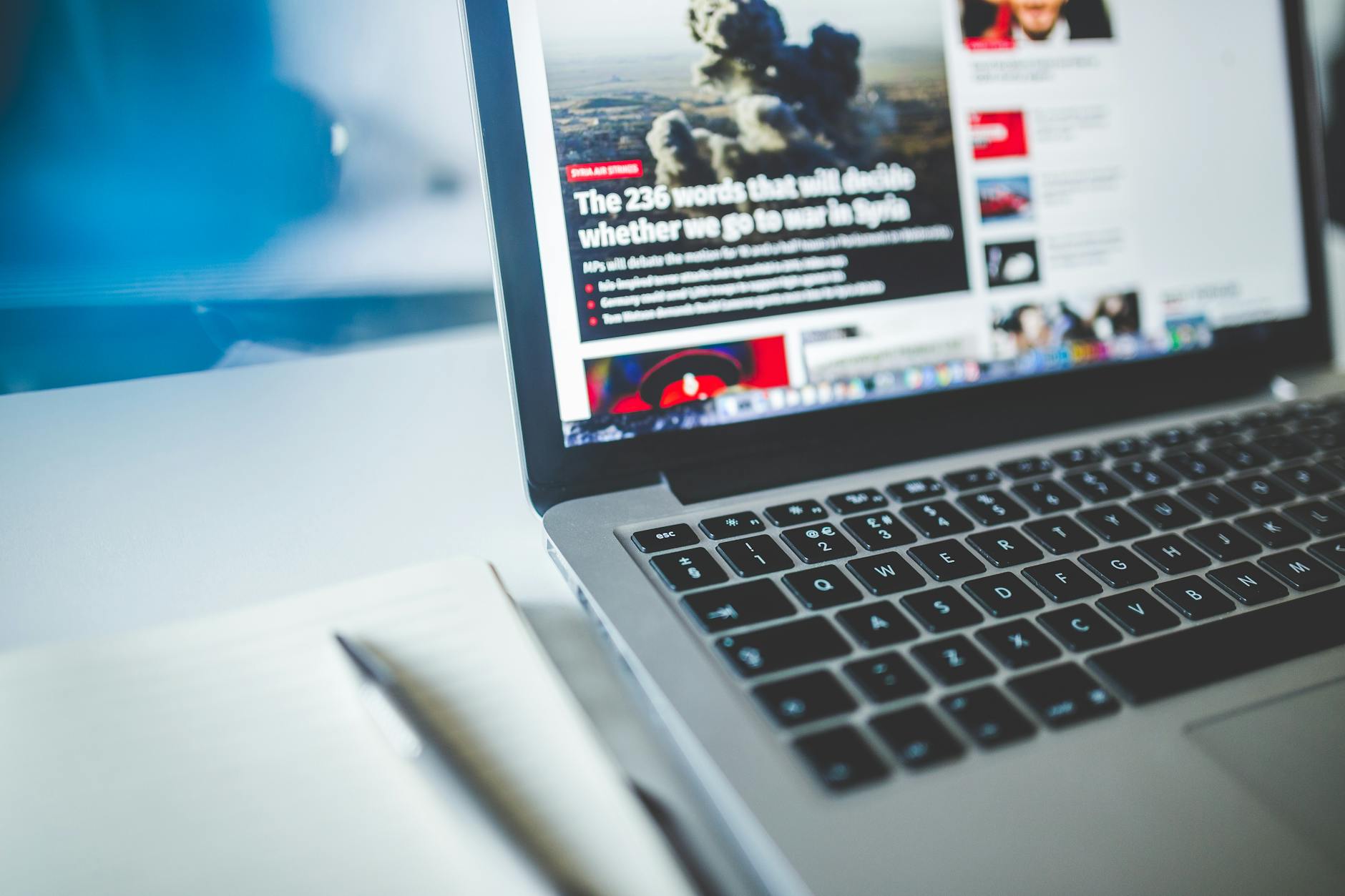
Photo by Negative Space on Pexels.com

Much of the debate over social media seems to focus on either the content of the information or the time spent with it that could be better used elsewhere. Both are concerns but they only hint at this question: can we handle all the information and social interactions?

For much of human history, people lived in relatively small communities. They lived in close proximity to family, often extended family and people of similar people groups. Traditions were important and technological progress was slower. There are examples in history of large urban centers but these are rare; small villages and towns were the more common social space.

The modern era and all that came with it – rationalism, industrialism, growing populations, urbanization, liberal democracies, pushing back against tradition, new technologies – expanded the number of social connections people could have. Big cities – 1 million-plus people – became common. People had more mobility. Access to other people and information expanded rapidly.

The Internet and social media is layered on top of these processes already underway and ongoing. Through these technologies, humans can connect with many more people and can access much more information. Something happens far away and we can know about it in minutes or seconds. Rather than relying on proximity for many of our social connections, we can interact with people and groups all over the place.

Perhaps humans can figure out how to deal with this all. How many would say they would want to go back to times where people primarily relied on people around them for relationships and information? People might figure out ways to shift their focus to all the options in front of them or better compartmentalize the big picture options and the world immediately around them. Or maybe not. We have options now that most humans never had – we can find out a lot and we can interact with or find out about almost anyone we would like – and we will see how we come to grips with them.

Another downside of the information age: dealing with endless spam

People today have access to so much information, including spam:

Photo by Moose Photos on Pexels.com

The average American received roughly 42 spam texts just in the month of March, according to new data from RoboKiller, an app that blocks spam calls and texts…

There were more spam calls last month than in any of the previous six months, per YouMail’s Robocall Index

Spam emails rose by 30% from 2020 to 2021, according to a January report from the Washington Post…

There was an unprecedented increase in social media scams last year, according to data from the Federal Trade Commission. Many scams were related to bogus cryptocurrency investments.

As the article notes, it keeps going in part because the spammers are successful enough. Yet, it would be worth also seeing the bigger picture: how much time and mental effort is expended fighting off spam efforts? Even if the majority of people relatively quickly discard the emails and texts or even just glance quickly at them and then ignore them, what does this all add up to?

The glut of information we all face, some positive and some negative, requires time and mental space. Just to push it aside requires a choice. We may think it does not affect us – I have heard many people say the equivalent of “advertising does not affect me” – but it does.

Could we envision a future world where we only get the firehose of information that we truly want and discard all the rest? Imagine the echo chambers or media bubbles possible today plus the technical means or financial means to only get all that we want to handle? I am not sure how advertising or alternative viewpoints might fit into all of this but I would guess there would be at least a few people willing to pay a lot to achieve this state.

The Internet and social media can help us see more small things but the bigger picture is still fuzzy

On one hand, the Internet and what comes along with it allows us unprecedented access to what is going on in the world. Information galore. Bypassing the traditional gatekeepers of the media. Access to millions of stories we might not have otherwise seen or heard.

On the other hand, it is a glut of stories and information. The social media feeds just keep going. The 24 hour news cycle of cable TV news is now an up to the second compendium of events big and small. There is a lot to take in. Some of the research I’ve done with the social media use of emerging adults suggests some have a hard time keeping up with it all. What should we pay attention to?

Going forward, I fear the extra information we now have – an unprecedented amount in human history – isn’t helping as much as it might. This is the case for at least four reasons. First, even though we have more information, we still don’t have all the information. As Max Weber once said, social life is so complex that it is difficult to imagine even social scientists understanding all aspects of social phenomena. Second, we’re not necessarily good as humans or trained well in how to process all the information. Certain things catch our eye – for example, such as information that agrees with what we already think (confirmation bias) – while we see others but they don’t register at all. Third, there is simply too much. Perhaps humans were not made to think at this scale; for much of human history, we lived in relatively small settings and had close relationships with people who were pretty similar to us. See Dunbar’s Number as an example of how the limits of humans comes up against friends and followers on social media.

Fourth, and this is where my sociological perspective particularly comes in, it is difficult work to connect individual level data – what we might call microsociology – with larger societal trends – macrosociology. Take this example: we see a post of involving a person with particular traits leaving no tip for a waitperson which they have posted on social media. Unfortunately, such negative interactions happen frequently. But, are we to take this single example as just an attempt to point out a wrong done by a single customer or does this one event reflect on an entire people group? Or, is a serious weather event on the other side of the world (one we would have had little knowledge about even a few decades ago) evidence for climate change or for deniers? When we are immersed in so many small events and their immediate interpretations, how are we to form big picture understandings of patterns? It requires us to step back and try to make sense of it all rather than simply slotting each small event into our existing heuristics.

Our capacities to deal with all of this information may improve in coming years as it becomes the new normal. Or, some may go another direction – though it is hard to imagine – where they retreat from this information overload. Either way, we’ll need to figure out ways to help everyone see the broader patterns so we all don’t lose the forest for the tees.

A reminder that information overload is not just limited to our particular era in history

There is an incredible amount of data one can access today through a computer and high-speed Internet connection: websites, texts, statistics, videos, music, and more. While it all may seem overwhelming, a Harvard history professor reminds us that facing a glut of information is not a problem that has been faced only by people in the Internet age:

information overload was experienced long before the appearance of today’s digital gadgets. Complaints about “too many books” echo across the centuries, from when books were papyrus rolls, parchment manuscripts, or hand printed. The complaint is also common in other cultural traditions, like the Chinese, built on textual accumulation around a canon of classics…

It’s important to remember that information overload is not unique to our time, lest we fall into doomsaying. At the same time, we need to proceed carefully in the transition to electronic media, lest we lose crucial methods of working that rely on and foster thoughtful decision making. Like generations before us, we need all the tools for gathering and assessing information that we can muster—some inherited from the past, others new to the present. Many of our technologies will no doubt rapidly seem obsolete, but, we can hope, not human attention and judgment, which should continue to be the central components of thoughtful information management.

As technology changes, people and cultures have to adapt. We need citizens who are able to sift through all the available information and make wise decisions. This should be a vital part of the educational system – it is no longer enough to know how to access information but rather we need to be able to make choices about which information is worthwhile, how to interpret it, and how to put it into use.

Take, for example, the latest Wikileaks dump. The average Internet user no longer has to rely on news organizations to tell him or her how to interpret the information (though they would still like to fill that role). But simply having access to a bunch of secret material doesn’t necessarily lead to anything worthwhile.