57+ years to build a highway ramp

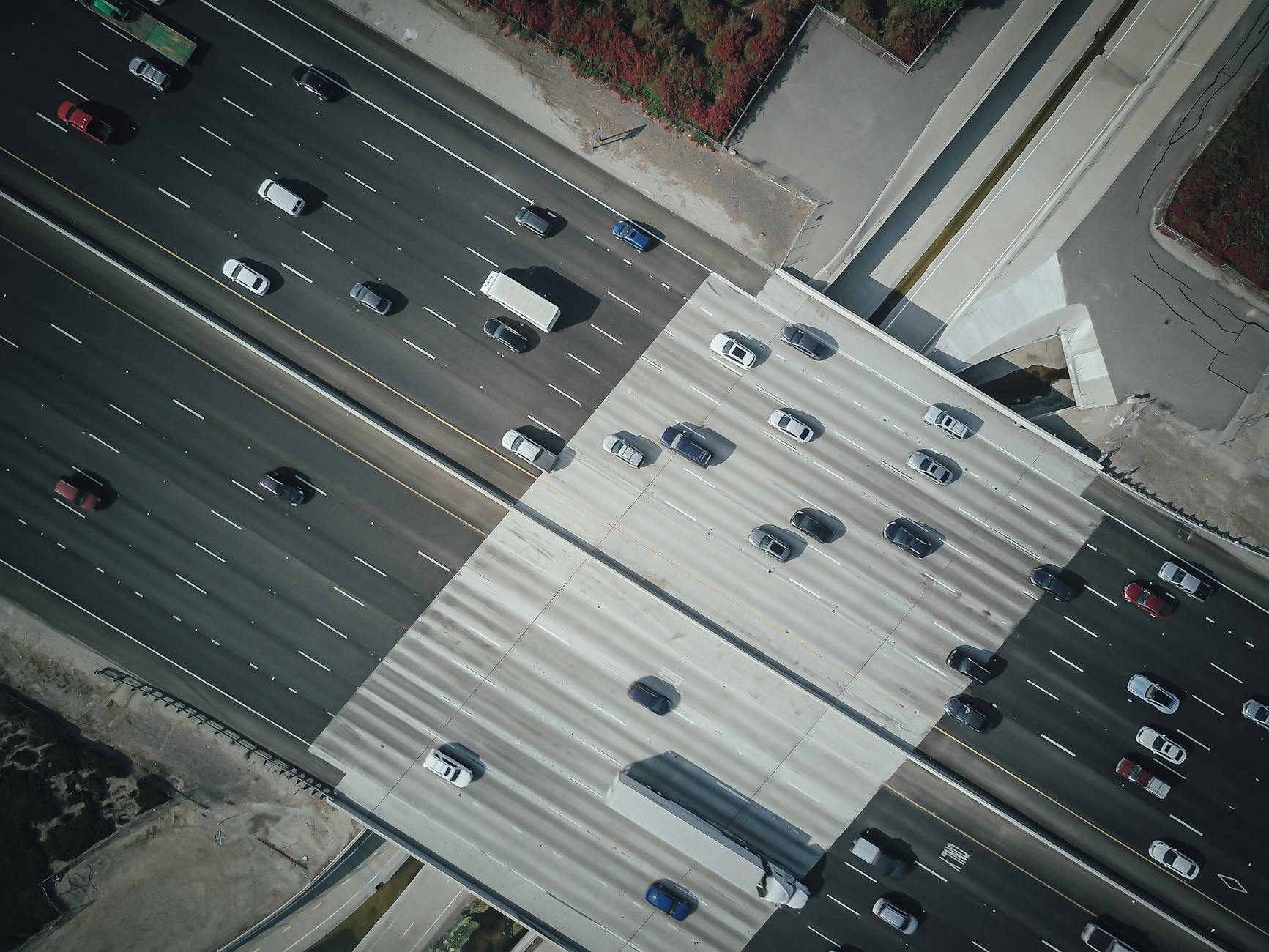
A significant construction project means a new interchange will be open between I-294 and North Avenue. It was supposed to happen decades ago:

Photo by Kindel Media on Pexels.com

The tollway collaborated with Cook County on a broader North Avenue interchange project. Along with the ramp, it includes realigning County Farm Road and rebuilding and reconfiguring North Avenue, Lake Street, Northwest Avenue and I-290 Frontage Road.

“I’m surprised (the ramp) was never built originally when they built the tollway seeing as North Avenue is so busy,” Sherwin said.

A major hotel was built in Northlake near the Tri-State in 1968 “on the promise that they were going to get the ramp. The ramp didn’t come (and) the hotel went bust,” Sherwin recounted, adding the site is currently home to Concorde Place seniors residence.

“Here we are 57 years later; we finally got the ramp open.”

The best time for a lot of infrastructure improvements is in the past, before there is significant need now. This particular interchange has always had a weird convergence of roadways. Perhaps a ramp built decades ago could have made traffic flow better.

But this is easy to say in the present. What stopped the ramp from being constructed in the past? Money is often an issue; who will pay for the road improvement? Or the possible money needed to be spent elsewhere on bigger issues. Maybe the issue was land. Highway interchanges can be limited by the space they have. It is easier to construct interchanges when there is plenty of room for ramps and land is cheap.

And what happens if the ramp is a success and more and more people use it? Building more lanes and road capacity can lead to more use. Those who got on and off the highway elsewhere or who used alternate roads may now choose this improved interchange. The new interchange will alter the dynamic traffic conditions…hopefully for the better.

An airport as an economic engine, Pittsburgh edition

Reflecting on the opening of a new terminal at Pittsburgh International Airport, one writer looks back at what the city and region expected the airport to be:

Photo by Enes Tu00fcrkou011flu on Pexels.com

The airport was to be a driver and symbol of the whole region’s evolution. “Planners hope the terminal, with its vaulted ceilings and driverless underground trains, will complete an image transformation begun decades ago,” the Times story said. “Once known as a gritty old steel town of blue-collar workers, Pittsburgh has become a commercial center of office towers and high-technology industries.” That reinvention has continued apace in the 33 years since the terminal opened. But even as a tech, robotics, and health care hub, the area has three-fourths the population that it did in 1970. And no place was a worse reminder of what Pittsburgh had lost than this airport 20 minutes west of downtown…

As a major airline’s biggest hub, Pittsburgh would be taking a piece out of millions of travelers who weren’t even staying in Pittsburgh, and it would also get a tourist boom from people who suddenly had an ultra-easy way of visiting. Before Sept. 11, 2001, the Pittsburgh Post-Gazette reported, USAir was running 542 daily flights in or out of Pittsburgh. As airline-airport relationships go, this was a huge one. (Today, for example, Delta peaks with about 330 daily flights leaving Minneapolis, its No. 2 city.)…

But the oversized airport was a bleak metaphor for a city that was once more bustling and then got let down—first by the shriveling of the steel business, then by USAir itself. The cavernous, quiet terminal created a bad feeling upon landing at home, like you had just entered a place that wasn’t what it used to be. It wasn’t a good way to be welcomed to a city, whether you lived there or not.

It can’t be overstated how much the point of the new airport is to simply move Pittsburgh past this corporate pantsing by US Airways. Yeah, there are practical logistics reasons for an update. As the airport authority chairman said in announcing the project back in 2017, airlines would face lower costs, and the facility would be “very efficient and modern.” But then he got to the point: “And, finally, this is most important for me, the people of Pittsburgh finally get an airport that is built for them, and not USAir.”…

A major city needs a decent airport. It offers travel opportunities to residents and businesses. It connects a place to other places. It is what people see when they arrive in or leave a city.

Can an airport be an economic engine on its own? Pittsburgh is a smaller big city. According to Wikipedia, it is the 67th largest city in the United States with over 307,000 residents and it is the 28th largest metropolitan area. How much air traffic can be expected to go through an airport in such a city?

The story of this airport seems tied up with the fate of the city. It once thought it could be an airline hub. It has a proud history of industry. But the world changed: industry jobs went elsewhere, the airline industry changed, and the large airport did not live up to its potential.

Having effective and inspiring infrastructure is helpful in many ways. It enables other important activity. Pittsburgh may not have a large airline hub or a standalone economic powerhouse but perhaps it now has an airport that serves the region well for decades.

Electrical grids working efficiently

Infrastructure may work but not do so efficiently. One firm says this is the case for ComEd’s electrical grid:

Photo by Pok Rie on Pexels.com

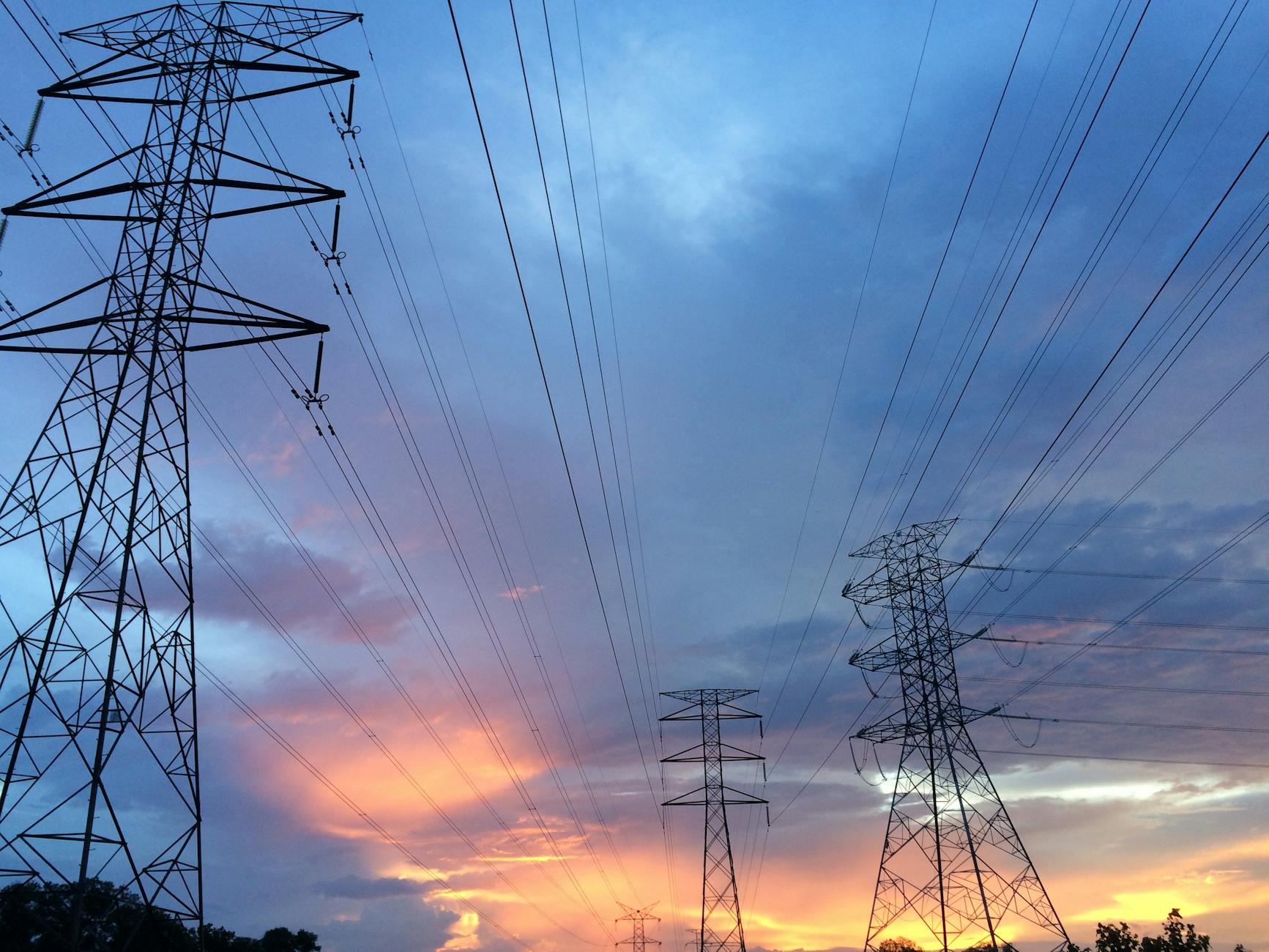
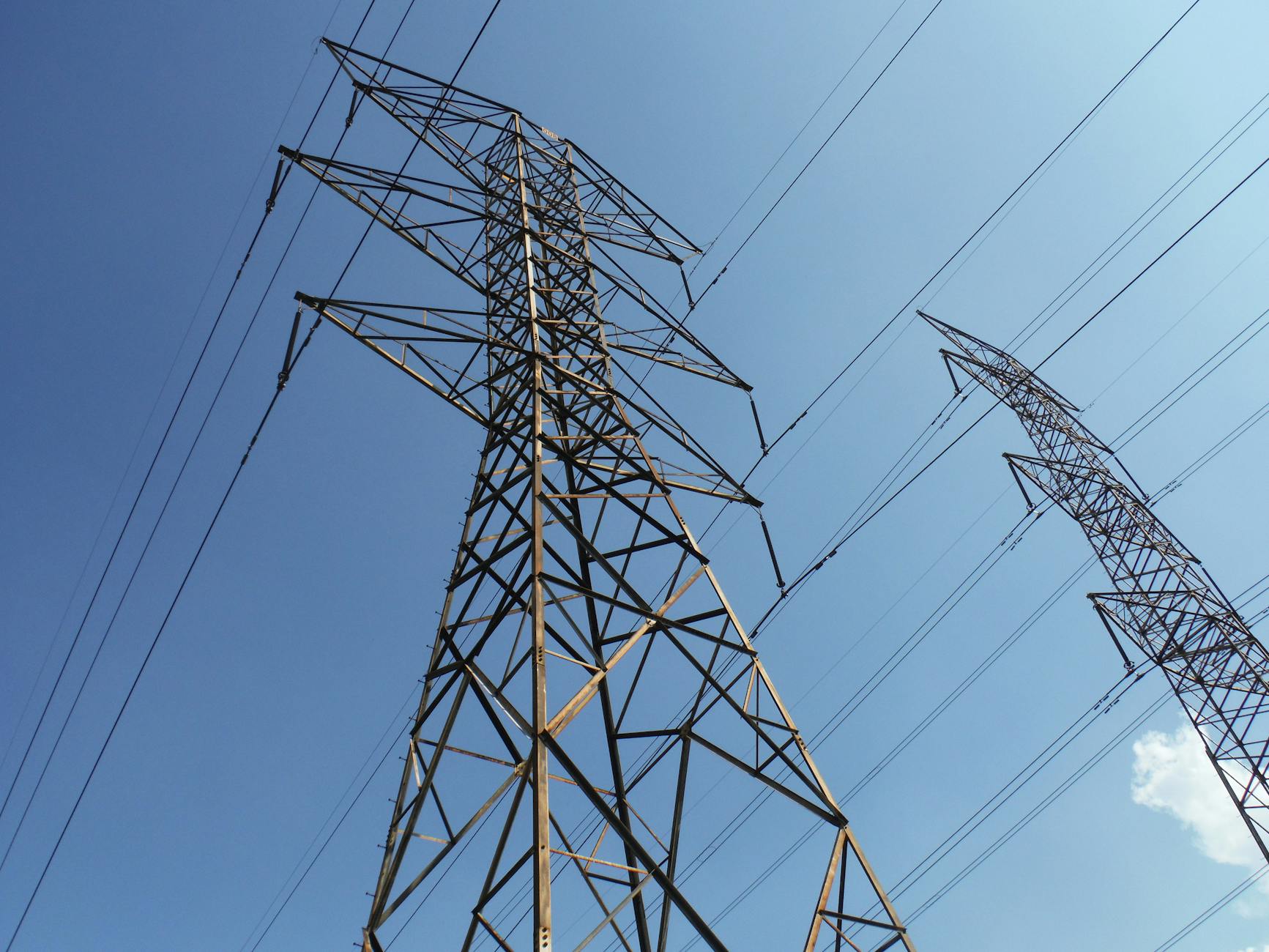
The ComEd territory essentially has the least efficient electrical grid in the country, with 40% of homes experiencing power distortion at 8% or greater, according to Whisker Labs. That means roughly 1.7 million ComEd customers are paying upward of $500 per year in energy waste, according to Bob Marshall, CEO and co-founder of Whisker Labs.

“ComEd in particular shows that they by far have the highest percentage of homes that have harmonics that are outside of industry acceptable limits,” Marshall told the Tribune. “It causes a reduction in the energy efficiency of everything that uses electricity in the home.”

The electricity provider did not agree with the assessment:

ComEd questioned the methodology behind the Whisker Labs data, and said it has one of the most reliable electric grids in the nation. At the same time, the utility acknowledged that the increased cost of the electricity is impacting many of its Chicago-area customers this summer, with low-income customers being hit the hardest.

It is one thing to have infrastructure in place. Is there electricity, water, the Internet, and more available? Are the roads driveable?

It is another question to ask whether that infrastructure is working as it could or should. If this claim is correct, what would life be like if the electrical grid worked more efficiently? Of if the water didn’t just come but the pipes were free of lead? Or if the transportation options were not just there but were ones that residents felt good about choosing? And so on.

Optimizing infrastructure can be tricky. How many people want to pay money now to improve things for benefits down the road? Is a 10% (or whatever the percentage is) improvement in efficiency worth it? These can be more difficult judgment calls that depend on current conditions and resources.

But I cannot imagine too many companies or places want to be last in rankings of infrastructure.

Why American elevators are the size they are

Here is the story of how the size of American elevators came to be:

Photo by Kelly on Pexels.com

Two decades ago, the fire marshal in Glendale, Arizona, was concerned that the elevators in a new stadium wouldn’t be large enough to accommodate a 7-foot stretcher held flat. Tilting a stretcher to make it fit in the cab, the marshal worried, might jeopardize the treatment of a patient with a back injury. Maybe our elevators should be bigger, he thought.

The marshal put this idea to the International Code Council, the organization that governs the construction of American buildings. After minor feedback and minimal research (the marshal measured three stretchers in the Phoenix area), the suggestion was incorporated into the ICC’s model code. Based on one man’s hunch, most of the country’s new elevators grew by several square feet overnight. The medical benefits were not quantified, and the cost impact was reported as “none.”

It is one of the many small rules that have divorced our national building standards from the rest of the world. According to research by the building policy wonk Stephen Smith, who recounted this story in a report last year, changes like these are one reason it now costs three times as much to install an elevator in the U.S. than in Switzerland or South Korea.

Someone – individual or group – have to come up with the standards and then another organization implements them and advocates for them in the future. If this particular standard seems odd to people, what would stop others from proposing a different standard and working to get that implemented? How exactly is such a decision adjudicated?

I imagine most elevator users would not think about this when stepping into or stepping out of a larger elevator. It may seem spacious. They may notice when the elevator can hold a lot of people and/or items (suitcases or household goods on moving day). Would anyone lay down in the elevator and realize they can fit?

Implementing a new standard today would take a while to work through the system as new elevators start showing up. Thirty years from now, someone could look back and mention the day when the standard changed (and perhaps give the reasons why it changed). Until then, we have a certain elevator size that can accommodate a seven foot stretcher.

A burst suburban water main can cause a lot of damage

Infrastructure might not be a popular topic but when something that works every day suddenly does not work, numerous lives can be disrupted. See this example from suburban Skokie:

Photo by Darya Grey_Owl on Pexels.com

Skokie residents are trying to recover from the huge water main break Feb. 14 that sent icy floodwater into nearby basements, blocked streets, prompted a boil water order for the population of 65,000 lasting nearly three days, shut down Westfield Old Orchard Shopping Center, forced Skokie Hospital to transfer trauma surgery patients and surgeons, closed most businesses, shut schools and barred restaurants’ doors on Valentine’s Day…

Though flooding problems were contained in a residential area of northeastern Skokie, locally known as Skevanston, and the northwestern portion of Evanston, a lack of clean water impacted businesses, homes, and institutions throughout Skokie. Village officials said they are preparing, at their Feb. 18 Village Board meeting, to declare a state of emergency, a necessary step before applying for federal and state disaster funds…

According to a news release from the village, the water main break was caused by a failed fitting cap installed in 1963. The part has an expected lifespan of between 80 and 100 years.

Neighbors in the vicinity of Prairie and Emerson told Pioneer Press that the village conducted emergency repairs in the same area the night before the main burst, which made some skeptical of the cause of the break.

Water is basic for everyday life. And not just any water; clean water that flows continuously. Suburbanites might not think much of these water flow on a daily basis but this broken water main disrupted residential, business, medical, and school activity. Streets and buildings were flooded. Regular suburban life was put on hold.

Skokie could be one of many suburbs across the United States that face similar issues. Skokie boomed in population after World War Two, going from just over 7,000 residents in 1940 to over 59,000 in 1960. All of this growth required infrastructure. The particular water main in question had a cap from 1963. Even with an expected life of 80 to 100 years, that cap is over 60 years old. At some point, those pipes will need to be replaced. What will that cost and how easily will it be accomplished? Regular maintenance can help address these issues but bigger replacement projects are sometimes necessary.

If all goes well, suburbs like Skokie will not experience events like these that lead to declaring a state of emergency and the infrastructure that supports suburban life will be regularly maintained so that suburban life can go on.

The (American) city of bridges?

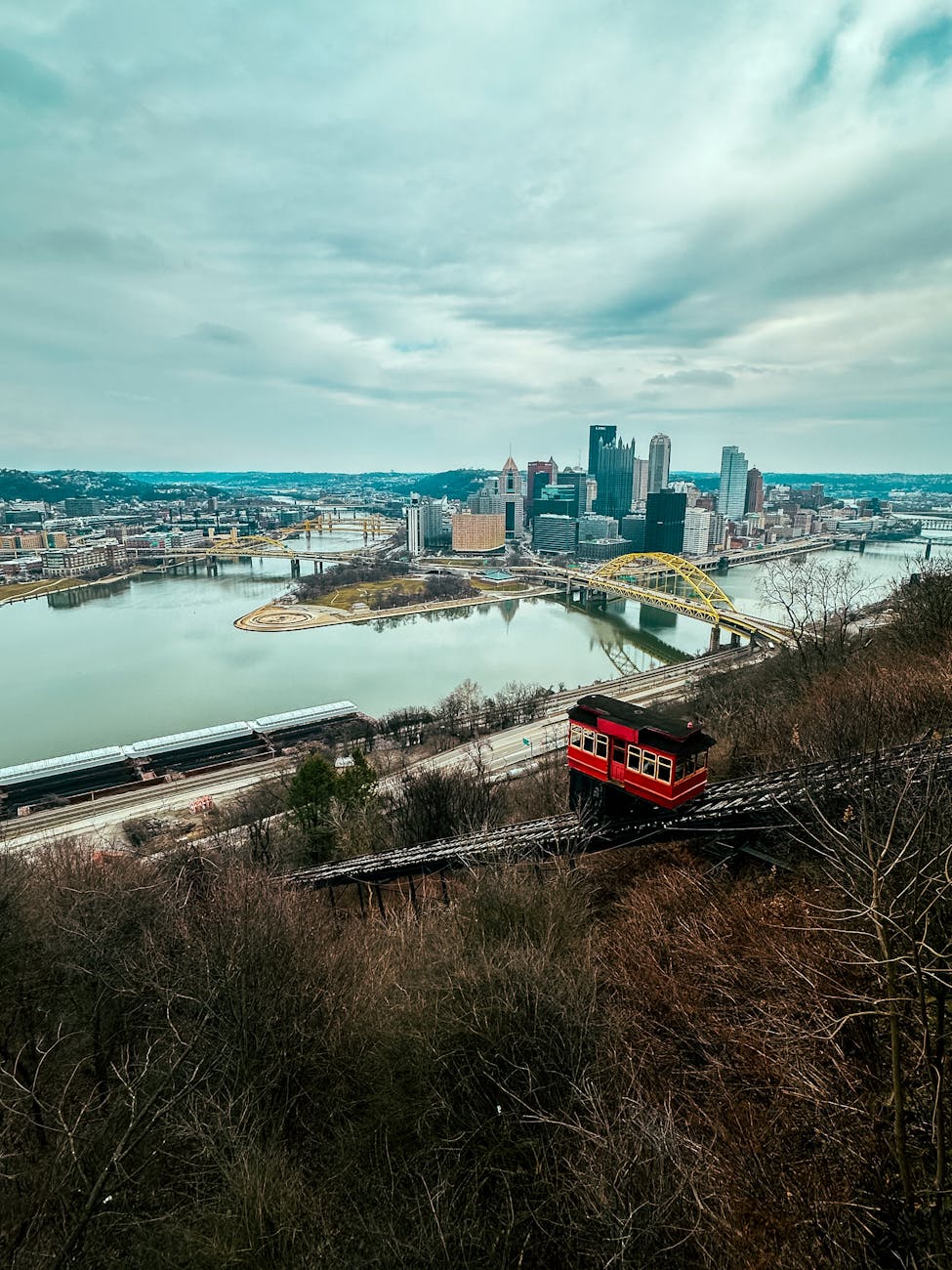
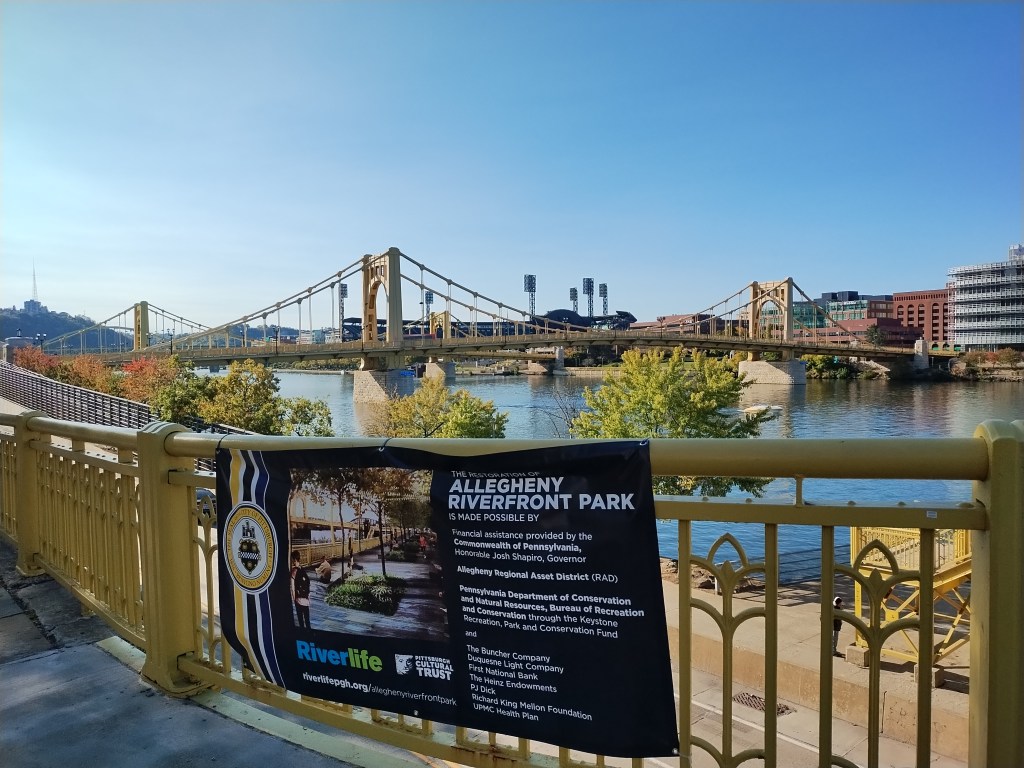
Pittsburgh has a lot of bridges:

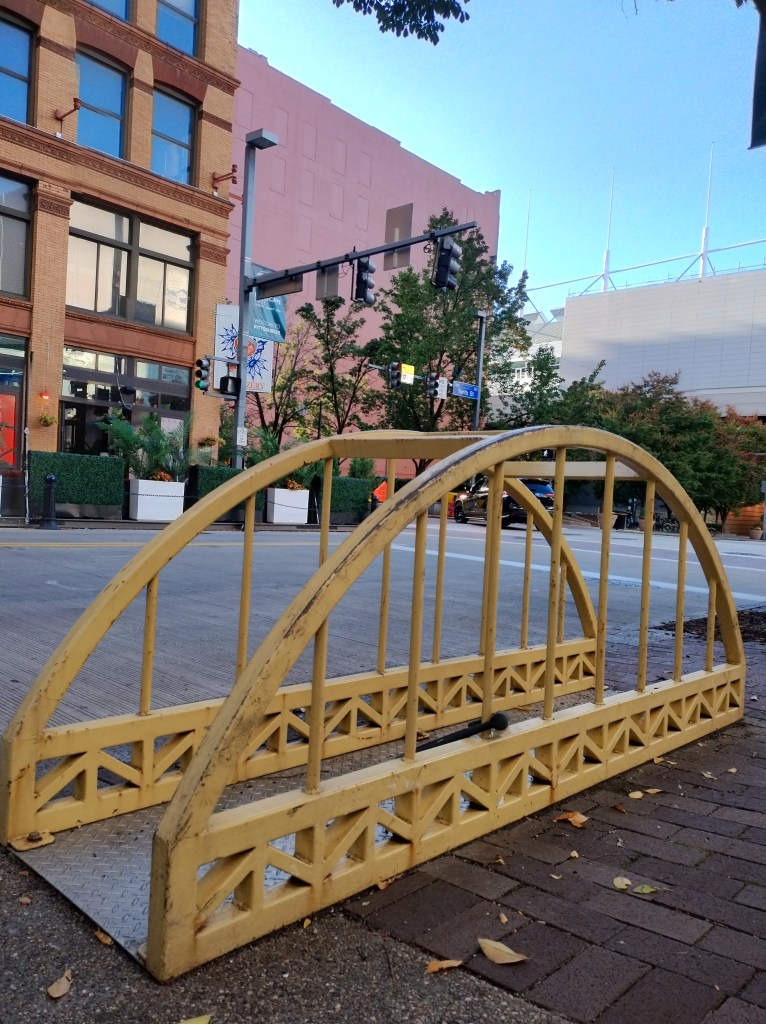
Smaller versions can even serve as bike racks:

According to a few sources (here and here), Pittsburgh might claim the most bridges in the United States. Other people disagree (such as here).

All communities have features that they regard as unique or noteworthy. Bridges are an interesting choice: beyond having a lot of them, they are easy to see and are necessary for transportation.

Like in many matters, it may depend on measurement for claiming this civic title: what counts as a bridge?

Who may and may not benefit from going off the electric grid

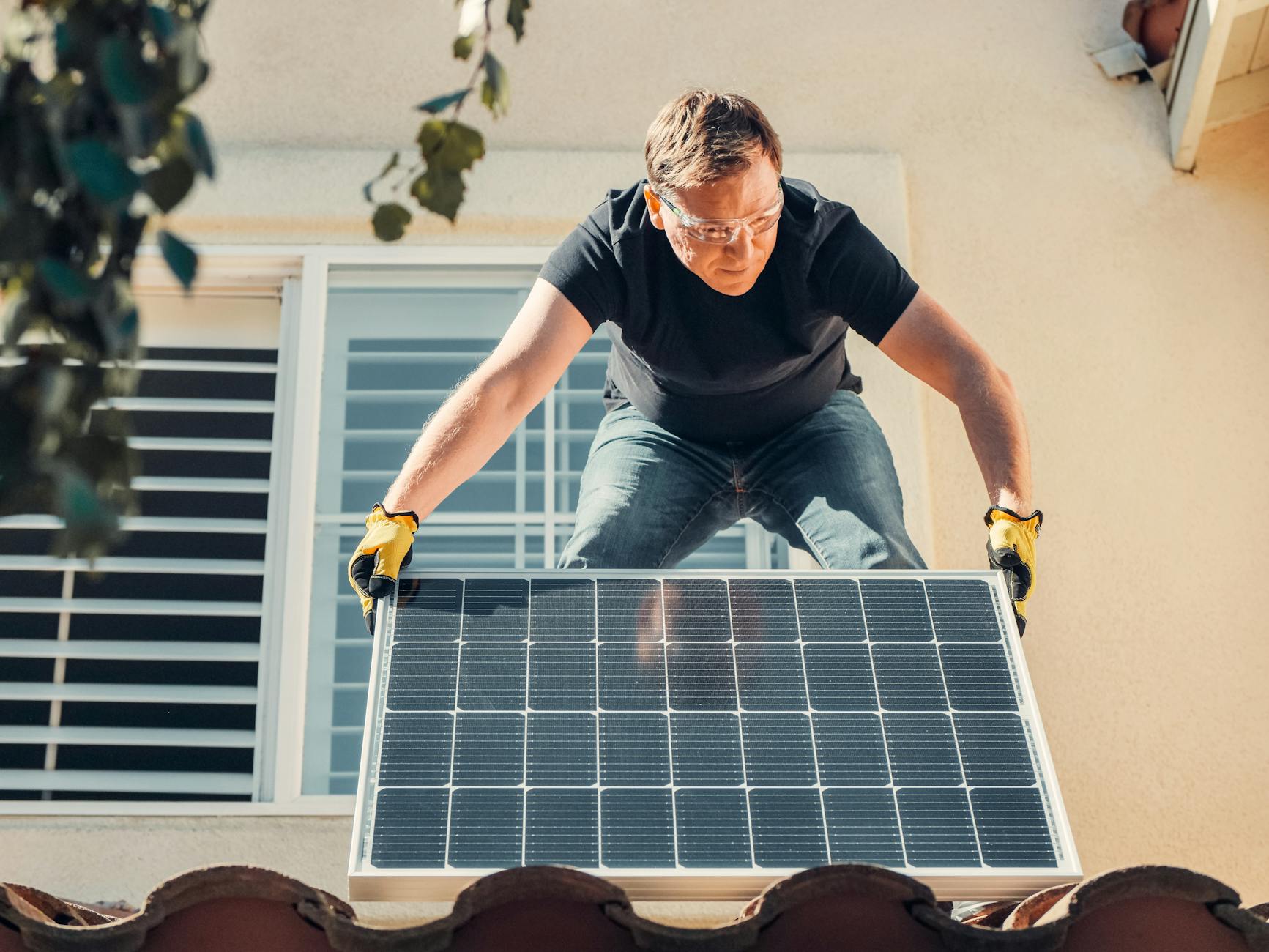
With the declining price of solar panels and an increasing ability to go off the electric grid, who could benefit?

Photo by Kindel Media on Pexels.com

These trends, coupled with increasing grid electricity costs and decreases in both solar and battery costs, have made economic grid defection a salient issue.

But this also raises concerns about potential “utility death spirals,” where as more customers leave the grid to save money, the ones who are left face higher electricity costs, prompting even more to leave until the utility is bankrupt.

This trend raises two major concerns. First, those who can’t afford to leave the grid — often the poorest households — will end up paying the most for left-over fossil fuel electricity from the grid. Leaving the grid requires a hefty up-front cost, and not everyone can afford it.

Second, our research shows that the diesel generators used as back up for off-grid solar and battery systems will cause significant pollution — even more than the grid in some locations.

Large-scale infrastructure often serves large numbers of people. Without a large user base – whether it is a highway or an electrical grid or a sewage system – it is harder to justify its construction and maintenance. When most, if not all, the population participates, resources can be pooled and the infrastructure can serve the common good. The shift to mass society can with systems that (theoretically) served all.

If not everyone participates, things can get interesting. We see this playing out in a number of areas. What if more people start purchasing electric cars? The gas tax resources that fund roads start to shrink so there are ways to make up that revenue. What if health care is a multi-tiered system where those who good jobs and insurance can access better care? Then the public option might suffer in terms of quality and prices.

The vision above hints at a two-tiered electric system: those who have the means to produce their own electricity and those who cannot and need to keep paying for an aging system. If the trends described keep going, it could lead to interesting discussions and choices made about how to provide electricity in the United States in the 21st century.

A possible investment return of over 800% on Chicago’s parking meters

One estimate of the profit to be generated through the privatization of Chicago’s parking meters suggests this was a lucrative investment:

Photo by Erik Mclean on Pexels.com

In 2008, then-Mayor Richard M. Daley, with the approval of poodles on the City Council who failed to do due diligence, agreed to sell a 75-year lease on 36,000 parking meter spots for $1.16 billion to an entity that calls itself Chicago Parking Meters LLC and is made up of various parties including Morgan Stanley-related entities and, indirectly and also among others, the sovereign wealth fund known as the Abu Dhabi Investment Authority.

Daley also agreed to a whole series of tightwad rules that handcuffed the city when it came to removing meters for, say, special events such as outdoor dining, changing the hours of paid parking, or making any other changes that might result in less revenue for Chciago Parking Meters. In each and every case, Chicago has had to lay out more cash.

Why did Daley make this colossal error? He wanted to close a budget shortfall and thought that a private company could more easily jack up rates than an elected official likely to anger voters. And he probably believed that $1.16 billion sounded like a whole lot of money.

Wrong. Former Mayor Lori Lightfoot once told this board that the decision was one of the worst public policy mistakes in the history of municipal governance and she was absolutely correct. The investors, if that’s the right term, have recouped that amount within the first 10 years of that 75-year lease. They’ve now made hundreds of million dollars in additional profit. By the end of this deal, they are likely to have raked in a total of $9 billion. 

Urban parking can be a lucrative business, whether working with parking meters or having a parking lot or garage that later becomes a huge development project. Thus, imagine the money the city could have generated by treating the parking meters differently.

This reminds me of at least two bigger picture issues. First, infrastructure and public goods require a long-term view. In the short-term, selling the revenues from these meters may have helped close a budget loophole. However, lots of things can change over 75 years. Will the city need or want parking meters at that point? How much driving will there be? Would a shorter deal leave more flexibility?

Second, Chicago has relied on some public-private partnerships for decades to help keep the city moving forward. While this deal might not appear to be a good one for the city, other projects may appear to be good. How many projects have worked out well? Does the participation of the city or the use of the city’s resources make certain things possible?

I am guessing this deal will serve as an example for years to come. Hopefully some lessons are learned that could lead to some good.

“With America’s golden era of infrastructure construction behind us…”

Repairing infrastructure and constructing new infrastructure is difficult these days (via the example of the Eisenhower-Johnson Memorial Tunnels on I-70 in Colorado):

Photo by Burak The Weekender on Pexels.com

The attention Fox is about to get is a perfect illustration of what researchers refer to as the invisibility of infrastructure. It’s only when infrastructure breaks, whether it’s a closed tunnel, a broken cell phone tower, or a delayed train, that the public seems to notice it exists. “Unfortunately, we usually take for granted when things work, and we don’t value maintenance as much as we probably should,” says Cristina Torres-Machi, an assistant professor of civil engineering at the University of Colorado Boulder. “But we also do that in our daily life. We only remember how good the dishwasher is when it’s not working.”

With America’s golden era of infrastructure construction behind us—a period which arguably began with New Deal public works projects in the 1930s and ended with the completion of President Dwight D. Eisenhower’s Interstate Highway System in 1992 just down the road in Glenwood Canyon—there’s been a shift in both academic thought and in practice at various levels of government to elevate infrastructure maintenance in the national consciousness, lest it arrive unbidden. In the Centennial State, there’s no better embodiment of this shift than the EJMT. It cost $262 million to build both bores between 1968 and 1979, or the equivalent of about $1.2 billion today. But calculating the cost of adding a third tunnel bore—something CDOT has identified as essential for alleviating congestion on the I-70 mountain corridor—isn’t as simple as adjusting for inflation. Modern environmental protections, safety standards, and construction techniques all drive up the costs of these massive projects, a serious problem considering the agency’s 2024–’25 budget is only $1.7 billion. When I ask how much a third bore would cost, Fox jokingly throws out a figure: $300 billion. Bob Fifer, CDOT’s deputy director of operations, echoes the sentiment…

The inability to green-light ambitious infrastructure projects is happening all over the country. Most of President Joe Biden’s lauded $1.2 trillion Infrastructure Investment and Jobs Act, for example, will go toward repairing or upgrading existing infrastructure instead of funding new projects on the scale of the EJMT. Even that $1.2 trillion is half of what the American Society of Civil Engineers estimates the United States would need to invest over the next decade to simply maintain its ports, electrical grids, bridges, and transportation networks in a “state of good repair.” “There is something kind of nostalgic [about the EJMT]—that they could gather the will and the funding and the common commitment to build these kinds of incredible engineering marvels,” says Steven Jackson, a Cornell University professor whose areas of study include the maintenance of infrastructure systems. “There’s some question if we even remember how to do that or know how to do it together anymore.”

Jackson agrees with Fox and Fifer that escalating expenses are a major reason grand public works like the EJMT aren’t often attempted anymore, but he also believes there could be a deeper, societal issue at play. “[Back then], there was a notion of government being a conduit for collective purpose that could gather and channel resources for projects like the tunnels, but it’s harder to see in our current moment,” he says. “The tunnels almost feel like relics of a bygone bipartisan world.”

So costs plus a lack of collective will means American infrastructure is in danger long-term? The solutions to these two issues would be to pay up and gather support among leaders and the public. Will more things need to break before action is taken?

But I wonder if there might be other options. Imagine new infrastructure that means older systems do not need to be maintained. New cost-saving measures. New needs for daily life.

Some of this is hard to imagine. The tunnels discussed above would no longer be needed because of what, flying cars or a hyperloop? Lead drinking pipes won’t need to be replaced because we will get water how, from personal devices that pull water out of the air?

At some point, the infrastructure issues will force a reckoning. Regular maintenance will help. But at some point, even well-maintained infrastructure might not be worth keeping given what else might be possible.

The endless search for water in the (fictionalized) origin story of Los Angeles

The movie Chinatown highlights the ways acquiring water helped Los Angeles grow and hints at what may need to happen for the city and region to keep growing:

Photo by Soly Moses on Pexels.com

If Chinatown’s ending forces the audience to sit in a feeling of hopelessness, it should also disturb anyone invested in Los Angeles’s future. The history of water in 20th-century California was defined by mammoth feats of engineering and an enduring belief that someone like Mulholland would eventually come along and enable the impossible. Each new dam or aqueduct only guaranteed the arrival of the next one—the population growth allowed by Mulholland’s aqueduct, for example, later resulted in L.A. tapping other water sources, such as the Colorado River. California has had a few good years of rain recently, but the long-term sustainability of the state’s water supply depends on collective conservation efforts: drastically reducing the amount of water used by Big Agriculture, moderating suburban tasks such as watering lawns, regulating the state’s groundwater.

“There is no more water to capture with big projects. There just isn’t. The future is really about much smarter water management,” Stephanie Pincetl, a UCLA professor who specializes in urban policy and the environment, told me. Conservation measures, she argues, are the way forward even if politicians wish they could stump for some grand technological innovation the way their 20th-century predecessors did: “The approach to the 21st century has to be a lot more subtle, a lot more place-based, and a lot more guided by the realization that water is a scarce resource, and so we need to treat it like a scarce resource.”

Finding water in Los Angeles, the Southwest, the West, and the United States more broadly may become more paramount in the coming decades. Which cities and regions would do well in competing for water? Would a lack of water in some places lead to growing populations in places with plenty of water?

While we are at it, why not tell more exciting stories in these categories:

  1. Origin stories of modern places. Take any of the big cities in the United States and put its origin story in a movie or a miniseries. How about the rise of Phoenix?
  2. It would be interesting to popularize more stories about water and other necessary resources in daily life. How about a thrilling tale about concrete? It is hard to imagine modern life without out. Or air conditioning. Can’t have a lot of the global development of the last century without it. Or salt. Where do we get all this salt in our daily lives from?

If Chinatown can entertain and inform about place, why not engage in more storytelling that explains where places have come from and where they might be going?