The (American) city of bridges?

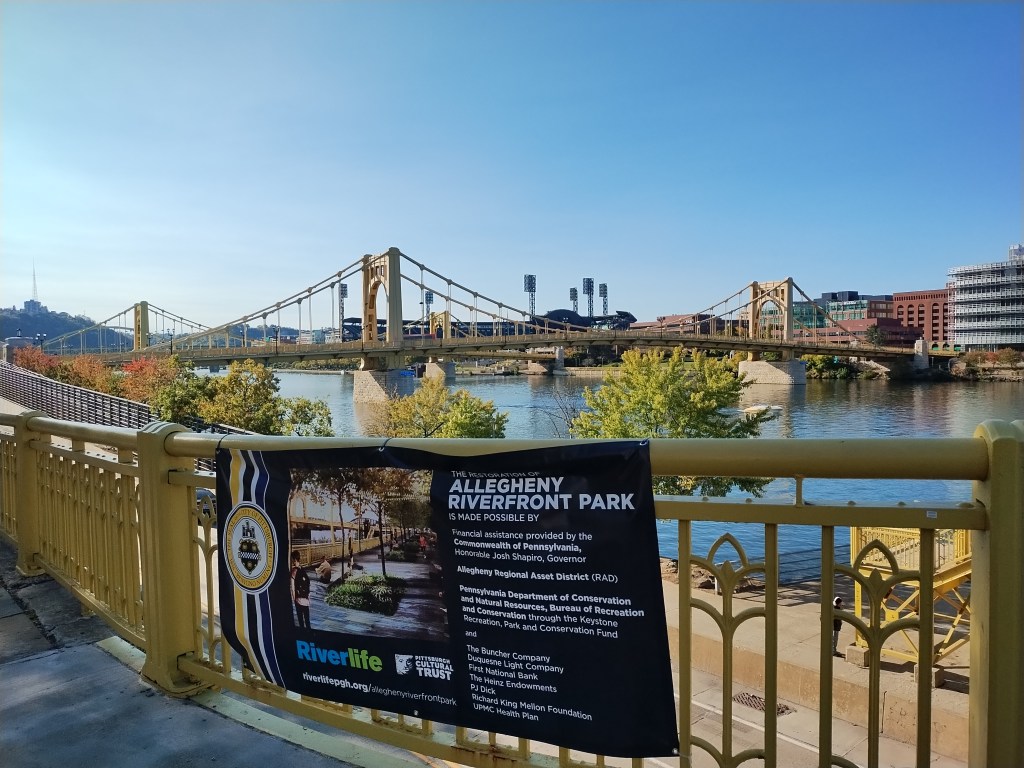
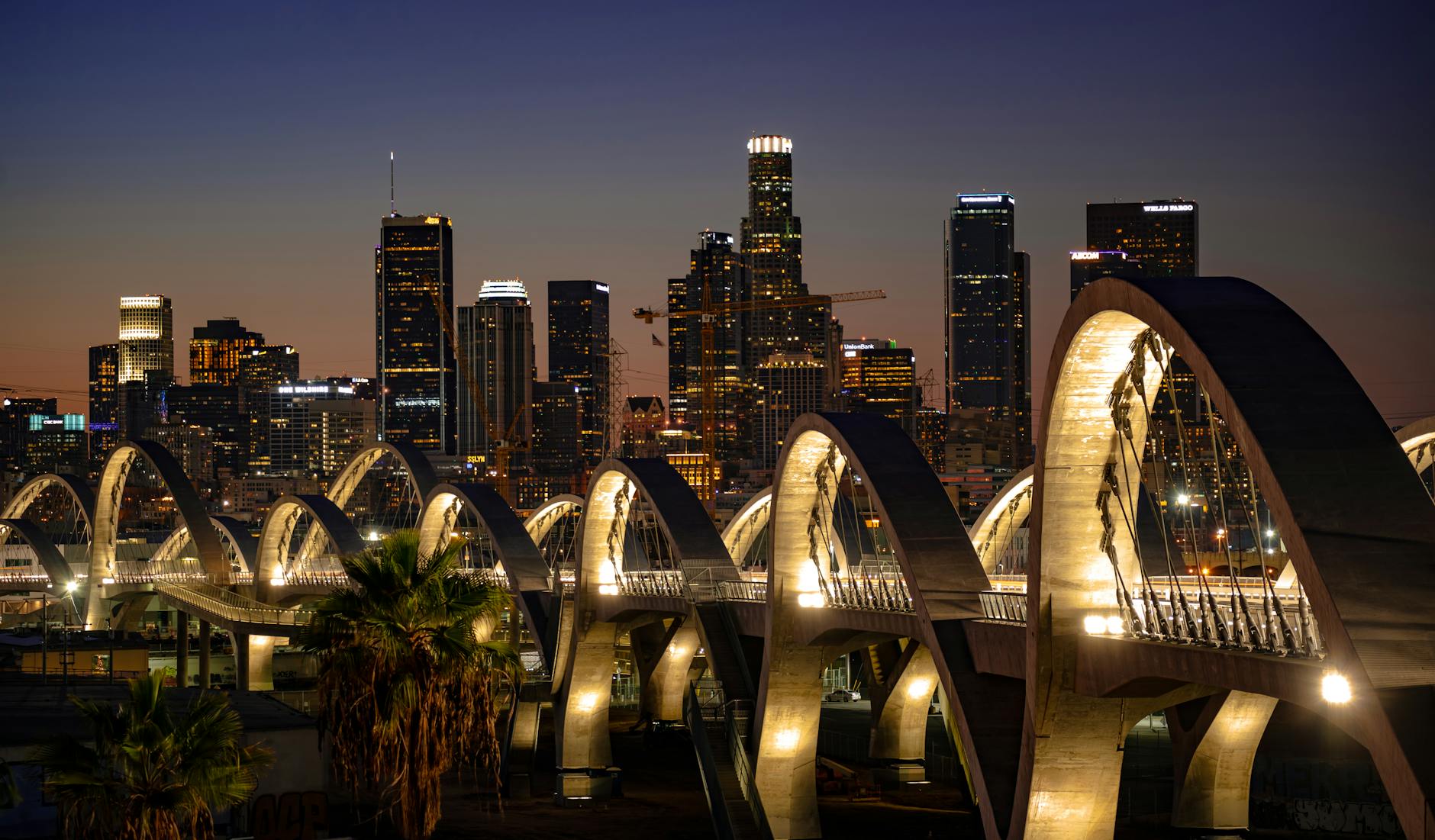
Pittsburgh has a lot of bridges:

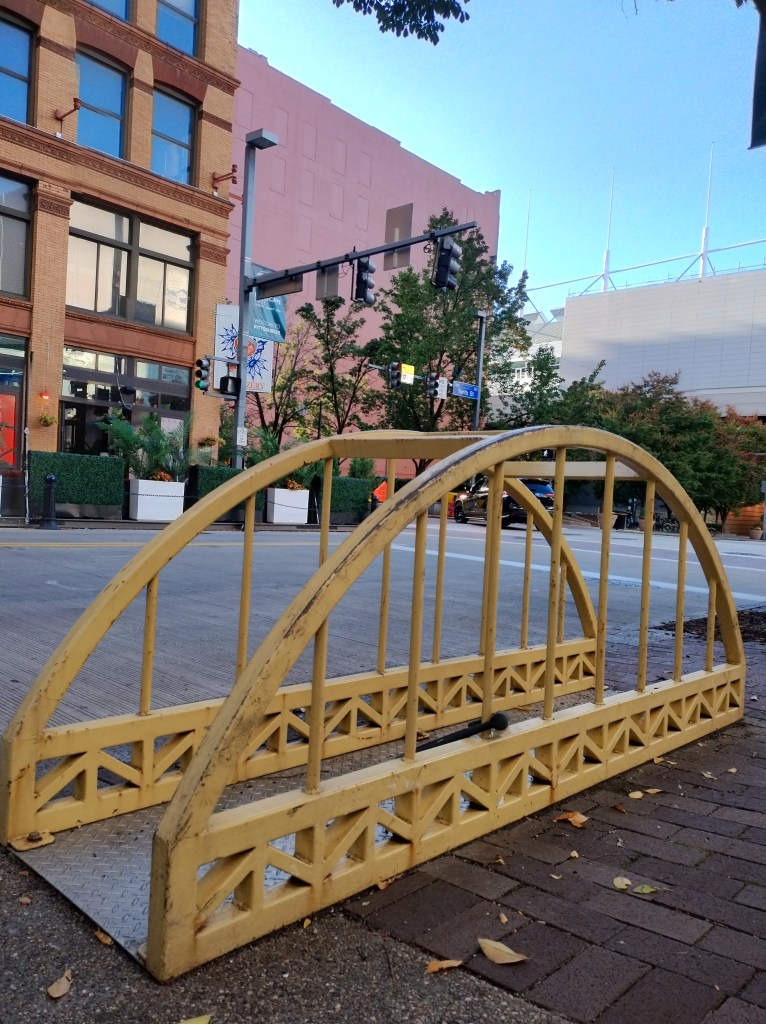
Smaller versions can even serve as bike racks:

According to a few sources (here and here), Pittsburgh might claim the most bridges in the United States. Other people disagree (such as here).

All communities have features that they regard as unique or noteworthy. Bridges are an interesting choice: beyond having a lot of them, they are easy to see and are necessary for transportation.

Like in many matters, it may depend on measurement for claiming this civic title: what counts as a bridge?

Who may and may not benefit from going off the electric grid

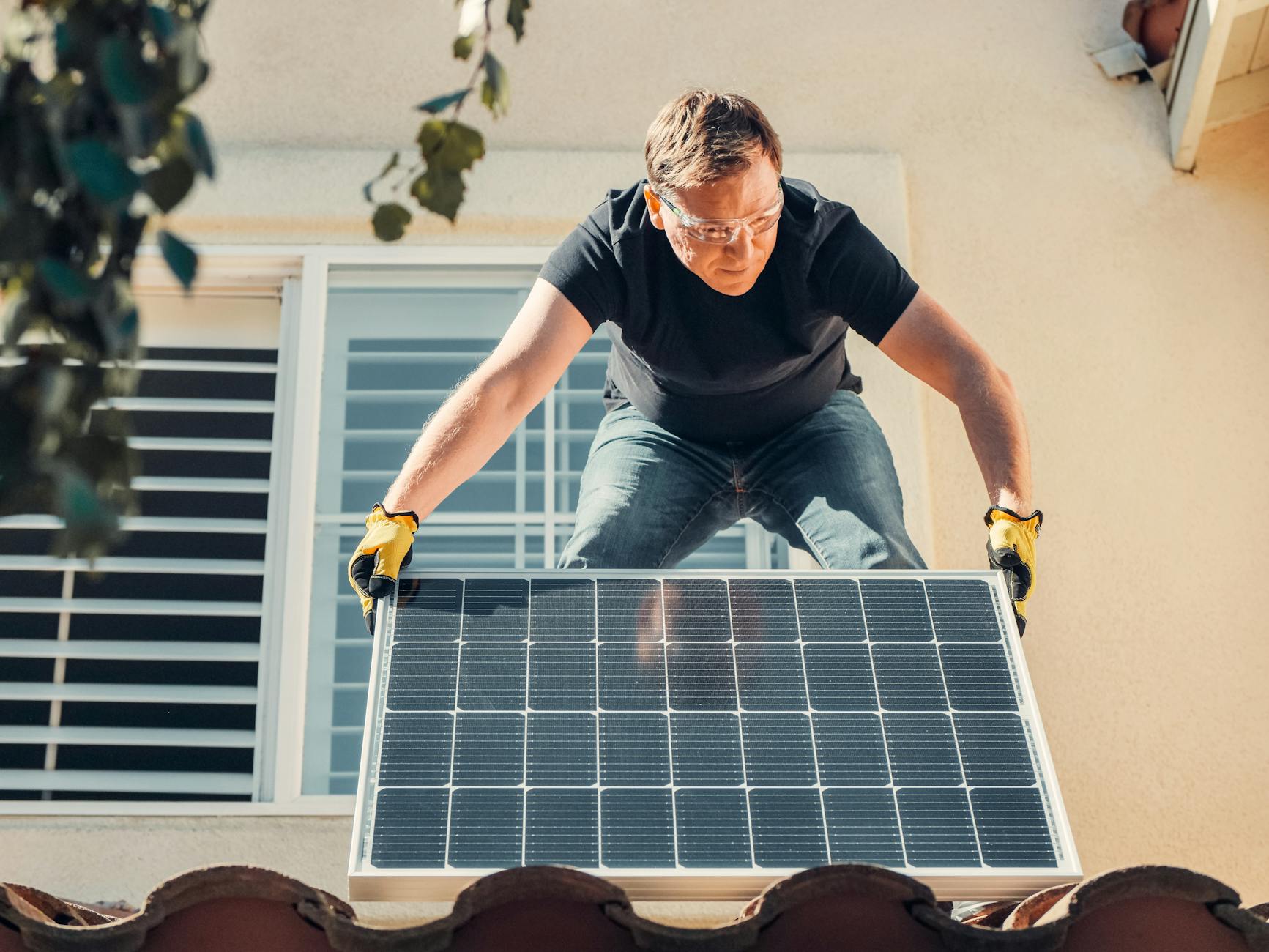
With the declining price of solar panels and an increasing ability to go off the electric grid, who could benefit?

Photo by Kindel Media on Pexels.com

These trends, coupled with increasing grid electricity costs and decreases in both solar and battery costs, have made economic grid defection a salient issue.

But this also raises concerns about potential “utility death spirals,” where as more customers leave the grid to save money, the ones who are left face higher electricity costs, prompting even more to leave until the utility is bankrupt.

This trend raises two major concerns. First, those who can’t afford to leave the grid — often the poorest households — will end up paying the most for left-over fossil fuel electricity from the grid. Leaving the grid requires a hefty up-front cost, and not everyone can afford it.

Second, our research shows that the diesel generators used as back up for off-grid solar and battery systems will cause significant pollution — even more than the grid in some locations.

Large-scale infrastructure often serves large numbers of people. Without a large user base – whether it is a highway or an electrical grid or a sewage system – it is harder to justify its construction and maintenance. When most, if not all, the population participates, resources can be pooled and the infrastructure can serve the common good. The shift to mass society can with systems that (theoretically) served all.

If not everyone participates, things can get interesting. We see this playing out in a number of areas. What if more people start purchasing electric cars? The gas tax resources that fund roads start to shrink so there are ways to make up that revenue. What if health care is a multi-tiered system where those who good jobs and insurance can access better care? Then the public option might suffer in terms of quality and prices.

The vision above hints at a two-tiered electric system: those who have the means to produce their own electricity and those who cannot and need to keep paying for an aging system. If the trends described keep going, it could lead to interesting discussions and choices made about how to provide electricity in the United States in the 21st century.

A possible investment return of over 800% on Chicago’s parking meters

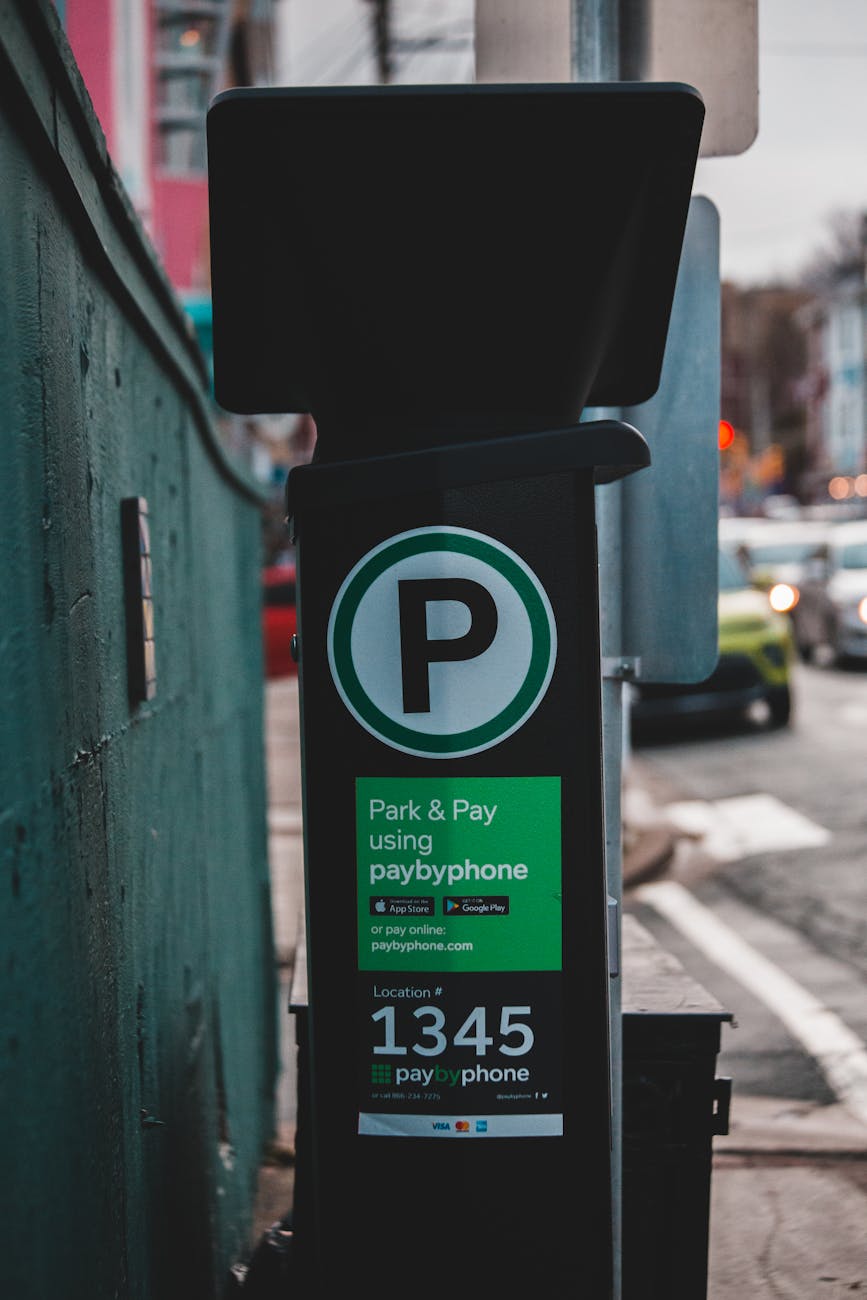
One estimate of the profit to be generated through the privatization of Chicago’s parking meters suggests this was a lucrative investment:

Photo by Erik Mclean on Pexels.com

In 2008, then-Mayor Richard M. Daley, with the approval of poodles on the City Council who failed to do due diligence, agreed to sell a 75-year lease on 36,000 parking meter spots for $1.16 billion to an entity that calls itself Chicago Parking Meters LLC and is made up of various parties including Morgan Stanley-related entities and, indirectly and also among others, the sovereign wealth fund known as the Abu Dhabi Investment Authority.

Daley also agreed to a whole series of tightwad rules that handcuffed the city when it came to removing meters for, say, special events such as outdoor dining, changing the hours of paid parking, or making any other changes that might result in less revenue for Chciago Parking Meters. In each and every case, Chicago has had to lay out more cash.

Why did Daley make this colossal error? He wanted to close a budget shortfall and thought that a private company could more easily jack up rates than an elected official likely to anger voters. And he probably believed that $1.16 billion sounded like a whole lot of money.

Wrong. Former Mayor Lori Lightfoot once told this board that the decision was one of the worst public policy mistakes in the history of municipal governance and she was absolutely correct. The investors, if that’s the right term, have recouped that amount within the first 10 years of that 75-year lease. They’ve now made hundreds of million dollars in additional profit. By the end of this deal, they are likely to have raked in a total of $9 billion. 

Urban parking can be a lucrative business, whether working with parking meters or having a parking lot or garage that later becomes a huge development project. Thus, imagine the money the city could have generated by treating the parking meters differently.

This reminds me of at least two bigger picture issues. First, infrastructure and public goods require a long-term view. In the short-term, selling the revenues from these meters may have helped close a budget loophole. However, lots of things can change over 75 years. Will the city need or want parking meters at that point? How much driving will there be? Would a shorter deal leave more flexibility?

Second, Chicago has relied on some public-private partnerships for decades to help keep the city moving forward. While this deal might not appear to be a good one for the city, other projects may appear to be good. How many projects have worked out well? Does the participation of the city or the use of the city’s resources make certain things possible?

I am guessing this deal will serve as an example for years to come. Hopefully some lessons are learned that could lead to some good.

“With America’s golden era of infrastructure construction behind us…”

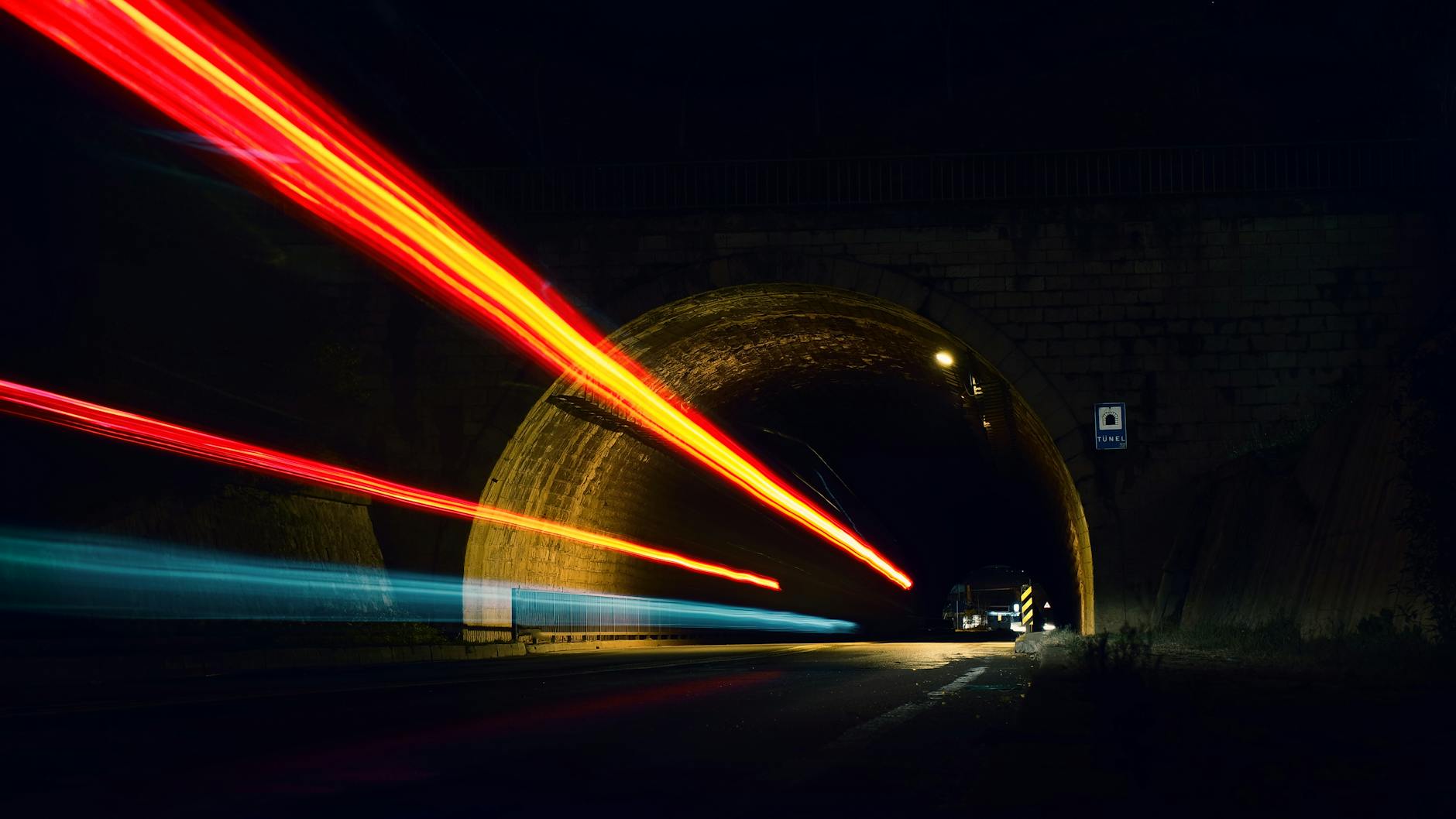
Repairing infrastructure and constructing new infrastructure is difficult these days (via the example of the Eisenhower-Johnson Memorial Tunnels on I-70 in Colorado):

Photo by Burak The Weekender on Pexels.com

The attention Fox is about to get is a perfect illustration of what researchers refer to as the invisibility of infrastructure. It’s only when infrastructure breaks, whether it’s a closed tunnel, a broken cell phone tower, or a delayed train, that the public seems to notice it exists. “Unfortunately, we usually take for granted when things work, and we don’t value maintenance as much as we probably should,” says Cristina Torres-Machi, an assistant professor of civil engineering at the University of Colorado Boulder. “But we also do that in our daily life. We only remember how good the dishwasher is when it’s not working.”

With America’s golden era of infrastructure construction behind us—a period which arguably began with New Deal public works projects in the 1930s and ended with the completion of President Dwight D. Eisenhower’s Interstate Highway System in 1992 just down the road in Glenwood Canyon—there’s been a shift in both academic thought and in practice at various levels of government to elevate infrastructure maintenance in the national consciousness, lest it arrive unbidden. In the Centennial State, there’s no better embodiment of this shift than the EJMT. It cost $262 million to build both bores between 1968 and 1979, or the equivalent of about $1.2 billion today. But calculating the cost of adding a third tunnel bore—something CDOT has identified as essential for alleviating congestion on the I-70 mountain corridor—isn’t as simple as adjusting for inflation. Modern environmental protections, safety standards, and construction techniques all drive up the costs of these massive projects, a serious problem considering the agency’s 2024–’25 budget is only $1.7 billion. When I ask how much a third bore would cost, Fox jokingly throws out a figure: $300 billion. Bob Fifer, CDOT’s deputy director of operations, echoes the sentiment…

The inability to green-light ambitious infrastructure projects is happening all over the country. Most of President Joe Biden’s lauded $1.2 trillion Infrastructure Investment and Jobs Act, for example, will go toward repairing or upgrading existing infrastructure instead of funding new projects on the scale of the EJMT. Even that $1.2 trillion is half of what the American Society of Civil Engineers estimates the United States would need to invest over the next decade to simply maintain its ports, electrical grids, bridges, and transportation networks in a “state of good repair.” “There is something kind of nostalgic [about the EJMT]—that they could gather the will and the funding and the common commitment to build these kinds of incredible engineering marvels,” says Steven Jackson, a Cornell University professor whose areas of study include the maintenance of infrastructure systems. “There’s some question if we even remember how to do that or know how to do it together anymore.”

Jackson agrees with Fox and Fifer that escalating expenses are a major reason grand public works like the EJMT aren’t often attempted anymore, but he also believes there could be a deeper, societal issue at play. “[Back then], there was a notion of government being a conduit for collective purpose that could gather and channel resources for projects like the tunnels, but it’s harder to see in our current moment,” he says. “The tunnels almost feel like relics of a bygone bipartisan world.”

So costs plus a lack of collective will means American infrastructure is in danger long-term? The solutions to these two issues would be to pay up and gather support among leaders and the public. Will more things need to break before action is taken?

But I wonder if there might be other options. Imagine new infrastructure that means older systems do not need to be maintained. New cost-saving measures. New needs for daily life.

Some of this is hard to imagine. The tunnels discussed above would no longer be needed because of what, flying cars or a hyperloop? Lead drinking pipes won’t need to be replaced because we will get water how, from personal devices that pull water out of the air?

At some point, the infrastructure issues will force a reckoning. Regular maintenance will help. But at some point, even well-maintained infrastructure might not be worth keeping given what else might be possible.

The endless search for water in the (fictionalized) origin story of Los Angeles

The movie Chinatown highlights the ways acquiring water helped Los Angeles grow and hints at what may need to happen for the city and region to keep growing:

Photo by Soly Moses on Pexels.com

If Chinatown’s ending forces the audience to sit in a feeling of hopelessness, it should also disturb anyone invested in Los Angeles’s future. The history of water in 20th-century California was defined by mammoth feats of engineering and an enduring belief that someone like Mulholland would eventually come along and enable the impossible. Each new dam or aqueduct only guaranteed the arrival of the next one—the population growth allowed by Mulholland’s aqueduct, for example, later resulted in L.A. tapping other water sources, such as the Colorado River. California has had a few good years of rain recently, but the long-term sustainability of the state’s water supply depends on collective conservation efforts: drastically reducing the amount of water used by Big Agriculture, moderating suburban tasks such as watering lawns, regulating the state’s groundwater.

“There is no more water to capture with big projects. There just isn’t. The future is really about much smarter water management,” Stephanie Pincetl, a UCLA professor who specializes in urban policy and the environment, told me. Conservation measures, she argues, are the way forward even if politicians wish they could stump for some grand technological innovation the way their 20th-century predecessors did: “The approach to the 21st century has to be a lot more subtle, a lot more place-based, and a lot more guided by the realization that water is a scarce resource, and so we need to treat it like a scarce resource.”

Finding water in Los Angeles, the Southwest, the West, and the United States more broadly may become more paramount in the coming decades. Which cities and regions would do well in competing for water? Would a lack of water in some places lead to growing populations in places with plenty of water?

While we are at it, why not tell more exciting stories in these categories:

  1. Origin stories of modern places. Take any of the big cities in the United States and put its origin story in a movie or a miniseries. How about the rise of Phoenix?
  2. It would be interesting to popularize more stories about water and other necessary resources in daily life. How about a thrilling tale about concrete? It is hard to imagine modern life without out. Or air conditioning. Can’t have a lot of the global development of the last century without it. Or salt. Where do we get all this salt in our daily lives from?

If Chinatown can entertain and inform about place, why not engage in more storytelling that explains where places have come from and where they might be going?

When major water pipes break in a major American city

Water is generally taken for granted in American cities and metropolitan areas. So when major pipes break in Atlanta, it has major ramifications:

Photo by Nithin PA on Pexels.com

Atlanta’s Department of Watershed Management announced water service would be halted at 5 p.m. Friday in much of Atlanta, including all of downtown, so crews can work to repair breaks on a 48-inch and 36-inch transmission line “that carries large volumes of water to the metropolitan area.”

Just after 2 p.m., the Watershed Management Department issued a boil water advisory “out of an abundance of caution.” The advisory affects any Atlanta water customers who have experienced a water outage or low water pressure. The order was still in place on Sunday afternoon, even though repairs were completed on the major break near Joseph E. Boone Boulevard. Other repairs were continuing.

More details on water main breaks and pipes in Atlanta:

The problems began Friday morning where three large water mains intersect just west of downtown. Wiggins said at a Saturday news conference that at least some of the pipes that burst were old and corroded. With pipes coming together in a confined area, it was a tight squeeze to make repairs, with only one worker at a time working in the manhole accessing the junction. Repairs were completed Saturday evening, officials said.

Another water main later burst in the city’s Midtown neighborhood, which is studded with new office, hotel and apartment towers. Wiggins said Saturday that officials weren’t sure yet why that pipe had broken. That leak continued to gush through the city streets Sunday. City officials said Saturday that they were working on ways to isolate the leak from the larger water system and were awaiting a part needed to repair to the pipe. Dickens declared a state of emergency so the city could buy materials and hire workers without following the normal purchasing laws.

Faltering infrastructure is a common story in older parts of American cities. Atlanta has spent billions in recent years to upgrade its aging sewer and water infrastructure, including a tunnel drilled through 5 miles of rock to provide the city more than 30 days of stored water. Last month, voters approved continuing a 1-cent sales tax to pay for federally mandated sewer upgrades. The city at one time routinely dumped untreated sewage into creeks and the Chattahoochee River.

What are the odds of multiple major breaks in one weekend? Is the best way to address this to completely update the system?

Vital infrastructure is not just built once and then runs forever. It needs to be maintained. Expanding regions and changing conditions may require major updates. Constructing these systems in the first place required a lot of work; keeping these systems fit for the future may require even more.

Some stories in recent years have drawn attention to urban water issues. Water problems in Flint. Lead pipes throughout Chicago. Drought in California. Addressing these issues might not be exciting but it is essential to current residents, let alone visions of a bright future.

I imagine there is some sort of story that already tackles this but what happens in a large city if there is no water for more than a few days. What happens? Who is prepared?

Sprint, acronyms, and building infrastructure along railroad lines

I recently learned that the company named Sprint had an acronym for a name:

Photo by Pixabay on Pexels.com

Sprint also traces its roots back to the Southern Pacific Railroad (SPR), which was founded in the 1860s as a subsidiary of the Southern Pacific Company (SPC). The company operated thousands of miles of track as well as telegraph wire that ran along those tracks. In the early 1970s, the company began looking for ways to use its existing communications lines for long-distance calling.[22] This division of the business was named the Southern Pacific Communications Company.[29] By the mid 1970s, SPC was beginning to take business away from AT&T, which held a monopoly at the time.[22] A number of lawsuits between SPC and AT&T took place throughout the 1970s; the majority were decided in favor of increased competition.[29] Prior attempts at offering long-distance voice services had not been approved by the U.S. Federal Communications Commission (FCC), although a fax service (called SpeedFAX) was permitted.[30]

In the mid-1970s, SPC held a contest to select a new name for the company.[31] The winning entry was “SPRINT”, an acronym for “Southern Pacific Railroad Internal Networking Telephony”.[31]

This is clever. The acronym also hints at the history of the company that was partially born out of railroad operations. The railroad made all sorts of notable changes to the American landscape: it increased the speed of travel for passengers and goods, it connected far-flung places, and it brought activity to new places.

It also enabled other infrastructure. In the case of Sprint, the same right-of-way that carried train traffic could carry messages via telegraph. This substantially increased the speed of communication. Today, we think very little of messages and texts and information flying across geographies in seconds. That same railroad that allowed speeds significantly faster than horses or humans also made space for bits and data to speed around the world.

Put another way, could the online and smartphone world we know today have happened without telegraph and phone infrastructure that provided foundational space for new technology to take advantage of? I do not know the answer to this question but Sprint and other telecom companies made use of existing infrastructure to help bring about new technologies.

Maintaining the undersea cables that keep today’s world humming

The Internet-enabled world of today might not be possible without having and repairing thousands of undersea cables:

Photo by Matt Hardy on Pexels.com

The world’s emails, TikToks, classified memos, bank transfers, satellite surveillance, and FaceTime calls travel on cables that are about as thin as a garden hose. There are about 800,000 miles of these skinny tubes crisscrossing the Earth’s oceans, representing nearly 600 different systems, according to the industry tracking organization TeleGeography. The cables are buried near shore, but for the vast majority of their length, they just sit amid the gray ooze and alien creatures of the ocean floor, the hair-thin strands of glass at their center glowing with lasers encoding the world’s data…

Fortunately, there is enough redundancy in the world’s cables to make it nearly impossible for a well-connected country to be cut off, but cable breaks do happen. On average, they happen every other day, about 200 times a year. The reason websites continue to load, bank transfers go through, and civilization persists is because of the thousand or so people living aboard 20-some ships stationed around the world, who race to fix each cable as soon as it breaks…

The world is in the midst of a cable boom, with multiple new transoceanic lines announced every year. But there is growing concern that the industry responsible for maintaining these cables is running perilously lean. There are 77 cable ships in the world, according to data supplied by SubTel Forum, but most are focused on the more profitable work of laying new systems. Only 22 are designated for repair, and it’s an aging and eclectic fleet. Often, maintenance is their second act. Some, like Alcatel’s Ile de Molene, are converted tugs. Others, like Global Marine’s Wave Sentinel, were once ferries. Global Marine recently told Data Centre Dynamics that it’s trying to extend the life of its ships to 40 years, citing a lack of money. One out of 4 repair ships have already passed that milestone. The design life for bulk carriers and oil tankers, by contrast, is 20 years…

“One of the biggest problems we have in this industry is attracting new people to it,” said Constable. He recalled another panel he was on in Singapore meant to introduce university students to the industry. “The audience was probably about 10 university kids and 60 old gray people from the industry just filling out their day,” he said. When he speaks with students looking to get into tech, he tries to convince them that subsea cables are also part — a foundational part — of the tech industry. “They all want to be data scientists and that sort of stuff,” he said. “But for me, I find this industry fascinating. You’re dealing with the most hostile environment on the planet, eight kilometers deep in the oceans, working with some pretty high technology, traveling all over the world. You’re on the forefront of geopolitics, and it’s critical for the whole way the world operates now.”

This is a great example of invisible infrastructure. How many Internet users each day think about the cables that support the system? I am guessing very few.

The article suggests the methods of repairing undersea cables resembles that of the first repairers of cables in the second half of the nineteenth century. Given our technological advances, are there quicker ways to do this? I imagine one reason these systems are still used is because they are considered economical. At what point do the cables go away in favor of a different system?

Updating a water tower, painting a smiley face on a water tower

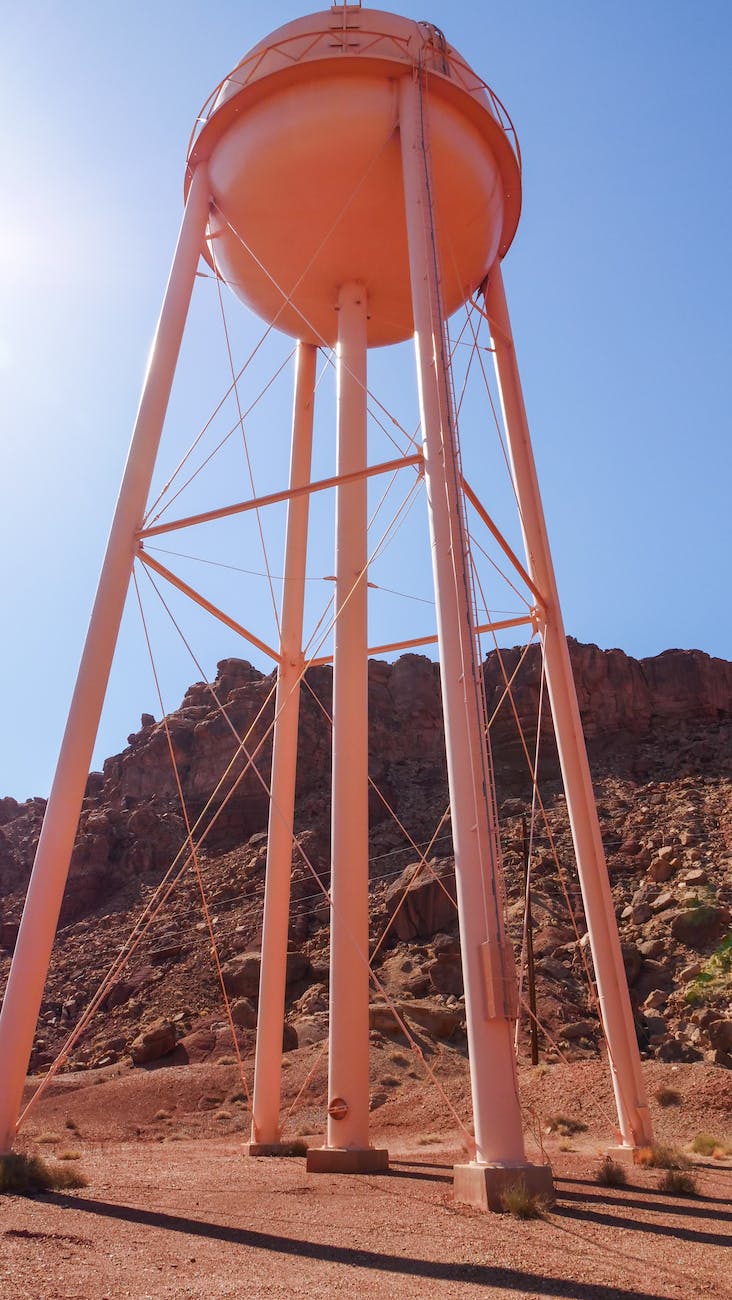
What is involved in upgrading a water tower? Here is one suburban example:

Photo by Kindel Media on Pexels.com

The project will include sandblasting the exterior and interior of the tower and applying new coatings inside and out. There also will be some landscaping work with new perimeter fencing.

The assessment also recommended foundation repairs, replacing the original valves, and installing new hatches, gaskets and a submersible mixer.

In addition to removing the tower’s outdated ladder system, workers will install new safety railing and fall protection equipment.

“We’re kind of excited for the face-lift that’s coming to the tower,” Patel said. “It does its job, but the paint job will make it more appealing for pedestrians downtown.”

Sounds good?

This did remind me of part of James Howard Kunstler’s TED Talk “The Ghastly Tragedy of Suburbia” where he discusses a unique water tower within American sprawl:

He says:

By the way, this doesn’t help. Nobody’s having a better day down here because of that.

We have at least a few water towers in the area that include the logo or motto of a suburban community. Why not use them as advertising? This is a different approach than painting a smiley face to presumably attempt to improve people’s days or help them feel better about infrastructure.

The optimal weather for infrastructure is probably not Chicago’s

Imagine the best weather for infrastructure. It is probably not the four seasons of weather in the Chicago region:

From the State Climatologist Office in Illinois:

Chicago lies midway between the Continental Divide and the Atlantic Ocean, and is 900 miles north of the Gulf of Mexico. Chicago’s climate is typically continental with cold winters, warm summers, and frequent short fluctuations in temperature, humidity, cloudiness, and wind direction. Many consider the more moderate temperatures of spring and fall to be the most pleasant. Lake Michigan provides a moderating influence on temperature while boosting the amount of snowfall received in the city.

Such fluctuations in the Chicago region lead to potholes, closures of airports and roads plus delays, flooding, and pressure on systems at both the hot and cold ends of the temperature spectrum. Coming out of a major snow storm and heading into several days of subzero temperatures, some of everyday activity is disrupted but mostly life goes on. Humans have developed systems and practices that make it possible to live in many different conditions.

What might be ideal? How about a place with more consistent temperatures, few storms, and no flooding? I am sure there are locations in the United States that meet this more than others. Everywhere else, people and systems adapt.

Modern infrastructure that makes everyday life possible is remarkable enough in addition to adaptability to different climates and making repairs when local conditions make it difficult.