Last night, I drove home from church over a stretch of road I have traveled hundreds of times in my life. The road passes by suburban low-rise office buildings and businesses, houses, and open fields. On this warm and humid night, I drove with the windows open, smelling the different contexts as air flowed through the car.
This common driving experience may be how Americans regularly experience places. At speeds from 25 mph to 75 mph, we use a network of roads and highways to get where we want to go. We see driving as offering independence and we advertise it as an enjoyable experience.
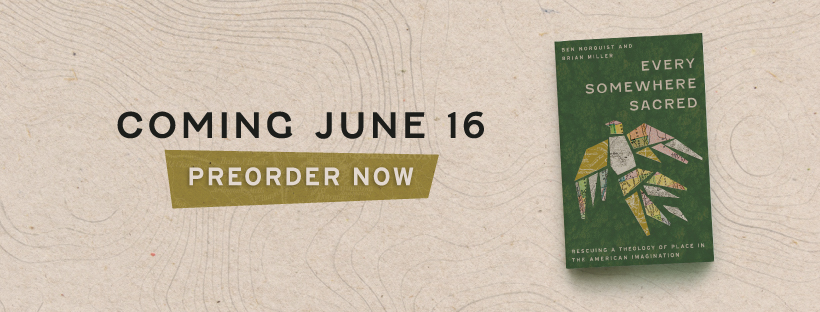
In Every Somewhere Sacred (out June 16), Ben Norquist and I discuss how Christians can exercise our imaginations to tell better stories about land and places. And I’m not sure driving does much to further our imaginations of how God has acted, is acting, and will act in and through places.
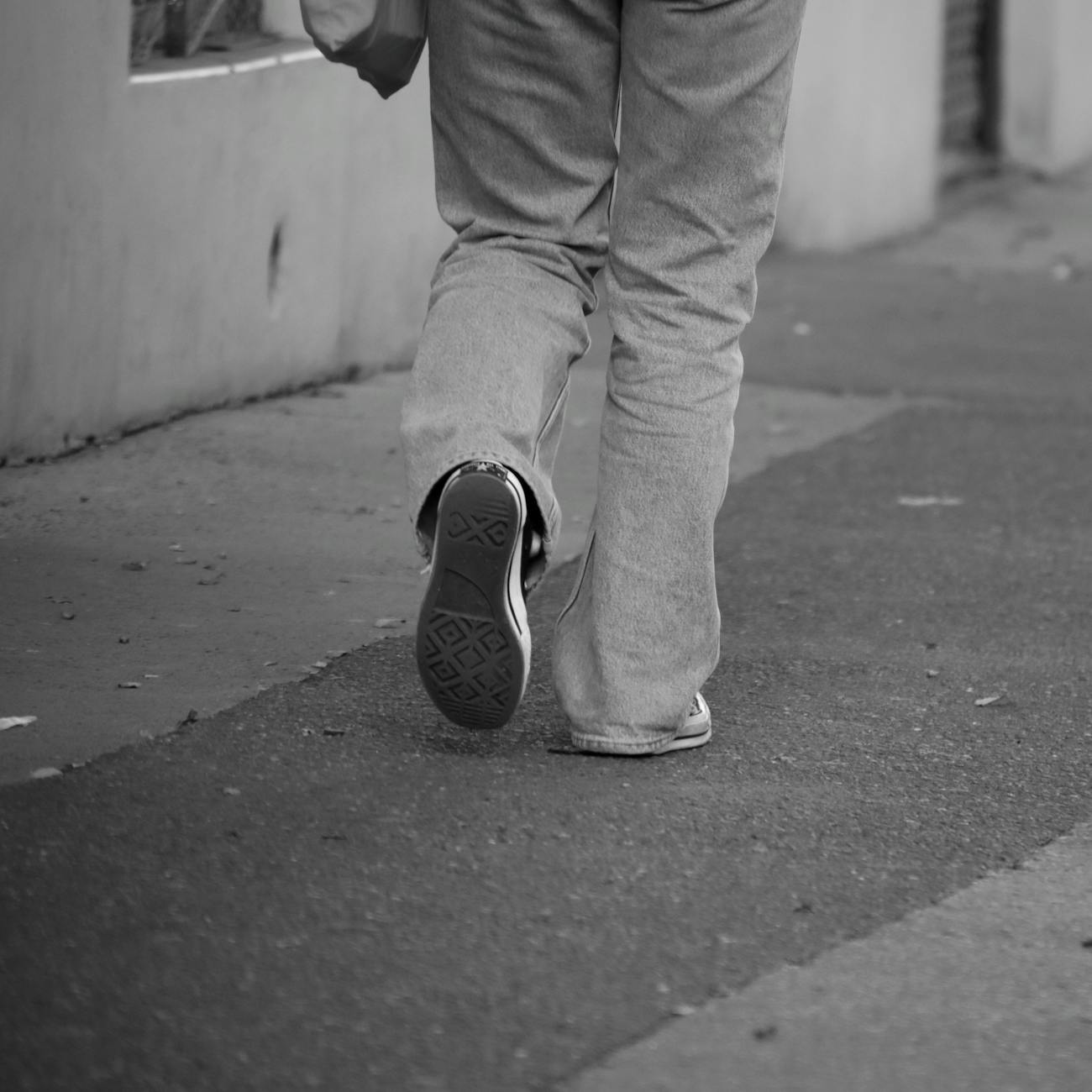
That is why I would recommend walking as a great means to get to know a place. Using the bipedal locomotion humans have used throughout history, we can better see, hear, touch, and smell places. Walking limits our speed. It pushes us to consider our own physical bodies as we interact with other physical creations. it gives us space and a rhythm to consider what is happening around us. It gives us the same opportunities that many before us have had, including Adam and Eve walking through the Garden of Eden or the freed people of God walking out of Egypt or Jesus walking the shores of the Sea of Galilee or in Nazareth. Before people wanted to get in 10,000 steps a day or stuck in their ear buds while walking, they used their feet to move in and near their homes and communities.
I did not always like walking. As a kid, I would have preferred to be inside reading or watching sports compared to being outside. But not only is walking necessary at times (even in our car-dependent society), it can be enjoyable. For example, I walked to and from my high school numerous times. Often I had headphones on, listening to new music I discovered or to a Cubs game. The walk took about 20 minutes. As I walked the same route over and over, first around 7 in the morning and later around 3:30 in the afternoon, I started noticing things. How one big field next to the railroad tracks changed over the course of the year. I observed people and houses as I passed. I could see differences between neighborhoods built in different decades.
I try to walk regularly now. I have some set paths near my house as well as around my work. I enjoy walking in big cities, suburbs, and more rural or wild areas. I have walked alone, with people, in crowds, and with dogs. The simple, repeated action of walking has helped expand my imagination for what God is already doing in and through land and places.