Local control is essential to understanding American suburbs

The mayor of Naperville thanked the City Council for not supporting a proposal that regional transit authorities could develop land within half a mile of train stations. He explained his opposition this way (via his Scott Wehrli for Naperville Facebook page):

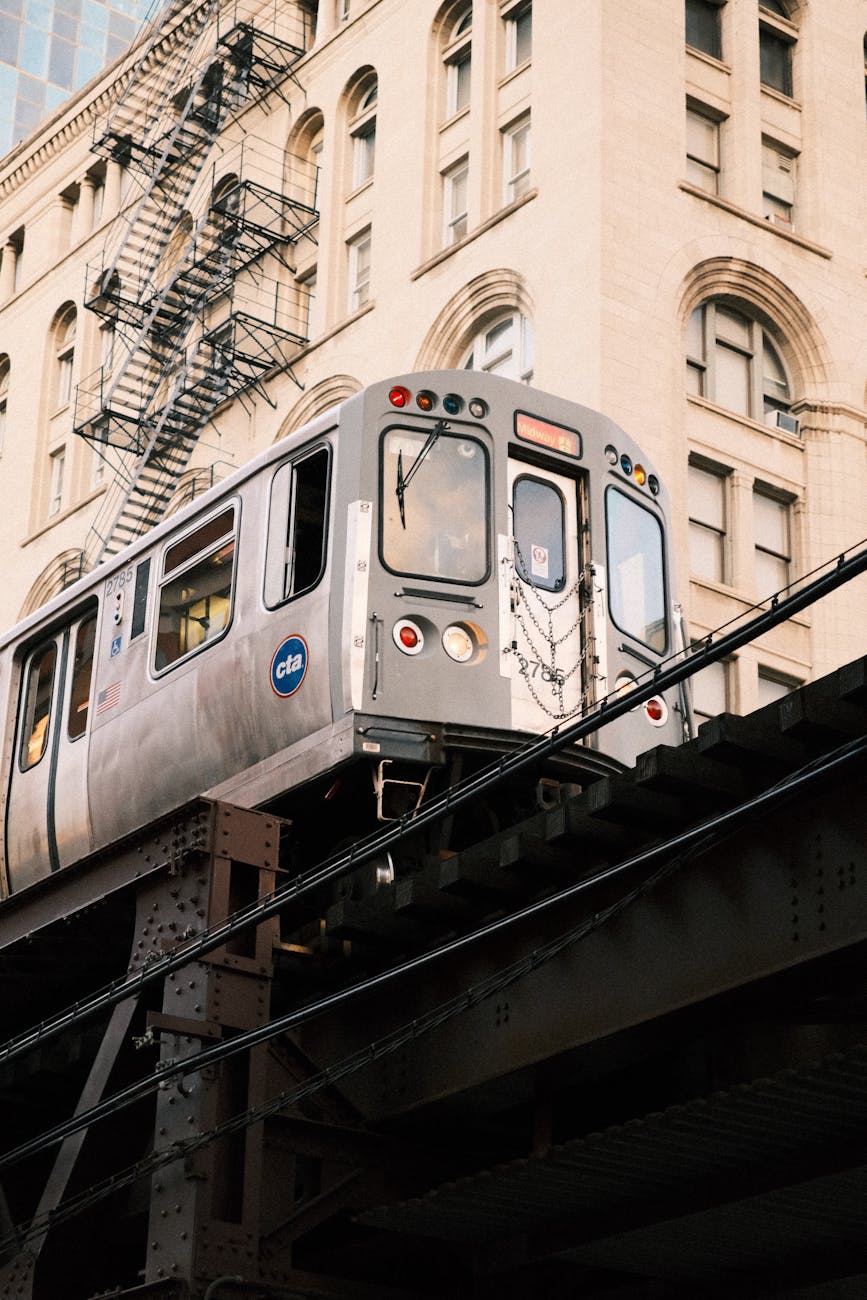
Photo by cottonbro studio on Pexels.com

I’m proud of our City Council for standing together in opposition of this legislation that would give transit agencies the power to control development within a half-mile of our train stations—taking that authority away from the local officials you elected.

In Naperville, development decisions should be made by our community, through our City Council, not by transit agencies in Chicago. Local control has always been the foundation of our city’s success, and we’ll continue to protect it.

This is a good example for why I included local control as one of the seven reasons that Americans love suburbs. Suburban residents and leaders want to be able to make decisions about local land and monies as they see fit. They can resent when decision-making involving their land and money takes place elsewhere, particularly if it goes against what the suburban community wants or is perceived to be a threat to an established way of life.

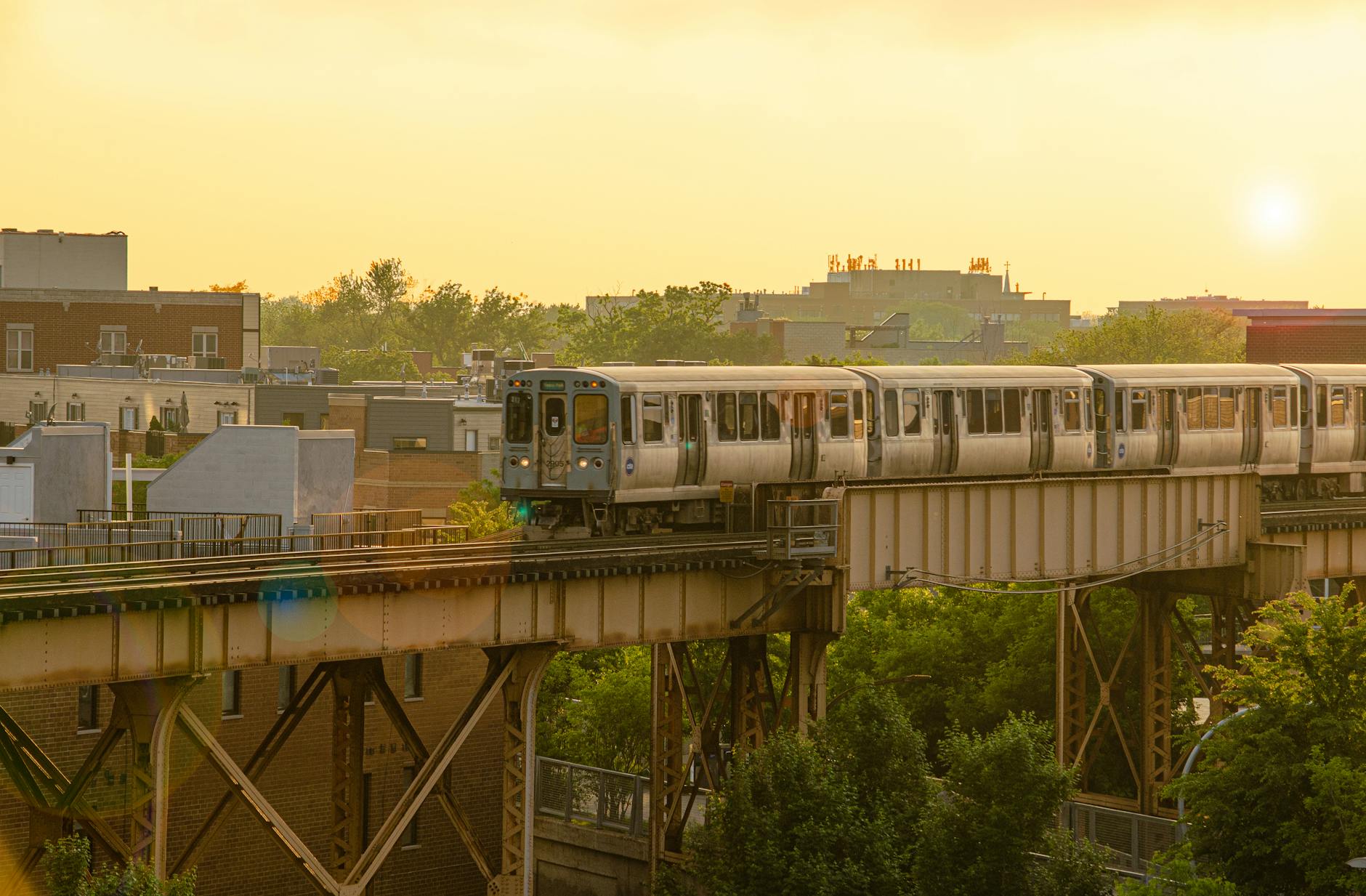
This particular case involves transportation and land development. A popular idea in numerous cities and suburbs is to construct transit-oriented development which often involves higher residential densities adjacent to mass transit stops and a reduced number of parking spaces required. A number of Chicago suburbs have pursued this in recent decades; trains going in and out of Chicago pass apartments and condos in suburban downtowns.

But the key for many of these suburbs is that they made these decisions regarding development around train stations. These conversations often included debate about the size of new buildings and the number of units involved. How tall is too tall for a suburban downtown? How many units will be erected? What is the target population for these new developments?

Leaders and residents in Naperville and suburbs across the United States might pursue denser development near mass transit but they want to make the decision and steer development in ways they feel is consistent with the existing character and footprint of their community.

(I would also argue that local control is closely linked to the other six reasons Americans love suburbs.)
Why the CTA could not easily remove “ghost buses”

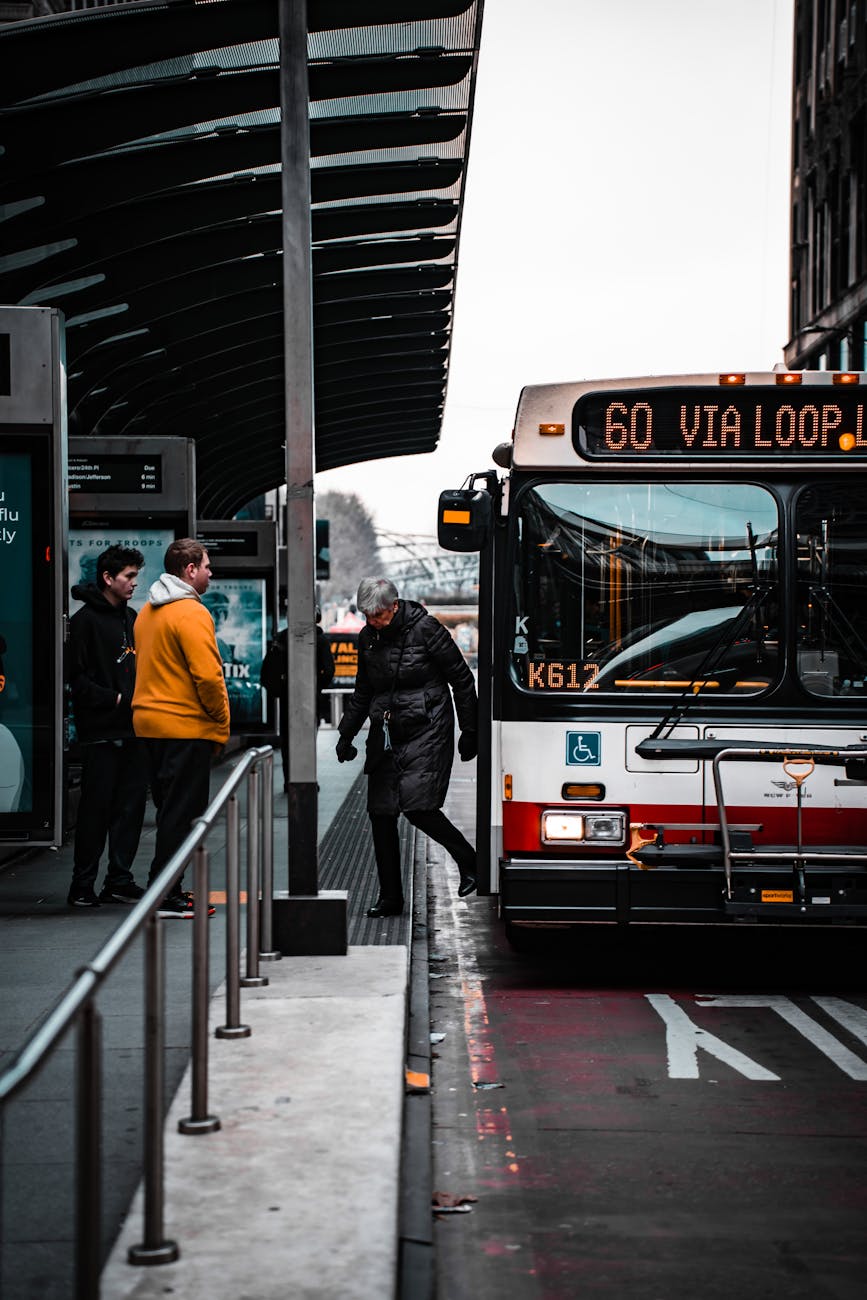
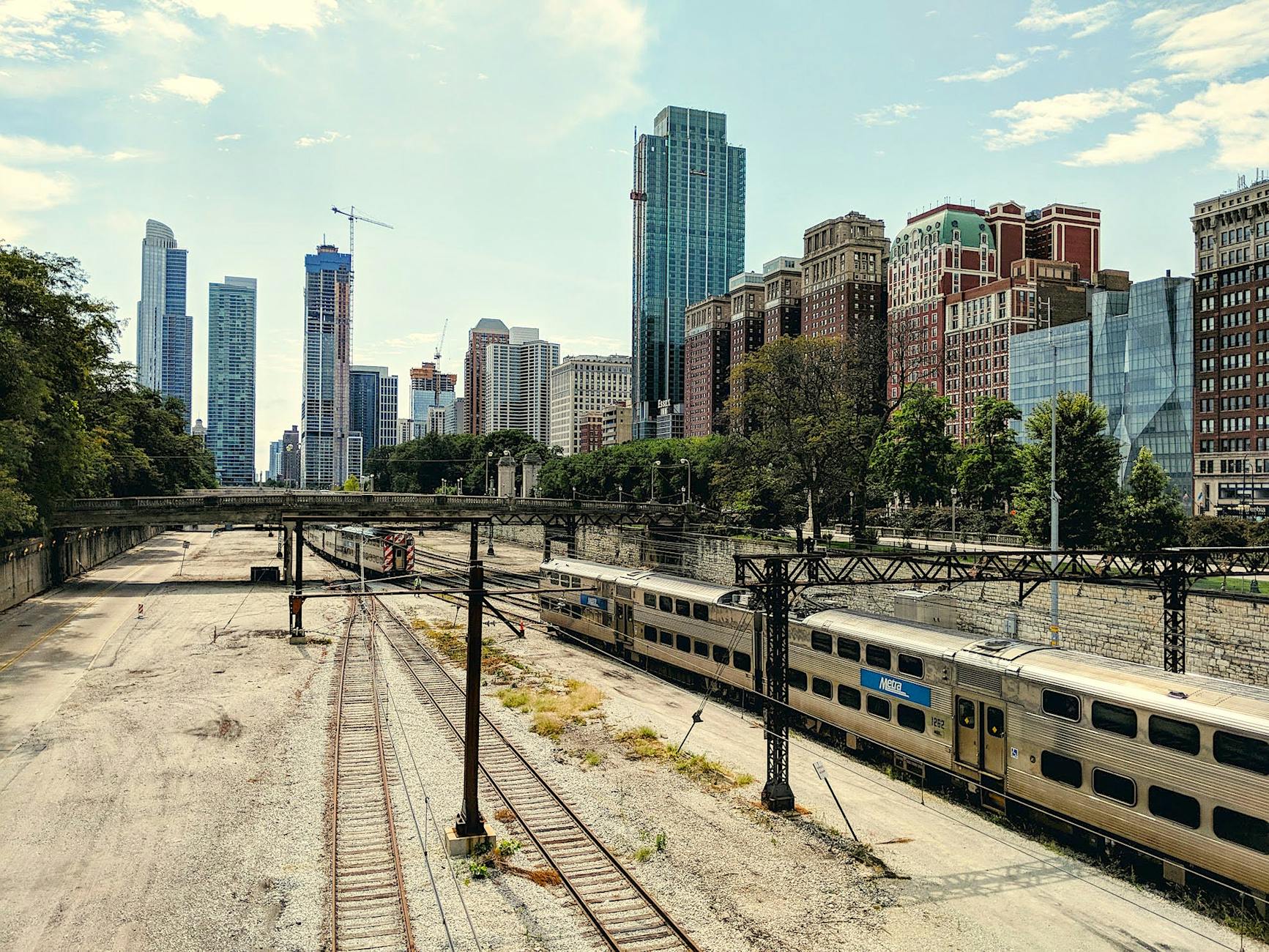
The Chicago Transit Authority hopes it has eliminated most “ghost buses” and “ghost trains” in apps that rely on its data. Why did it take a while to get to this point?

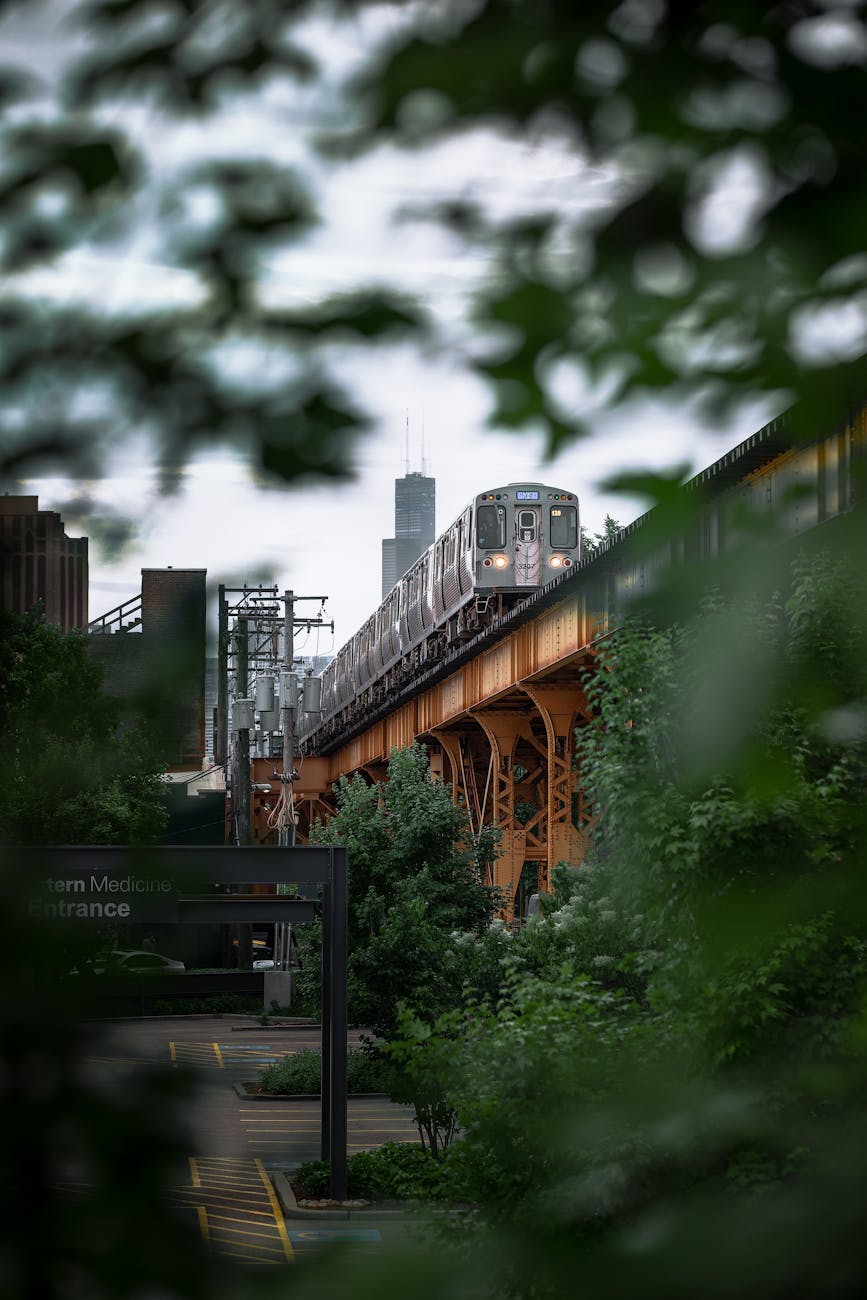
Photo by NHP&Co on Pexels.com

The updated tracker system is an additional step in CTA’s effort to eliminate “ghost buses.” The phenomenon was widespread shortly after the COVID-19 pandemic, when the CTA suffered a shortage of operators and was running fewer buses and trains than were scheduled.

At the time, the CTA explained that ghost buses were rampant because CTA had no technical way to remove the scheduled buses that were never expected to run due to short staffing. Those unstaffed buses could only be removed twice a year, when the CTA was allowed by its union contracts to updates its bus timetables.

Now, the CTA says it has mostly resolved the staffing issue, and therefore fixed a lot of the scheduled but canceled buses that show up on online bus trackers. The agency has more bus operators than it did before the pandemic, and the CTA has nearly as many train operators as before, according to the agency’s public data dashboard.

In June, the CTA ran 98.8% of its scheduled buses and 88% of scheduled trains, according to agency’s dashboard…

The CTA says its next step in further eliminating ghost buses is to update its systems to reflect bus detours and reroutes with transit apps.

I would have guessed that the CTA would have tracked trains and buses with GPS trackers. The internal data and apps would then reflect where vehicles were at that current moment. This is what apps like Uber or Lyft offer; you can see vehicles moving around in real time.

It sounds like this system worked with scheduled trips and then could not adjust if the bus or train was not there. Is there not the ability to see CTA routes in real time? Or do they not want to share that data?

It would be interesting to hear more about how this system developed. Decades ago, how did the CTA keep track of all of their routes? Was there some massive command room where a team of people updated maps and then helped make decisions about changes?

When mass transit is or is not for suburbanites

As Illinois politicians debate what to do about multiple mass transit agencies in the Chicago region, a group of suburban mayors weighed in:

Photo by Constanze Marie on Pexels.com

The Suburban Mayors Coalition for Fair Transit criticizes new taxes proposed in a bill approved by the state Senate to avert a $771 million shortfall facing Metra, Pace and the CTA in 2026.

A $1.50 delivery fee on online orders, excluding groceries and medications, dubbed the “pizza tax” is “regressive, (and) disproportionately burdens low- to moderate-income families,” officials said.

Mayors also panned expanding a real estate transfer tax from Chicago to the suburbs, and allowing the new Northern Illinois Transit Authority to acquire or develop land near train stations for projects such as condos with retail space.

That concept would strip away power over zoning and parking from municipalities and give it to an nonelected board, they argued.

Three major issues seem to be at stake for suburban officials:

  1. Taxes and funding. Will more funds be raised from the suburbs? Will that tax money then be sent in ways that benefit suburban communities and residents?
  2. A loss of local control. More taxes affecting local residents imposed by other government bodies. Not having complete control over local land.
  3. Representation on the board that would oversee a new regional transit agency. How many suburban officials should be there? Should it be evenly balanced between suburban and Chicago interests?

All of this gets at a major reason suburbanites like the suburbs: they like local control. They generally do not like the big city dictating what will happen. They want what they think is best for their suburban community.

Perhaps this is elsewhere in the letter but it strikes me what is missing is a sense of how regional mass transit could be used by suburbanites and improve suburban life. Take the issue of suburban traffic: single communities cannot often address these issues as suburban residents commute from suburb to suburb. Could mass transit help? Or could mass transit help provide suburban residents access to more jobs and housing opportunities?

If the funding and representation issues were worked out, would a majority of suburban communities then want a regional mass transit agency? How many would be interested in more mass transit present in their communities?

Is mass transit best pitched to Americans through comparisons to places where it is plentiful and works well?

Many Americans and American communities have resisted using mass transit or devoting more money to mass transit. In reading a recent pitch for Americans to prioritize it more, I was struck by one line of argument: describing places where it worked well. Might this help convince people?

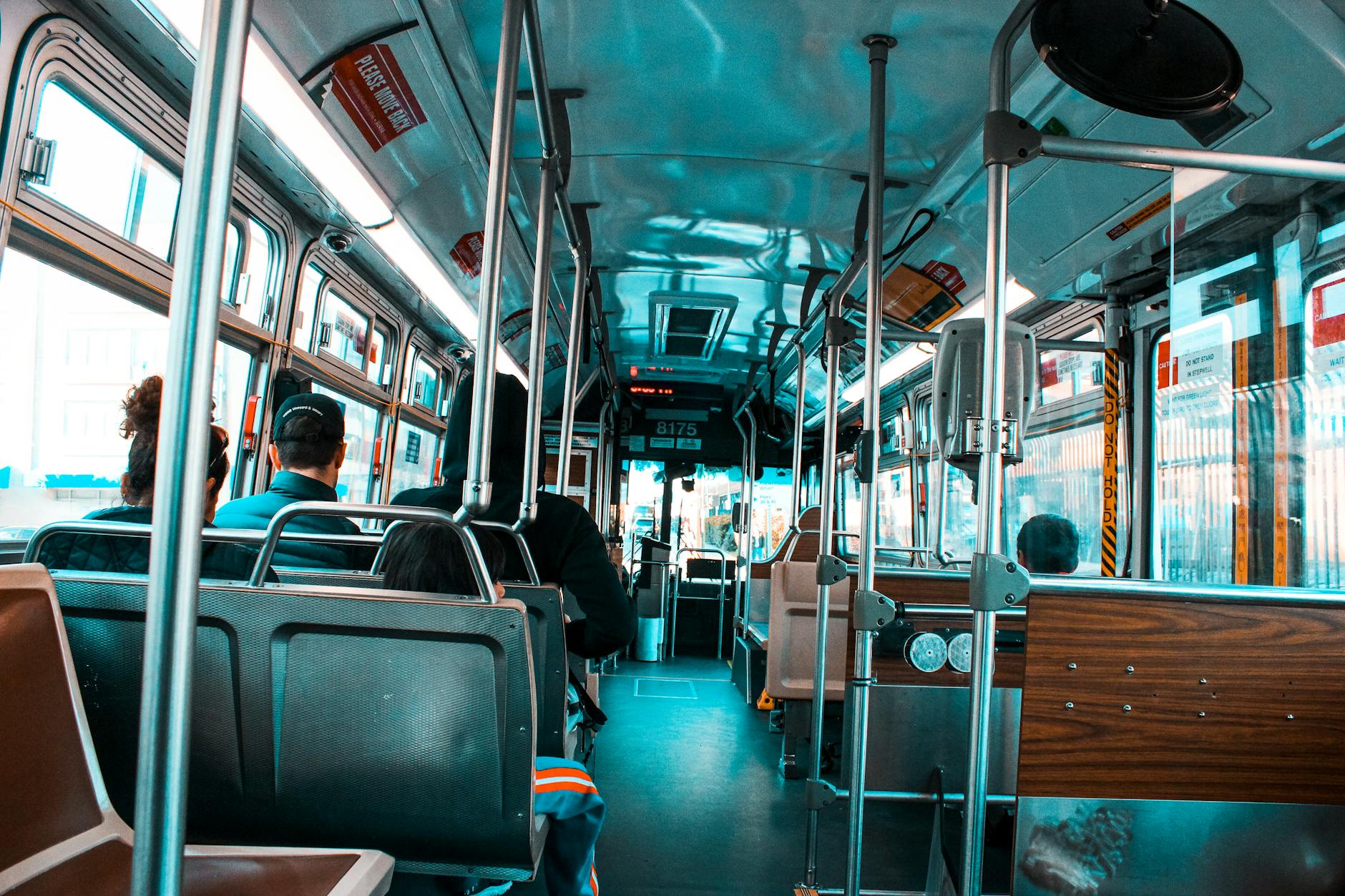
Photo by Alec Adriano on Pexels.com

The discussions of the possibilities and perils of mass transit in the Chicago region included these comparisons. First, a contrast to another American city:

One of my stepdaughters recently relocated to Atlanta and returns home with a greater appreciation of our transit system.

A sprawling region like Atlanta can highlight how places with more transit in place – like Chicago – are appealing.

Second, comparisons to other major cities shows how far Chicago and other American cities can go:

“My wife had to go to Japan for work earlier this year. She was blown away that the train was 20 seconds behind schedule and how effusively the people apologized for it. I’m like 20 seconds?” Buckner said.

On vacations, Buckner subjects family to his transit nerdiness. Istanbul’s train terminal has a library inside. London has one of the best in the world. Beijing’s rapid transit is top-tier. Paris’ is fantastic. Seamless, quick and clean.

There are all world-class cities, like Chicago. If have efficient and elegant mass transit, why shouldn’t Chicago?

One issue might be whether a sufficient number of Chicagoans have been to these places. How many have gone to Atlanta, driven around the metro area, and found the traffic and experience worse than getting around Chicago? Or gone to Beijing or Paris and used the mass transit.

Another issue is that these comparisons may resonate and still pale to the issues of mass transit in Chicagoland or the liking people have for driving.

Overall, it appears to be hard to convince Americans to move away from driving. Whether they deeply like it or not, it is often the default after decades of policy decisions, cultural narratives, and choices made by numerous actors,

In a metropolitan transit system, should the city or suburbs get more votes?

As actors in the Chicago region consider the possibility of consolidating multiple transit agencies, the issue of voting members came up:

Photo by Alex Qian on Pexels.com

The MMA would have three directors appointed by the governor, five by Chicago’s mayor, five by the Cook County Board president and five by the chairs of the DuPage, Kane, Lake, McHenry and Will county boards.

Republican Rep. Dan Ugaste of Geneva said, “what’s very important to us in the collar counties and probably in some suburban Cook, as well, is how is this going to work? If we’re talking simple majorities, once we get to the voting structure — that’s going to effectively allow all these five other collar counties to be silenced if Cook and Chicago work together.”

Democratic state Rep. Eva-Dina Delgado of Chicago, who is sponsoring the MMA bill, countered that “for a long time it has been city versus suburbs. We have to change our mindset around that, as well, and see this as a regional issue.”

There could be many different ways to figure out the formula for the number of votes from each part of the region. Some options:

  1. Equal number of suburban and city votes, meaning an equal number from Chicago and equal number from the suburbs (with some way of figuring out which suburban areas are represented).
  2. More votes from Chicago compared to the suburbs. City residents may use transit more.
  3. More votes from the suburbs compared to Chicago. There are many more residents overall in the suburbs compared to the city.
  4. Wild card: more appointees at the state level than either local interests such that the governor or state leaders retain control over which way votes might go.

Beyond the complications of local Illinois politics, the broader issue is that American cities and the suburbs around them do not always see eye to eye on transit and other regional issues. If either side feels that they have to “win” this portion of the negotiations, does this limit what can be accomplished? Or if one side does not really want to participate but also may not want to be locked out of the political process, where does that lead?

The diamond interchange advances in the Chicago region

A new diamond interchange, the fourth in Chicagoland, just opened in the southwest suburbs of Chicago:

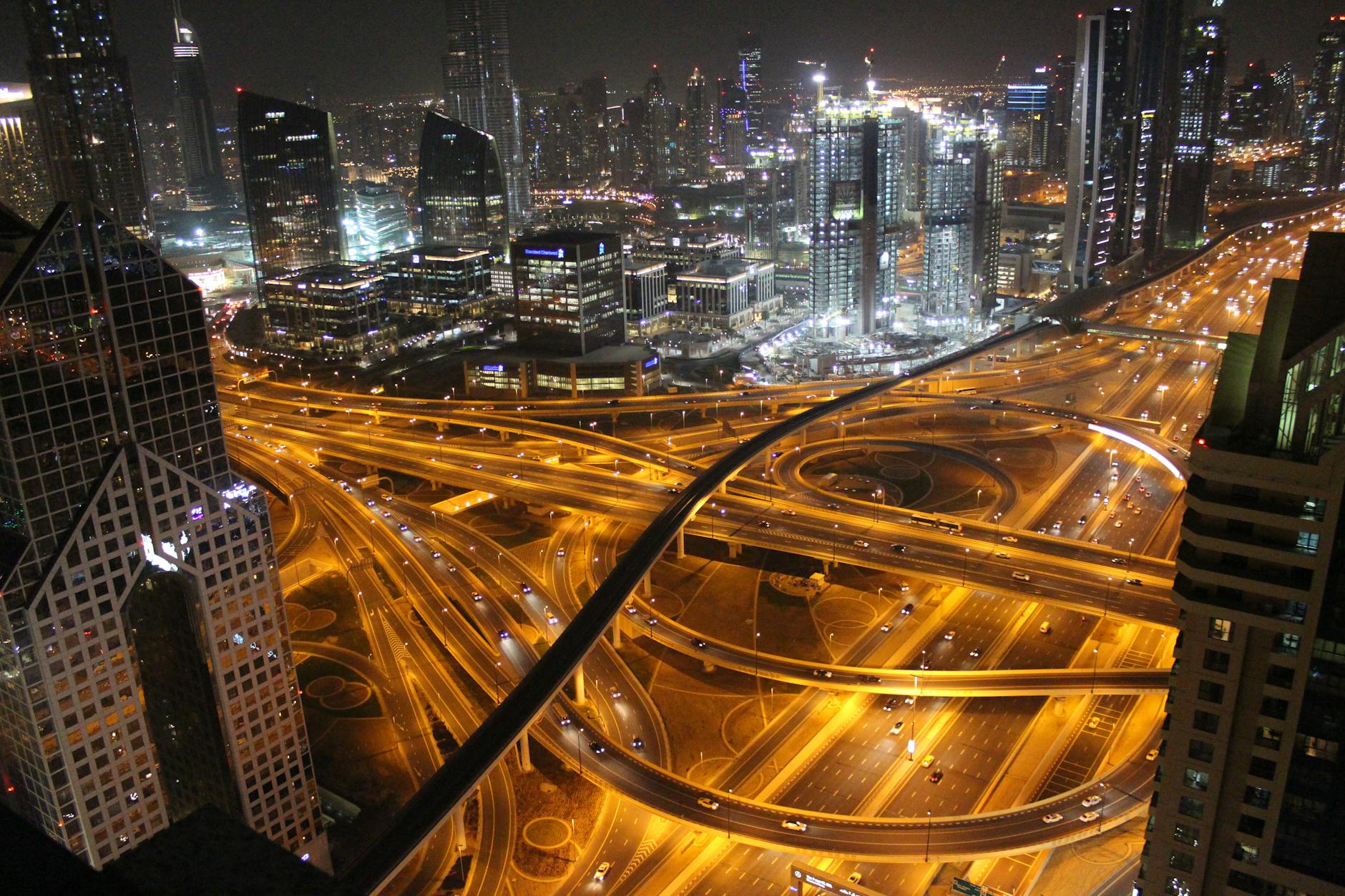
Photo by ben neale on Pexels.com

Illinois Department of Transportation leaders unveiled a new diverging diamond design they predict will expedite travel for drivers on the interstate and local roads…

“The modern design is a proven solution to improve safety and traffic flow in a busy area like where we are today,” IDOT Secretary Omer Osman said…

The interchange dovetails with Rock Run Collection, a major Will County development that will include housing, retail, restaurants, offices, and the relocated Hollywood Casino Joliet…

A diverging diamond has a smaller footprint than conventional cloverleafs and is cheaper to build.

Innovation to keep all the vehicles moving smoothly between interstate and a local major road.

What other major roadway changes could help speed up traffic and increase safety? Adding lanes does not necessarily speed up traffic. The Chicago region has plenty of left-turn on green signal only lanes that help reduce certain crashes. Protected bike lanes are only found in a few denser places.

Is the answer in better vehicle technology? Vehicles that talk to each other and/or driverless cars? Smaller or lighter vehicles?

Another possible solution is to reduce the amount of driving. This could be hard in sprawling suburban areas, like where these diamond interchanges are located. Introducing more mass transit options in the region is possible but it is costly, is harder to implement in the suburbs, and it might not find favor among residents.

The drivers at this busy interchange may come to appreciate their new diamond among the asphalt. Others may want to wait for more innovation that improves travel through suburbia.

Imagining a car-free Los Angeles and using the coming Olympics to move that direction

The city of Carmageddon is interested in hosting a 2028 Summer Olympics with little car use:

Photo by KEHN HERMANO on Pexels.com

“A no-car Games,” she said.

Doubling down on something she discussed with The Times in April, Bass told reporters at the 2024 Paris Olympics that she envisions expanding public transportation to a point where fans can take trains and buses to dozens of sports venues, from Crypto.com Arena downtown to SoFi Stadium in Inglewood to the beaches of Santa Monica.

“That’s a feat in Los Angeles — we’ve always been in love with our cars,” she said at a news conference Saturday, adding that people “will have to take public transportation to get to all the venues.”

The LA28 organizing committee — a private group charged with staging the Games — prefers to say it is planning a “public-transit-first” Games. Some venues will have ample parking, others will not. Organizers say no one will be told they cannot drive to a competition, but public transportation might be an easier option.

This is a bold vision in a city and region famous for driving, highways, and sprawl. The realism is okay too; trying to do this all in 4 years is a tall task.

But why stop at the Olympics and that several week window? Why not imagine a Los Angeles in ten or twenty years that relies much less on cars? Why not pursue some of the same strategies – working from home, staggered work schedules, more buses – with additional strategies – more mass transit options that do not involve roads, ban planning that does not just keep adding lanes, etc.?

Even if these efforts require the long view and a large amount of resources, the time to start is now. Developing needed infrastructure is costly but pays off down the road. What if the lasting legacy of the Olympics in Los Angeles was not property or stadiums that people do not know what to do with (a common issue in recent Olympic cities) but a new approach to the streetscape and getting around?

Keep driving – just do so on a green highway

Will it be even easier to justify driving in the future if it done so on roadways that emphasize sustainability and community life?

Photo by Lina Mamone on Pexels.com

URB has released conceptual designs for a 64-kilometer-long highway that would see Sheikh Mohammed Bin Zayed Road, one of the city’s main traffic belts, transformed into a “Green Spine,” complete with autonomous, solar-powered trams and smart traffic management…

The autonomous solar-powered tram is just one aspect of the proposed highway’s transport system: above the tram line, a network of green areas, parks and overpasses would increase connectivity and walkability of the city, which is currently tough to navigate on foot.

The highway would also integrate smart technology, such as “internet of things” (IoT) sensors, to manage traffic and optimize energy use.

Bagherian’s designs allow for 300-megawatt solar panels and a storage system to be embedded in the tracks, that would power the tram line, as well as generate clean energy for an estimated 130,000 homes.

And the green spaces — including parks and community gardens — would provide space for one million trees, which would also help cool the city and improve air quality.

Does making driving greener and roads less invasive in communities make driving more palatable to critics? A number of critics want to reduce driving all together for a variety of reasons including reliance on fossil fuels and changing the scale of communities from human oriented to moving heavy boxes quickly and efficiently.

Perhaps this sort of approach is pragmatic. It might be very difficult to get rid of cars and vehicles. Transitioning to alternative fuels will take time. Cars have some advantages compared to other transportation options. Reducing the impact of vehicles could be the way to go: the vehicles keep moving but they are less visible and less disruptive.

I would not be surprised if driving continues at similar volumes in the future and roadways are transformed in ways that mean they do not just serve the vehicles traveling on them.

“We need to make the case for public transit to the general public”

According to one elected official, hearings held by the Illinois State Senate regarding the possibility of merging multiple Chicago region transit agencies include this task:

Photo by Jakob Scholz on Pexels.com

“Our No. 1 priority is we need to make the case for public transit to the general public,” said state Sen. Ram Villivalam, the committee’s chair. “We need to make sure that we’re building a transit system for the year 2050 and not just plugging a hole.”

This could be a difficult sell throughout a metropolitan region for multiple reasons. Here are a few issues suburban residents might raise:

  1. Those with the ability to do so would often choose to drive.
  2. Will mass transit be on time and what happens if it is not?
  3. Does this mean the money that goes to mass transit will be taken away from roadways?
  4. Who will be using mass transit?
  5. Will we see the money we contribute in taxes in services we will use?

These are broad issues on top of the particular issues the Chicago area and Illinois face, including budget issues, residential segregation, a history of separate agencies, and wrangling between different levels of government.

That said, a sustained case made for Chicago area mass transit would be interesting to see and hear. Would suburbanites pay more attention if mass transit could limit traffic and congestion? How about if it provided cost savings compared to driving (time, gas, maintenance, insurance)? How about transit opening up other local amenities (such as transit-oriented development to help address housing concerns)? Efficiencies in government operation? The ways mass transit can enrich the entire region? I do not know if such campaigns have been tried in the past but starting now could help provide for a healthier region decades down the road.

Moving toward Illinois legislation to merge metropolitan transit agencies

Limited budgets. Lots of traffic. Multiple regional actors, including city and suburban officials. A legislative process plus backroom conversations. All of these are involved in developing a proposal for merging Chicago area transit agencies:

Photo by Mike Wojan on Pexels.com

The proposal is part of a broader look at transit funding, as the region’s public transit agencies face a combined $730 million budget hole once federal COVID-19 relief funding starts running out, which could be as soon as 2025. Transit agencies have warned failure to plug the financial hole could lead to catastrophic service cuts and fare increases, and the Chicago Metropolitan Agency for Planning was tasked by the Illinois General Assembly with developing recommendations to overhaul transit, which were delivered to lawmakers in December.

The decision to introduce legislation is a signal of how some lawmakers and civic organizations want to proceed. Already, the transit agencies have sought more state funding, while the civic organizations and lawmakers say funding must be linked to changes to the way transit is overseen. But debate about consolidating the transit agencies and funding could prove thorny in Springfield.

Still, merging the transit agencies has garnered some support. The Civic Federation, a business-backed Chicago watchdog group, recently endorsed the idea, and Cook County Board President Toni Preckwinkle also previously expressed her support for the concept…

The proposal set to be introduced this week in Springfield is expected to replace the Regional Transportation Authority, which coordinates financing for the agencies, with a new Metropolitan Mobility Authority. The new agency would oversee the operation of buses, trains and paratransit, rather than having the CTA, Metra and Pace each operate their own services.

The proposal would revamp the number of board members on the new agency and who appoints them. The current system is complex and layered, regional planners have pointed out, with 47 board members across the agencies appointed by 21 elected officials. That has given nearly two dozen state, suburban and city officials varying levels of influence on the transit boards.

There is a lot to be worked out. No one community can address this issue. Even if the big city in a region has a great system, that city does not stand alone as people and business moves throughout the region. Indeed, in many regions, many of the jobs and much of the activity takes place in the suburbs where driving is even more prominent. Thus, I am in favor of this if it can improve transit options, create budget efficiencies, and help the region plan for the future.

One outcome is consistent in postwar era in the United States: we tend to get more roads and increasing traffic. In many regions, there are multiple competing interests regarding transportation. Do suburbanites want mass transit lines? What infrastructure already exists? Who controls the budgets? What political processes do ideas and plans need to work through? In a country devoted to driving, it can be hard to promote alternative options.