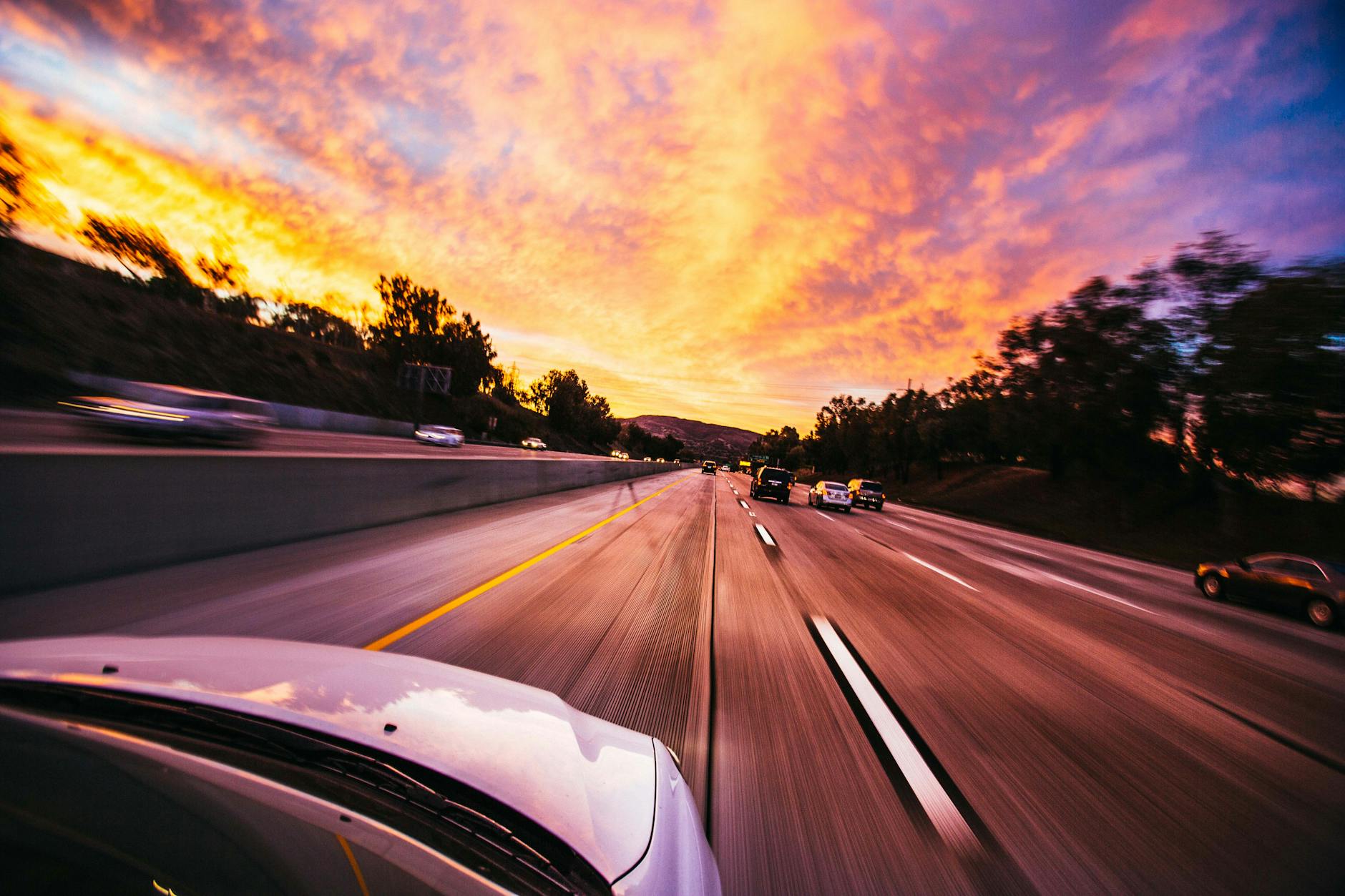
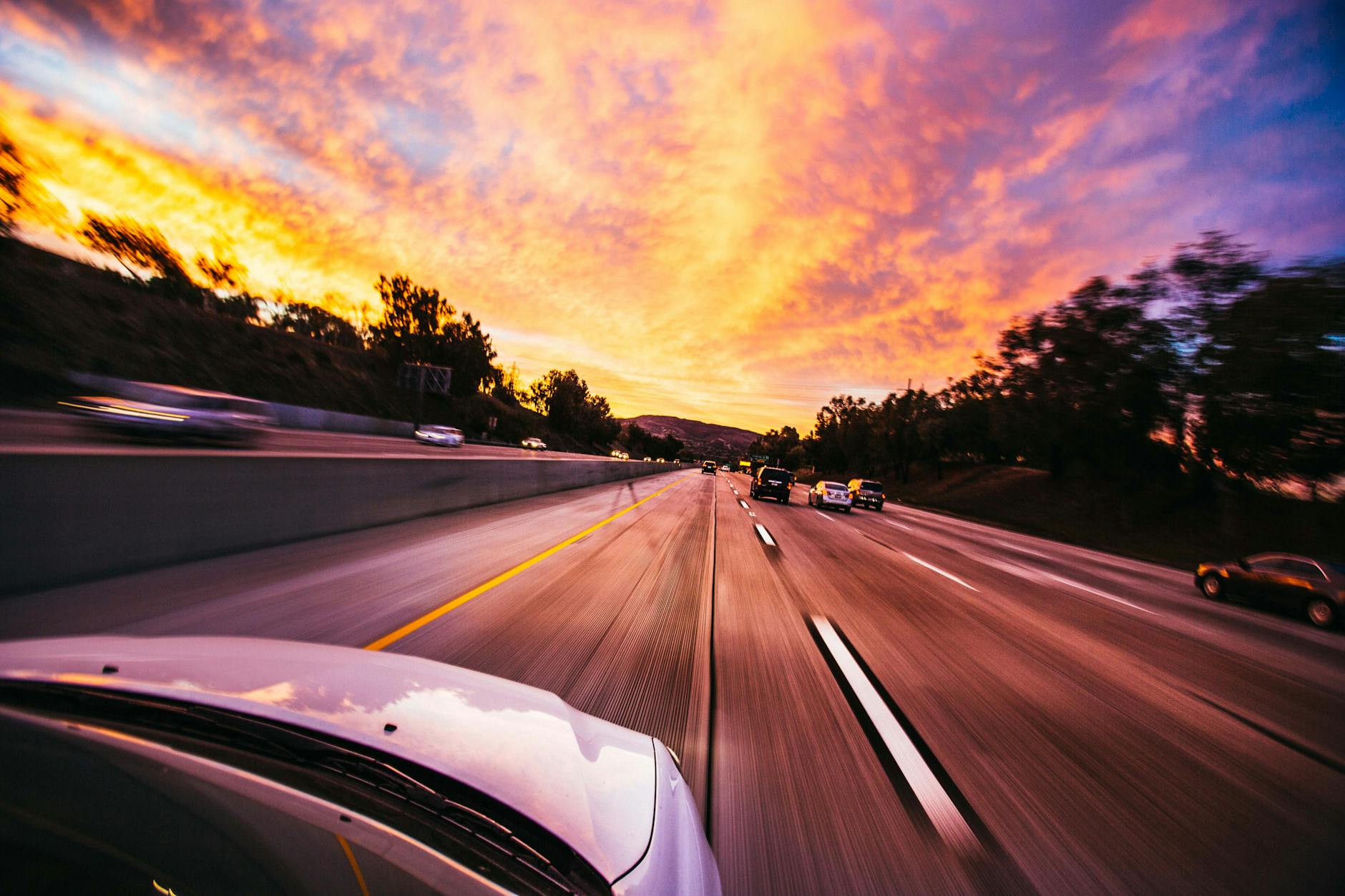
But to get around metropolitan areas in the United States almost requires using highways. Driving is required in most places and people might be able to avoid faster roads for specific destinations or shorter trips. However, completing a lot of trips – whether suburb to suburb or in and out of major population centers – will involve highway travel.
There are already numerous efforts to make highway driving safer. Vehicle features. Signs. Public service announcements. Traffic enforcement. Are there other methods to try or is this more of a question of public will – are people willing to change driving habits and our public infrastructure in order to reduce the number of deaths?
It’s a small village, just over an hour from the heart of Chicago by car, but it has consistently reported some of the lowest crime rates in the region, with a violent crime rating of zero. This small-town security is one of the driving forces behind Campton Hills’ rising popularity with families in recent years. People moving out of Chicago or nearby suburbs are looking for peace of mind in their neighborhood, and this village delivers exactly that…
A place with such a high safety ranking is the perfect spot for families to put down roots. In this regard, Campton Hills is truly designed for families to thrive. Schools in the area have earned a strong reputation for academic achievement, supportive teachers, and a wide range of extracurricular opportunities. The village is also home to some of the highest-rated public schools in the state.
In the village, there is an impressive range of amenities to keep families busy. Community parks provide space for picnics, soccer games, and weekend strolls, while nearby forest preserves give children the chance to explore nature close to home. (Nature lovers should visit this peaceful suburb near Chicago next.) Access to healthcare and family-oriented services is reliable, with clinics and hospitals within easy driving distance. Campton Hills also hosts seasonal events that bring neighbors together, including the Boo After Dark Halloween event.
It always feels like a win when you find somewhere close to the city that still feels like it’s tucked away in the middle of nowhere. And Campton Hills’ rural character is something that truly makes it stand out. Unlike some suburbs that feel like extensions of the city, this village keeps the perfect balance of open countryside and convenient access to Chicago.
The story starts with safety. People are looking for a safe place with little to no crime. Their kids will be safe. It is away from the city and others places with crime.
But then the story goes on to include other factors that attract families to this specific suburb. The schools have a good reputation. There are parks and forest preserves. Medical care is nearby. The community comes together for events. It is close to Chicago but feels rural.
Is this how people chose a community to live in? Do they prioritize safety and then if other things look good, they go with that? Do they research all the statistics about various communities, look at rankings provided by numerous sources, and develop their own composite score of which community comes out on top?
I am reminded of research from sociologists Annette Lareau and Elliot Weininger where they find networks, affected by social class and race, mattered for how people chose communities. What networks lead to Campton Hills and other suburbs like it? How do relationships and social ties provide people with information about communities? Do articles like these make their way through some networks?
(Interestingly, Campton Hills is a new suburb: it was incorporated in 2007. And it is relatively small: just over 10,000 residents in the 2020 Census.)
“Several municipalities, particularly in the suburbs have adopted their own rules regarding e-bikes,” Secretary of State Alexi Giannoulias told us. “Right now, it’s a hodgepodge or local ordinances and regulations, depending on where you live. That inconsistency is problematic because it makes roads less safe for all of us.”
Suburbs like local control, the ability to set their own local rules and ordinances. In this situation, some have responded to the number of e-bikes and e-scooters with regulations and others have not.
Here are some possible future pathways regarding e-bike and e-scooter regulation, ranked from what I think is most unlikely to happen to what I think is most likely:
Suburbs work together to have common rules. They decide the common suburban experience is threatened, whether it could be the safety of riders or difficulties drivers face encountering these vehicles. It would make sense for suburbs sharing borders to have the same rules as it is not always obvious when you are crossing from one suburban community to another. But since suburbs tend not to work together, I do not think this is likely to happen. What might get them to work together? A far-fetched scenario: the city of Chicago says any suburbanites riding e-bikes or e-scooters in the city has to pay an extra tax so suburban communities fight back by saying they allow residents to ride freely in their suburb .`
State laws are passed that then take precedence over local regulations. As noted in the editorial, the state can change the classifications for e-bikes and e-scooters. Or perhaps they could adjust roadway rules. A coalition of state lawmakers can come together to address this pressing issue facing suburban and other kinds of communities. This could happen if the political will is there.
Suburbs continue to make their own regulations if they want. Perhaps they lobby hard to keep local control or political movement at the state level does not take place. Slowly, more suburbs adopt regulations and it all becomes less of “a hodge-podge” in a few years as consensus emerges about how best to regulate these vehicles.
The Chicago Department of Transportation reports it’s aware of 250 that appear on landscaping lists. The department is currently not clear on the likely sizable number of circles that require no landscaping.
One of the best features of traffic circles is that they force drivers to slow down and pay attention. They cannot blow through a stop sign or traffic light or unmarked intersection. If they can successfully yield and do not need to stop, they can keep their momentum going at a more reasonable speed.
This is an interesting way to count road features: those that need landscaping need to be on some list so that maintenance can be done. Those without the landscaping need would have to be on some other list to be counted. Is this the sort of task AI could do in the future with access to websites with satellite imagery?
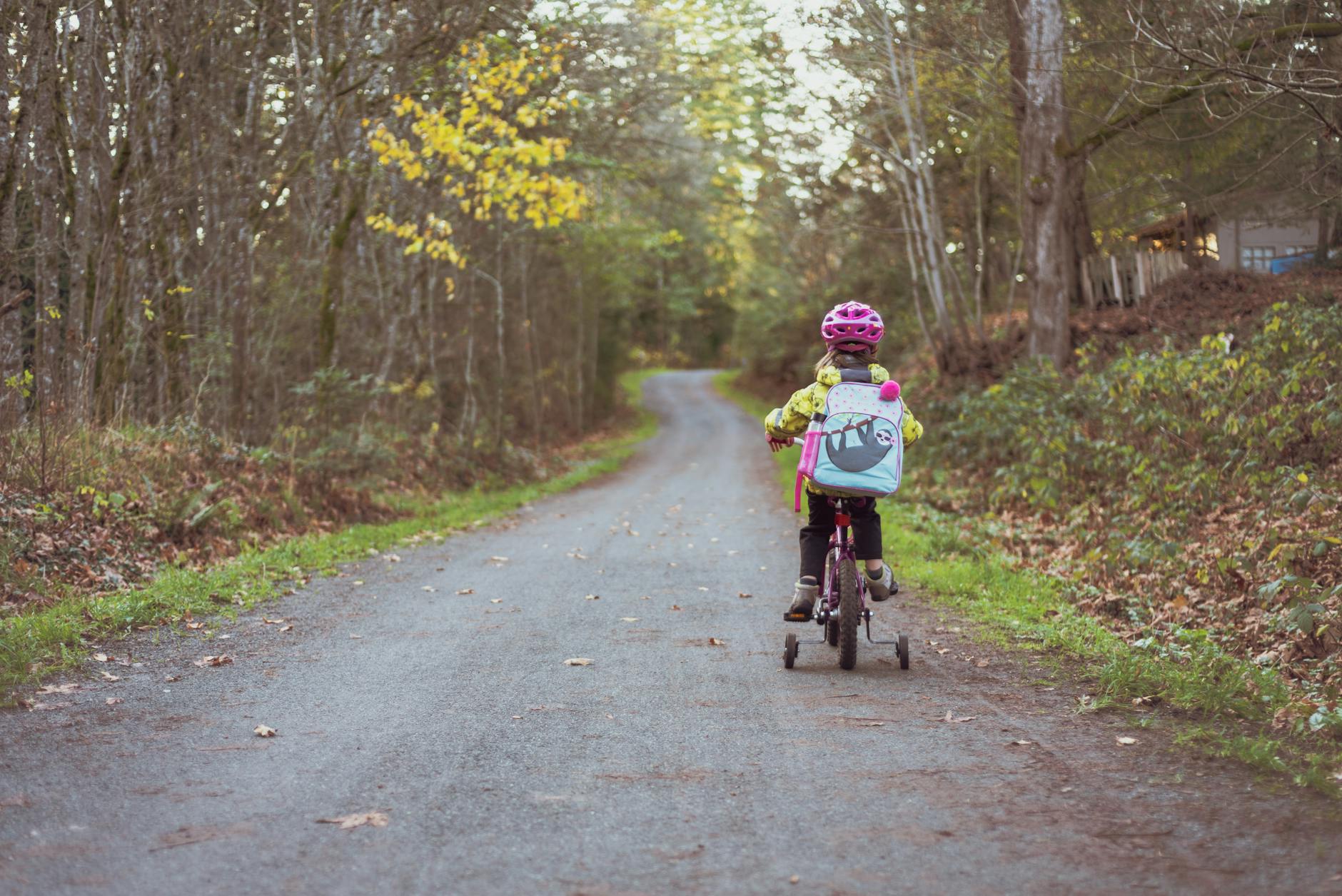
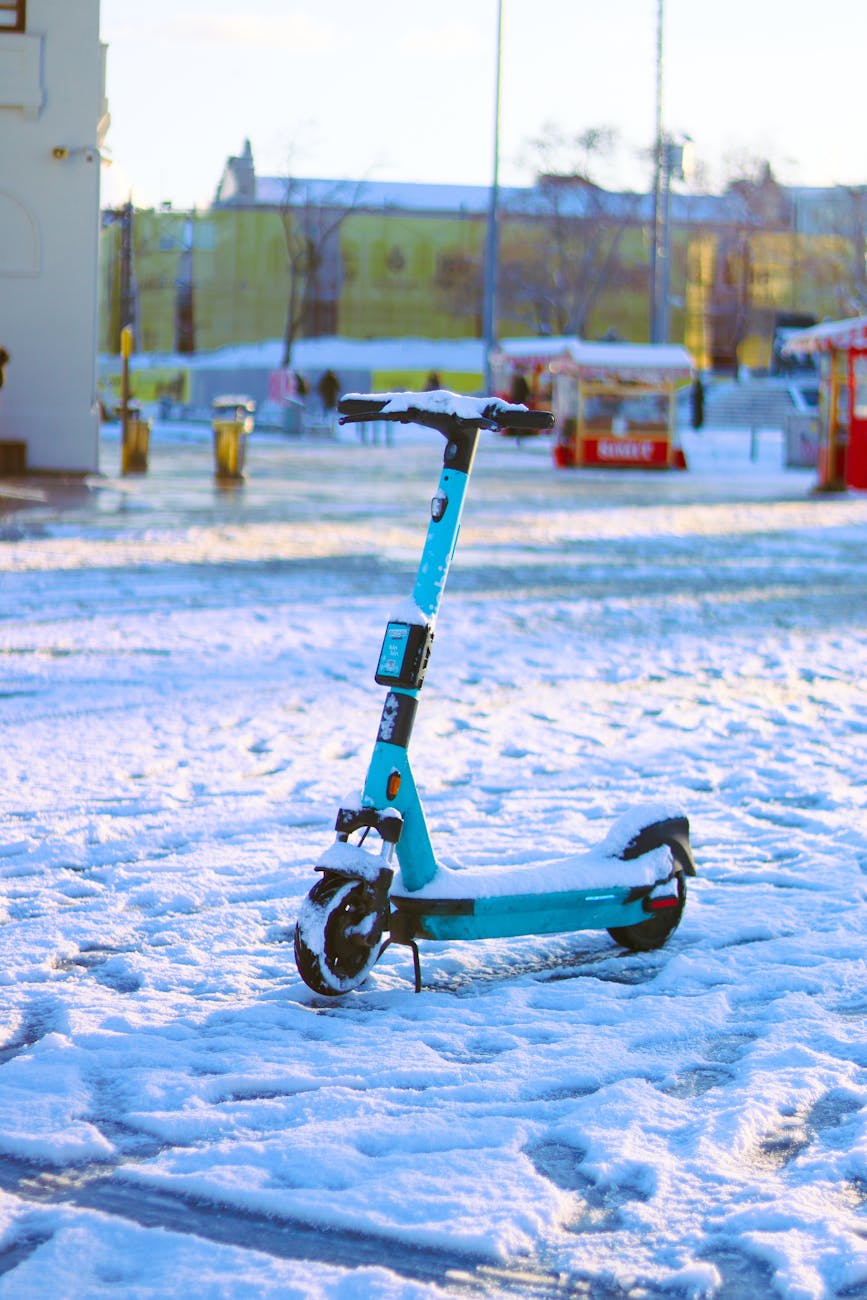
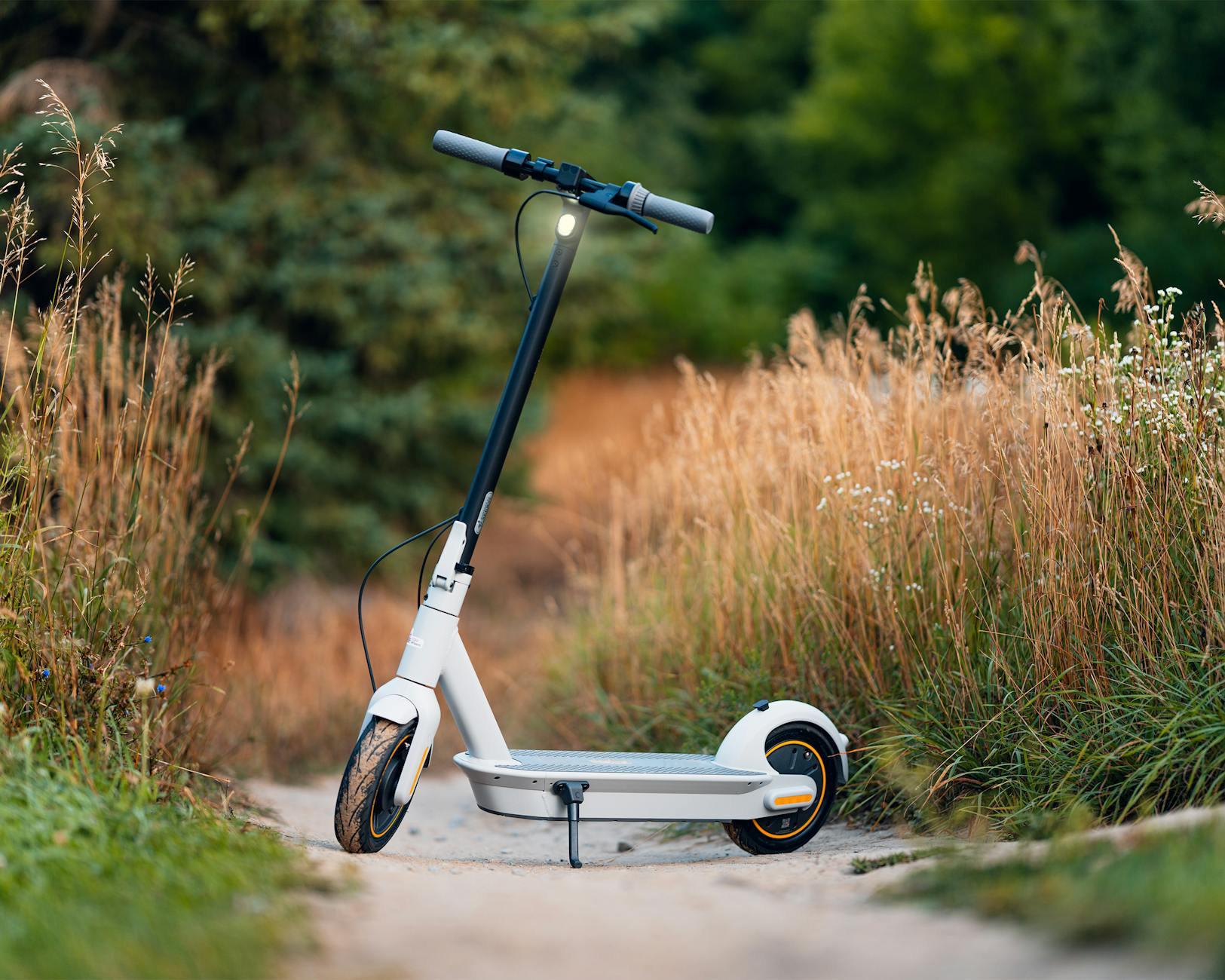
Suburban teenagers and others have taken to e-bikes and electric scooters to get around communities which often require a vehicle to get from place to place. But now some suburbs have responded with new rules:
In passing the new rules, Elk Grove has joined a growing list of Chicago suburbs that have enacted tougher e-bike regulations due to growing safety concerns. Several communities — including Highland Park, Schaumburg, Glen Ellyn and Lombard — have recently imposed age limits on riders, while Burr Ridge has banned e-scooters from its streets.
Illinois law divides e-bikes into three classes based on their maximum assisted speed and whether the motor requires the rider to pedal. No one under 16 is allowed to ride a bike that can reach more than 20 mph under Illinois law.
State regulations also require riders to label their bikes with the motor wattage and classification type. Elk Grove Village officials, however, believe it’s more important for riders to follow the rules of the road, said Scott Eisenmenger, the deputy police chief…
Under the town’s rules, anyone younger than 16 can ride less powerful Class 1 and Class 2 e-bikes without motor assistance, relying on pedal power alone. Like Illinois law, Roselle ordinance prohibits anyone under 16 from riding a Class 3 bike, which reaches up to 28 mph before the motor cuts out. Additionally, no one under 18 can operate a low speed electric scooter.
Suburbs are built around cars and driving. It is part of living in a single-family home, having a suburban lifestyle, and is often necessary from getting from place to place because of the size of communities and limited additional transportation options.
Teenagers are often in a particular predicament. Herbert Gans noted this in his book The Levittowners: in new sprawling suburban communities, what could teenagers do and where could they go? With subdivisions and homes structured around private family life and cars necessary to get places, what could teenagers seeing independence do? Americans see teenagerdom as a life stage of trying out independence but without viable transportation this may be hard to do.
Enter e-bikes and electric scooters. They are now widely available. They are easy to operate. The local infrastructure is set up for cars, not pedestrians, bicyclists, or others. Vehicles are large. Safety can be an issue for anyone else trying to use a roadway.
Perhaps the bigger question is not about e-bikes and scooters; it is about possibilities for transportation options across suburbs. Teenagers may have their own interests but they are not the only ones limited in suburbia if you do not have a car.
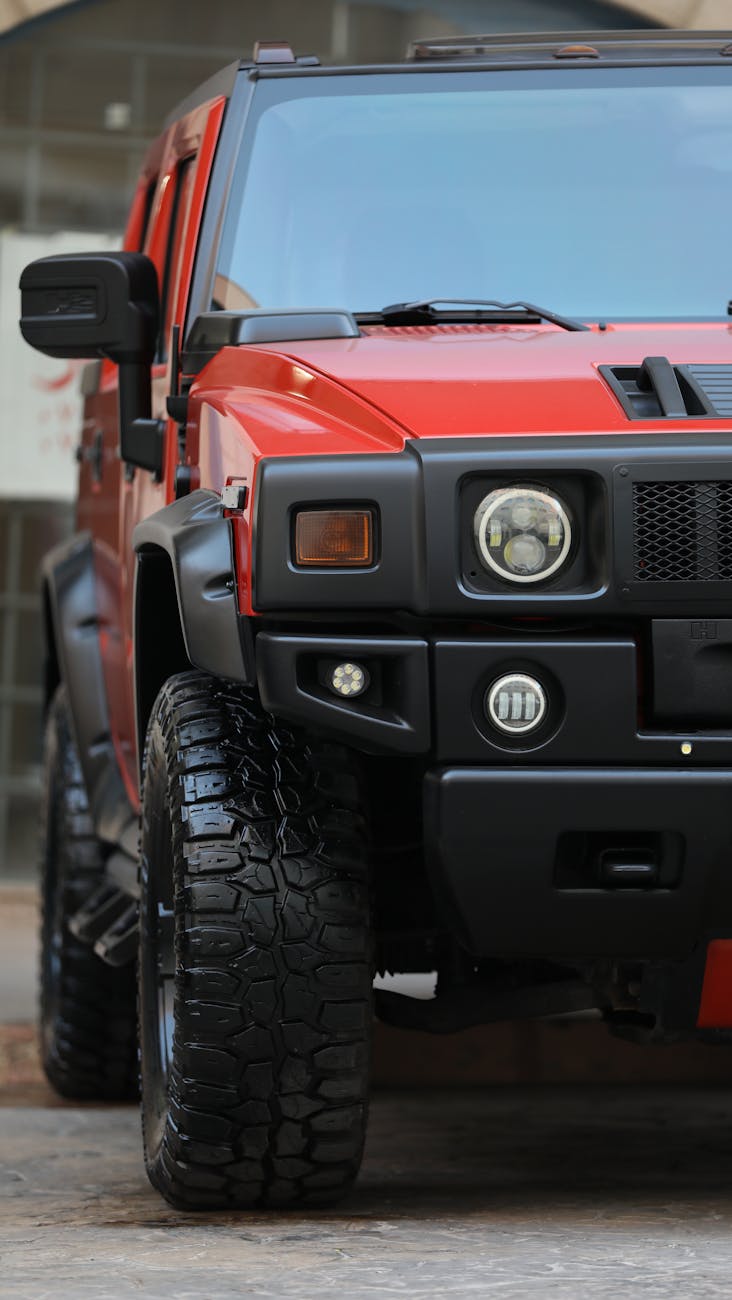
I use the term car bloat to describe the ongoing expansion of vehicle models over the past 50 years. Although car bloat is a global trend, it is especially pronounced in the United States, where sedans and station wagons have been largely replaced by the SUVs and pickups that now account for about 4 in 5 new car purchases. At the same time, individual models have grown heftier. A 2024 Chevrolet Silverado pickup, for instance, is around 700 pounds heavier and 2 inches taller than the 1995 edition. According to federal data, the average new American car now weighs around 30 percent more than it did 40 years ago.
Car bloat creates numerous costs that are borne by society rather than the purchaser, or “negative externalities,” as economists call them. These include increased emissions, faster road wear, and reduced curbside parking capacity. But car bloat’s most obvious and urgent downside may be the danger it presents to anyone on the street who isn’t cocooned inside a gigantic vehicle.
Although occupants of big cars may be slightly safer in a crash, those in smaller ones are at much greater risk. A recent analysis by the Economist found that among the heaviest one percent of American cars, 12 people die inside smaller models for each person saved by the enormity of their vehicle. Pedestrians are still more exposed. A recent study by the Insurance Institute for Highway Safety found that vehicles with tall, flat front ends—common on SUVs and pickups—are more than 40 percent more likely to kill a pedestrian in the event of a crash than those with shorter, sloped ones. Worse, giant cars are more apt to hit a human in the first place because drivers sitting high off the ground have an obscured view of their surroundings. A 2022 IIHS study found that large vehicles’ A-pillars (the structure between a windshield and side window) frequently conceal pedestrians at intersections, and TV news stations have run segments demonstrating that an SUV driver cannot see as many as nine toddlers sitting in a row in front of her.
Having a bigger vehicle may help increase the safety of the driver and passengers but causes issues for others. If the American emphasis on driving and planning around cars was not enough, having even larger vehicles makes it more difficult for pedestrians, bicyclists, and users of smaller vehicles.
The article goes on to discuss options to limit the danger to pedestrians while still allowing vehicles to be big. It might be harder to think of realistic ways that American vehicles could shrink over the next few decades. Imagine an American landscape in 2050 where large vehicles are rare. Large SUVs and pickup trucks are small in number. More vehicles are smaller. How did it happen? Will Americans come to care more about the environment? Will there be a larger groundswell for alternative modes of transportation? Will there be influential financial incentives to move to smaller vehicles? Is there political will to set size and/or weight limitations?
I also imagine there might be some limits to how big vehicles could get. Do lane widths and parking spots all need to be redesigned? Is there a significant loss in drivability and/or fuel efficiency at some point?
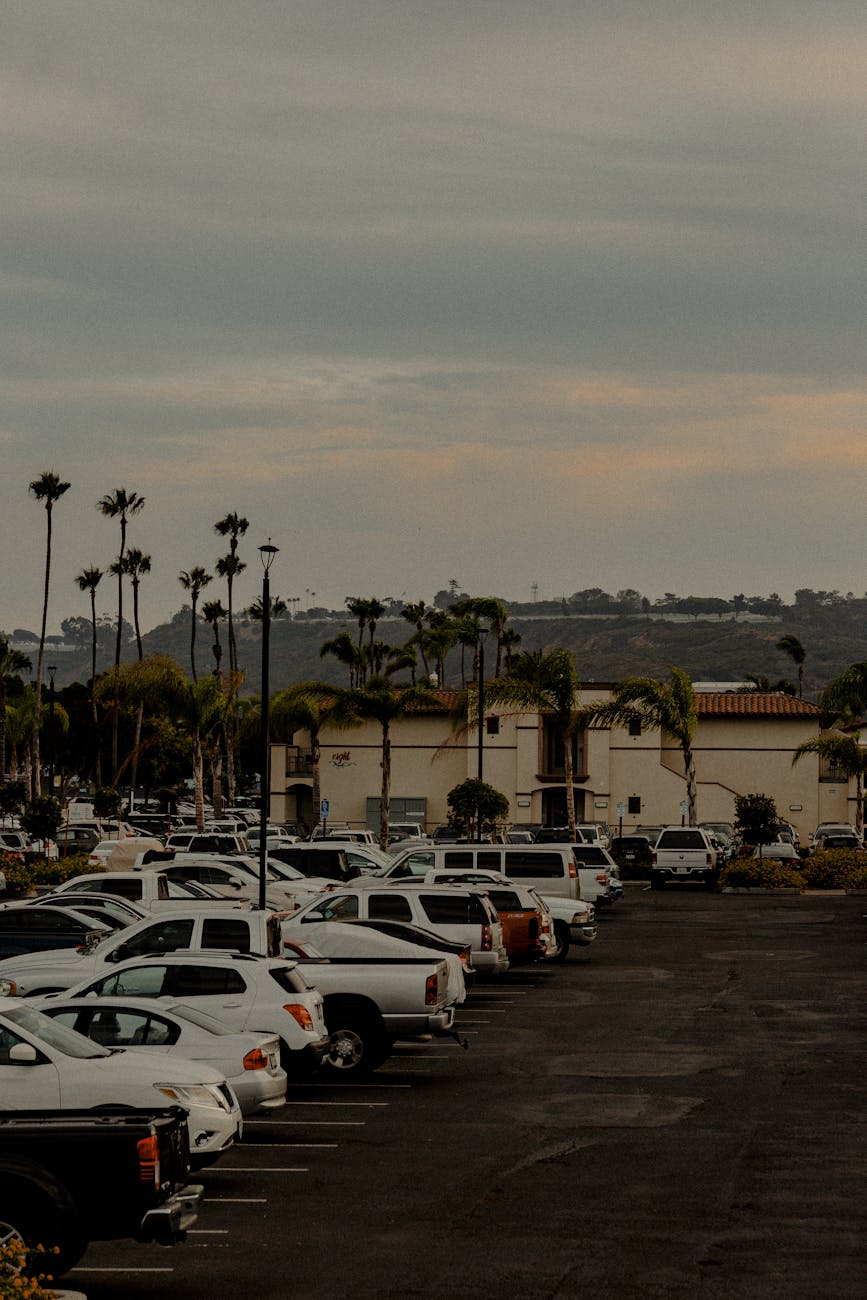
Parking lots may appear to be safe and controlled traffic environments. Drivers are usually not traveling very fast. Drivers need to be attentive to carts, curbs, and people walking around. New drivers go to parking lots to build their skills.
Yet parking lots can be the Wild West of driving situations. This is particularly true of lots where there are few or no traffic signs and markings. You have rows and arteries through the parking lot that have no stop signs or signs of where to go.
Last year, we had an incident in such a lot. Driving around the outside of the lot on a roadway separated by curbs from the parking rows, someone pulled out and into the side of the front of our vehicle. There was no stop sign at the end of the row or marking on a pavement. Anyone could be turning in and out of the rows. Presumably they should look to see if vehicles are coming toward them? Presumably everyone is supposed to yield (though there are no yield signs)?
I feel this in parking garages as well where there may be signs and markings but they can be hard to see in the lighting and a cramped environment. Vehicles come quickly around turns. Drivers are looking to back out and pull in.
Since parking is essential in American places due to the heavy reliance on driving, are there better solutions to lots with few signs? Is the primary goal of a parking lot to move vehicles quickly through the space? Is it to help customers or residents or visitors to safely make it to their destination? Is it to fit as many vehicles as possible in/
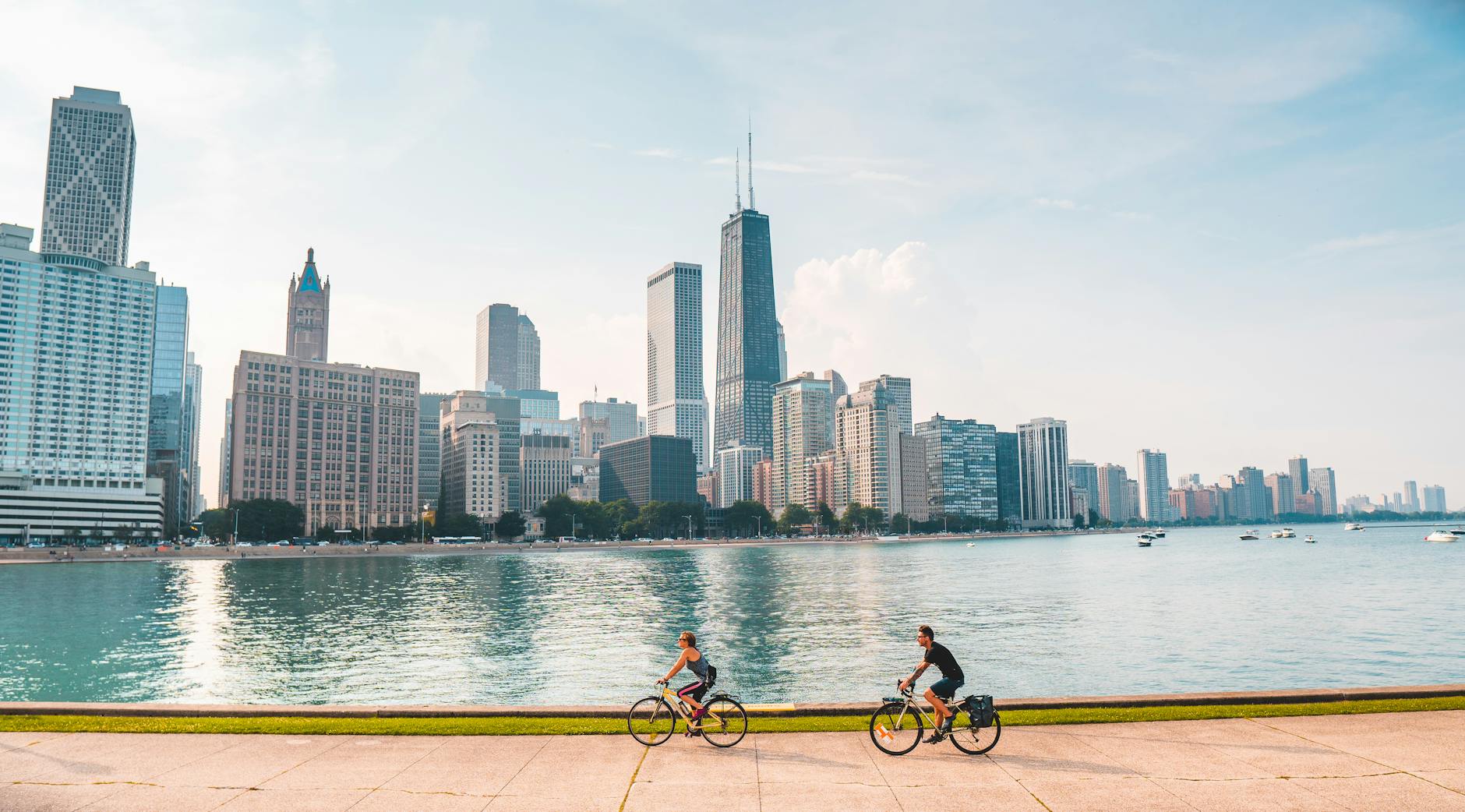
It was the only bicyclist death so far this year, suggesting what some hope signals the beginning of a decline in such fatalities.
Some even contend the number of all traffic deaths in Chicago — cyclists, motorists and pedestrians — could be reduced to zero with the right improvements.
Others are more guardedly optimistic.
Before that August crash on the West Side, Chicago had gone 10 months without a cycling death. That was the longest such duration dating back to at least the beginning of 2019, the earliest year available from the city’s daily traffic crash data.
“Statistically, this drop appears too large just to be entirely good luck,” said Joseph Schwieterman, a transportation professor at DePaul University. “It’s not likely the fatalities will stay at this level, unfortunately, but this is encouraging.”
The rest of the article talks about methods that could be implemented to make roads in Chicago safer.
As I have read about similar efforts in recent years, reducing traffic deaths seems to go well with multiple other efforts:
More sustainable cities with fewer cars on the road and other viable non-driving transit options.
More inviting and lively streetscapes with less emphasis on motorized vehicles.
Encouraging walking and biking, which are healthier options.
Safety alone may or may not be a compelling reason to change conditions but combine safety with other interests people have and perhaps there will be a steady shift away from only emphasizing driving.
The National Highway Traffic Safety Administration is running radio ads that tell people to follow the speed limit in order to increase safety on roads. From their website:
For more than two decades, speeding has been involved in approximately one-third of all motor vehicle fatalities. In 2022, speeding was a contributing factor in 29% of all traffic fatalities.
Speed also affects your safety even when you are driving at the speed limit but too fast for road conditions, such as during bad weather, when a road is under repair, or in an area at night that isn’t well lit.
Speeding endangers not only the life of the speeder, but all of the people on the road around them, including law enforcement officers. It is a problem we all need to help solve.
Traveling at higher speeds mean it is harder to control a vehicle and those vehicles that do hit other things sustain more damage.
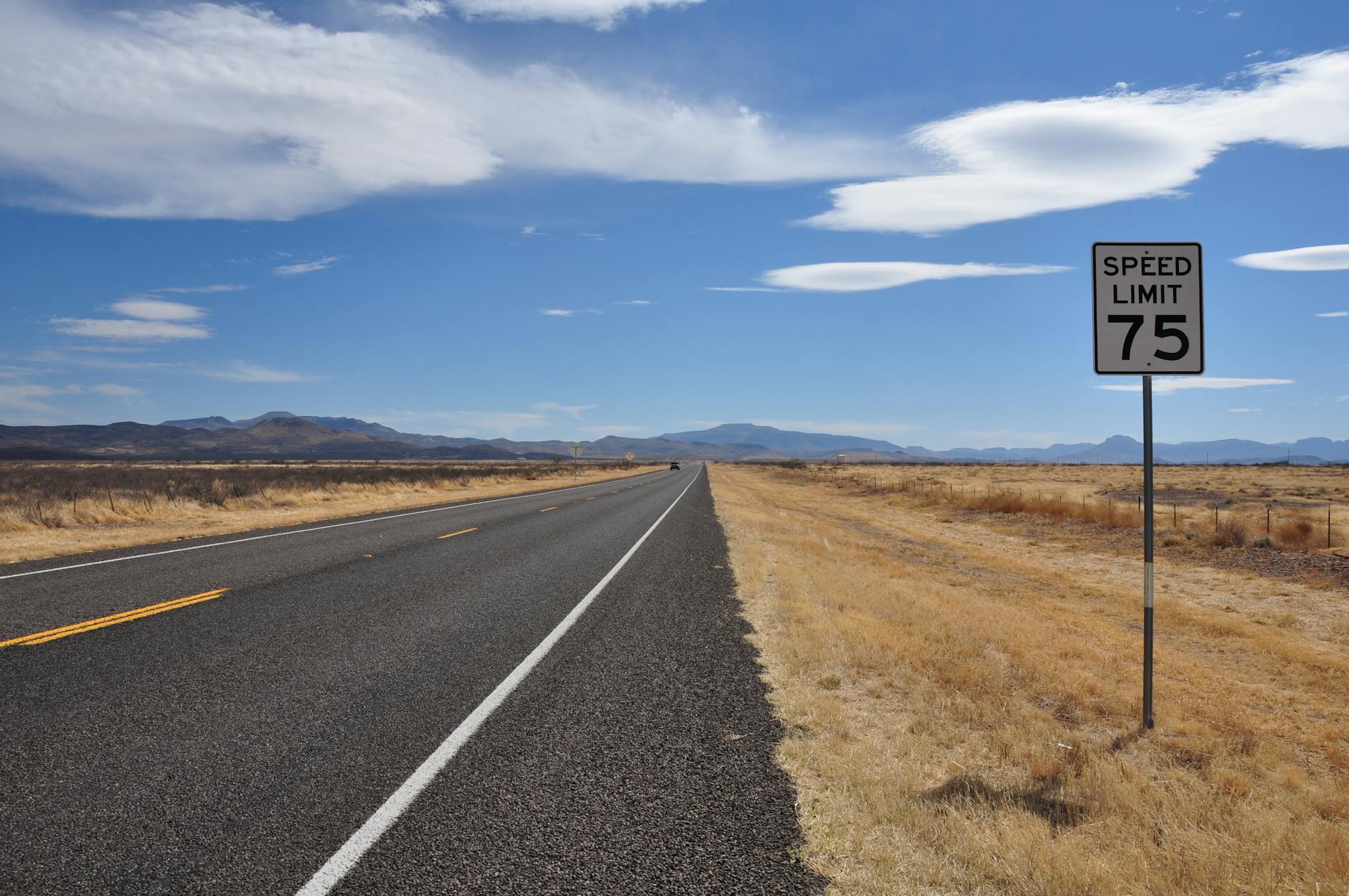
But speed limits can also serve other goals. Perhaps they are also about traffic and the number of vehicles on the roads. Having fewer vehicles means it is possible to go faster, having more vehicles means going at a slower speed makes more sense. Hence, more variable speed limits on highways as speed limits adjust to traffic and conditions.
The National Maximum Speed Limit (NMSL) was a provision of the federal government of the United States 1974 Emergency Highway Energy Conservation Act that effectively prohibited speed limits higher than 55 miles per hour (89 km/h). The limit was increased to 65 miles per hour (105 km/h) in 1987…
The law was widely disregarded by motorists nationwide, and some states opposed the law,[3][4] but many jurisdictions discovered it to be a major source of revenue. Actions ranged from proposing deals for an exemption to de-emphasizing speed limit enforcement. The NMSL was modified in 1987 and 1988 to allow up to 65 mph (105 km/h) limits on certain limited-access rural roads. Congress repealed the NMSL in 1995, fully returning speed limit-setting authority to the individual states.
Montana, once known for its wild, limitless roads, did not want to be left behind as other Western states increase their speed limits. Idaho, Nevada, South Dakota, Utah and others have set 80 mile per hour speed limits on at least some sections of road.
Above all, though, the problem seems to be us — the American public, the American driver. “It’s not an exaggeration to say behavior on the road today is the worst I’ve ever seen,” Capt. Michael Brown, a state police district commander in Michigan, told me. “It’s not just the volume. It’s the variety. There’s impaired driving, which constituted 40 percent of our fatalities last year. There are people going twice the legal limit on surface streets. There’s road rage,” Brown went on. “There’s impatience — right before we started talking, I got an email from a woman who was driving along in traffic and saw some guy fly by her off the roadway, on the shoulder, at 80, 90 miles an hour.” Brown stressed it was rare to receive such a message: “It’s got so bad, so extremely typical,” he said, “that people aren’t going to alert us unless it’s super egregious.”
In 2020 and 2021, the National Highway Traffic Safety Administration has calculated, approximately a quarter of all fatal wrecks in the United States involved vehicles traveling above the posted speed limit; a significant percentage of the dead, whether passenger or driver, were not wearing seatbelts. In line with the trends documented by Kuhls in Nevada — and observed firsthand by Brown in Michigan — national intoxicated-driving rates have surged to the extent that one in every 10 arrests is now linked to a suspected D.U.I. And aggressive driving, defined by AAA as “tailgating, erratic lane changing or illegal passing,” factors into 56 percent of crashes resulting in a fatality. (Distressingly, this statistic does not cover the tens of thousands of people injured, often critically, by aggressive drivers, or the 550 people shot annually after or during road-rage incidents — or the growing number of pedestrians and cyclists deliberately targeted by incensed motorists.)
Take the bad behavior and add the perils of distraction by smartphone — responsible, by one conservative estimate, for about 3,500 deaths annually — and you’re left with what Emily Schweninger, a senior policy adviser at the U.S. Department of Transportation, described to me as a “genuine public-health crisis” on the level of cancer, suicide and heart disease.
Much could change in the coming years to address this issue. Safety features in vehicles. Changed designs of roadways and spaces for pedestrians and bicyclists. Other efforts need more time and capabilities: self-driving vehicles, a changed culture around roads, driving, and community life.
But, part of the issue is whether these accidents and deaths are a problem or not. Americans like to complain about other drivers and tend to see their own driving as okay. Driving is required in many places. Some drivers might even enjoy driving. The delivery of many of our goods requires driving. Are deaths via vehicle just the price Americans are willing to pay for driving?
Addressing this issue is a long-term project. All of daily life contains some risks but Americans tend to not think much about the risks of driving even as it impacts many lives on a daily basis. Does this mean a national safety campaign is needed? A serious conversation about how necessary driving should be? A need to invest in new technologies and options? On one hand, plenty of people would have experience with this issue. On the other hand, it will take a lot of work to convince people to support significant changes to American driving and all that goes with it.

 Legally Sociable