
The case of thismia americana illustrates how human development can affect plants:
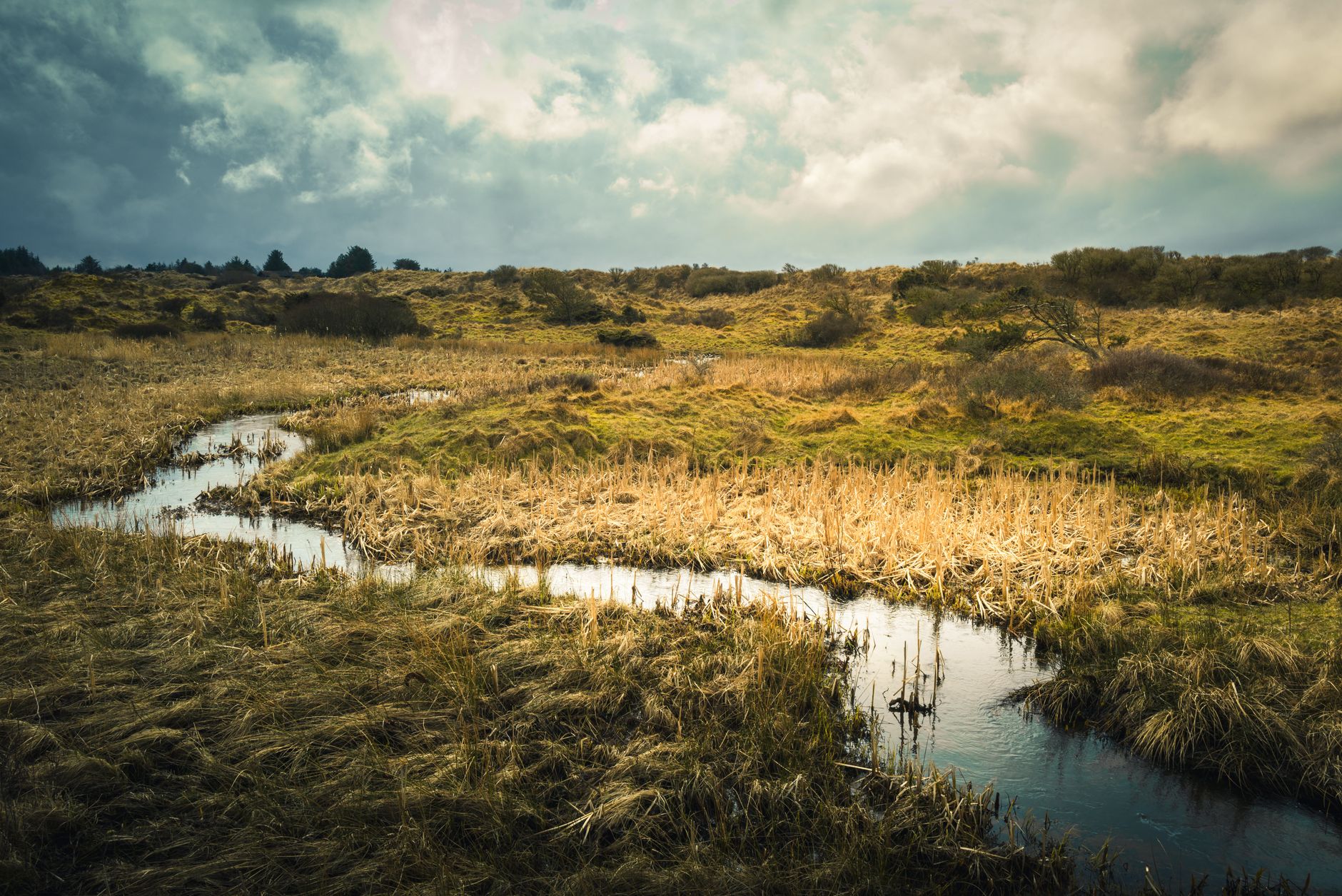
In 1912, then a botany student at the University of Chicago, she was collecting moss in a swampy prairie at what is now 119th Street and Torrence Avenue when she happened upon this small, strange plant.
At the time of Pfeiffer’s discovery, there were only 18 known species in the Thismia genus, the most similar being Thismia rodwayi, a plant native to Australia and New Zealand. Thismia americana was the first of its genus found in the Northern Hemisphere…
However, in 1914, Pfeiffer reported a barn was built atop the site where Thismia americana was found. According to a journal entry, Pfeiffer last saw the plant in 1916…
“We’re very unlikely to ever find Thismia [americana] there again, because the history of that site is that it was a wetland complex, and then humans filled it in with a bunch of construction debris, soil, concrete, slag from the steel industry,” says Harry Kuttner, Calumet program manager at the Wetlands Initiative.
Nevertheless, scientists hope that Thismia americana could be found again. Over the past decades, organizations around Chicago have taken steps to restore the city’s green spaces, including Indian Ridge Marsh Park, where Thismia americana was discovered.
The story of this flower is one reminder of what was once there. So is the flooding that can arise after major rains.
The Chicago area has been under construction for two plus centuries now as European and American visitors came to the region and sought to build permanent settlements. This work can involve altering the landscape for human activities. Wetlands across the region were filled in and smoothed over for farming, residences, and industry. There are some wetlands still remaining and often local residents who advocate for keeping them.
As some species disappear, others might do well in sprawl. What plants replaced thismia americana in the ecosystem? How did wetlands adapt? Even as forest preserves as other spaces try to preserve natural areas within the region, the wetlands are not what they once were as human activity has affected the landscape.

