Industry and urban life lead to the disappearance of a flower in Chicago

The case of thismia americana illustrates how human development can affect plants:
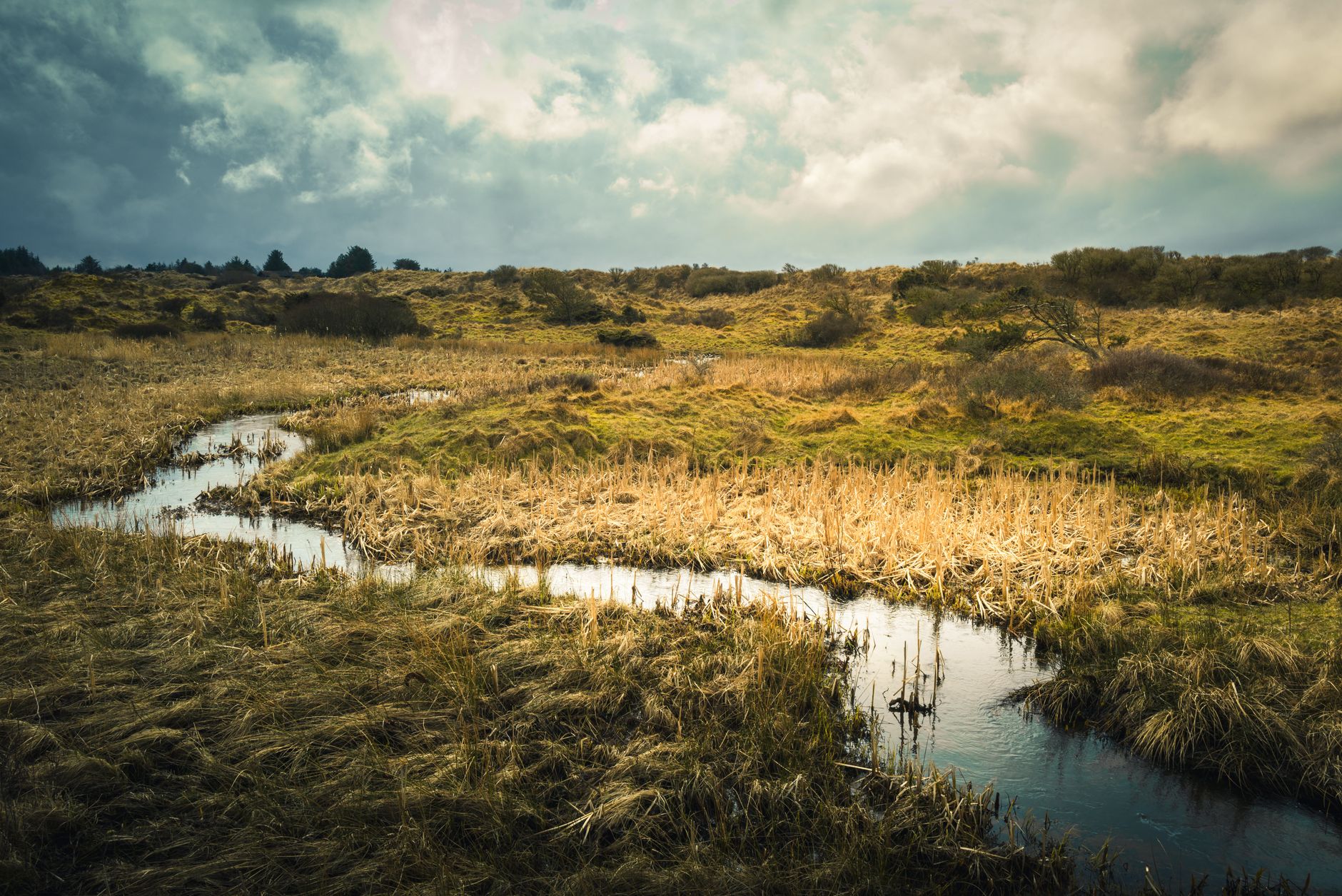
Photo by Peter Holmboe on Pexels.com

In 1912, then a botany student at the University of Chicago, she was collecting moss in a swampy prairie at what is now 119th Street and Torrence Avenue when she happened upon this small, strange plant.

At the time of Pfeiffer’s discovery, there were only 18 known species in the Thismia genus, the most similar being Thismia rodwayi, a plant native to Australia and New Zealand. Thismia americana was the first of its genus found in the Northern Hemisphere…

However, in 1914, Pfeiffer reported a barn was built atop the site where Thismia americana was found. According to a journal entry, Pfeiffer last saw the plant in 1916…

“We’re very unlikely to ever find Thismia [americana] there again, because the history of that site is that it was a wetland complex, and then humans filled it in with a bunch of construction debris, soil, concrete, slag from the steel industry,” says Harry Kuttner, Calumet program manager at the Wetlands Initiative.

Nevertheless, scientists hope that Thismia americana could be found again. Over the past decades, organizations around Chicago have taken steps to restore the city’s green spaces, including Indian Ridge Marsh Park, where Thismia americana was discovered.

The story of this flower is one reminder of what was once there. So is the flooding that can arise after major rains.

The Chicago area has been under construction for two plus centuries now as European and American visitors came to the region and sought to build permanent settlements. This work can involve altering the landscape for human activities. Wetlands across the region were filled in and smoothed over for farming, residences, and industry. There are some wetlands still remaining and often local residents who advocate for keeping them.

As some species disappear, others might do well in sprawl. What plants replaced thismia americana in the ecosystem? How did wetlands adapt? Even as forest preserves as other spaces try to preserve natural areas within the region, the wetlands are not what they once were as human activity has affected the landscape.

Install an artificial plant to hide nearby McMansion

Have an unsightly McMansion next door? Install artificial plantings:

A San Marcos, California based company, Geranium Street Floral, has installed their artificial plants at many hip remodeled homes throughout Southern California. The company recently installed an artificial hedge at a remodeled property in North Hollywood that no doubt greatly improved the view in the backyard of the custom remodeled home. Geranium Street specializes in creating backyard privacy with their artificial plants.

Geranium Street president, Bob Smith explains that with the advent of “McMansions” throughout Southern California, the need for privacy is at an all time high. “Before, you had houses in a neighborhood that were all basically the same height, so privacy wasn’t much of an issue, but now they are tearing the old houses down and building houses that tower over those of their neighbors – suddenly everyone feels like they are living in a fish bowl. We have ways to solve that problem quickly with our artificial plants,” said Smith…

Bob Smith explained that many real estate developers have found the quick solution to their privacy and decorative needs by installing artificial plants. “Whereas it may take months to grow real vines and plant real trees, we can come in and install our artificial plants in a day or two. The new artificial trees and plants look more realistic than they ever did before, and they are very durable,” said Smith.

Four quick thoughts:

  1. Given the water issues in California, I’m surprised this press release doesn’t include the rationale of saving money on plantings. Have a hedge and no water is required.
  2. It would be interesting to think about how these installations play with the idea of “nature.” Some would say the real plantings in the suburban sprawl like that found in southern California are already poor imitations of nature. But, what if those same plantings aren’t even real? Is this a more honest admission of the lack of nature? These options are billed as durable but they likely provide a different aesthetic and physical experience.
  3. Theoretically, such hedges could be built to any size of shape. McMansions can come in all sorts of sizes and shapes and a company could get pretty creative in how an artificial hedge hides the ugly house next door.
  4. What do artificial plants do to property values? They may be durable but I imagine they could be viewed as tacky or lower class.

What are the “dead giveaways” in landscaping outside a McMansion?

One forum generates ideas about what kind of landscaping clearly marks a McMansion:

Most mcmansions in this area (mind you that’s only upper-middle class, not very upper class) have one tortured looking weeping nootka falsecypress, one fat albert spruce, a weeping mulberry and/or a callery pear…

MULCH. Large expanses of mulch dotted with discrete plants. Screams modern, if not commercial…

I think black mulch is the 2014 version of red mulch. Any dyed mulch screems Mc mansion to me. Undyed mulch used for function is ok but any munch used as decoration looks unnaturally trendy to me…

Faux “outcroppings” of rock are another big millennial landscaping conceit to avoid. I am not aware of many spontaneous outcroppings of rocks and plants with a waterfall springing out of it in the middle of Indiana. The ones that are there are probably planted. Just say “no”…

Too many hydrangeas. But ultimately, I think the “McMansion” look is one that is too manicured, too perfect and planned out…

Basically, 98% of American McMansions (or even what pass for mansions these days) are ridiculously over landscaped, at least compared to the European manors and stately homes they are claiming as inspiration. Just as the building architecture itself is often a bad, ham-fisted copy, the “design on the land” descends into contrivance and excess. I’ve heard of more than one case now of a 10-20 year old planting of “foundation shrubs” being ripped out because it had become unmaintainable and was overpowering the facade of the house. I suspect we are at a tipping point where there is soon going to be an article about it and partial backlash.


Some interesting ideas throughout this long thread. McMansions tend to try to impress observers with their features – whether that includes turrets, big entrances and foyers, multi-gabled roofs, stonework (or fake stones), numerous windows, mish-mash of weighty older styles – but the landscaping may not get as much attention. One factor common across these comments is that McMansion landscaping doesn’t account much for long-term appearance and care of plants. In other words, the landscaping is also meant to impress or get the job done but may not serve the home and the owners well 10-20 years down the road. If this is true, then the McMansions are what critics suggest: homes with limited staying power once you get past the facade (or landscaping).