Pushing back against the housing plans of the wealthy in suburban Palo Alto

One elected local government official wants to limit what wealthy residents can build in suburban Palo Alto:

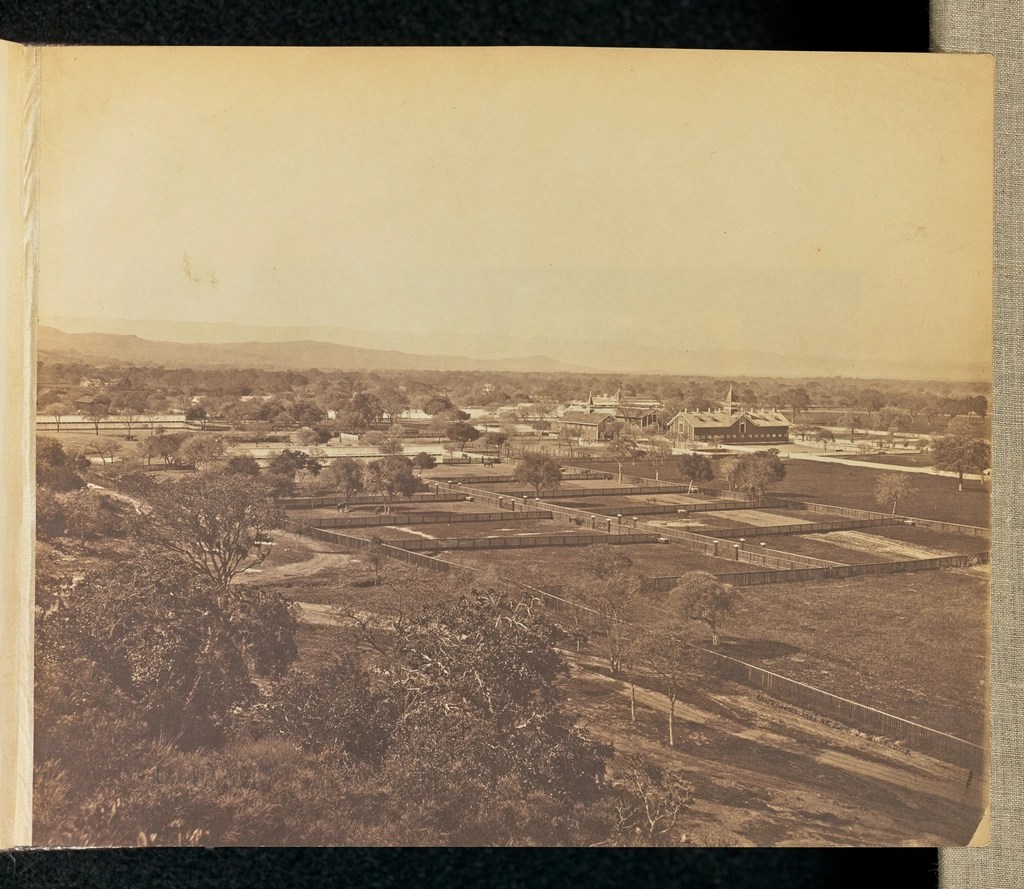
View Palo Alto, California Eadweard by thegetty is licensed under CC-CC0 1.0

The proposed legislation would apply to people who buy three or more homes within a radius of 500 feet, roughly the length of a city block. Any construction project expected to last more than 180 days would need a detailed daily schedule of construction work to prove it can be conducted without double-parking vehicles or blocking driveways or bike lanes.

After finishing one construction project, homeowners would need to wait three years to begin another unless a major emergency occurred. Homes could not be vacant for more than six months in any given year.

The proposal relies on neighbors for enforcement, leaving it up to another homeowner or tenant living within 500 feet to file a lawsuit.

The proposal would place new restrictions on private security guards across Palo Alto, not just those serving wealthy homeowners. All security vehicles would have to be marked and permitted by the city. Security guards would have to identify themselves to the public when asked. They would be prohibited from harassing or intimidating passers-by on public property…

The full Palo Alto City Council is likely to take up Mr. Stone’s proposal in January or February. Mr. Stone said he is confident that a majority of the seven-member council, which has taken a keen interest in housing affordability, would support the general framework but could send it to a committee or city staff member for refinement. It could take six months or longer to reach a final vote, he said.

Three things strike me about this proposal:

  1. It is clearly aimed at particular residents. Not just people with some wealth, who might be found across American suburban communities, but people who are truly wealthy and can afford this kind of construction and property ownership and all that goes with it.
  2. Communities often deal with these concerns at the zoning level. How big can a structure or house be? Are the guidelines in particular areas or in regards to property lines? The proposal above seems to deal with other matters that come along with regular approval of megahouses and properties.
  3. The regulations are about property but local conversations often have to do with local character and community life. Do such homes (and people) fit in the community? Who can live in a place where such properties are common? Who is Palo Alto for? Suburbs often implicitly or explicitly have these discussions while considering development.

Now that this proposal is out there, how do wealthier residents respond and what will the final local regulations be?

How about creating suburban communities that only contain data centers?

With some suburbanites concerned about data centers proposed for their communities, I have a possible solution: why not create new suburban communities that only contain data centers?

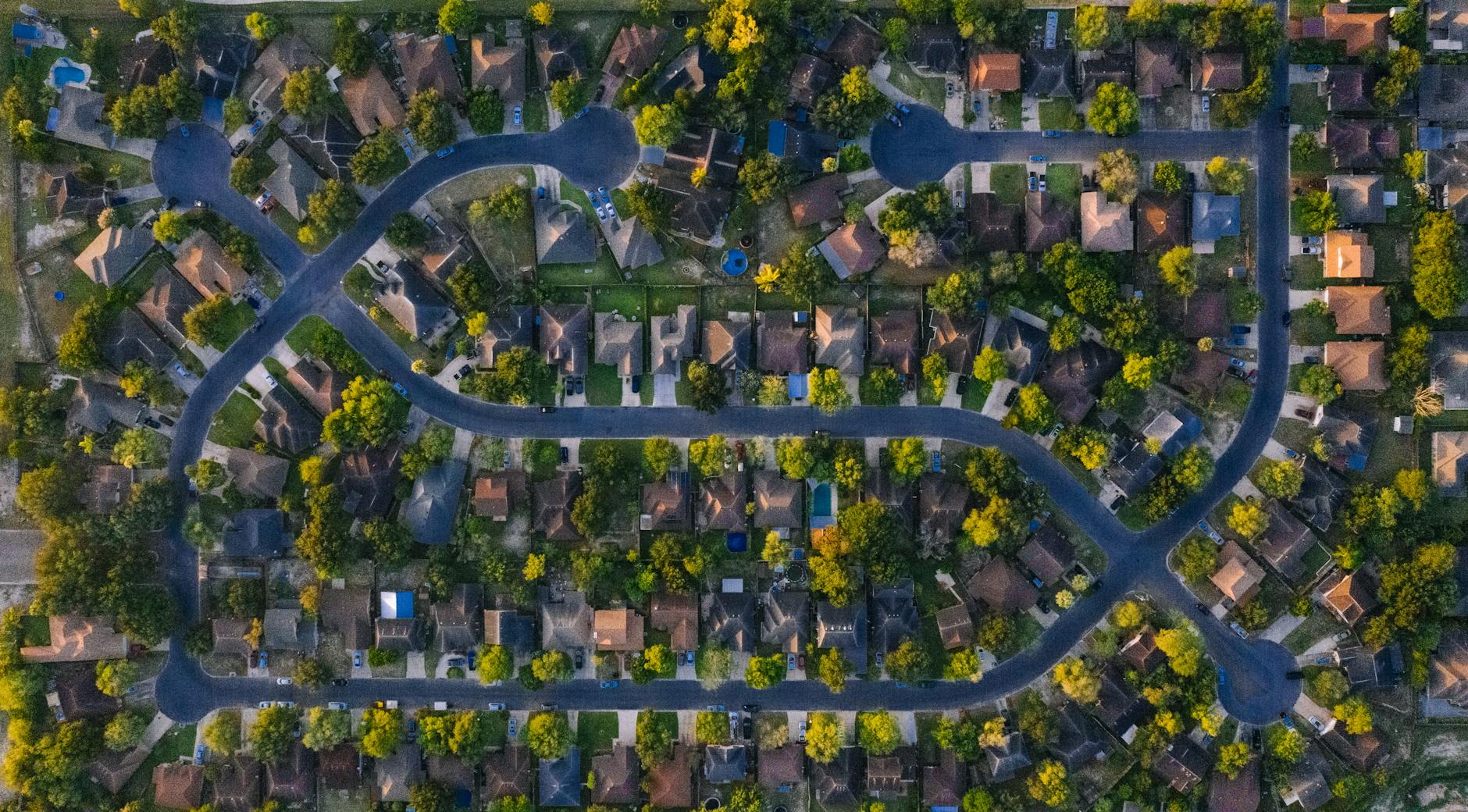
Photo by Josh Sorenson on Pexels.com

Imagine a suburban municipality full of data centers. It could help serve the needs of the surrounding region. It could draw on its own water and electricity supply (or make its own deals for these resources). It would not have to worry about being located near residences or other land uses where residents feel threatened.

This is not the first time I have thought of this idea. It could work for waste transfer sites. Landfills. Warehouses. Industry. Marijuana dispensaries. Religious congregations (see examples of opposition from my own research here and here)? This could work for the multiple land uses that suburban residents often object to or communities see as threats to their established way of life.

Creating such communities could be difficult. Given that many metropolitan areas are full of development, there might be three primary options to find land for such an endeavor:

  1. Locate the new municipality on the fringes of the region. This has the advantages of not changing densely developed land and it is already located further away from residences.
  2. Convert an existing suburb into such a place. While the image of American suburbs is often that of wealthy and exclusive communities, industrial suburbs have also been around for a long time. There are already suburbs with fewer residents that might be willing to take on more data centers.
  3. Take a bit of land from several existing communities and create this new municipality. This could be hard to do as suburbs are likely to resist losing land. But if the tradeoff is giving up land so that the perceived threat of a data center is not their responsibility, perhaps a conversation can start.

Any of these are unlikely. Not impossible. But suburban leaders and residents have resisted certain land uses for decades. The hope seems to be in each community that if they can successfully keep the land use out, that is success and good luck to other communities in addressing the issue.

Marijuana dispensaries and the ongoing reputation of suburban communities

Over a decade ago, numerous Chicago suburbs debated regulations regarding marijuana dispensaries. One line of argument went that such establishments diminished the reputation of communities. Here is an update for one Chicago suburb:

Photo by Nataliya Vaitkevich on Pexels.com

A second marijuana dispensary quietly has opened in Arlington Heights, years after controversy and debate about whether to allow the first one to do business in town.

Longtime Mayor Tom Hayes was outright opposed to the vice, arguing it would diminish the village’s reputation as a family-oriented community.

But supporters say times have changed, and there was the new mayor, Jim Tinaglia, holding giant scissors at a recent ribbon cutting welcoming the new business and its green — leaves and tax dollars — to town…

But others on the elected panel soon decided revenue estimates from local taxes on pot sales — as much as $500,000 per dispensary, per year — were too good to pass up.

This potential link between the status of the community and the presence of marijuana dispensaries sound like it could involve testable hypotheses.

First, we would need to get at the status of a community. The suburbs overall are considered by Americans as “family-friendly” but the suggestion here is that some suburbs are more about families than others. Could Census data reveal that a suburb is “family-oriented” or would this depend on survey or interview data of local leaders and residents? Or is this more about social class – income, wealth, housing values and types, etc. – and the status that comes with it?

Second, perhaps this is not about status but rather the need for local revenues. How do budgets look before and after considering a marijuana dispensary? Can suburbs afford to keep certain businesses out? Dispensaries may not be the only businesses suburbs do not want; this could range from tattoo shops to warehouses to other land uses considered not in character with the community.

At least from this one story above, it sounds like a change in leadership plus a need for revenue led to different local approaches. And does this come with increased local revenues and any difference in status?

Housing issues are incredibly local – and they follow patterns across places

The issues of housing in the Chicago region are very local. How Chicago selected public housing sites and later handled the demolition of public housing high-rises. The discussions of affordable housing go in suburbs and the protection of single-family homes from perceived threats. Municipalities get to set their zoning maps, local officials make decisions regarding development, and residents weigh in.

Photo by Dmytro Koplyk on Pexels.com

But at the same time, these are not just local issues. There are patterns across places. What happened with public housing in Chicago may not have been exactly the same as what happened in other major cities but the effects of federal legislation and monies and public perceptions about public housing influenced numerous cities. Suburbs have unique characters but types of suburbs – say edge cities or inner-ring suburbs – can have similar experiences and trajectories. The ways zoning is used to privilege single-family homes and exclude people and undesirable uses is common. National ideologies regarding desirable and undesirable housing influences leaders and residents.

Figuring out how to link these two realms regarding housing – national and state-level policies and meanings and local action and sentiment – is very important to addressing any large-scale housing issues. Abandoning larger-scale efforts because all housing is local is not helpful. Focusing efforts only at the state or national level can ignore complexities within communities and regions.

What businesses can operate out of single-family home zoning, tulip farm edition

A resident of the Chicago suburb of Barrington Hills has been told multiple times he cannot operate a “u-pick flower farm” from his property:

Photo by Pixabay on Pexels.com

“As advertised, your on-site, outdoor, retail business use of Property is strictly prohibited and must immediately cease,” the May 16 letter read. Small, at-home businesses are allowed under the village’s House Occupation Code. The catch is they must operate indoors.

Yamamoto has been appealing for about a year, hoping to work with the village to update the zoning code and allow for the farm. He even submitted three separate proposals. The first aimed to tweak the code so that residents can apply for special use permits for agrotourism. The second changed “agrotourism” to “agricultural experiences” and limited what could be sold and the number of people who were allowed on the property. The last proposed a change in the village’s definition of “agricultural activities” — which are already allowed — to include on-site sales…

“The Village’s Zoning Board of Appeals was particularly concerned that under these various proposals, similar outdoor commercial operations could be allowed to occur on every residential single-family property in the Village,” Paul wrote.

But Little Ducky still has support in the community. Several residents showed up to Yamamoto’s first proposal hearing in August 2024, and many more wrote letters. In all, 133 written comments were submitted, with 129 in support and four in opposition. Of those who spoke in person, 16 supported the farm, while three opposed it…

Yamamoto isn’t giving up. He’s already submitted two more applications and has been waiting for a response since February. In the meantime, he and his wife are picking and delivering tulips themselves.

Single-family home zoning in the United States generally exists to protect the housing value of residences. Businesses operated out of residential properties may threaten the calm, peaceful nature of neighborhoods.

The catch in this case seems to be that indoor businesses are allowed – imagine something involving a home office or a service that can be provided in a home – versus an outdoor operation. That outdoor business could create noise or be unsightly or disrupt the character of a single-family home neighborhood. Residents might be willing to put up with loud power equipment to keep their landscaping looking good (or not) but an outdoor business is a threat.

It will be interesting to see if support from local residents could shift the outcome. Could a one-time variation in the zoning be granted? Or the zoning guidelines changed to allow clearly-defined agricultural uses?

How long zoning disputes can take in court, Haymarket and Itasca edition

I have been following the efforts of Haymarket Center to open an addiction treatment facility in the suburbs of Wheaton and then in Itasca. Haymarket filed a lawsuit in federal court and the case is ongoing. Here is where it stands now:

Photo by KATRIN BOLOVTSOVA on Pexels.com

Nearly six years after Haymarket Center announced a plan to open an addiction treatment facility in Itasca, the nonprofit remains locked in a legal fight with the DuPage County town.

Itasca trustees unanimously voted in November 2021 to reject Haymarket’s request to convert a former Holiday Inn into a 240-bed facility for patients with substance use and mental health disorders. In response, Haymarket filed a federal lawsuit against the village in January 2022, arguing that Itasca officials violated antidiscrimination laws.

In the latest twist, a federal judge has ruled the U.S. Department of Justice cannot join Haymarket’s lawsuit against Itasca…

According to the court docket, the two sides continue to depose witnesses and experts and exchange documents. The next court hearing is in July.

Sometimes zoning issues can be resolved fairly quickly. A change is proposed, decisions are made quickly at the municipal level, and matters are concluded.

But this case shows what can happen if the process goes to court. The article says the lawsuit was filed in early 2022. The next hearing is in July 2025. We are three and a half years in and it is not clear when it all might end in court (or be resolved otherwise).

This has consequences for both parties. They have to pay lawyers. The process takes twists and turns. The company and municipality have to keep an eye on everything. They have to commit money and time to an ongoing process with no clear end date.

Is it worth it? I would guess both sides are convinced of their own cause. Is this more of an issue of how courts operate that this amount of time can go by?

Converting suburban houses into group homes – but they cannot look like group homes

Multiple suburbs in the Chicago region allow for the conversion of suburban single-family houses into group homes for seniors or adults with disabilities. However, they generally agree that the conversion cannot alter the appearance of the home:

Photo by Dave Frisch on Pexels.com

A 2021 Northwest Municipal Conference survey of its members identified 14 suburbs permitting group homes for particular populations, largely those with disabilities.

However, the conversion of homes into assisted living centers for seniors is becoming increasingly prevalent. Schaumburg has seen two proposals in the past year alone. There are also online seminars offered to entrepreneurs looking to flip homes and turn them into assisted living centers, aimed at the nation’s aging population.

Regulations vary in towns that allow such conversions. Some require approval from a village board or city council, while other towns don’t require such approval because these uses are already allowed in its residential code. But all enforce rules against external changes to the houses that would identify them as group homes…

“You’ll be driving down a neighborhood and never know we’re there apart from a van picking people up or dropping them off,” said Little City Foundation CEO Rich Bobby…

While the intention of the homes is to blend in, a degree of engagement with neighbors is sought in advance to paint an accurate picture of those who are going to live there.

A common suburban story regarding proposed changes to houses might go like this: neighbors get wind of a possible change in a subdivision or residential area. They express concerns about such changes altering the character of the community. Perhaps there might be increased traffic, noise, and lights? They share that they moved into this location because it was a quiet, residential space. Changes to that format threaten their day-to-day experiences and their property values.

But what if the changes to that house or residence were minimal in nature? Or, as the regulations above suggest, the exterior of the home does not look any different and there is not a noticeable change in day-to-day life around the home? Would this allay all the concerns?

From this article, it sounds like concerns have been at a minimum thus far. The number of conversions is small. Perhaps there is a tipping point where multiple proposals in the same neighborhood or on the same straight might draw more attention. But if neighbors do not see significant changes on the outside, they might not have many issues.

Given the needs of the suburban population, I suspect more suburbs will face this particular issue in the coming years. Building large facilities can be difficult and costly. If converting homes to group homes can help serve residents and neighbors are okay with it, perhaps this will happen in a lot of places.

(This reminds of a 2013 book looking at affordable housing built in New Jersey where one of the goals was to design the multi-family housing units in a way that people passing by would not identify them as affordable housing. With some design work, this was largely accomplished and relatively few neighbors opposed the project.)

Suburban redevelopment where on the same property 4 and 3 bedroom apartments are turned down, 1 to 2 bedroom apartments are approved

In consecutive years, developers brought two different proposals for redeveloping an almost empty set of suburban office buildings into apartments. The first was turned down, the second was accepted. One factor was the size of the proposed apartments. From the first proposal:

Photo by Miguel u00c1. Padriu00f1u00e1n on Pexels.com

At an initial public hearing in August, the developer indicated he would target grad students with young families. According to the original plan, each apartment would have four bedrooms.

“If the target market demographics is going to be students, that’s more like a dormitory, not a residence. It’s a residential hall, but it’s not what we would envision in a neighborhood such as ours,” nearby resident Roberta Stewart told the zoning board.

The developer modified the proposal after the zoning board expressed concerns over a lack of details and too much parking. The property now has 80 parking spaces, most of which fall within a flood plain.

The revised plan shows three-bedroom units with offices in both buildings. There’s an “unmet need” for that size apartment in the area, Che said last month.

From the second proposal:

The previous zoning request was ultimately denied by the council last November in part due to the use of nontraditional floor plans — originally calling for four-bedroom units — and a surplus of on-site parking spaces, according to city documents.

Under the current plan, the buildings would contain a dozen one-bedroom units and 10 two-bedroom apartments, totaling 22 units. The proposed rents are approximately $1,674 a month for a one-bedroom unit and approximately $2,000 for a two-bedroom, said Mike Mallon, founder of Mallon and Associates, who represents the developer.

“We believe that our proposed plan will meet the residential demand in the market,” Mallon told city council members earlier this month.

It does not sound like the idea of apartments is the problem. The suburb was working with a plan that “recommends low-density multifamily residential development and repurposing existing structures.” The issue was the size of the apartments or the kinds of residents. If this was student housing – pitched by the developer as “grad students with young families” – then neighbors expressed concerned about dorms. Big apartments will lead to too many people near single-family homes.

Where are suburban residents to find larger apartments? Which suburban communities are approving construction of apartments with more bedrooms? Are the only concerns about students? Both developers said there is a market for their units but I would guess relatively few suburban apartments under construction have four bedrooms.

The Chicago suburbs soon to be home to the country’s biggest truck stop

I would not expect the biggest truck stop in the United States to be in the Chicago suburbs. But it will soon open:

Photo by Marcin Jozwiak on Pexels.com

Outpost, an Austin, Texas-based company, is transforming 30 acres at 70 Airport Road into a location where 1,000 semi trucks can park in a safe, secure setting, said Trent Cameron, the company’s co-founder and CEO…

When it opens Oct. 1, the number of parking spaces will exceed the 900 available at the Iowa 80 Truckstop in Walcott, Iowa, which bills itself as the world’s largest truck stop, in part because of the restaurants, stores, truck dealership, movie theater, repair shop and other service businesses spread out over its 220 acres, according to its website.

As Cameron noted, there’s a need for more truck parking. A report done by the American Trucking Association found there is one parking space for every 11 trucks on the road and many drivers spend nearly an hour every day trying to find a place where they can stop, resulting in about 12% lost pay annually.

Beyond that, truck drivers waste a lot of fuel searching for parking and often are forced to park in unsafe and unauthorized locations, the association report said.

Suburbs are not often home to truck stops as these tend to be located further outside of big cities. Developers may see land as more profitable for other uses. Companies may want cheaper land and more of it. As noted later in the article, suburban residents often do not like lots of trucks on local streets and as neighbors.

However, local and long-term trucking is essential to everyday life. Suburbanites may not like trucks on their roads but they would not like it if their local grocery store or big box store did not have what they want. For people to receive their deliveries from Internet orders, the goods have to get to warehouses first and then have to make it to their addresses.

Additionally, Chicago is an important trucking and transportation hub, serving both the large metropolitan area and a lot of traffic passing through to other places. Many trucks make their way into and out of the region with many warehouses, retail facilities, and communities.

Will large suburban truck stops become more and more common? Will this push residents and communities to make certain choices about land and locations?

When American big cities devote much of their land to single-family homes

The big city in the United States is dense. It has tall buildings and busy streets. There are plenty of apartments and mixed-use structures. They look and feel different than suburbs, small towns, and rural areas.

Photo by Phu Nguyen on Pexels.com

But even American cities have lots of single-family homes. Chicago, for example, has a lot of land devoted to single-family homes:

More than 40% of the city is zoned for single-family housing…

This figure might even be higher in other cities, particularly sprawling ones.

What might this figure mean? Some thoughts:

  1. Denser populations can fit into less space. But the amount of space given to one kind of land use, homes in this case, still matters.
  2. These neighborhoods and residents are going to get at least some attention and representation. Their interests might converge and diverge in important ways from interests of other locations and residents in big cities.
  3. This fits with an American emphasis on single-family homes, even if these homes happen to be in cities.
  4. Suburbs are in between cities and more rural areas. Are city neighborhoods of single-family homes often in between denser populations and suburbs? Do these city places feel more like suburbs or like life in different densities in the big city?

Another way to think about this percentage: even the places that Americans tend not to associate with houses and the lives that go with them have lots. of single-family homes.