
As someone who studies suburbs, I am familiar with NIMBY responses to proposed development: residents do not want it near their dwellings, even if they agree it probably needs to be built somewhere. I was reminded of this common response when I read a description of how Americans feel about taxes:
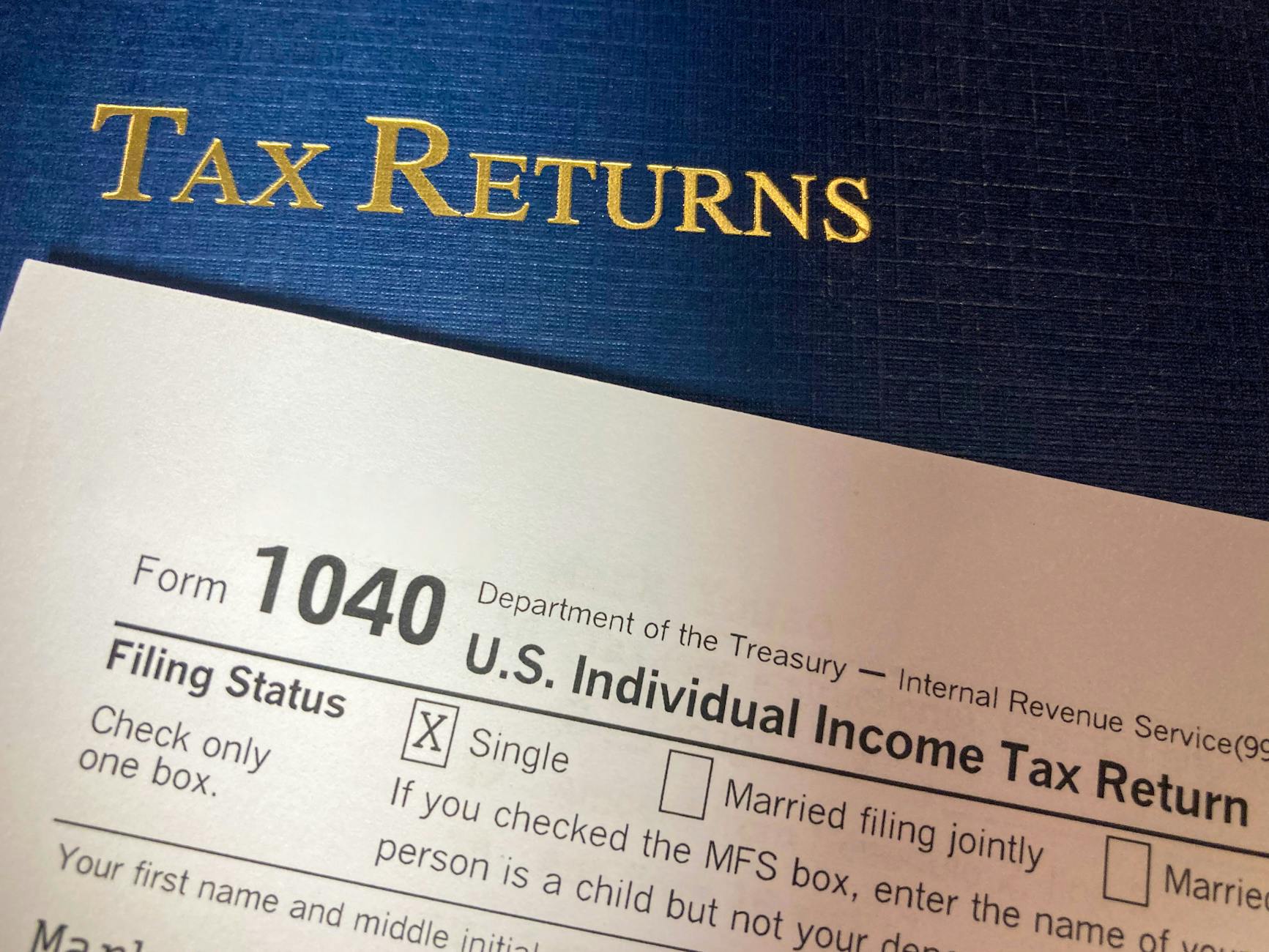
Over the past decade, the share of Americans who believe that their income-tax bill is unfair has climbed by 14percentage points. A majority of Americans, in both parties and at all income levels, say that they are kicking in too much. The National War Tax Resistance Coordinating Committee, which teaches people how to conscientiously object to income levies, reports surging interest in its training sessions. Grassroots groups around the country are fighting to “ax the tax.” Most people want rates to go up—just not on them.
Someone should pay taxes, but not me. I like the government programs I participate in (if they even know they are government programs – see later in the article) but someone else should fund them. The money should come from someone or somewhere else.
What does this lead to in the long run? On the NIMBY development side, it tends to put a buffer around wealthier communities who have the resources and voice to fight against development they do not want. Would the tax case equivalent be that certain groups are able to avoid higher taxes being placed on them or certain groups are able to obtain tax cuts while others are not?
At the local, state, and federal levels, it will be interesting to see how different taxing bodies try to close budget holes. There have to be some revenue sources – or cuts? – to make ends meet.

