
Amazon is expanding delivery via drone to more metropolitan markets in the United States:
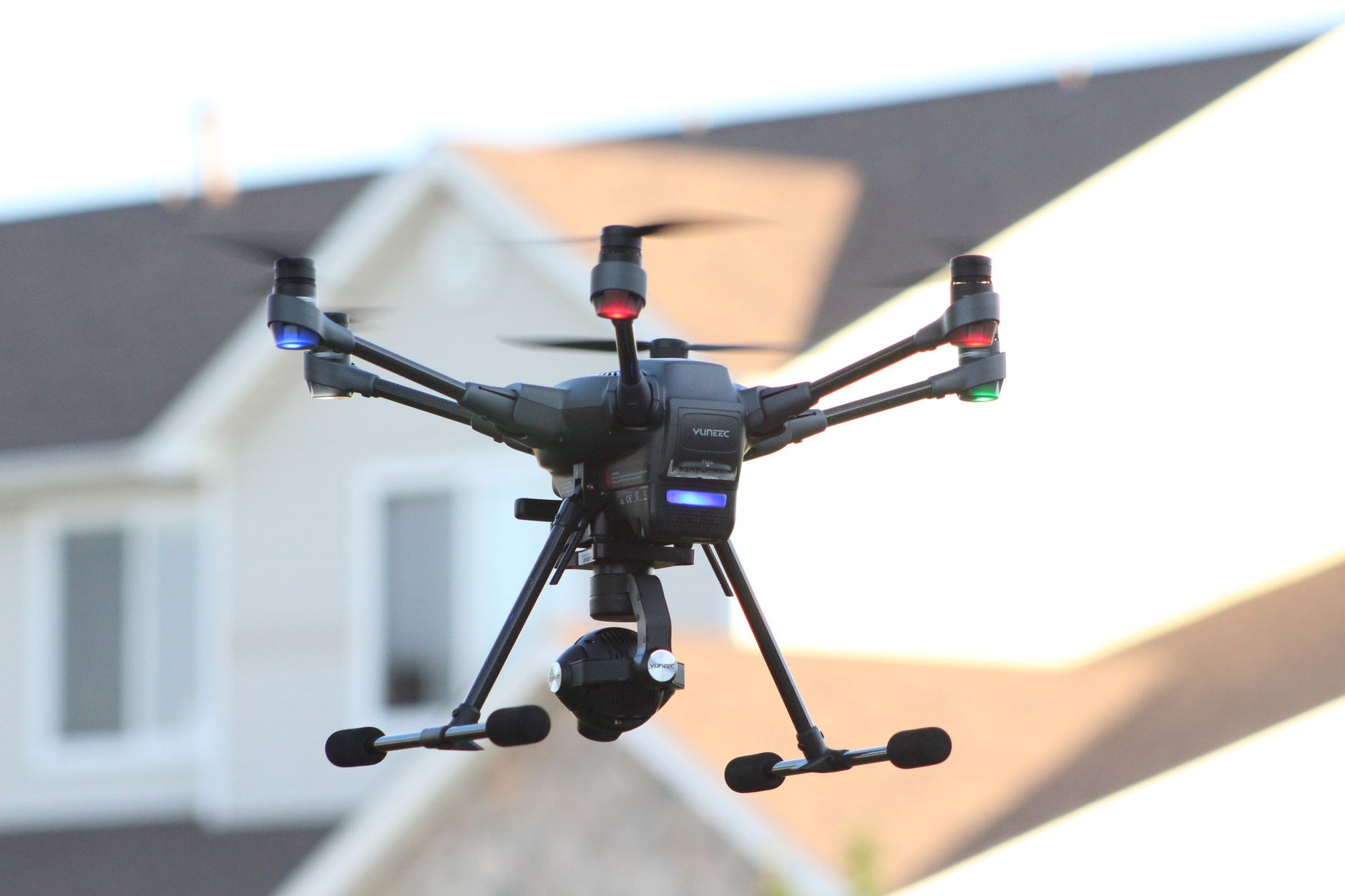
Amazon said Wednesday it plans to offer drone deliveries in nearly 500 U.S. cities and towns by the end of the year, a sign of momentum for a project that’s been slow to develop since founder Jeff Bezos first laid out his vision for the service almost 13 years ago…
Carbon projected at the time that Prime Air will make 1 million deliveries this year, and said Amazon has the “highest demand drone delivery service in the industry.” The company said Wednesday it made hundreds of thousands of deliveries so far this year, and makes thousands daily…
Amazon in 2024 received a critical greenlight from regulators to conduct long-range drone deliveries, and over the past year has expanded beyond initial markets near Dallas and Phoenix to 11 metro areas, with six other locations coming online soon. Residents in some of those markets continue to raise concerns about drone noise and privacy and how those issues could hurt property values.
And there are other drone delivery competitors in this space:
It’s a nascent space, but one where Amazon faces competition. Alphabet’s Wing crossed 1 million commercial drone deliveries earlier this year, and it operates in 20 U.S. markets through partners like Walmart and DoorDash. Drone delivery startup Zipline operates on four continents and has made 2 million deliveries so far.
Suburbanites tend to like private, quiet spaces. The ideal of the separate single-family home in nature is still alive and well.
Would drone deliveries interrupt this? I imagine drone deliveries will tend to be to the front door of an address – this is the more public facing side – but suburbanites might still see and hear drones overhead. The stillness of the backyard might now include the sound of a drone making a delivery to the front door. Looking up at suburban trees and skies might now include seeing a tethered delivery taking place nearby.
Americans have accepted all the trucks and traffic that go with the modern online economy and all its online ordering. If they can order something and have it within a day or two, adding to the roads is an acceptable tradeoff. Will they feel the same way about drones? Or perhaps the drones could be sold as limiting the need for trucks and street deliveries; roadways will be clearer for Americans to drive on because delivery congestion is now overhead.
Perhaps some HOAs could try to ban drone deliveries to individual address and instead have a delivery pad or station for a neighborhood. Perhaps those with more space and/or resources could create a delivery space for drones at their preferred location so they can keep the drones out of sight.

