
In the early days of American shopping malls, one of their appeals was that they had big, free parking lots. Compared to parking situations in urban downtowns or main streets in smaller communities (fewer spaces, parking meters, more traffic), shopping malls made it easy to get in and out by car. Paying for parking would not be needed.
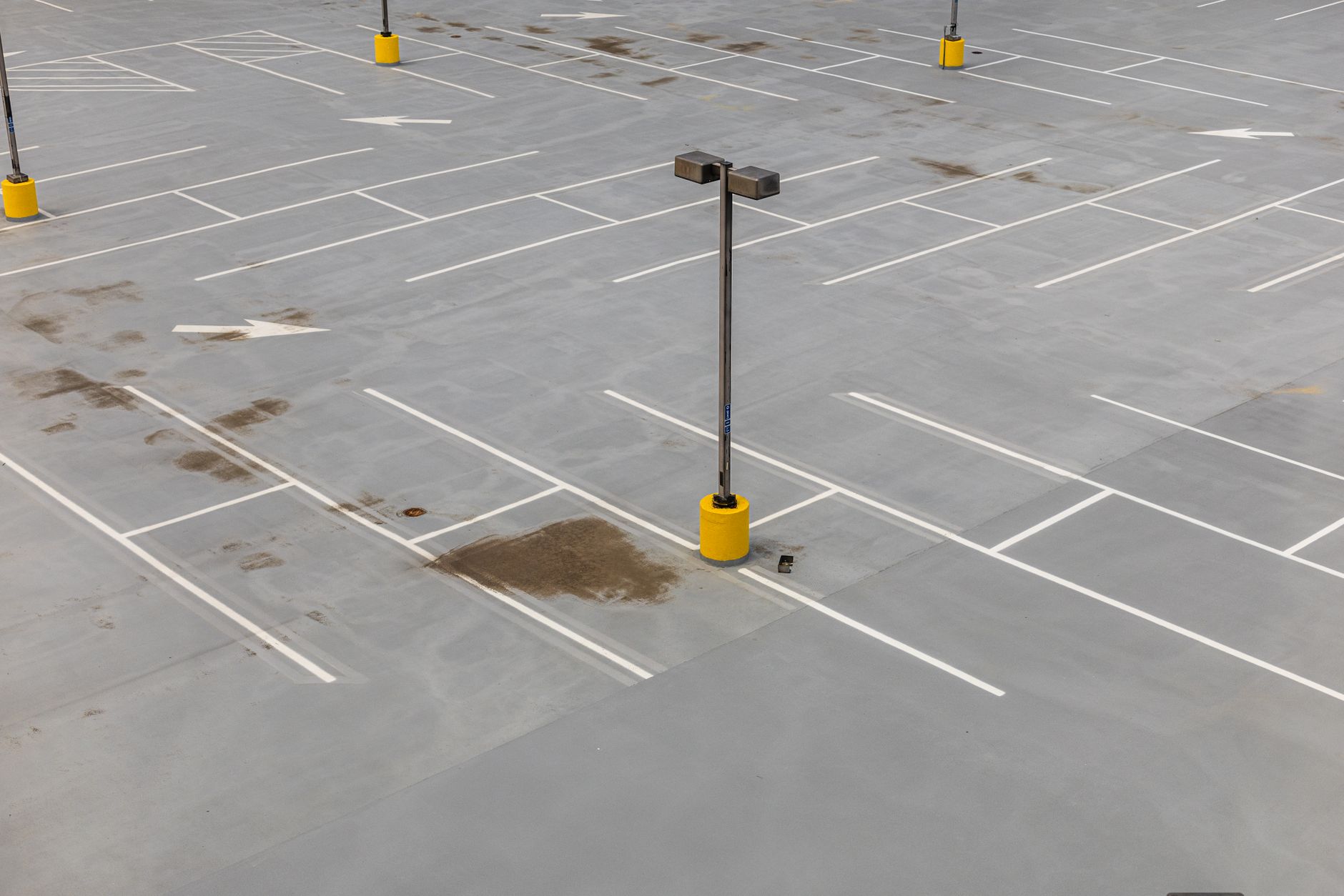
Some malls have recently offered paid parking for parking spots closer to the mall. This story describes some of the reactions:
Signs instruct shoppers to scan a QR code or send a text message to a five-digit number to shell out $2.45 for the first hour and $2 for every hour after that. The cap is $10.45 a day…
In all, 23 malls out of over 95 GGP properties offer “preferred” parking across the country, according to spokesperson Lindsay Kahn…
Free mall parking is the latest complimentary perk on the verge of extinction. For some budget-conscious consumers, it’s the final straw, like a cover charge just to spend more money. Or as one Redditor put it: “Pay us so we can take your money.”
Jay Reed captured the collective exasperation in a popular video on his YouTube channel: “They’re Now Charging To Park At Malls And People Are LOSING IT.”…
Some annoyed shoppers say they will just spend their money elsewhere. Others have a simpler solution. “Amazon,” one Facebook commenter said. “Free parking.”
Given the state of brick and mortar retail, perhaps starting to charge for parking will not help. As stated above, why hassle with the possibility of paid parking when you can order online “for free”?
Americans expect parking to be free or cheap. Much of American life relies on driving and people expect to be able to park near where they want to go for no or little cost. Whether it should be free or cheap is a different question – should parking pay for its own maintenance and/or impact? can businesses make money off parking? – from whether Americans expect to have free parking.
I wonder if malls could pitch the paid parking as part of an ongoing shift of shopping malls from retail to entertainment broadly defined. People pay for parking at sporting events and concerts. If paid parking is part of a unique entertainment experience and not just maybe buying something, would people be more willing to pay?
Or, as some communities have done, another approach would be to reduce the number of parking spots malls are required to have. If they could instead develop more of the out-lot space, perhaps they could generate the money they want without having to resort to charging for parking.

