
Flock cameras are facing resistance in a number of American communities. But why such resistance when Ring cameras are common and other home devices can have cameras? Indeed, many consumer products can contain cameras:
This week at the international home appliance exhibition IFA 2026 in Berlin, appliance maker Miele unveiled a smart dishwasher. It comes with an app so you can keep tabs on its performance, and the ability to automatically run during off-peak electricity hours. It’s also equipped with a camera on the inside of the door, all the better to monitor your dishes and make sure the machine can accurately meet your “personal preferences” when it comes to washing them.
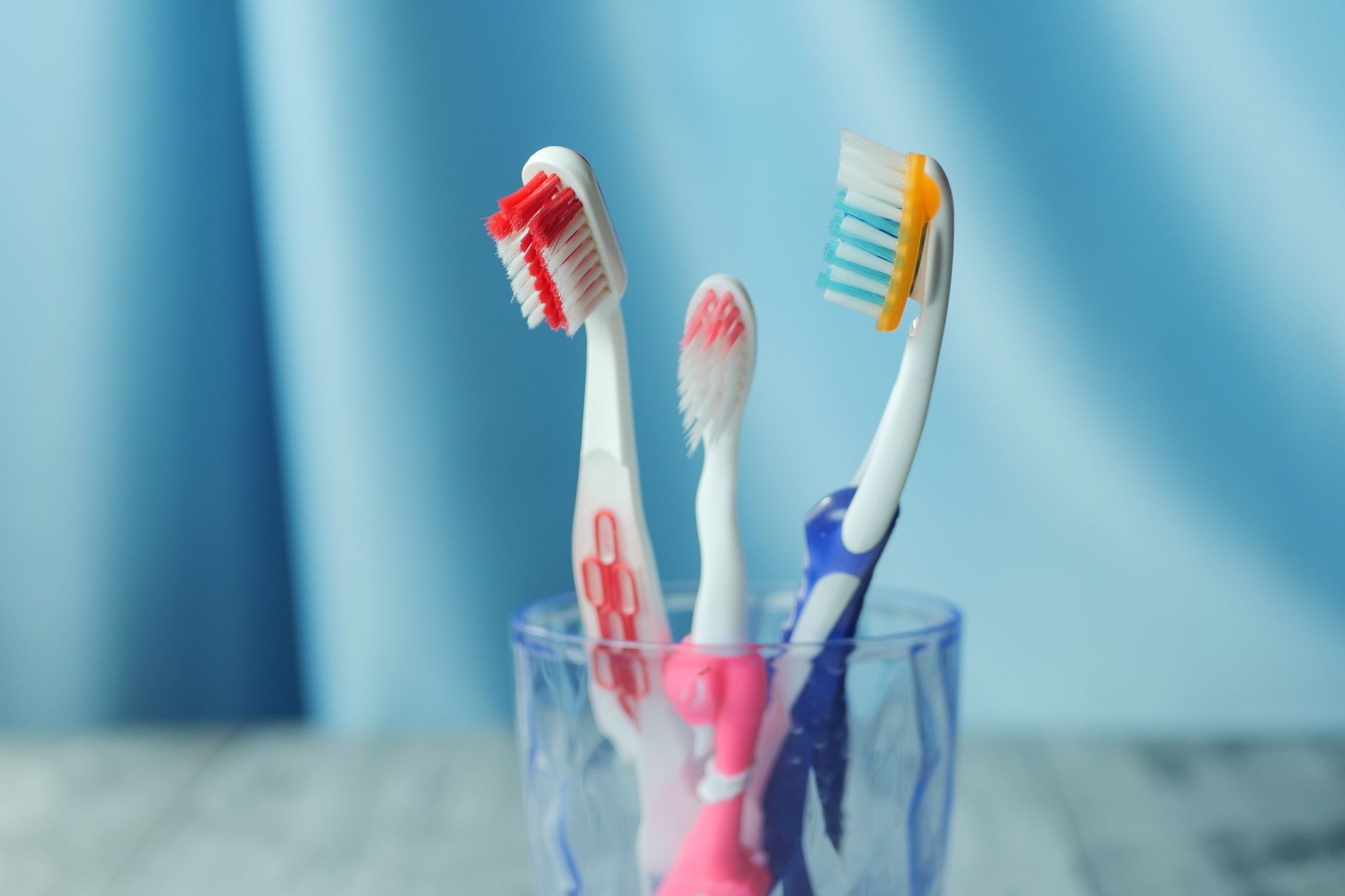
Cameras have been the name of the game in the appliance world for some time now. Smart ovens, refrigerators, and doorbells have all gotten the camera treatment, attempting to close the gaps of mystery in our daily lives. Miele isn’t the only company joining in on the trend this month: Dyson just rolled out a $500 electric toothbrush that uses a tiny, 100,000-pixel macro-lens camera to livestream what’s going on in your mouth, as you brush, to an audience of one (you). Allegedly, these cameras help everything run easier, and faster. The dishwasher camera tailors washes for optimal energy efficiency and finally solves the mystery of what goes on inside there during the cycle. The toothbrush camera targets interdental cleaning, helping your teeth stay in pristine condition between dentist-office cleanings. The fridge camera can track your groceries, and the doorbell camera clears up any confusion around who might be at your door while you’re away.
For consumer products, potential buyers can decide not to buy them. As of now, there are plenty of toothbrush and dishwasher and refrigerator options without cameras. That could change in the future but if there are not sales for these devices, that might not happen.
Perhaps people are more okay when they feel they can control the camera more. A dishwasher camera is hopefully only going to look in the dishwasher. The owner can disable the camera or control the machine if desired. Or perhaps they trust Miele, a company, more than law enforcement, with whatever data the camera generates. And plenty of households have smart devices that can listen.
The trade-off of privacy for new technology started a long time ago. Having cameras everywhere is not inevitable. The Flock cameras could proliferate because many residents and communities are worried about crime. Ring cameras are common because residents were worried about their property. People will accept cameras if they feel they get something sufficient in return. Some are not feeling that way about Flock cameras. They might feel better toward toothbrush cameras in the future. If a toothbrush camera could reduce the need for dentist visits, would people purchase them? I’m sure someone is trying to figure what it would take.

