What is in the name of a new suburb, Calgary edition

As the suburbs of Calgary expand, how are new community names selected and who approves these names?
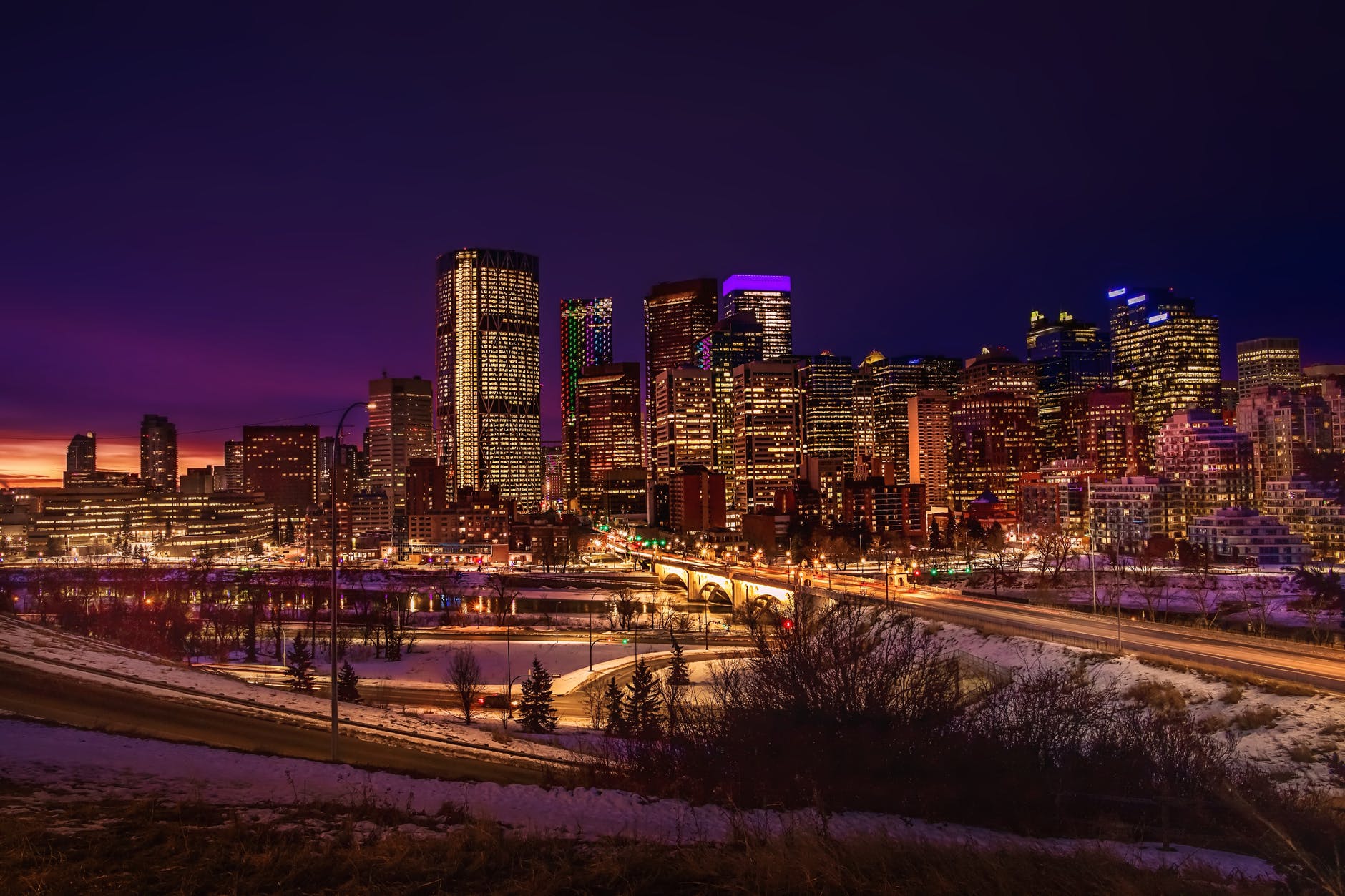
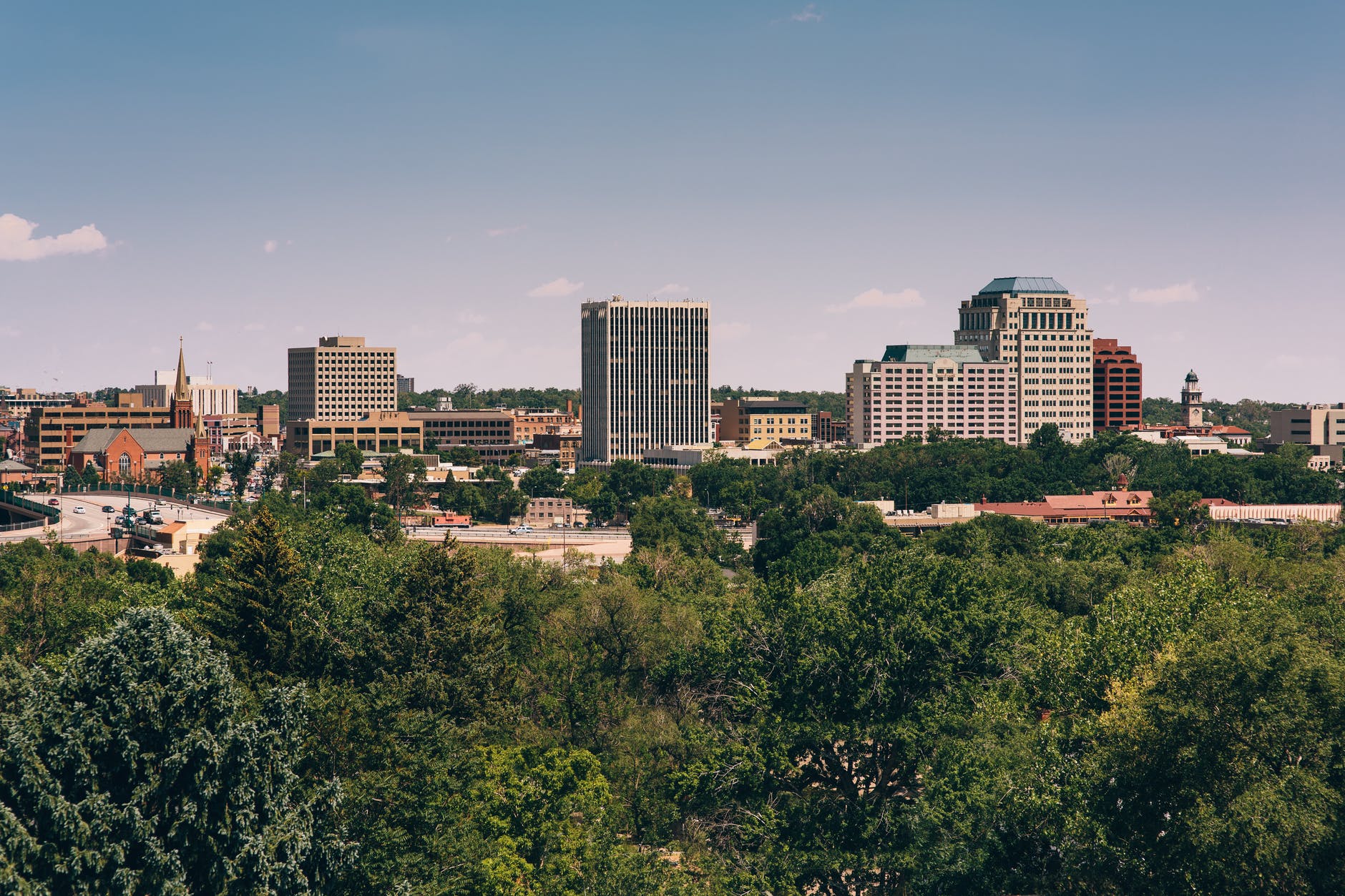
Photo by Lisa Bourgeault on Pexels.com

Just last week, a committee of city councillors discussed a report on eight yet-to-be-approved new suburbs, including a proposed community called “Nostalgia.”…

Tuscany? No offence to residents of this northwest suburb, but it has little in common with the birthplace of the Italian Renaissance.

Walden? Yes, there’s a pond — located a short drive from the McDonald’s, TacoTime and Save-On Foods. I doubt Thoreau would find much solitude.

And don’t get me started on Ambleton, currently under construction at the far north end of the city. As in, you can “amble” past monotonous rows of houses along Ambleside Avenue and Ambleton Street and other future roads with proposed names like Amblefield, Amblehurst and Ambledale…

These bad names are a shame because Calgary is rich in history and stories. Community names, which will outlast all of us, are a chance to show this off…

Calgary has long had a naming policy. Its current version states that community names “should either reflect Calgary’s heritage or local geographic feature(s) including flora and fauna, and/or further a sense of community.”

Yet, somehow, council approved a community named Cityscape, even after a 2013 city report said that name “could imply any part of Calgary,” and can be shortened to “City,” which is plain confusing. 

The names of suburbs are indeed interesting to consider. They are marketing tools to differentiate a new community or subdivision from existing locations while also drawing from a similar playbook to not be too unusual within suburbia. They are often generic names intended to appeal to suburban values, whether that involves nature or nostalgia (perhaps literally as suggested above) or likeable destinations or middle-class values. Names can be changed later in a community’s existence, but this is not common.

It is intriguing that there is an official naming policy, even if it is applied inconsistently or could be improved. In the United States, subdivision names likely need approval from a municipality or whatever local government body approves the development. For a new suburb or community, someone considers that name. But, I have not run into written naming policies or guidelines in American contexts.

On a related note, see this name generator for Chicago area suburbs.
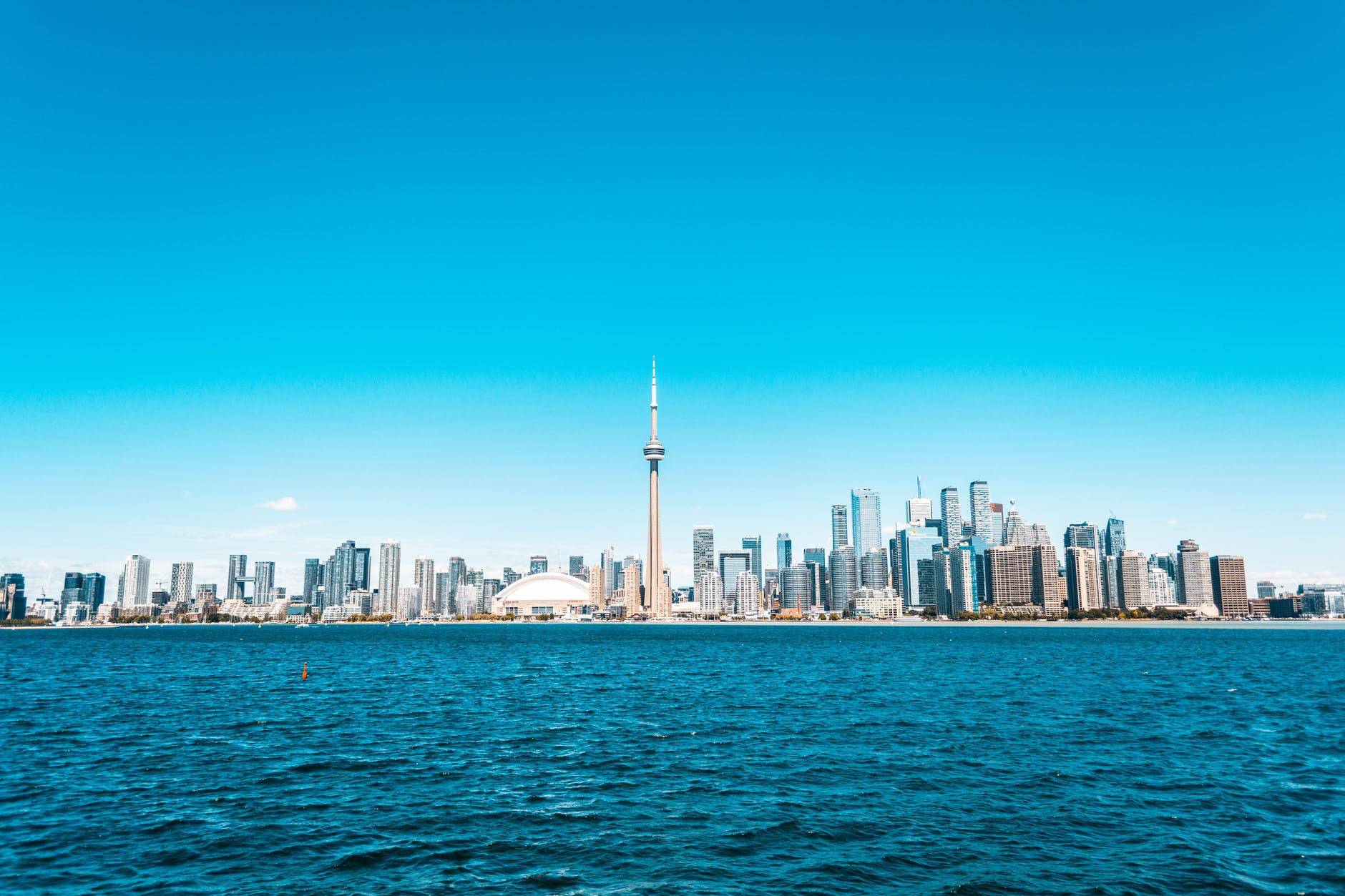
Alphabet’s proposed Toronto “smart city” project vs. a new development more about nature and people

A new Toronto development is in the works where Alphabet once had plans for a “smart city” project:

Photo by Luis Ruiz on Pexels.com

In every way, Quayside 2.0 promotes the notion that an urban neighborhood can be a hybrid of the natural and the manmade. The project boldly suggests that we now want our cities to be green, both metaphorically and literally—the renderings are so loaded with trees that they suggest foliage is a new form of architectural ornament. In the promotional video for the project, Adjaye, known for his design of the Smithsonian Museum of African American History, cites the “importance of human life, plant life, and the natural world.” The pendulum has swung back toward Howard’s garden city: Quayside 2022 is a conspicuous disavowal not only of the 2017 proposal but of the smart city concept itself.

To some extent, this retreat to nature reflects the changing times, as society has gone from a place of techno-optimism (think: Steve Jobs introducing the iPhone) to a place of skepticism, scarred by data collection scandals, misinformation, online harassment, and outright techno-fraud. Sure, the tech industry has made life more productive over the past two decades, but has it made it better? Sidewalk never had an answer to this…

Indeed, the philosophical shift signaled by the new plan, with its emphasis on wind and rain and birds and bees rather than data and more data, seems like a pragmatic response to the demands of the present moment and the near future. The question is whether this new urban Eden truly offers a scenario that will rein in global warming or whether it’s “green” the way a smart city is “smart.” How many pocket forests and neighborhood farms will it take to cool the planet?

Whatever its practical impact, renderings of the new version of Quayside suggest a more livable place. The development promises something incredibly obvious that the purveyors of the smart city missed: a potential for daily life to be pleasurable. As MaRS Discovery District CEO and tech entrepreneur Yung Wu puts it: “What is the vision that inspires people to want to live here, to work here, to raise their families and children and grandchildren here? What is it that inspires that?”

“It’s not a smart city,” he concludes. “It’s a city that’s smart.”

I wrote about the earlier project here and it is interesting to see this update. I would guess the “smart city” will still come but perhaps through different forms including more incremental changes, smaller and less high-profile projects that test the concepts first, and perhaps through examples in other countries where guidelines and regulations are different.

Additionally, does this mean Alphabet and similar companies will no longer pursue such projects or will they seek more favorable conditions? Or, what happens if tech companies provide a more convincing argument that tech and nature can go together in urban forms?

At this point, it is hard to imagine tech retreating much but how exactly it continues to develop and merge with urban and built spaces remains to be seen. It is one thing to push technology through individuals or private actors but it is another level to build it in into the infrastructure from the beginning.

The billions in sales generated in a big suburban edge city

Joel Garreau defined an edge city as a suburban place with lots of office and retail space. Just how much retail activity takes place? A recent report found the edge city of Naperville, Illinois generated billions in sales in 2021:

Photo by Pixabay on Pexels.com

Naperville continues to reign as the top suburb in retail sales for the fifth year in a row, a recent report shows.

The city in 2021 recorded sales of $4.3 billion, $540 million more than No. 2 Schaumburg, according to the annual report from Chicago real estate and retail consultants Melaniphy & Associates…

For Naperville, 2021 restaurant and bar sales climbed to a record $443 million, up 34% from 2020′s pandemic plummet to $330 million after hitting $431 million in 2019…

By far the largest contributor to retail sales in Naperville is under the automobile dealership and gasoline category.

In 2021, Naperville figures rose by 33% over the previous year to $1.7 billion, which was the highest percentage increase throughout the Chicago metropolitan area, according to the report.

Some of the lead for Naperville could be tied to their large population and land area. Many suburban communities are not this big. For example, Schaumburg has roughly a little more than half the population of Naperville and about half of the land area.

But, I am more interested in the absolute figures. One suburb had over $4 billion in sales. This is a lot of money in one community. And hundreds of millions were spent in numerous categories, including restaurants, groceries, cars, and lumber, hardware, and building supplies.

Naperville has several areas that help generate these sales. In northeast Naperville, Ogden Avenue and Diehl Road (and adjacent areas) have retailers, restaurants, automobile related businesses, and more. Downtown Naperville is a vibrant food and retail scene. The Naperville area adjacent and near the Fox Valley Mall has a lot of activity. Business activity in southwest Naperville is a more recent addition.

In short, Naperville is not just a bedroom suburb with a high quality of life: it is full of retail activity even as it contains thousands of homes and dozens of subdivisions.

New “Unvarnished” exhibit on Naperville’s exclusionary past

A new project from Naper Settlement shows how Naperville – and several other communities – excluded people for decades:

https://www.unvarnishedhistory.org/local-spotlights/naperville-illinois/

For more than 80 years, Naperville was a sundown town. After working in a household, farm or factory during the day, people of color had to be gone from Naperville by sundown…

A historical look at how diversity in the city and five other U.S. towns grew despite decades historic discriminatory practices and segregation is featured in a free online exhibit spearheaded by Naper Settlement and the Historical Society of Naperville.

“Unvarnished: Housing Discrimination in the Northern and Western United States,” found at UnvarnishedHistory.org, was developed through a $750,000 Institute of Museum and Library Services Museum Leadership grant. The Naperville historical museum and five other museums and cultural organizations collaborated from 2017 to 2022 to research and present their community’s history of exclusion…

“It is our hope that this project will act as a model and inspire other communities to research, share and reflect upon their own history. It is through this process that we are able to engage with the totality of history to better understand today and guide our decision-making for the future,” she said.

In doing research on Naperville and two other nearby suburbs, I had uncovered some of what is detailed in this exhibit. However, the local histories of the community rarely addressed any of this. Instead, they focused on the positive moments for white residents, typically connected to growth, progress, and notable members of the community.

Such an exhibit suggests a willingness for Naperville and other communities to better grapple with pasts built on privileging some and keeping others out. The history of many American suburbs include exclusion by race, ethnicity, and social class. This could happen through explicit regulations and ordinances, through regular practices, or through policies and actions not explicitly about race, ethnicity, or class but with clear outcomes for different groups.

As noted in the last paragraph above, hopefully these efforts do not end with past history but also help communities consider current and future patterns. For example, decisions about development – like what kind of housing is approved – influence who can live in a community.

If Colorado wants to become home to Disney and be the anti-Florida, would all the evangelical organizations in Colorado Springs want out?

As Florida moved to revoke the local governance power granted by the state to Disney, Colorado Governor Jared Polis extended a welcome to Disney:

Photo by Erick Todd on Pexels.com

Colorado Governor Jared Polis has invited Disney to relocate to Colorado after Florida Governor Ron DeSantis’ “socialist attacks” on the company.

“Florida’s authoritarian socialist attacks on the private sector are driving businesses away,” Polis tweeted on Tuesday. “In CO, we don’t meddle in affairs of companies like @Disney or @Twitter.”

Polis then made his pitch for a new theme park in Colorado. “Hey Disney we’re ready for Mountain Disneyland,” he continued—a statement DeSantis’s office told Newsweek was “an odd invitation.”…

Polis also invited Twitter to launch headquarters in Colorado, regardless of “whoever your owners are.”

States fight over companies and jobs regularly, even as this round includes a particular culture war dynamic.

I am interested in the possible fallout for the cluster of evangelical organizations in Colorado Springs. While Colorado as a state made have made several decisions in the last decade or so toward blue status, it has longer featured two centers of power: a more progressive Denver and Boulder and a more conservative Colorado Springs. Even though the latter center has fewer residents than the cities to its north, it is home to many evangelical organizations. The profile of the city was particularly boosted by the move of Focus on the Family from the suburbs of Los Angeles to Colorado Springs in the early 1990s and the rise of local megachurch pastor Ted Haggard to president of the National Association of Evangelicals in the 2000s.

Would a continued shift left in Colorado lead evangelical organizations to want to go somewhere else? Some of the factors that made Colorado Springs attractive in the first place might still be there but the political climate and state policies less friendly. And where would they go? There might be safer clusters. For example, one study examines three other evangelical parachurch clusters in addition to Colorado Springs – Tulsa, Nashville, Washington, D.C. Would Tulsa and Nashville be safer and/or attractive choices compared to a changing Colorado?

Some city or community might also take advantage of this. Instead of waging a Twitter and media campaign impugning the choices of another state, why not quietly offer tax breaks, a promise of limited red tap and regulations, and a welcome plus reassurance that the evangelicals of Colorado Springs would be welcome in a political environment more to their liking.

The Chicago region has a lot of human capital…and the workers have a stronger work ethic?

A recent article discusses the potential workers in the Chicago region and how hard they work:

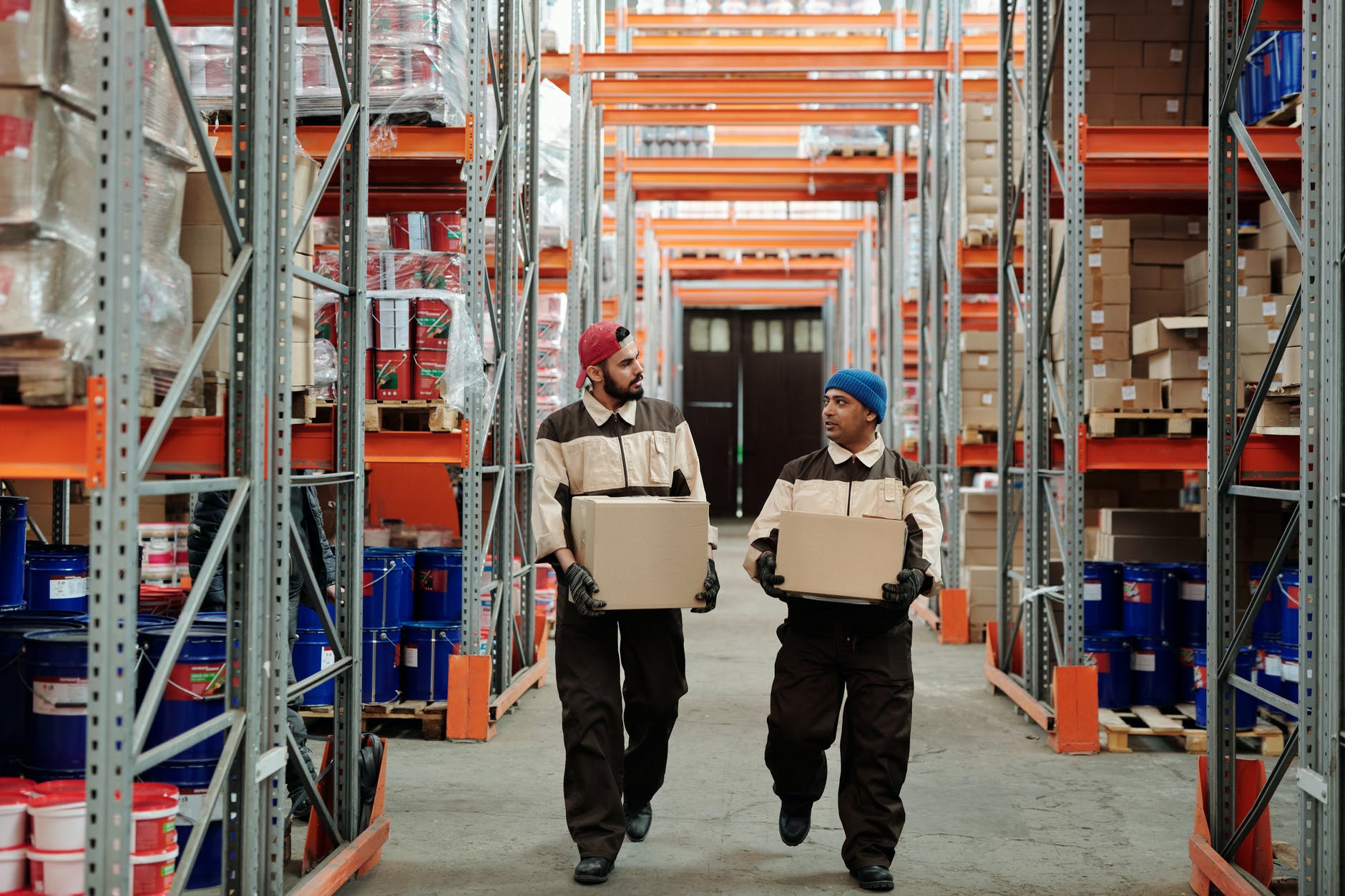
Photo by Tiger Lily on Pexels.com

“Probably the strongest work ethic of laborers is the folks in the Midwest,” the Houston-based founder of SparrowHawk Real Estate Strategists said, definitely not rhyming. “They’re just, I don’t know what they put in the water there, but they’re hard workers. And so you’ve got a good labor force.”…

Illinois Manufacturing Association president and CEO Mark Denzler recalls a businesswoman who recently moved her small manufacturing operations of about 50-70 workers to Mississippi with the goal of saving on costs. She regrets the decision, he said…

“When I’m around the warehouse workers in the Midwest — Chicago and all these other Midwestern cities — they’re different than the folks in the southeast and the folks in the West Coast. They just have a different work ethic,” he said…

“It would be really hard. I’d be suspicious of anybody who said they can do it,” Bruno said. “But there is this strong experience with work in the Midwest that it’s part of your development. It’s connected to your health and well-being.”

Contrary to the final paragraph above, I bet this could be measured. But, what would it show? And how would workers in Boston or New York City or Atlanta or San Francisco respond to the argument that Chicago workers have a stronger work ethic? Or, within the Midwest and Rust Belt, how about workers in Milwaukee, Cleveland, or Pittsburgh?

This is part of a bigger narrative about Chicago. it is part of its character. Even as it is a global city with an important finance sector and many professional and white-collar workers, it imagines itself as a blue-collar city relying on manufacturing. The loss of manufacturing jobs in the last sixty years hit Chicago hard, as it did many cities, yet the narrative continues.

I would be interested in a more recent study that looks at how residents of the Chicago area think about the purported work ethic. Does the narrative hold across locations, groups, and occupations? Does the idea of “the city that works” extend throughout the region and different kinds of workers?

Imagining St. Louis as the capital of the US

It is fascinating to consider (1) a different capital in the United States in the center of the country and (2) a different center to the Midwest:

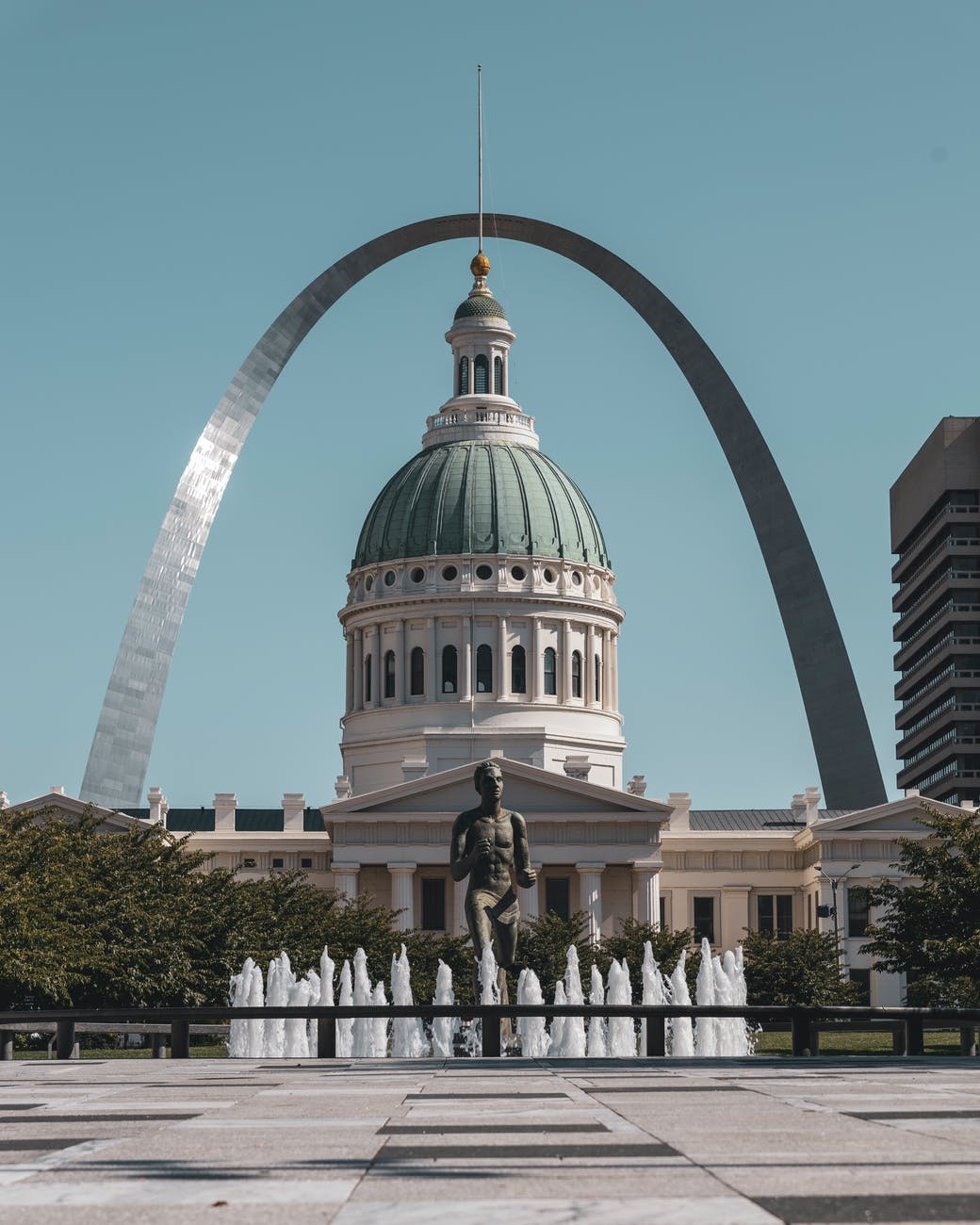
Photo by Nick Haynes on Pexels.com

In some ways, Arenson says, St. Louis was at the heart of these questions. Geographically, it was located where North, South and West came together. It had been a slave state, but had not seceded. It was central to many railroad lines. And it was growing at a remarkable place—it would rise from the country’s 24th most populous city in 1840 to the fourth biggest in 1870.

No one was more convinced of the importance of St. Louis than local businessman and booster Logan Uriah Reavis. Reavis was a remarkable man, with a remarkable appearance. He wore a long, messy red beard and walked bent over a cane due to a childhood illness. Born in Illinois in 1831, he failed in his early career as a schoolteacher “when the students ridiculed him ceaselessly,” according to Arenson’s book. In 1866, he arrived in St. Louis intent on starting a newspaper and elevating the image of his adopted hometown.

Reavis wasn’t the first to suggest the city as a new capital for the nation. In 1846, St. Louis newspapers claimed that the move would be necessary to govern a country that grew significantly in size after the end of the Mexican-American War. But Reavis may have been the most outspoken supporter of the cause. He presciently envisioned a United States stretching not just out to California but up to Alaska and down to the Gulf of Mexico. And he saw St. Louis as the obvious place for the government of this mega-United States: “the great vitalizing heart of the Republic.” In contrast, he wrote, Washington was a “distant place on the outskirts of the country, with little power or prestige.”…

In response, between 1867 and 1868, three House representatives from the Midwest proposed resolutions to move the capitol toward the middle of the country. As historian and educational publisher Donald Lankiewicz writes for History Net, the first two of these stalled in the Ways and Means committee. But a third, introduced by Wisconsin Representative Herbert Paine in February 1868, came to a vote on the floor. Eastern congressmen saw the proposal to move the seat of government to somewhere in the “Valley of the Mississippi” as a joke. But it shocked them with the amount of support it received, ultimately failing by a vote of just 77 to 97.

This story sounds very American: local boosters combined with an expanding frontier and disorder after the Civil War to produce a vision for a new capital in a booming city. Even though this did not come to fruition, it sounds like there was a short window in which is could have happened. And then what would have happened to Washington, D.C., one of the most important cities today?

I also cannot help but contrast this to the fate of St. Louis after this era. I recently showed my urban sociology class the documentary The Pruitt-Igoe Myth. This documentary puts the infamous public housing project in the context of a city that peaked in population in 1950, lost residents in white flight, and is racially segregated. Add this to the competition with Chicago for the center of the Midwest and St. Louis might be a great story of a city that did not live up to its lofty dreams.

A novel about urbanizing London and its social networks in Dickens’ Bleak House

As London grew tremendously in the 19th century, Charles Dickens tackled the city as the subject of the novel Bleak House:

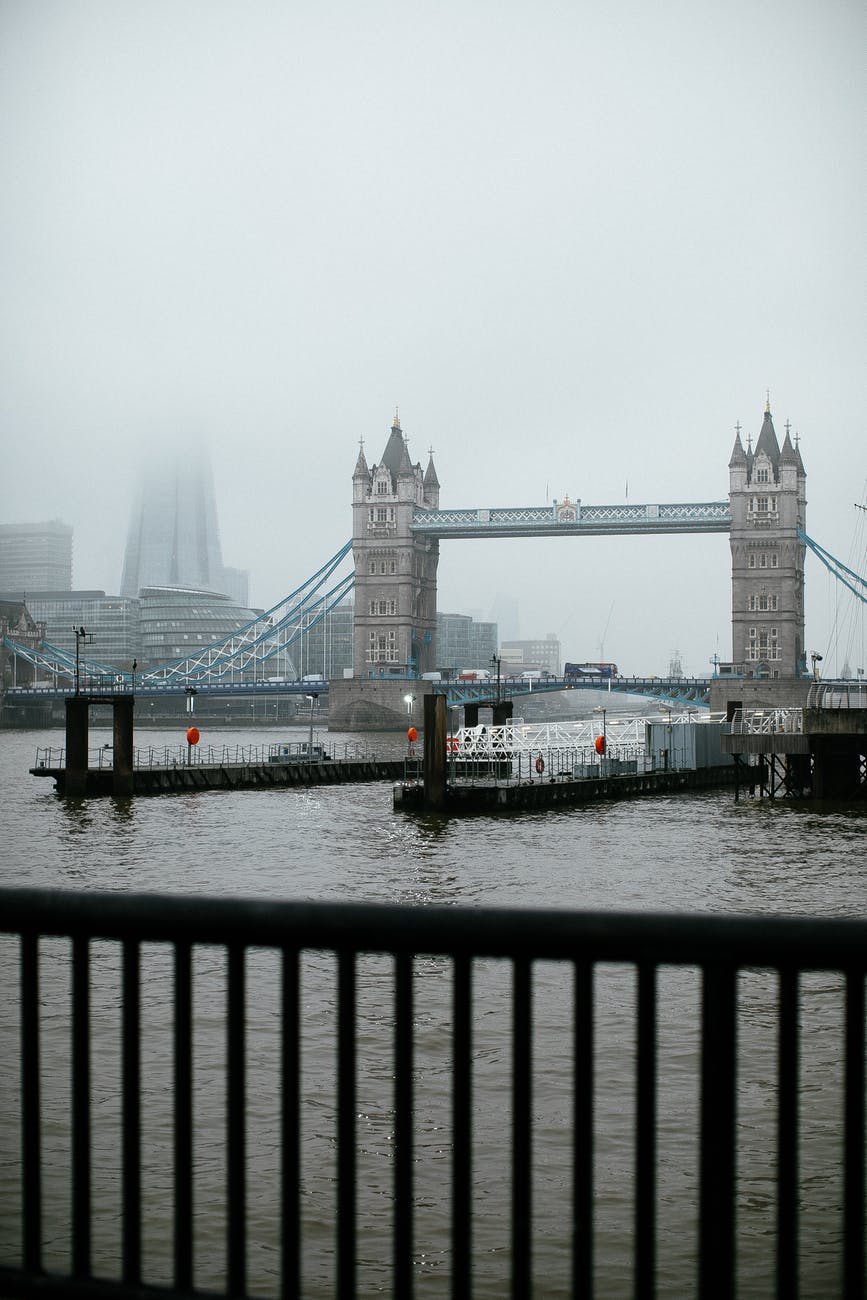
Photo by Lina Kivaka on Pexels.com

In The Turning Point, the literary scholar Robert Douglas-Fairhurst studies Dickens’s mid-career reinvention by zooming in on this single year, 1851. It was the year of the Great Exhibition in London. Marvels from around the world—an enormous diamond from India, saxophones from Paris—were displayed in the Crystal Palace, a colossal structure made of glass. (The young socialist polymath William Morris was reportedly so overcome by the exhibit’s crass materialism that he rushed from the glittering halls and vomited in the bushes.) Beyond the Crystal Palace, the world was becoming modern. The train and the telegraph made long distances feel short. Commentators hailed the progress of industry, as Britain’s robust manufacturing sector exported textiles, steam engines, and more. Yet the streets of London teemed with the starving and desperate. Raw sewage caked the banks of the Thames. Prescient British scientists warned that the destruction of tropical rainforests could yield “calamities for future generations.”…

In late November, Dickens began the work that became Bleak House, determined to wrest the chaotic realities of a world in flux into a narrative shape. Earlier industrial or “social-problem” novels by authors such as Elizabeth Gaskell and Benjamin Disraeli had aimed to document the suffering of workers and poor people; Dickens himself had presented a scorching critique of the Victorian workhouse system in Oliver Twist. With Bleak House, however, he sought to do something different: assimilate the new sensations of urban capitalism—marked by bewilderment, bureaucracy, and the collision of strangers—into a multi-plot novel…

Some authors find it necessary to maintain distance from the society they’re writing about. Dickens felt the opposite. The world he created in Bleak House arose from his enmeshment in the city of London and his familiarity with the streets on which he walked as many as 20 miles a day. From its first word—“LONDON”—Bleak House announces itself as a study of contemporary urban life…

Through images of shared engulfment—fog, mud, disease—Dickens joined together seemingly disparate elements of modern life. He also presented an implicit case for social reform. By tracing the vectors that link various levels of society, such as disease, kinship, and the simple fact of shared residence in London, Dickens encouraged his readers to think of the rich and the poor as, in Douglas-Fairhurst’s summation, “parts of the same story.” Processing the chaos of London through a powerful and idiosyncratic imagination, he depicted a community bound together in a common fate.

The growing cities of Europe in the 1800s did not escape the attention of writers, sociologists, and others. The speed at which cities grew and changed was unprecedented. I would argue that what it all means for human life and society is still being sorted out as we examine and adjust to a highly urban world with huge population centers.

Examining the city in the novel – and in other creative forms – is essential for helping people make sense of new phenomena. It is one thing to produce a factual report about urban change; this number of people moved, here are the conditions in which people live, here is the amount of money flowing in and out, etc. It is another thing to tell the stories of people there and then connect those stories to each other and to the larger whole.

As an urban sociologist, I would be very interested in a literature course that addresses urban novels and literary works.

Why people do not flock to the American cities that keep showing up in the most affordable places to live

I recently saw another list of the most and least affordable metropolitan areas in the United States with a key metric of how many families in the region could purchase a home at the median price. Here are the five most affordable places:

Photo by Ketut Subiyanto on Pexels.com

Home prices and incomes vary widely, and there are oases of affordability, mainly in the Rust Belt and Midwest. The top five most affordable places among metro areas with population of 500,000 or more:

Lansing, Michigan: As a result of modest home prices, 90.6 percent of all new and existing homes sold in the fall months were affordable to families earning the area’s median income of $79,100. The median home price was $155,000 in the fourth quarter of 2021, the builders’ index says.

Scranton-Wilkes Barre-Hazleton, Pennsylvania: Wages here are below national levels, but so are home prices — the median sale price was $150,000 in the fourth quarter. As a result of rock-bottom prices, 88.5 percent of all new and existing homes sold in October, November and December of 2021 were affordable to families earning the area’s median income of $70,600.

Pittsburgh: This metro area has a median family income of $84,800 and a median home price of just $166,000. As a result, 88.4 percent of homes were affordable for typical earners.

Indianapolis. This metro area has a median family income of $81,600 and a median home price of $215,000. As a result, 87.6 percent of homes were affordable for typical earners.

Akron, Ohio: With a median family income of $83,300 and a median home price of $165,000, fully 86.5 percent of homes were in reach of median-income families in the state capital.

Two features quickly stand out: the homes in these regions really are cheap (particularly when compared to local earnings) and they are all in the Midwest/Rust Belt.

Still, I have seen some version of this list many times now and I am not sure what to make of them. Why aren’t people moving to these locations?

The most obvious answers to me: it is not necessarily easy to move and these cities are perceived to have a lack of opportunities (economic, cultural, housing, etc.). American geographic mobility as a whole is down but do people actually move just for cheaper housing? What this list does is highlights that median income families can access median level housing in these five places. Get a decent job and owning a house is possible.

There are other possible answers that get more complicated:

  1. People just do not think of the Midwest/Rust Belt when thinking of places to live. Lack of opportunities, the weather, the middle of the country, a Midwestern blah-ness, etc.
  2. It is not just about a lack of opportunity; these are places seen as on the decline. Even if they are cheaper, who wants to live in a place that has already seen its best days when “growth is good” is a key marker of communities?
  3. These communities are lacking incentive campaigns to try to attract new residents.
  4. These communities may not want too many people to move in because it could drive up prices and bring in outsiders. (Yet, growth is good and many declining communities would do a lot to become a destination again.)

In sum: some American metropolitan areas are much cheaper than others, they have common characteristics, and there are a number of compelling reasons why people do not move to the places with cheaper housing.

Hot rental market in Phoenix and supplying enough housing

In an article about a large and expanding encampment of the homeless in Phoenix, here are some details about how rental prices in the city have shot up:

Photo by Justin Nealey on Pexels.com

“People say, ‘Are you surprised?’ And I say, ‘No, not really, because all of the housing forces in Phoenix and Maricopa County have been working against us for years,’” said Human Services Campus Executive Director Amy Schwabenlender, who works in the area with the encampment, sometimes referred to as “the Zone.” “We’ve had ongoing population increases in Phoenix and Maricopa County. We haven’t had housing production at all income levels keep up and meet that increase in population.”

Real estate investors are pouring cash into Phoenix and driving up prices. Rents there have spiked 25.6% over the past year, compared to a 15.9% increase in the U.S. from January 2021 to January 2022, according to data analyzed by Zillow. (Other popular Sun Belt cities like Miami and Tampa have also seen dizzyingly fast increases in rent.) Vacancy rates in Phoenix, or the availability of places for people to rent, are also at their lowest in 50 years, according to the Arizona Republic

While much of the rest of the article focuses on addressing housing for the homeless, this sounds like a bigger issue. This is an area with a growing population: Phoenix is now the fifth-largest city in the US and had a little over 100,000 residents in 1950 before experiencing double-digit percentage population growth in all but one decade since. Housing opportunities, particularly in rentals, have not kept up. American sprawl often produces a lot of single-family homes but necessarily cheaper houses or multi-family units for those who cannot secure a sizable mortgage.

What can Phoenix and surrounding communities do? Addressing housing in the United States is a difficult task. It will take concerted effort across communities for years. It may not be popular. But, it is essential for ensuring housing for all who need it.

It would be great to have an example of a city and region in the Sun Belt – roughly Virginia to southern California – that has successfully addressed this even as they have experienced significant growth in recent decades. I do not know if there is a great example, outside of some places not becoming too popular such that it raises demand and housing prices.