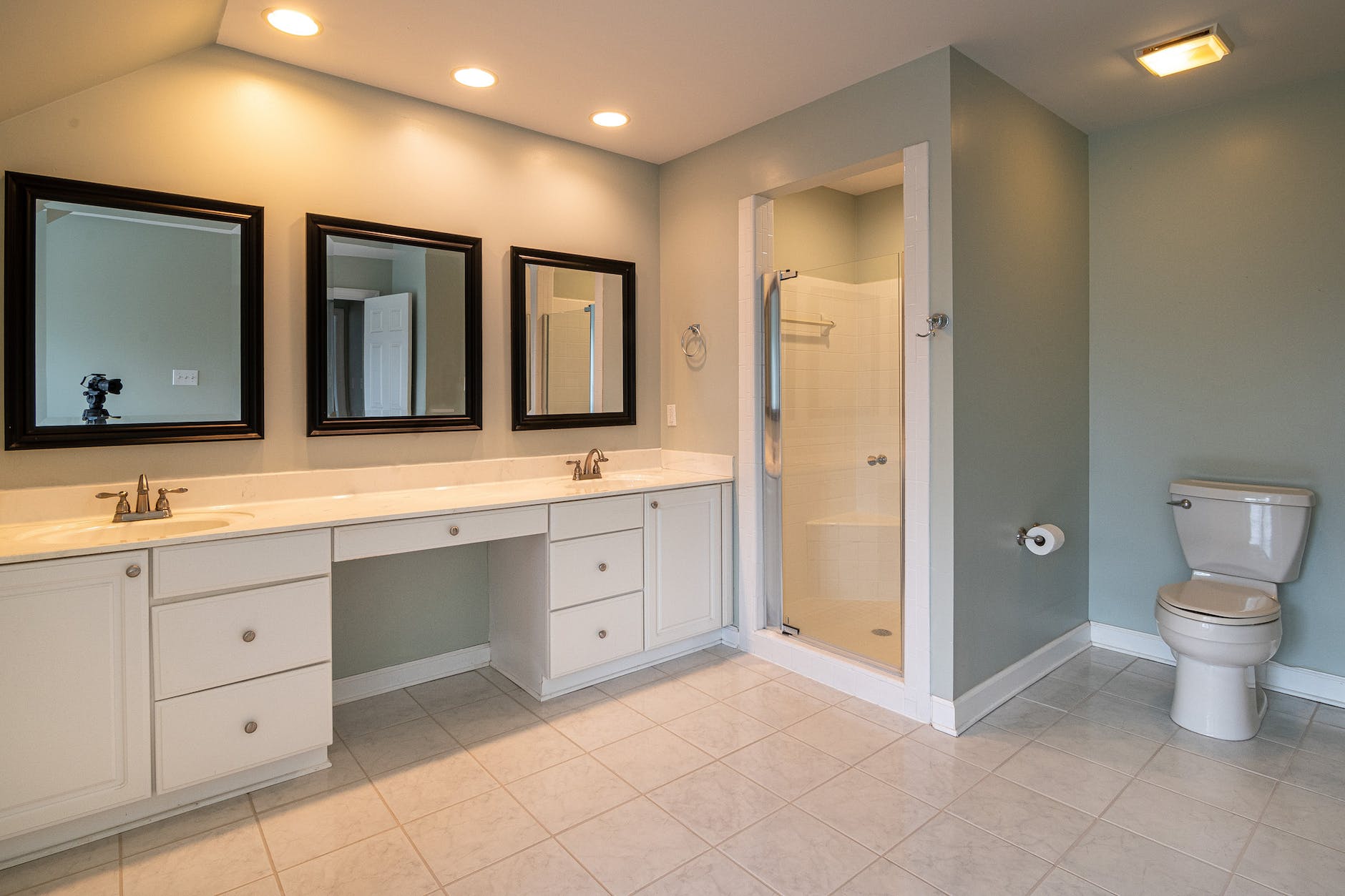
I’m referring to the handful of gargantuan McMansions cropping up now, and, insult to injury, all seem to hug their property line so closely as to case a gray shadow on their neighbor and to heighten the anticipation of hearing the next time your neighbor flushes his toilet. Do these owners have 35 grandchildren to bed over the winter? Or are we seeing the beginnings of a contest to see who can build the biggest and gaudiest house on the island? Nantucket, here we come!
The idea that you can hear the flushing of a toilet from next door might be a bit of an exaggeration. Put this next to the 35 grandchildren and some creative license might be at work.
But, let’s say there might be some truth to this. Are we talking about McMansions within five to ten feet of each other? There may be some windows or doors facing the neighboring home. If it is a quiet neighborhood, house noise might travel. Residents of single-family homes tend not to like noise from nearby (examples here and here).
If it is a sizable home, could a neighbor identify which bathroom is the source of the noise? A home of over 3,000 square feet could have numerous restrooms. Perhaps some are located closer to exterior walls. Perhaps some have louder commodes than others. Perhaps some bathrooms are used more regularly.
While the noise isn’t as much of an issue with indoor courts and outdoor courts away from residential neighborhoods, it’s become a nuisance for folks like Matulyauskas, who lives within yards of a converted tennis court at Abbeywood Park in Lisle…
There are websites and online forums dedicated to pickleball noise, and decibel meters are keeping tabs on “pop pop pop” levels from coast to coast.
Legal action to stop the noise is ongoing in communities from Arlington, Virginia, to Phoenix, Arizona…
In response, the park district installed Acoustifence soundproofing panels to mitigate the sound…
The Naperville Park District is investing more than $500,000 in new pickleball courts at the Frontier Sports Complex. To deaden the noise, officials there also installed natural buffers such as vegetation, berms and fencing.
Suburbanites often express concerns about noise regarding nearby land uses or proposed development. This can range from traffic noise to school noise to loud music to firework use during what they think should be quieter hours. The assumption is that life among single-family homes is supposed to be quiet.
Generally, suburbanites would see parks as amenities. They provide green space and recreational options. But, perhaps many would not want to live right next to one? Being near a park could include noise from playgrounds, ball games, pools, mowers, and more. The communities discussed above tried different options, like sound-dampening surfaces or particular hours for play.
As another park noise example, I was surprised not only to see a new basketball court recently but also to note how close the court was to nearby homes. The sound of bouncing basketballs can reverberate on exterior surfaces, plus whatever additional noise is generated by people playing.
This dynamic—front-yard proclamations contradicted by backyard policies—extends well beyond refugee policy, and helps explain American 21st-century dysfunction.
The front yard is the realm of language. It is the space for messaging and talking to be seen. Social media and the internet are a kind of global front lawn, where we get to know a thousand strangers by their signage, even when we don’t know a thing about their private lives and virtues. The backyard is the seat of private behavior. This is where the real action lives, where the values of the family—and by extension, the nation—make contact with the real world.
Let’s stick with housing for a moment to see the front yard/backyard divide play out. The 2020 Democratic Party platform called housing a “right and not a privilege” and a “basic need … at the center of the American Dream.” Right on. But the U.S. has a severe housing-affordability crisis that is worst in blue states, where lawmakers have erected obstacle courses of zoning rules and regulations to block construction. In an interview with Slate, Senator Brian Schatz of Hawaii, a Democrat, took aim at his own side, saying progressives are “living in the contradiction that they are nominally liberal [but they] do not want other people to live next to them” if their neighbors are low-income workers. The five states with the highest rates of homelessness are New York, Hawaii, California, Oregon, and Washington; all are run by Democrats. Something very strange is going on when the zip codes with the best housing signs have some of the worst housing outcomes.
Housing scarcity pinches other Democratic priorities. Some people convincingly argue that it constricts all of them. High housing costs pervert “just about every facet of American life,” as The Atlantic’s Annie Lowrey has written, including what we eat, how many friends we keep, how many children we bear. “In much of San Francisco, you can’t walk 20 feet without seeing a multicolored sign declaring that Black lives matter, kindness is everything and no human being is illegal,” the New York Times columnist Ezra Klein wrote. But in part because those signs sit in front yards “zoned for single families, in communities that organize against efforts to add the new homes,” the city has built just one home for every eight new jobs in the past decade.
The image here is from a single-family home, a familiar symbol and sight in the United States. The front yard is visible to others. Homeowners put certain things in the front yard and do certain things in the front yards. Meanwhile, the back yard is a more private space, often out of sight from the front and even from others with fencing, plantings, and more blocking possibly blocking views.
Is the front yard just performative? For American homes, people put a lot of effort into a lawn, a facade, signs, and more to present a particular image to the world. It is not necessarily fake or inauthentic; it is just one angle available to the public. It can affect perceptions, interactions, conversations.
Perhaps this is similar to front-stage and back-stage from sociologist Erving Goffman? In public settings, we practice impression management and we play particular roles. We perform in ways that align with or resist social conventions. Back-stage allows for less of this.
In the area of housing, I have seen what is described above: when communities have opportunities to discuss and plan for affordable housing or denser housing or cheaper housing, they often throw up obstacles. They are not necessarily opposed to the need for such housing; they just do not want it near them. Housing as an issue ends up being a hyper-local concern as community by community debates development.
Perhaps it is less about front-yard, back-yard and more about general/national versus local. It is one thing to support policies at a national level or for others to follow. It is another to commit to one’s own actions as well. Could a growing YIMBY movement supersede all the NIMBY activity?
Enter Paradise Cove Mobile Home Park, widely considered the most expensive trailer park in America. Home to 256 trailers and manufactured homes, it dates to the 1950s, when the then-owners allowed commercial fishermen to park campers there. Starting in the early 2000s, big names such as Stevie Nicks, Minnie Driver and Matthew McConaughey began buying up trailers, slowly turning the park into some of the hottest real estate in California.
The draw is clear. The cove, as it is known by locals, sits on a bluff with panoramic views over the Pacific Ocean, with direct access to a secluded cove that is popular with local surfers. These are the same views that billionaires pay hundreds of millions to secure. Nearby, Edward H. Hamm Jr., a movie producer and heir to the Hamm’s Beer fortune, paid $91 million for a mansion; media mogul Byron Allen paid $100 million; venture capitalist Marc Andreessen and his wife, Laura Arrillaga-Andreessen, paid $177 million. Barbra Streisand’s enormous estate is perched on the edge of the same stretch of bluff as the park.
Today, the cove is a patchwork. Decades-old trailers that resemble banged-up tin cans that have been sitting in the California sun for close to half a century are snuggled up next to mobile homes that completely defy the traditional concept of a trailer. These multimillion-dollar beauties sport spacious gazebos and chic, designer finishes. There are exteriors designed by prominent architectural firms such as Marmol Radziner, known for revamping some of the most architecturally important homes in Los Angeles. Some of the wealthiest buyers have brought on high-end interior designers or used the design services of trendy, celebrity favorites such as One Kings Lane. The trailers are owned by celebs and other wealth-havers who use the cove as a beach-front refuge from their inland mansions.
These buyers are driving prices in Paradise Cove way up, bolstered by low inventory and pandemic-induced demand for homes by the ocean, local agents said. Roughly 30 trailers have sold in the past three years for sums as high as around $5 million, according to listings website Zillow, though that figure doesn’t include a number that sold off market, real-estate agents said. In March, a three-bedroom mobile home came on the market for $5.85 million; if it sold for close to that amount, it would likely set a record for the cove, agents said. Agents point to the $5.3 million sale in 2016 of a mobile home owned by Ms. Nicks as the likely current record holder, but others noted that they had heard of off-market deals at up to $7 million.
The pictures of the location and the homes are stunning. This is no ordinary trailer park.
Such communities generally do not have a positive reputation in the United States. They offer cheaper housing, residents do not own the land under their homes, and wealthier residents generally do not want to live near them. This is why I titled one published paper “‘Would Prefer a Trailer Park to a Large [Religious] Structure'”: Suburban Responses to Proposals for Religious Buildings” because of the shocking claim from one suburban resident that they would rather live next to a trailer park in their wealthy suburb than near a proposed mosque.
I can only imagine some of the interactions between neighbors or within the community as homes go for multiple millions.
The simplest explanation is that collectively our Chicago stores have not been profitable since we opened the first one nearly 17 years ago – these stores lose tens of millions of dollars a year, and their annual losses nearly doubled in just the last five years. The remaining four Chicago stores continue to face the same business difficulties, but we think this decision gives us the best chance to help keep them open and serving the community.
Over the years, we have tried many different strategies to improve the business performance of these locations, including building smaller stores, localizing product assortment and offering services beyond traditional retail. We have invested hundreds of millions of dollars in the city, including $70 million in the last couple years to upgrade our stores and build two new Walmart Health facilities and a Walmart Academy training center.
It was hoped that these investments would help improve our stores’ performance. Unfortunately, these efforts have not materially improved the fundamental business challenges our stores are facing.
Nedra Sims Fears, executive director of the Greater Chatham Initiative, said the closure of the store and health center in Chatham was “deeply disappointing.”…
“All communities in Chicago should have access to essential goods and services,” Lightfoot said in the statement. “That is why I’m incredibly disappointed that Walmart, a strong partner in the past, has announced the closing of several locations throughout the South and West sides of the City. Unceremoniously abandoning these neighborhoods will create barriers to basic needs for thousands of residents.”…
In a statement, Mayor-elect Brandon Johnson said his administration “will be committed to identifying ways to fill the gaps these closures will leave in neighborhoods, and also to finding other ways to ensure families have direct access to groceries in their communities.”
Ald. Sophia King, 4th, and Ald. Jason Ervin, 28th, whose wards include locations slated to close, both called the closures disappointing in statements Tuesday. “The west and south sides need committed partners to reverse decades of disinvestment and discrimination, and I hope Walmart will work hard to invest in the communities in Chicago that desperately need their presence,” Ervin said.
Whole Foods Market opened a new “flagship” branch Downtown, at Eighth and Market near the Trinity Place development, with much fanfare in March 2022. But just 13 months on, the supermarket chain has decided to close the store, which was shuttered at the end of business on Monday.
Residents and leaders expressed disappointment:
News of the store’s closure also sparked dismay online. Residents on Twitter described losing the supermarket as “disappointing,” and “disheartening,” while one warned: “As whole foods goes, so goes the neighborhood.”
The Whole Foods Market fell within the district of San Francisco District 6 Supervisor Matt Dorsey, who posted a thread about its closure on Twitter on Monday.
“I’m incredibly disappointed but sadly unsurprised by the temporary closure of Mid-Market’s Whole Foods,” he wrote. “Our neighborhood waited a long time for this supermarket, but we’re also well aware of problems they’ve experienced with drug-related retail theft, adjacent drug markets, and the many safety issues related to them.”
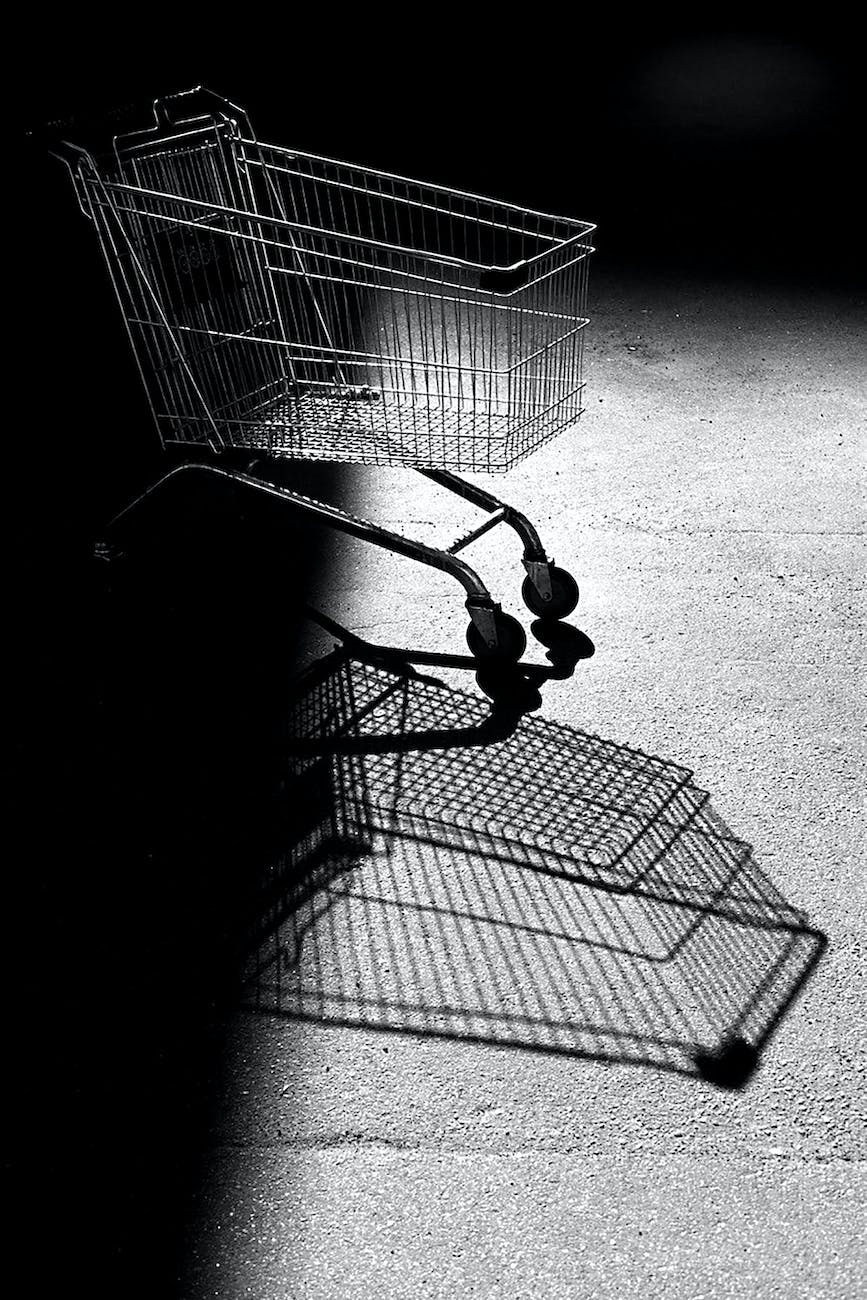
Residents of all communities need access to food. Certain neighborhoods are invested in less than others. A sizable grocery store can help anchor other business activity. Filling a vacant large commercial space can be difficult.
If a company says it cannot keep a store open – the two companies give different reasons above – what reasons might be acceptable to a community?
I would hope retailers and corporations want to go beyond just making money in a location. At the least, as corporations and politicians often remind us, they provide jobs. But, they can also be much more.
In New York, one such proposal from Democratic Gov. Kathy Hochul has run into howls of opposition in one of the birthplaces of the American suburb. Critics on Long Island, a sprawling expanse of communities home to 2.9 million people, are denouncing provisions that would set growth targets, drive denser development near train stations and sometimes let state officials override local zoning decisions.
“Her plan would flood YOUR neighborhood with THOUSANDS of new apartments” reads one opposition mailing. Others warn Long Island would become New York City’s “sixth borough.” Critics, many of them Republican officials, claim it would strip away local control…
If municipalities don’t meet targets, developers could pursue a process in which the state could allow projects to go forward. Another provision would require localities to rezone areas within a half-mile of commuter rail stations unless the area already meets density requirements…
A counter proposal from the Senate’s Democratic conference included a more incentive-heavy housing plan that excludes mandatory requirements and overrides of local zoning.
Hochul and legislative Democrats were trying to resolve their differences in negotiations over the budget, which was due April 1. That deadline has been extended into at least next week. The governor has described housing costs as a “core issue” that needs to be addressed.
Affordable housing is badly needed in the New York City region, as well as many metropolitan regions throughout the United States. How to encourage or mandate housing construction is under consideration in multiple states. When suburbanites move to the suburbs in part because of local government and control, how much can a state override local zoning and land use decisions?
Driving through a nearby suburban subdivision under construction, I spotted this amenity in the new park in the middle of the townhouses and single-family homes:
This is a nice new court. It is not quite regulation length but it does feature two usable half courts. It is at one end of the park with a pavilion next to it and then a playground at the other end. The court, like many, is fairly open to the sun and nearby houses.
This will be an interesting outdoor court to keep an eye on as the subdivision is completed. There will, no doubt, be nearby residents who want to play. The court is very close to houses on multiple sides. How busy will this court be?
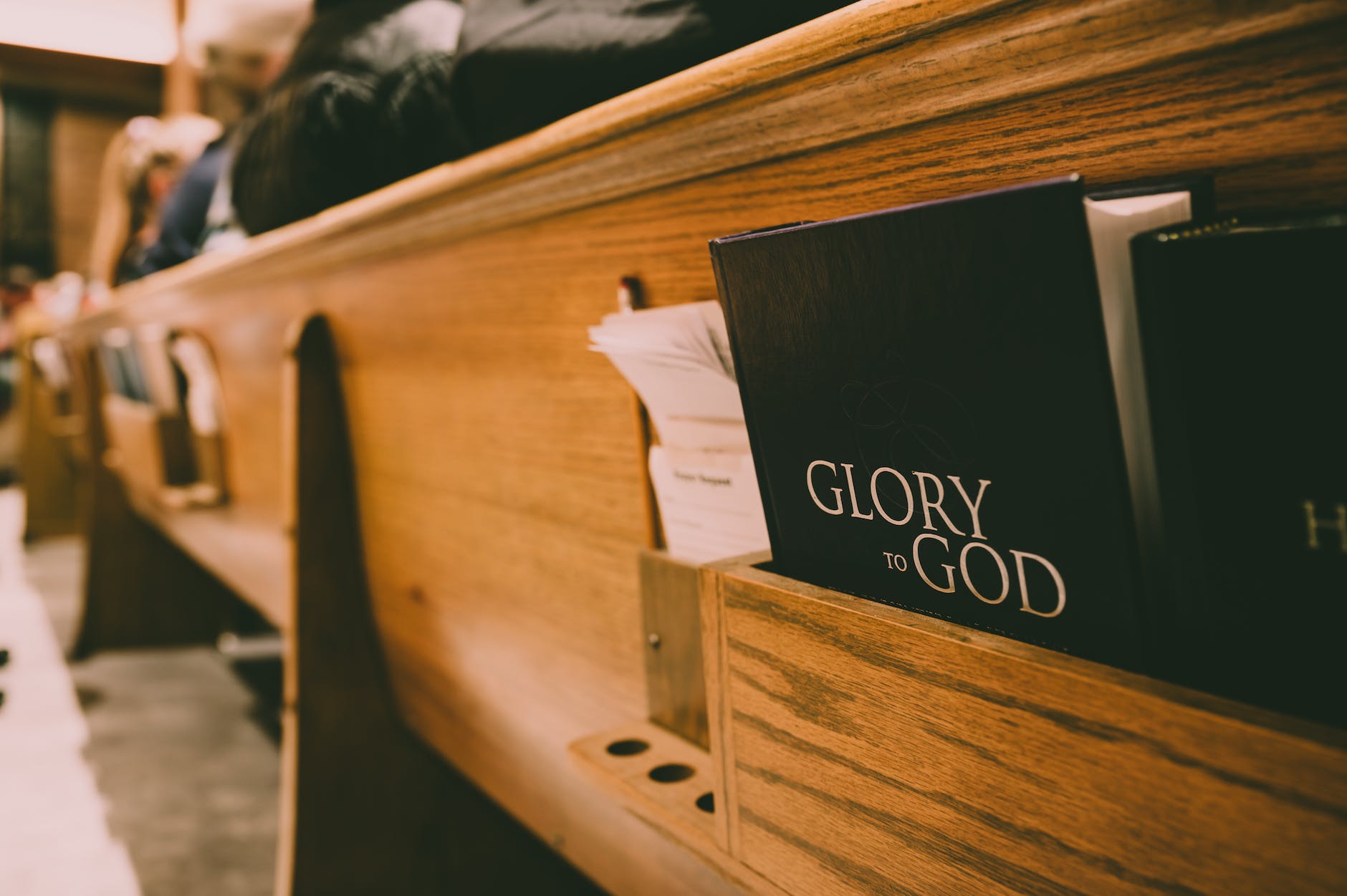
As someone who enjoys music, is a musician, and likes some large collective activities, part of the joy of Easter is having a full sanctuary with people singing.
This level of congregational singing does not happen every week. Our church is full on Easter. The songs are familiar. Many people arrived early and the level of conversation beforehand was high.
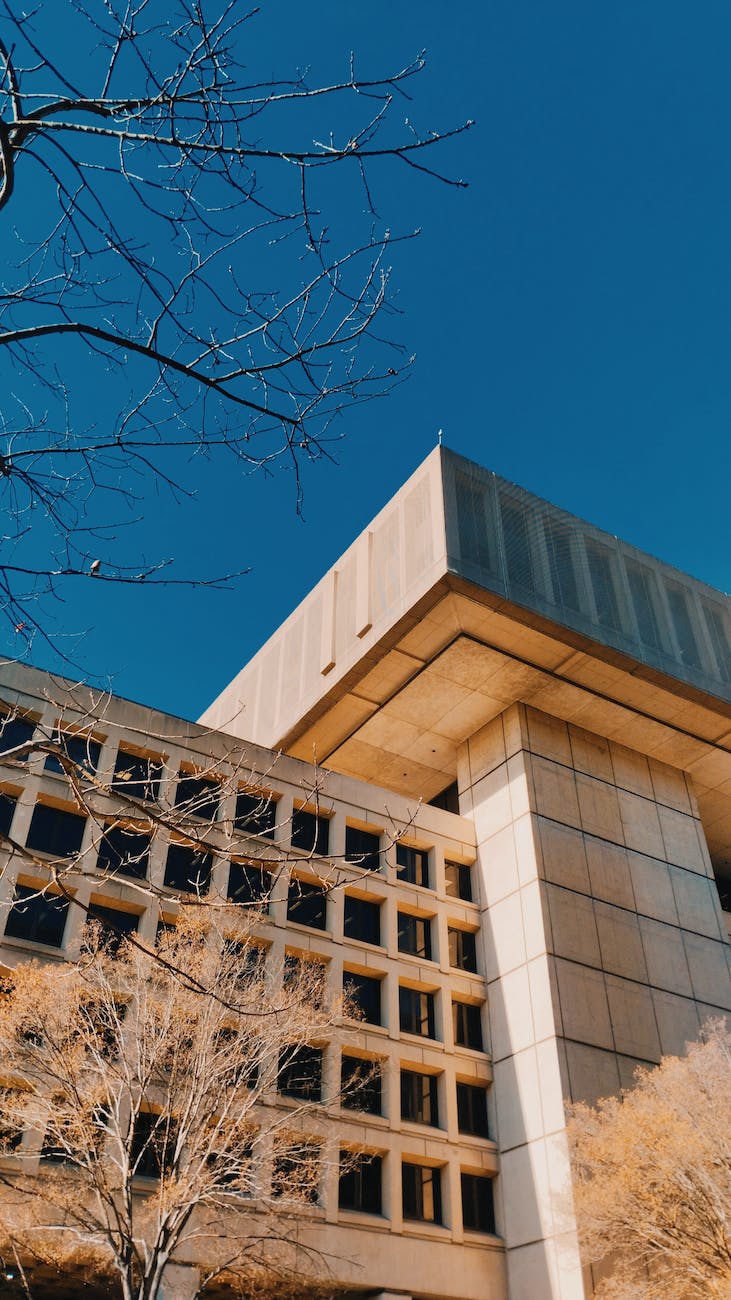
The process of selecting a site for a gleaming, modern, suburban campus–style headquarters—one that could host roughly 8,000 FBI employees—began in President Obama’s first term. There was a four-year interruption during the Trump administration, but then the plan got back on track. With a final decision looming, elbows have gotten a lot sharper and complaints a lot louder.
To many of the aides and politicians involved, the end can’t come soon enough. It’s gotten bitter. The Virginians cite the “raw application of power” by Hoyer and others as the source of the bad feelings. The Marylanders argue that the bad vibes come from the FBI, which they claim has shown favoritism toward Virginia. All Maryland’s delegation is trying to do, they argue, is even the playing field.
The process has also activated deep-seated frustrations from Marylanders about why northern Virginia, which has boomed with corporate relocations and a government-contract explosion in recent decades, gets to have it all, while Prince George’s County—which, they hasten to note, is a majority-Black suburban county in Maryland—seemingly goes overlooked. The Virginians vent that Maryland is desperate and doing whatever it can to work the refs.
What both delegations agree on is that this is a once-in-a-generation contract that could serve as a 50-year anchor for either community, potentially bringing tens of thousands of jobs and billions of dollars to the winner. There are political legacies at stake here. Plus, there’s the CIA angle, which no one can talk about.
In many ways, this sounds like a typical competition between suburbs for a corporate headquarters or a sizable new development. On the line are jobs, status, new buildings, and potentially new residents and businesses who will want to locate nearby.
But, this is also different. The government makes this decision, not a private company. The buildings, jobs, and status may have more staying power because it is backed by the federal government.
When a decision is made, it will be interesting to hear the explanation from the FBI and the federal government on how they made the choice. Are there roughly equal options and a choice had to be made? Or, does the FBI have specific priorities when choosing a suburban community?
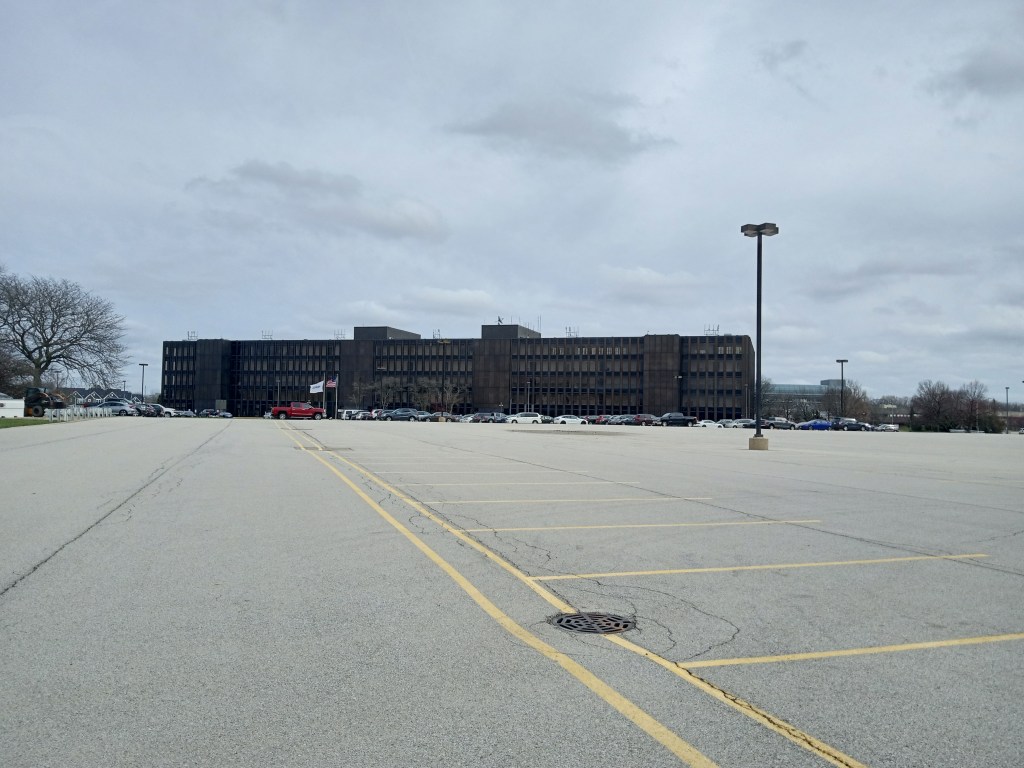
The 175-acre property near the intersection of Naperville and Warrenville Roads has the address of 1960-2000 Lucent Lane.
Nineteen-sixty Lucent Lane includes a vacant five-story 613,620-square-foot steel and glass office building, two three-story parking decks and surface parking lots. Nokia has consolidated its offices into the five-story 1-million-square-foot steel and glass building at 2000 Lucent Lane. The company occupies about 33% of the building, according to city documents.
What will become of this full property in the next few decades? Could it become a “metroburb” like another Bell Labs facility in a northwest Chicago suburb? The same property that helped lead Naperville to white-collar jobs and office buildings could become part of numerous transformations of suburban office parks into new uses.






 Legally Sociable