Harris: “We will end America’s housing shortage.”

Presidential candidate Kamala Harris said this about housing in her speech at the Democratic National Convention this past week:

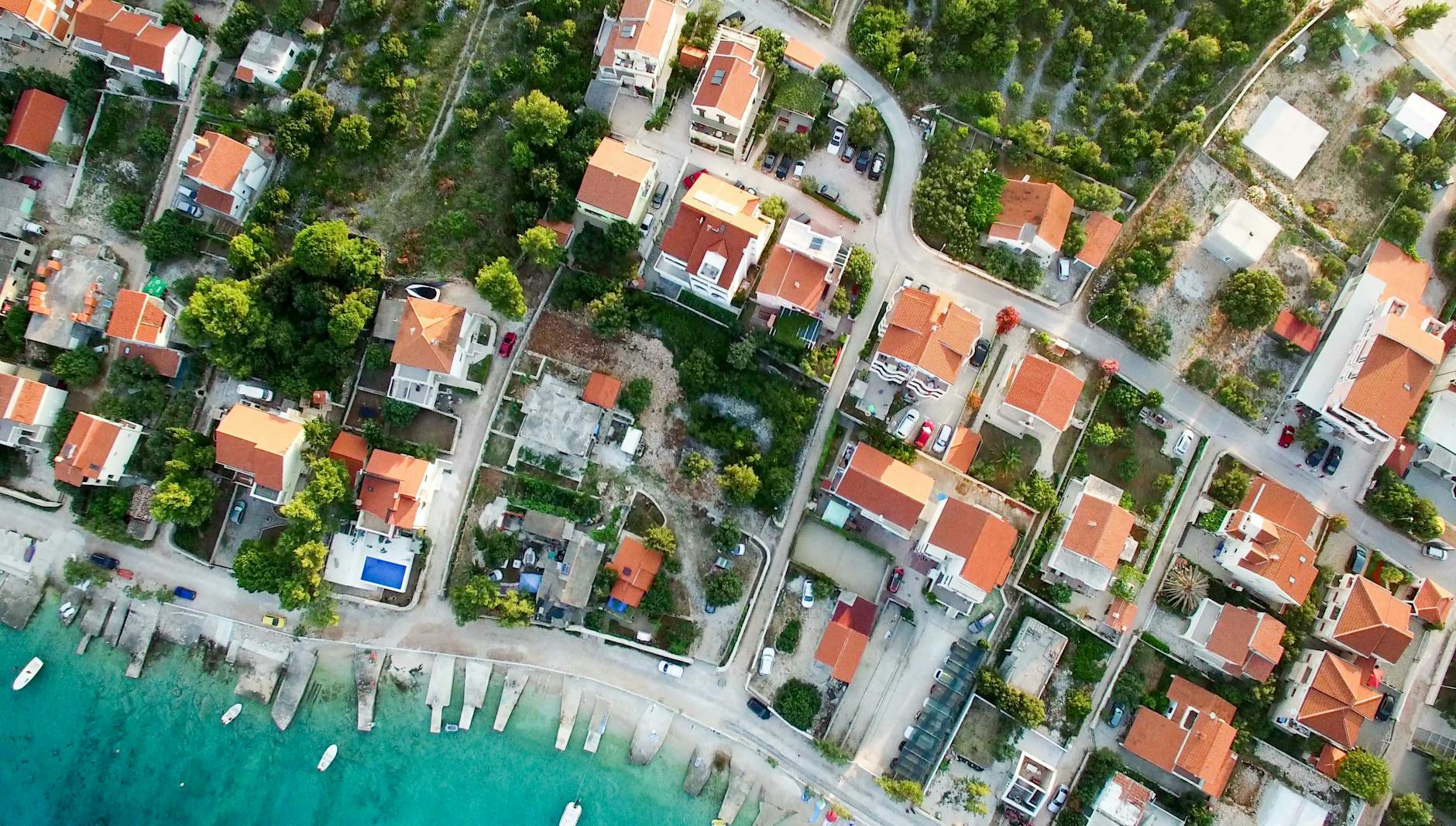
Photo by Palo Cech on Pexels.com

That’s why we will create what I call an opportunity economy. An opportunity economy where everyone has a chance to compete and a chance to succeed. Whether you live in a rural area, small town, or big city. As President, I will bring together: Labor and workers, Small business owners and entrepreneurs, And American companies. To create jobs. Grow our economy. And lower the cost of everyday needs. Like
health care. Housing. And groceries. We will: Provide access to capital for small business owners, entrepreneurs, and founders. We will end America’s housing shortage. And protect Social Security
and Medicare.

I am interested in hearing more about this plan for housing for two reasons:

  1. I think many Americans perceive this as a need. People need more housing, particularly cheaper good housing. They want the opportunity to invest in a residence and a community. They want the opportunity for that ownership to be an asset down the road. They do not want housing to take up too much of their budget.
  2. I have tried to keep track of this issue during recent presidential elections and it does not appear to an issue that candidates lead with. There could be multiple reasons for this: it is difficult to addressing housing at a national level when it is often a local issue and it may not be a “winning” issue with voters compared to other topics. However, I have often thought that a candidate that could promote a reasonable and doable strategy that could help people would do well to do so.

Could the two candidates offer more about housing in the coming weeks?
Big political changes in the suburbs, DuPage County edition

The suburbs are the place where elections are won and lost these days yet voting patterns in the suburbs are dynamic. For example, here is an overview of what has happened in DuPage County, Illinois, in recent decades:

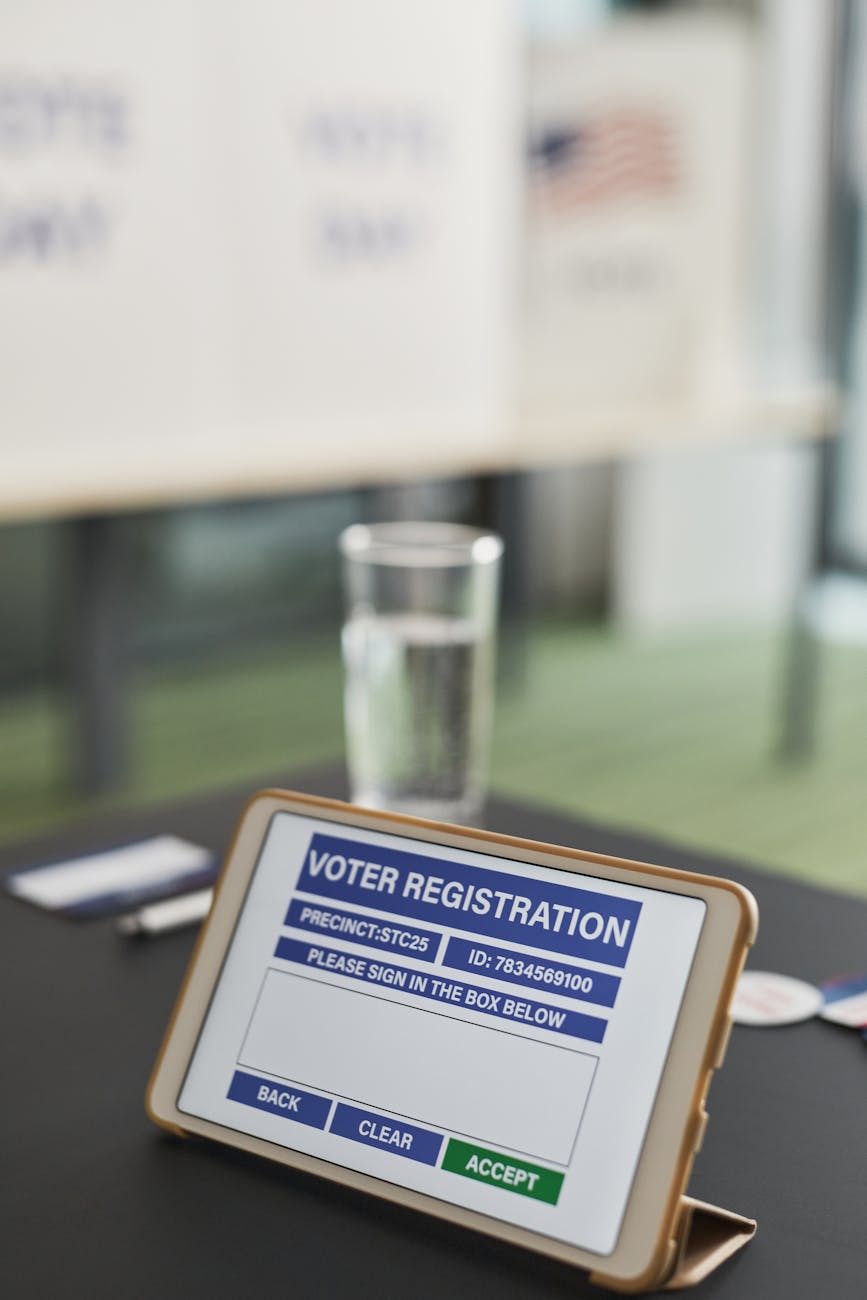
Photo by Edmond Dantu00e8s on Pexels.com

“It is easy to forget this county, DuPage, was once one of the reddest counties in America not long ago,” Conroy said during Tuesday morning’s Illinois delegate breakfast.

She noted that DuPage was where “Republican presidents raised millions of dollars, produced a U.S. speaker of the House” and led both chambers in Springfield. “But 12 years ago, that tide began to turn,” said Conroy, who in 2012 became the first Democrat to win an Illinois House seat in a district entirely in DuPage.

In 2022, Conroy again made history as the first female elected to head the DuPage County Board and the first Democrat to hold that title in several decades. That same year, Democrats solidified a 12-6 majority on the county board. In 2018, Republicans held all but one seat on the county board.

Conroy said Democratic women also now make up an overwhelming majority of state representatives and senators representing DuPage in Springfield.

This is a change echoed in the other collar counties of the Chicago area: a shift from Republican bases to Democratic majorities. This is all part of the emerging complex suburbia.

At the same time, this is not the first time there was a major political shift in DuPage County. Local historical Leone Schmidt detailed political life in early decades in the county in the 1989 book When the Democrats Ruled DuPage. She describes the book this way:

It covers the impassioned and sophisticated political activities, the interplay of parties and personalities, and the heyday and fall of the Democrats as a force in Du Page County.

Democrats kicked off local political life and helped the county become its own entity. But, within a few decades, Republicans came to dominate local offices. Historian Stephen J. Buck says in the 2019 article “Free Soil, Free Labor, Free Men: The origins of the Republican Party in DuPage County, Illinois”:

By 1860, the Democrats were the minority party in the county, and the Republicans successfully imposed the importance of party loyalty, regardless of local issues, on county politics.

The county has experienced at least two major shifts in political leadership and voting patterns. As politicians and parties fight for votes in DuPage County and other suburbs, there could be future shifts. What can look like solid majorities through multiple decades can change – they have before.

Will “did not vote” once again win the presidential vote in 2024?

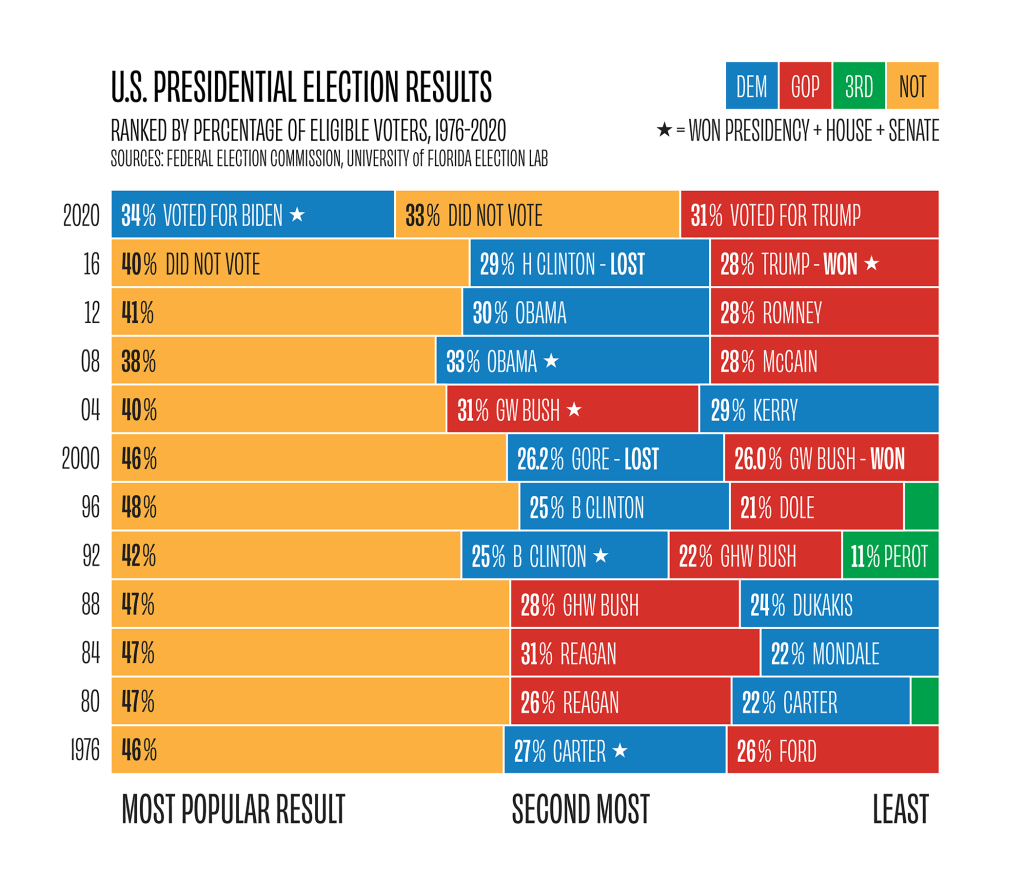
I recently saw a graphic that compared vote totals for president since 1976. Outside of the last election in 2020, there has been a consistent winner:

And “did not vote” often clobbered the candidate who received the higher percentage of the popular vote, often by 10-20%.

What does this mean about “get out the vote” efforts? Is the narrative that “this is the most important election of our lifetime” effective in getting people to vote?

At the least, the presidential election turnout is better than many local elections.

Manhattan congestion pricing plan delayed to persuade suburban swing voters?

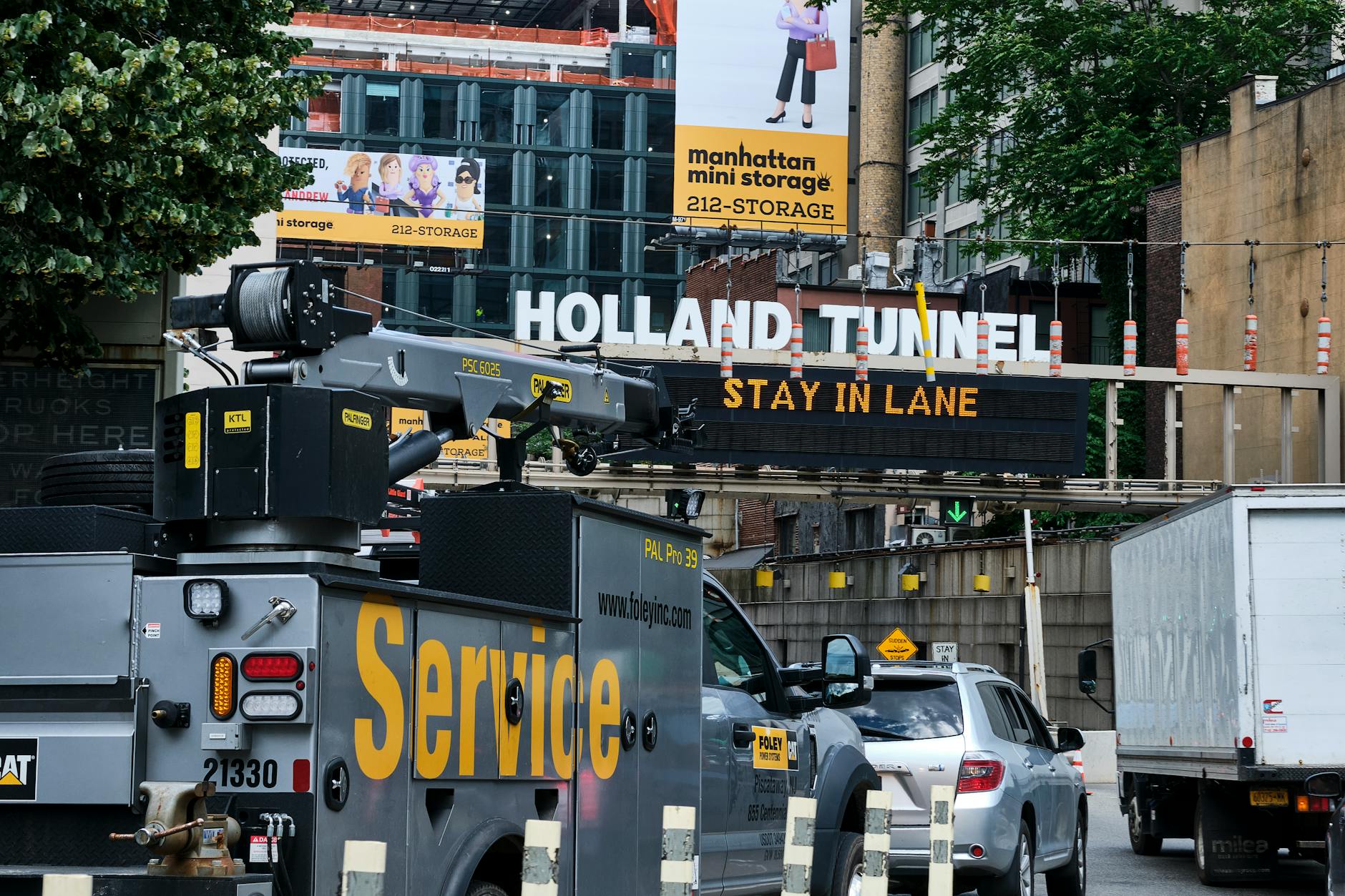
New York City was set to roll out congestion pricing for Manhattan but one writer suggests it was delayed to influence suburban voters:

Photo by Malcolm Garret on Pexels.com

Hochul was just touting the benefits of congestion pricing two weeks ago, but she appears to no longer see things that way. According to a Tuesday night Politico report, House Minority Leader Hakeem Jeffries started raising his concerns with Hochul, claiming that if the plan were to go into effect during this election year, the ensuing buzz could make it harder for New York Democrats to win back the House of Representatives. The proposed $15 fee for drivers heading into lower and midtown Manhattan—whether from the outer boroughs or from the broader tri-state region—remains unpopular with the types of wealthy, swingy suburban voters national Democrats need on their side. And considering how badly New York Dems botched the 2022 midterms, losing House seats that could have cut into Republicans’ narrow majority in the chamber, Jeffries would like to do anything he can to regain those seats—including mollifying the New Yorkers who own cars only because they make it easier to flee to the Hamptons. Hochul herself says her decision is based on concern that congestion pricing might deter people from heading into Manhattan at a time when the city is still recovering from COVID-era business losses.

As politicians and political parties consider the 2024 elections, they are likely focusing a lot of attention on pockets of suburbanites who can be swayed to go different ways with their votes. This has been important for a number of election cycles now with a country that is majority suburban and more predictable voting results in big cities and more rural areas. Thus, the national parties fight over middle suburbia.

In this particular case, I would be interested in seeing more numbers. How many suburbanites are affected by the congestion tax? How many suburbanites might change their votes based on this issue? Is the fate of the US House in the hands of a congestion tax?

More broadly, how often does traffic and congestion decide local, state, or national elections? People generally do not like traffic or congestion but also may not like new or higher taxes or resist impediments to drive when or where they want.

Suburbanites in these 6 states will get a lot of attention from presidential campaigns in the next six months

Political strategists suggest six states may determine the 2024 presidential election:

Photo by cottonbro studio on Pexels.com

The titanic Biden-Trump election likely will be decided by roughly 6% of voters in just six states, top strategists in both parties tell us.

  • Each side will spend billions to reach those voters over the next six months…

In which states?

Zoom in: Both campaigns are obsessed with six states — Arizona, Georgia, Michigan, Nevada, Pennsylvania and Wisconsin.

And which voters within these six states?

We perked up our ears when we heard a Biden insider use the “6% of six states” formulation as a proxy for how narrow a group of voters are considered truly in play — swing voters in swing states.

  • Republicans are making a similar calculation. A Trump insider told us that persuadable voters are below 10% in every battleground: “I think it’s probably 6% in Wisconsin but 8% in Michigan, and lower in Arizona.”

Given the way recent elections have gone regarding the importance of suburban voters, would a big proportion of those 6% live in suburbs? If so, these suburban voters can expect many appeals to come their direction from a variety of methods. Targeted ads online, TV and radio ads, mailers, campaign events, local gatherings, and door to door appeals. Lots of conversation about these voters and what they are thinking. Many media stories about them.

Does the average suburban voter in this 6% like that their vote matters or tire of lots of political attention?

Exurbs, suburbs, and the Trump campaign

Can Donald Trump attract enough exurban and suburban voters?

Photo by Pixabay on Pexels.com

But a POLITICO analysis shows there’s also a significant bloc of voters who did not want Trump in more exurban, red-leaning counties — the kinds of places that were skeptical of Trump in the 2016 GOP primary and, while largely voting for him in the 2016 and 2020 general elections, have remained somewhat resistant to his takeover of the Republican Party…

They’re farther away from urban areas. They’re less densely populated, and they have fewer voters with college degrees. These places — which include North Carolina’s Republican-leaning exurbs, and conservative but less Trump-inclined counties several hours north of Michigan’s major cities — still vote predominantly for Republicans, both at the presidential and local levels. In 2016, when both parties held contested primaries, the Republican voters in these counties backed candidates like Sen. Marco Rubio (R-Fla.) over Trump, and in the general election they voted for Trump at lower rates than the deep-red rural areas.

Republicans are banking on the fact that partisanship usually wins out. This is far from the first contentious primary to leave bruised egos and hurt feelings, and usually the vast majority of voters come home to their party’s presidential nominee eventually. By Election Day, voters tend to return to their partisan camps.

The middle to outer suburbs have been a primary battleground in recent election cycles. Voters in big cities and suburbs close to big cities tend to vote Democratic and voters in rural areas and exurbs tend to vote Republican.

The analysis above seems to hinge on whether exurban voters are enthusiastic for Trump or not. Perhaps the more interesting question is whether some exburban areas are becoming more suburban. As suburban populations grow and more educated and wealthier voters move in, does this shift voting away from Republicans? Particularly in the South and West, metropolitan regions continue to expand and this could change voting patterns.

Trump on building “freedom cities”

Donald Trump recently said he wants to construct “freedom cities” if elected again. He has had this idea for a while; a story from March 2023 provides more details:

Photo by Brett Sayles on Pexels.com

Former President Donald Trump on Friday proposed building up to 10 futuristic “freedom cities” on federal land, part of a plan that the 2024 presidential contender said would “create a new American future” in a country that has “lost its boldness.”…

He said he would launch a contest to charter up to 10 “freedom cities” roughly the size of Washington, DC, on undeveloped federal land.

“We’ll actually build new cities in our country again,” Trump said in the video. “These freedom cities will reopen the frontier, reignite American imagination, and give hundreds of thousands of young people and other people, all hardworking families, a new shot at home ownership and in fact, the American dream.”

These cities are tied to a bigger project:

Trump’s plan, shared in advance with POLITICO, calls for holding a contest to design and create up to ten new “Freedom Cities,” built from the ground up on federal land. It proposes an investment in the development of vertical-takeoff-and-landing vehicles; the creation of “hives of industry” sparked by cutting off imports from China; and a population surge sparked by “baby bonuses” to encourage would-be-parents to get on with procreation. It is all, his team says, part of a larger nationwide beautification campaign meant to inspire forward-looking visions of America’s future.

When I saw that Trump mentioned this again, I immediately thought about free market cities that some have proposed for different parts of the world. But, that does not seem to be the goal here. Trump wants to build new cities that fit a new vision of American innovation. Freedom = innovation. One implication is that current cities are not free.

For such an idea, multiple practical obstacles exist:

  1. Where would these be located? Which federal lands?
  2. It is hard to build a new city. What is the timeline for this? How many resources will be involved? Will it be all private actors and developers doing the construction?
  3. What will be the guiding mission of these cities? If the goal is innovation, what will be different about these cities compared to existing cities?
  4. What will be the politics of these cities?

All that said, the likelihood of these being built is very low. And I thought Trump was was trying to save suburbia, not necessarily build cities?

Fighting for suburban voters ahead of 2024, Carmel, IN edition

A mayoral race in a well-regarded suburb hints at suburban voting patterns for 2024?

Photo by Element5 Digital on Pexels.com

Tuesday’s electoral results show in miniature the national Republicans’ weakening grip on the suburbs. Come November, the race will also be a key post-midterms bellwether for both parties. Democrats made big gains in suburbs nationally in 2018 and 2020.

Nowhere else is that more apparent than Carmel. Slowly, this city has become more diverse and seen an influx of younger, more moderate voters who flock here for its award-winning school system, public art, affordability and culture (it’s home to a $126 million concert hall drawing national acts like the singer and songwriter Jason Isbell, and boasts more than 138 roundabouts, more than any other city in the U.S.). Students of the public school system speak 65 languages from 55 countries. Though many of its communities are gated, it’s not been walled-off from social change: Black Lives Matter marches snaked down the Monon Trail in Carmel amid $1 million townhouses and an upscale steakhouse in the summer of 2020…

Now, the Indiana Democratic Party is eyeing Carmel as a potential pickup this November. Mike Schmuhl, Pete Buttigieg’s former campaign manager and the state party chairman, is targeting this suburb in hopes of flipping it blue.

“The city has changed a lot,” Schmuhl said over lunch today at Fat Dan’s Chicago Deli in Carmel. “This used to be a rock-ribbed, Republican, conservative area but the Republican Party has changed a lot, too. So what you have up in Carmel is a lot of development, a lot of families, educated voters, hard working people, and the Democratic Party’s values appeal to those people.”

As someone who studies suburbs, four things I would note about Carmel that are relevant for this story:

  1. It is regularly named a Best Place to Live in Money’s list.
  2. It is right outside the combined Indianapolis-Marion County unigov arrangement. While that move was intended to help the city capture some suburban growth, Carmel sits right outs Marion County in neighboring Hamilton County.
  3. The population growth since 1960 has been astounding as it had just less than 1,500 residents in the 1960 Census. The suburb has had more than 25% population growth every decade since then and now has just under 100,000 residents.
  4. It has plenty of white-collar jobs due to corporate headquarters and offices.

Carmel exemplifies complex suburbia where larger suburbs can be more diverse, have more economic activity, and experience rapid growth and change. This can include changing political patterns at the state and national level but within communities where many do not vote in local elections.

The number of suburbs – or communities overall – that look like Carmel is small. At the same time, these larger suburbs have a higher status ad get more attention. As the political parties continue to fight over suburban voters, pundits will continue to look to growing and changing suburbs to see which ways the winds are blowing.