
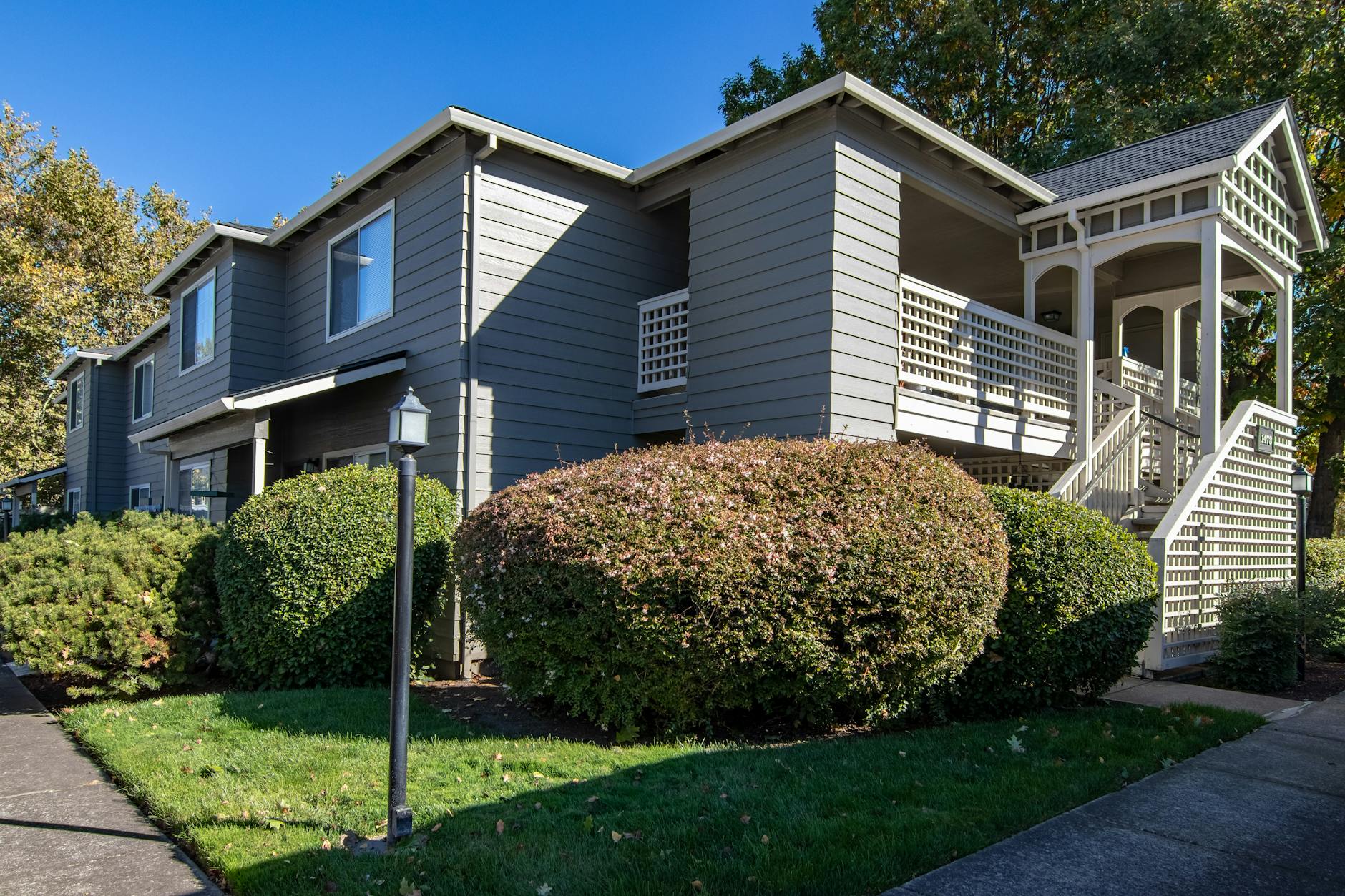
Democratic state Sen. Laura Ellman of Naperville is among the plan’s proponents. Ellman and other lawmakers staged a news conference Tuesday in Springfield to outline a slew of proposals aimed at making housing more affordable for owners and renters…
Other suburban sponsors and cosponsors of BUILD-related legislation include state Sens. Mark Walker of Arlington Heights, Adriane Johnson of Buffalo Grove and Cristina Castro of Elgin.
Aligned against them are lawmakers including Republican state Rep. Martin McLaughlin of Barrington Hills; municipal leaders in South Barrington, Barrington Hills, Algonquin and other suburbs; and groups including the Illinois State Association of Counties, the DuPage Mayors and Managers Conference and the Northwest Municipal Conference.
At a city council meeting earlier this month, Naperville Mayor Scott Wehrli said the BUILD proposals promote housing density, not affordability…
McLaughlin hopes pressure from municipal leaders opposed to BUILD will be strong enough to persuade enough Democrats in the General Assembly to break with Pritzker and oppose the legislation.
Illinois has a lot of suburban residents (as does the United States as a whole). I would interested to hear from suburban lawmakers what they are hearing from these residents and voters. How many are for these proposed changes, how many are against? If people think their property values might be threatened, they tend to respond. At the same time, those seeking out housing might also be making their voices heard.
On a related note, if suburban voters are critical in national elections because of the number of them plus the number of suburbanites who might be swayed by particular issues or leaders, might legislative votes in Illinois come down to suburban representatives?
It would also be interesting to hear if there local leaders and communities who see such legislation as providing an opportunity for growth and change in their community. The population in the Chicago region and Illinois has been relatively stagnant in recent decades. Could adding more housing provide a new opportunity to add residents and status?

